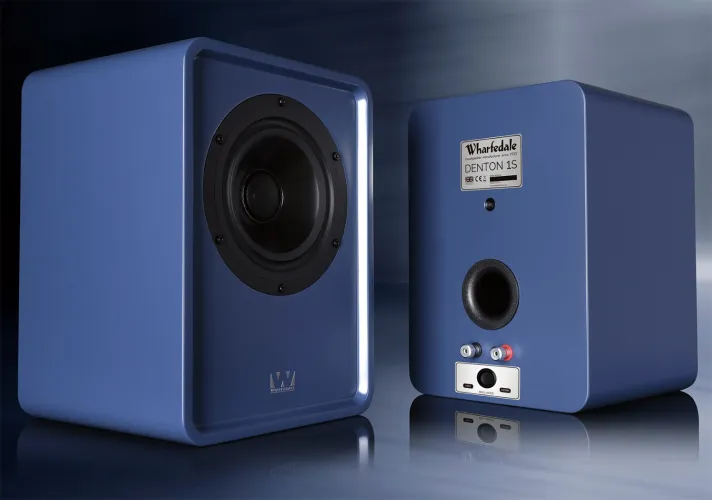

Wharfedale Denton 1S – 1970s Retro Sesign in a Modern Interpretation

21.05.2026 08:16 | ~3 minutes read
Wharfedale is expanding its Heritage series with the new compact Denton 1S loudspeaker. The new model looks back to the brand’s history and is directly inspired by the Denton 1, introduced in 1974. At the time, that speaker was an unusual experiment for Wharfedale: compared with the company’s classic wooden models, it stood out with a more modern appearance, flexible placement options and an unconventional engineering approach.
The Denton series holds a special place in the history of the British company. Back in the 1960s and 1970s, these loudspeakers were valued for their natural sound, compact dimensions and ability to fit organically into domestic interiors. The first Denton appeared in 1967, and the line was later expanded with both two-way and three-way models. Since 2012, Wharfedale has regularly returned to this legacy, releasing modern Heritage versions in which classic character is combined with contemporary technology.
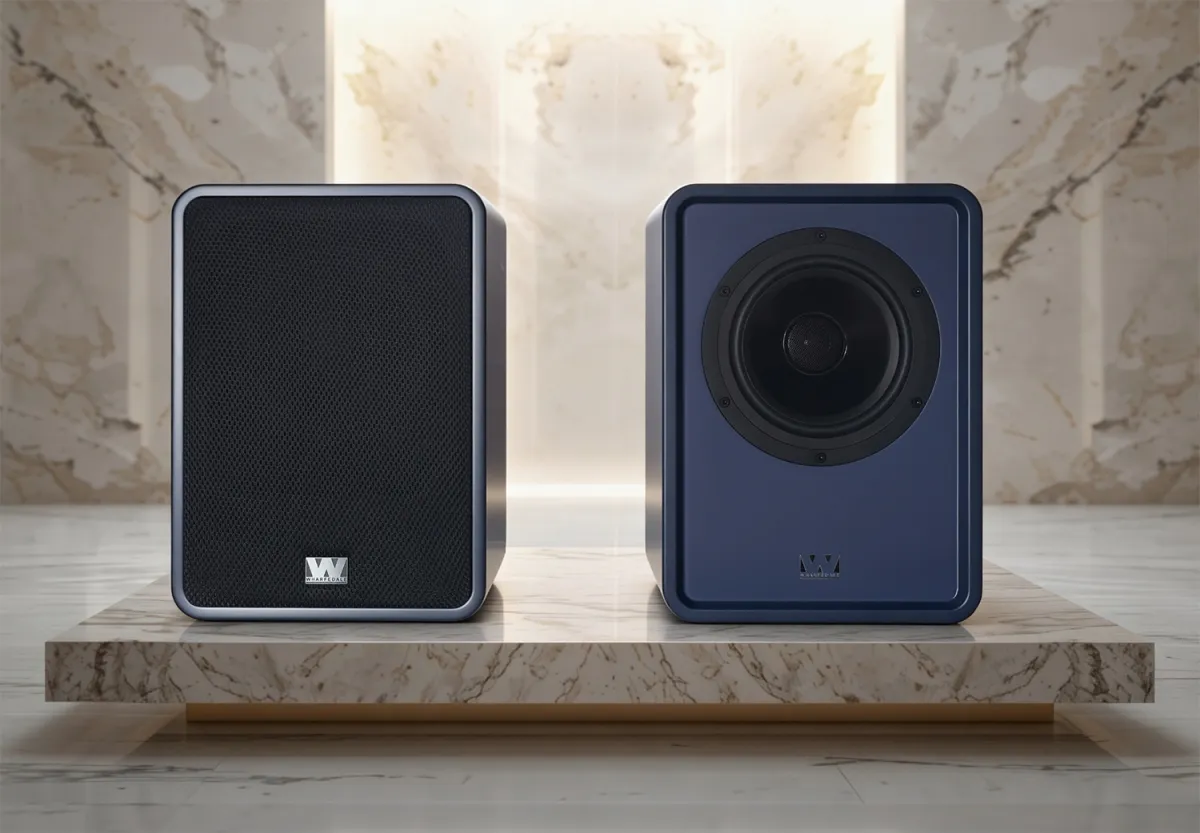
The new Denton 1S continues this tradition, but focuses not simply on the general image of older models, but on one specific loudspeaker – the 1974 Wharfedale Denton 1. In the early 1970s, the home audio market began to change: buyers were increasingly paying attention not only to sound, but also to the design of their equipment. Against the background of traditional speakers finished in wood veneer, the Denton 1 looked noticeably bolder. It received a more modern appearance, was designed for various placement options and was offered as a more affordable alternative within the brand’s range.
The original Denton 1 was an unusual loudspeaker for its time. It used a coaxial full-range driver with two cones positioned on the same axis. This solution helped improve phase coherence and allowed the speaker to be positioned either vertically or horizontally. Instead of the familiar wooden cabinet, Wharfedale used a cast polyurethane enclosure with rounded edges. For the mid-1970s, such a design looked futuristic and matched the interior trends of that period well.
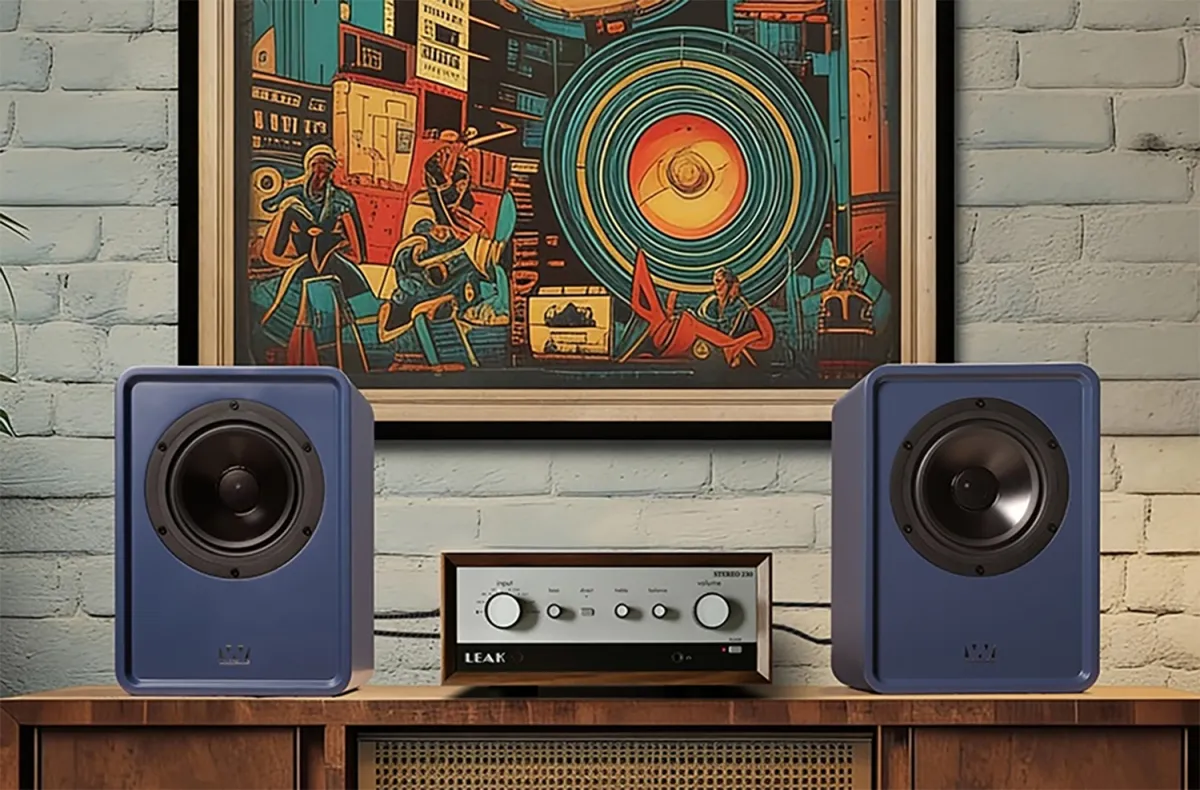
At the same time, the number “1” in the Denton 1 name does not mean that this model was the first in the series. It referred to the use of a single coaxial driver. The earlier Denton 2 and Denton 3 already existed by the time this model was released, which is why the name sometimes causes confusion. The Denton 1 itself became an important part of Wharfedale’s history more because of its unusual design and concept than because of any absolute superiority in sound over other Denton models of the era.
The Denton 1S takes the key visual and structural ideas from the original model: compact proportions, a smoothly rounded cabinet and a coaxial driver. Technically, however, this is now a completely new loudspeaker, created with modern components and a contemporary approach to tuning. Wharfedale stresses that the Denton 1S is not a simple copy of the 1970s speaker, but a modern interpretation of its philosophy.
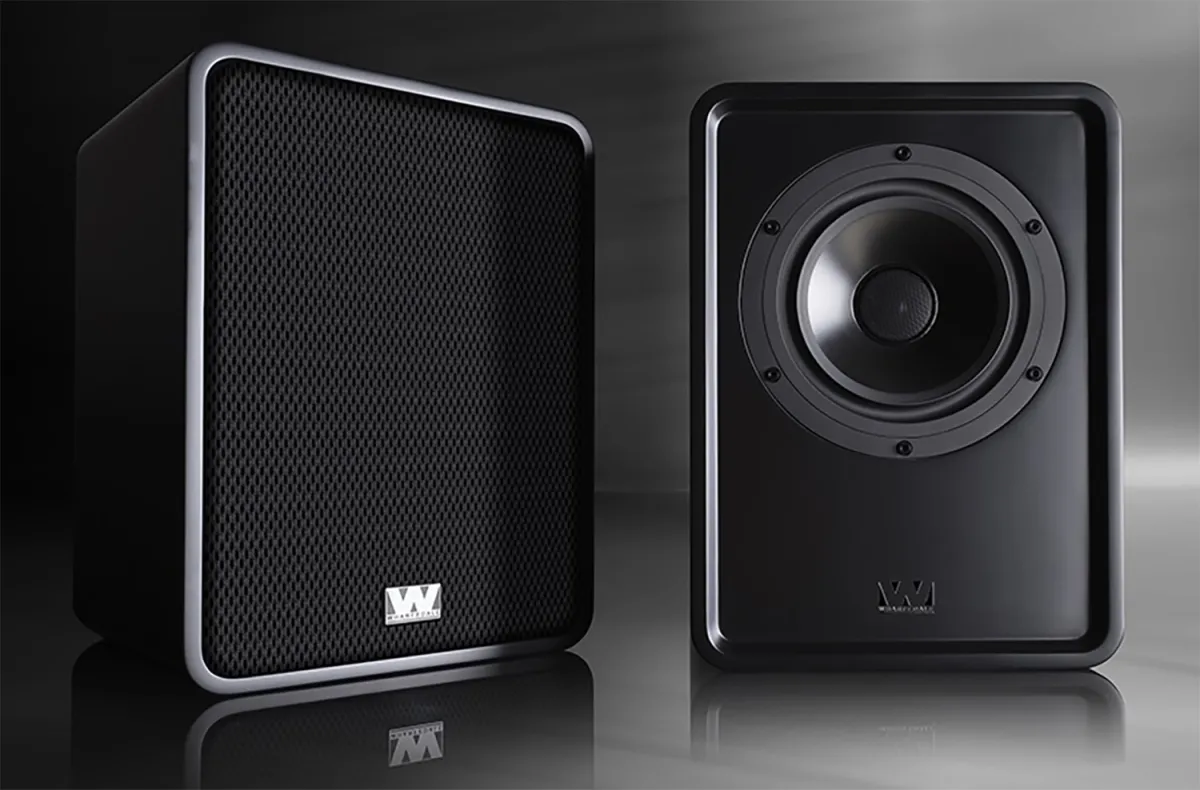
The new model is designed for versatile use in different rooms. Measuring 330 × 236 × 229 mm, the Denton 1S can be placed on stands, a shelf, a sideboard, a desk or other furniture. The speaker also allows placement close to a wall and, if required, can be wall-mounted. This approach makes the model more convenient for modern apartments, studies and small living rooms where sound quality, compact dimensions and a neat appearance all matter.
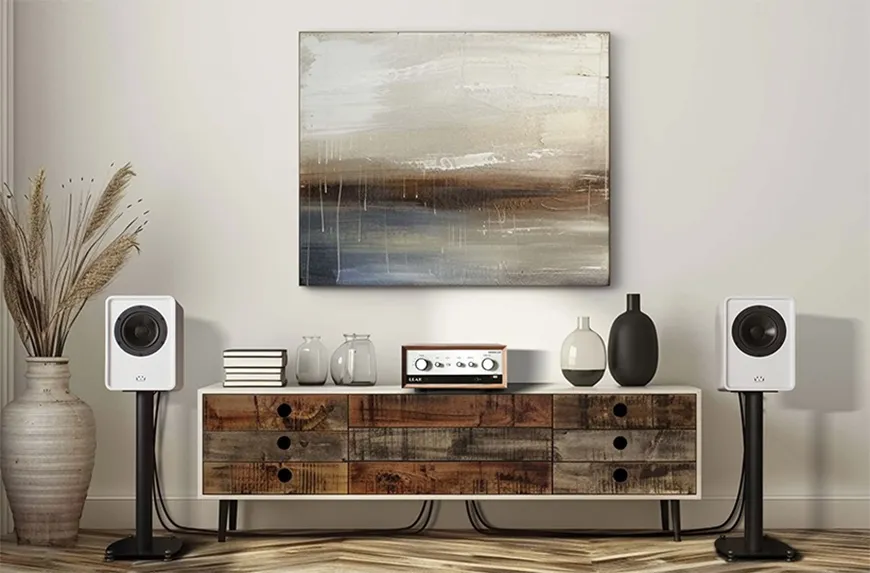
The Wharfedale Denton 1S will go on sale at the end of May. Buyers will be offered three finish options: matte black, white and blue. The recommended retail price will be US$999 per pair of speakers. The new model looks like an attempt by Wharfedale to rethink one of the most unusual episodes in its own history: preserving the spirit of bold 1970s design while offering a loudspeaker that meets modern expectations for sound quality and ease of installation.
Specifications
Model name
Denton 1S
Frequency Response low +/- 3dB (Hz)
50
Frequency Response high +/- 3dB (Hz)
20000
Sensitivity (dB at 1 W/1m)
88
Impedance (Ohms)
4.5 - 8
Power amplifier requirements (W)
30 - 100
Has internal amplification
N/A
Internal amplification power (W)
N/A
Size (sm)
57 x 33.5 x 45
Weight (kg)
6.8
Official link