

Headphones, etc.
The Headphones, etc. section covers wired headphones for home listening and the amplifiers built to drive them. Unlike speakers, headphones need only milliwatts of power, but impedance can range from about 16 to 600 ohms, so the right amplifier depends on the model you pick. Begin with the headphone type you want, then check whether your current source can drive it or a dedicated amplifier is needed.
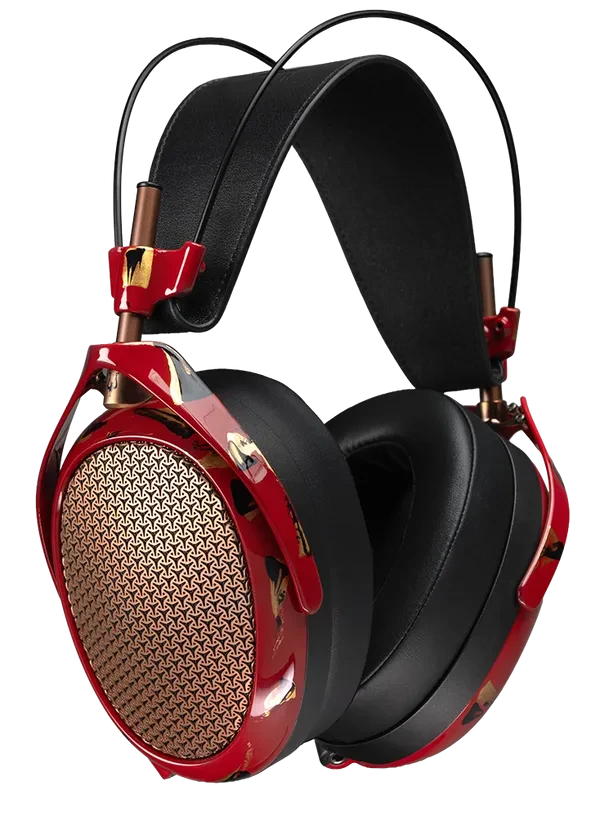
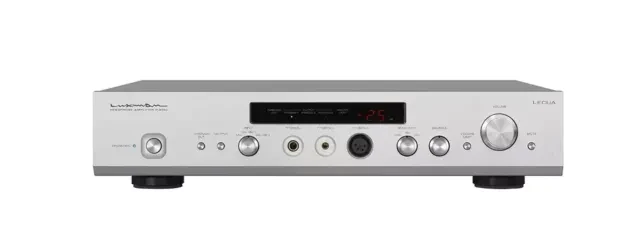
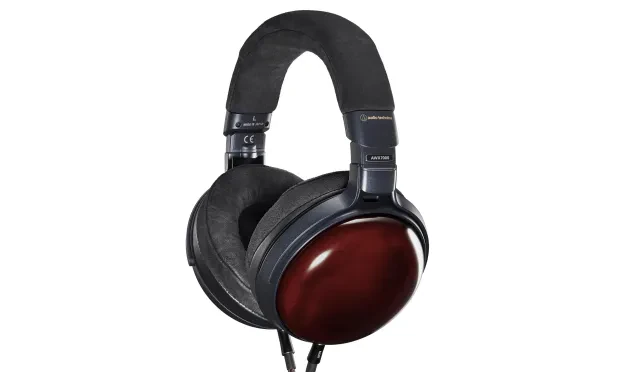
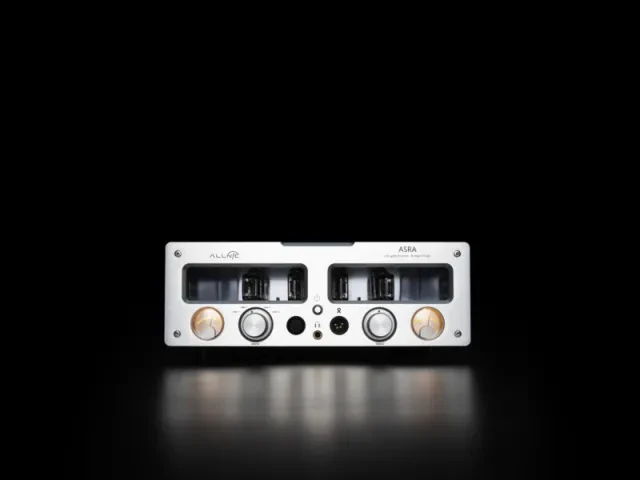


Types of headphone gear
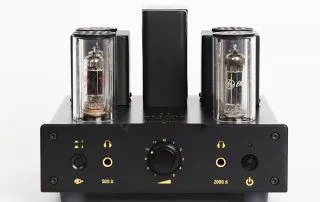
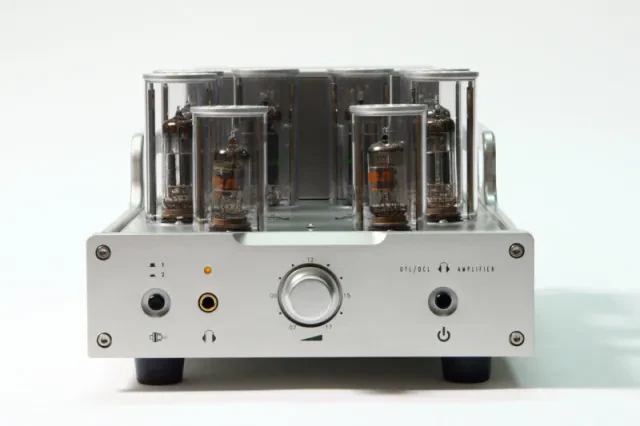
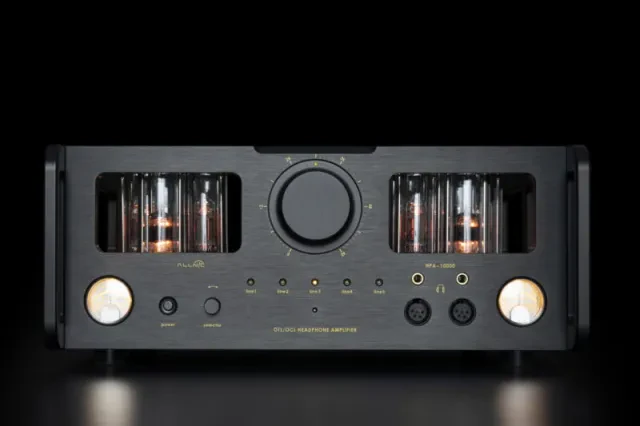
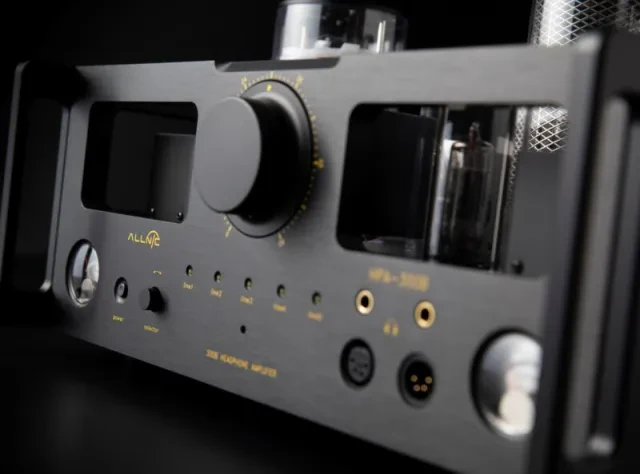
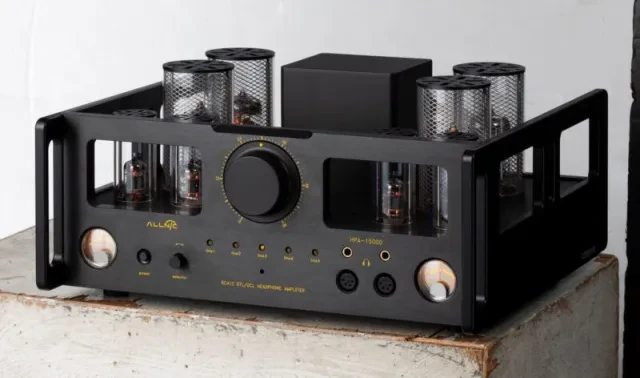
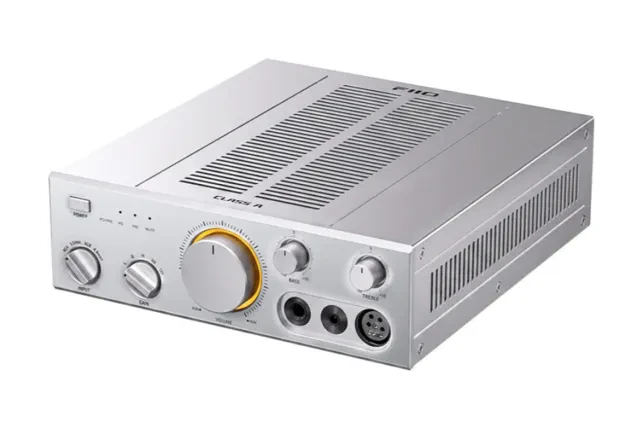
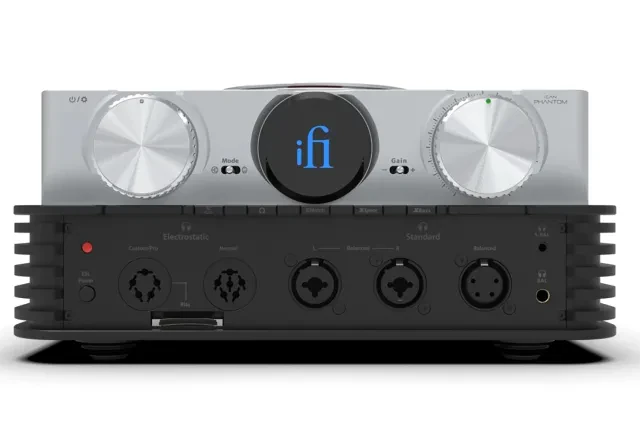
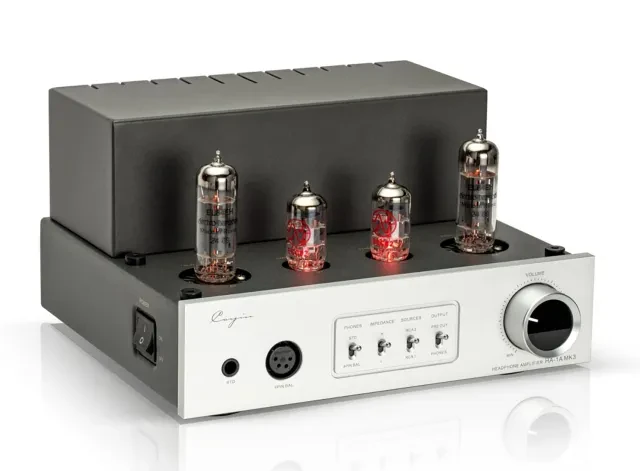
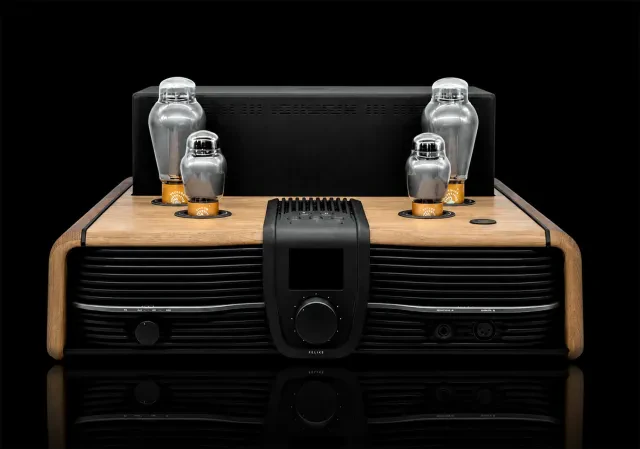
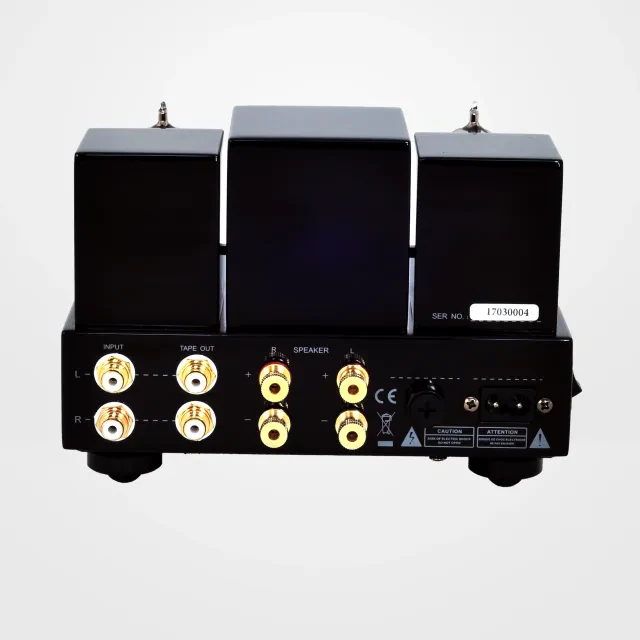
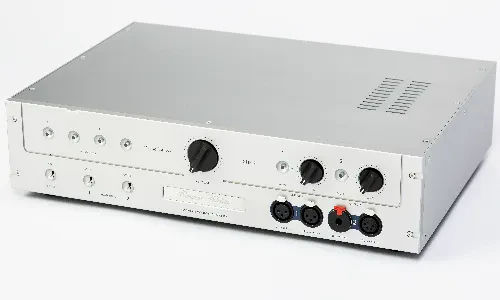
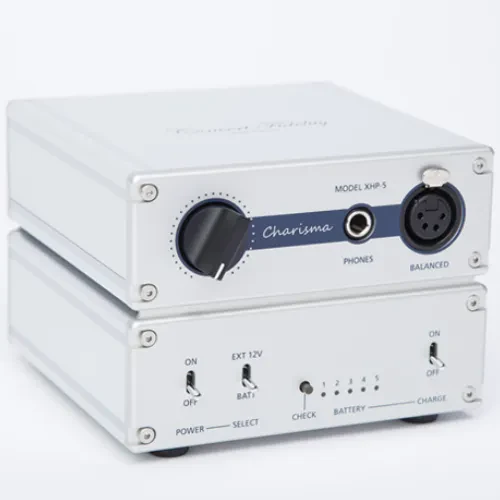
Headphones are listed by earcup and driver design. Over-ear and on-ear models come in closed-back versions that block outside noise and open-back versions that leak sound in both directions. Dynamic drivers are the most common, while planar-magnetic designs use a thin diaphragm with a printed conductor and often need more current. Electrostatic headphones work only with a matching energizer. Headphones amplifiers include desktop units for home systems and portable battery models, and many combine a DAC with the amplifier stage in one box with USB input and balanced 4.4 mm or 4-pin XLR outputs.
How to choose headphone gear
Choose the headphones first based on where you listen, since a closed-back design suits shared spaces and an open-back design suits a quiet room. Then compare sensitivity and impedance with the output your source provides, as a phone often delivers well under 100 mW. Comfort, weight and clamping force matter for long sessions. The two subcategory pages cover these criteria in detail.
Brands & related reading
Makers range from headphone specialists such as Sennheiser or HiFiMAN to small firms that build only amplifiers, and electronics brands that add a headphone amplifier to their line. Related articles explain headphone impedance, balanced connections and pairing a DAC with an amplifier.