All


Luxman
Website:https://www.luxman.com/
Est. year: 1925
Location: Japan
Luxman is a Japanese maker of high-end amplifiers and source components, founded in June 1925 in Osaka by T. Hayakawa and K. Yoshikawa as the radio parts department of the Kinsuido picture-frame store. Today it is based in Yokohama and celebrated its centenary in 2025 with a Centennial series of products.
Range & what it's known for
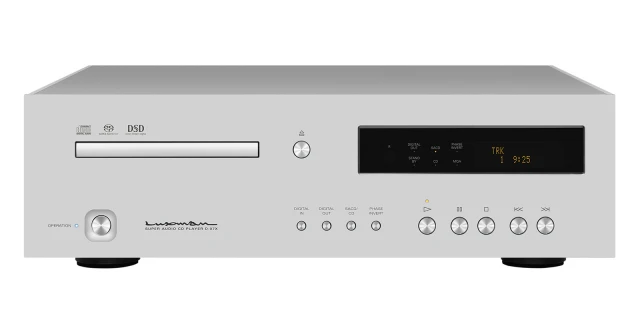
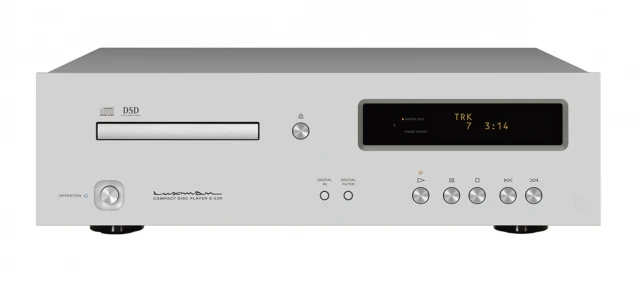
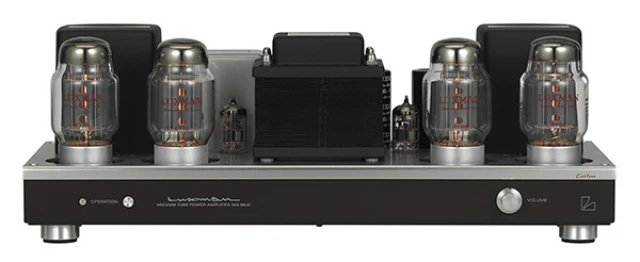
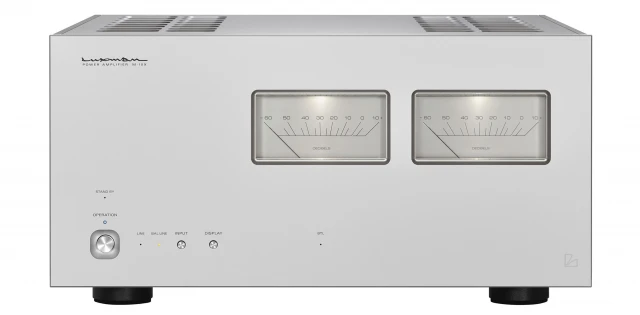
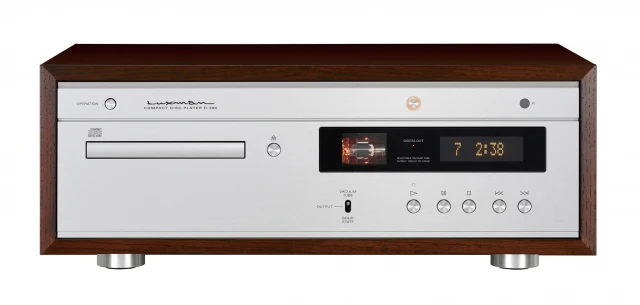
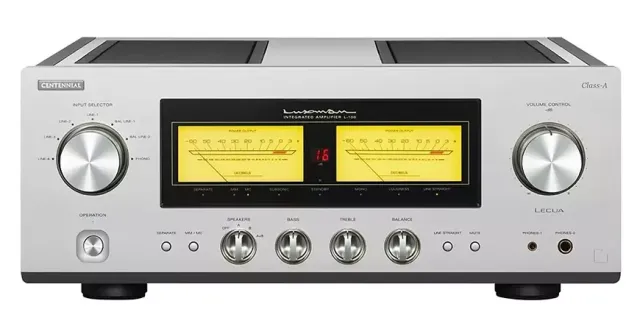
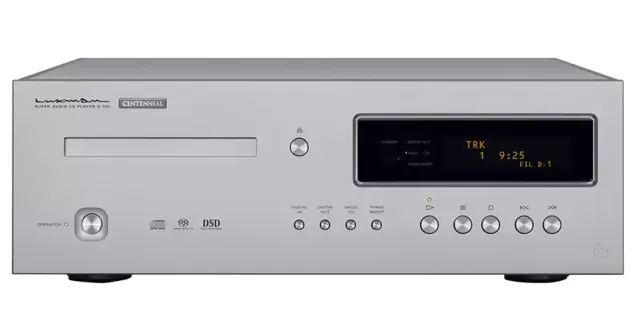
Luxman covers integrated, control, power and vacuum-tube amplifiers, digital and analogue players, USB DACs, headphone and phono amplifiers, plus cables. The integrated range runs up to the L-509Z, rated 120 W into 8 ohms and 220 W into 4 ohms from quadruple-paralleled Darlington output stages and listed at USD 12,495, with the L-507Z below it at 110 W into 8 ohms. Recent launches include the B-100, D-100 and L-100 Centennial models, the D-03R player and the E-07 phono stage. Two in-house ideas recur across the amplifiers. ODNF (Only Distortion Negative Feedback) applies feedback only to the distortion component of the signal, and the LECUA attenuator sets volume electronically in 88 discrete steps on the L-507Z. The L-509Z adds the LIFES1.0 feedback engine in both its preamp and power sections and the newer LECUA-EX attenuator.
Who owns it and where it's made
After decades as an independent firm, Luxman was bought by Alpine Electronics in 1984 and sold again in 1994. It now belongs to International Audio Group (IAG), with Kazuyuki Doi as president. Design and production take place in Yokohama, Japan, and the company has long been known for making its own transformers and switches.
The lineup in this catalog
Amplifiers and disc players in several categories, with the least expensive electronics near USD 3,000 and the top separates well above USD 30,000.
Who it's for
Buyers who want Japanese-made amplification with a long company history and a choice between transistor and tube designs. Most buyers come to Luxman through an integrated amplifier such as the L-507Z and move on to the L-509Z or the separate control and power amplifiers. Players and phono stages from the same catalog let a whole system come from one maker.
- All
- CD / SACD players and transports
- Power amplifiers stereo
- Integrated amplifiers
- Preamplifiers
- Headphones amplifiers
- Turntables
- DACs
- Phonostages
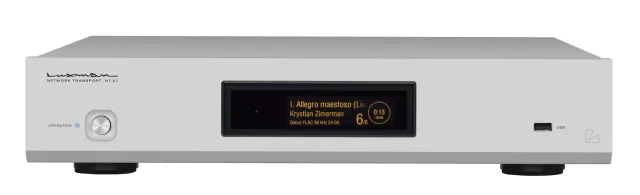
- Streamers
- Power amplifiers mono