

Sources
The Sources section covers the components that supply the music signal to an amplifier, whether from a disc, a file library or an online service. Most digital sources here handle at least 16-bit, 44.1 kHz audio, and many go far beyond it. Choose the source type that fits how you listen, then follow the links to its subcategory for specifications and buying advice.
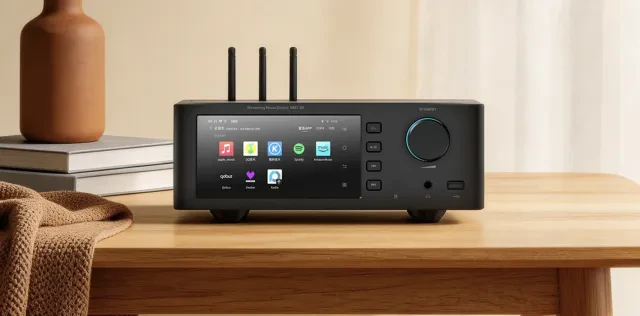
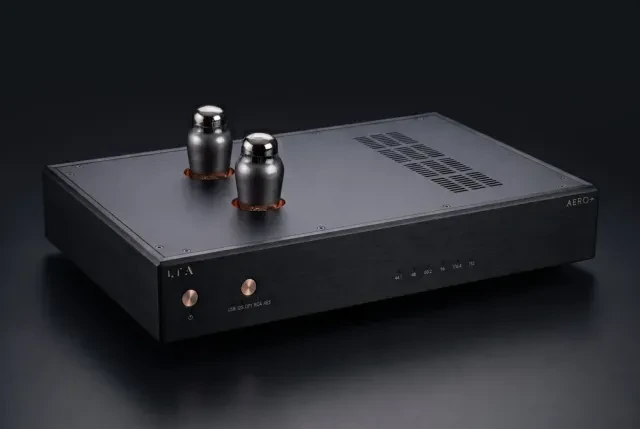
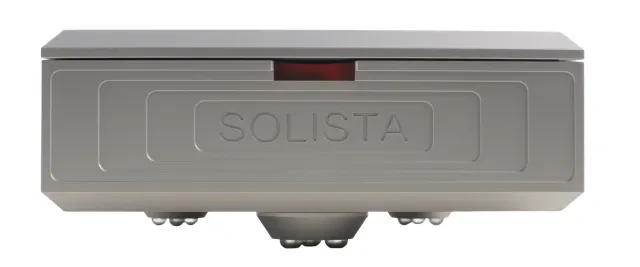
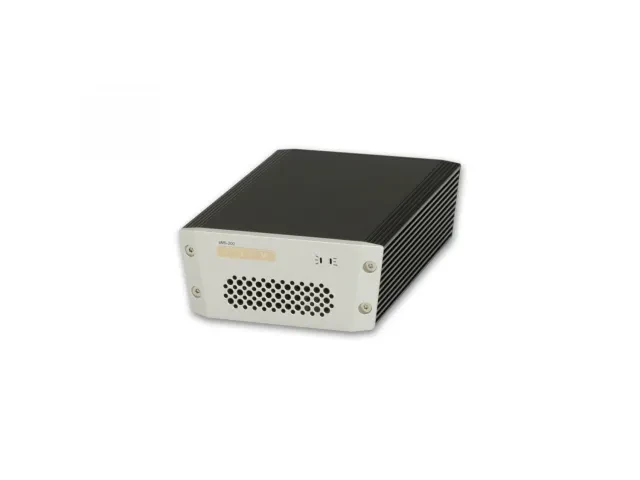
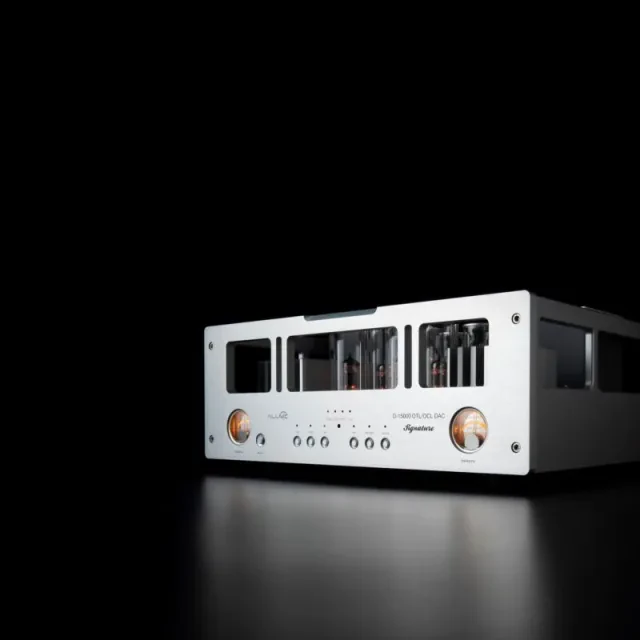
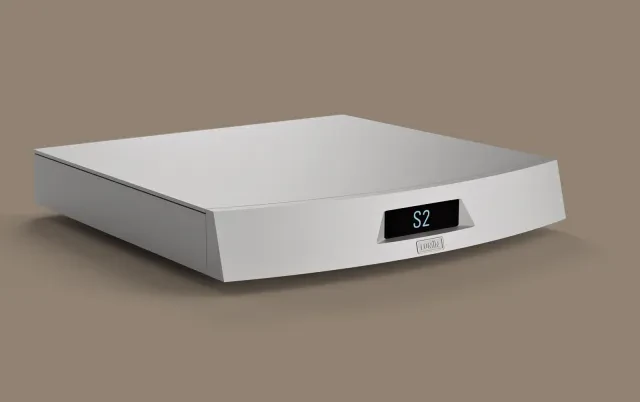
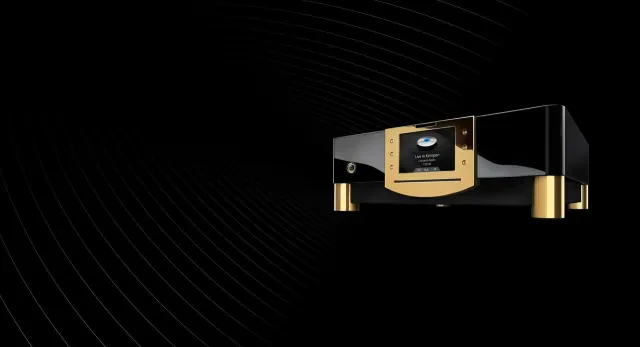
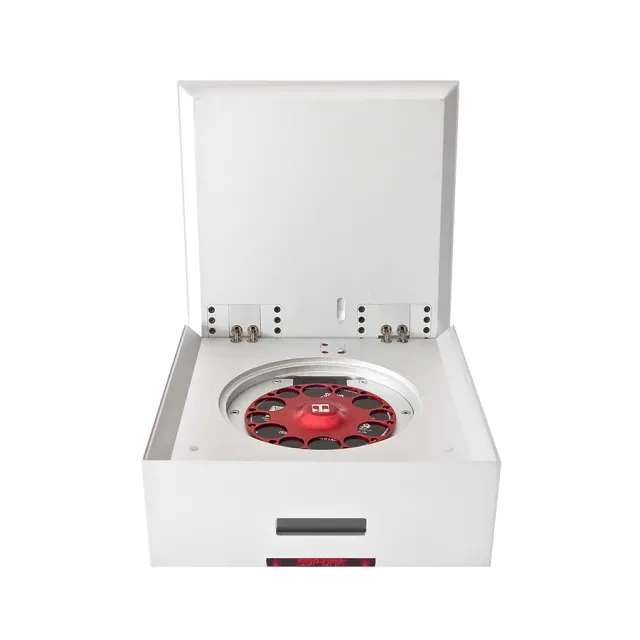
Types of digital sources
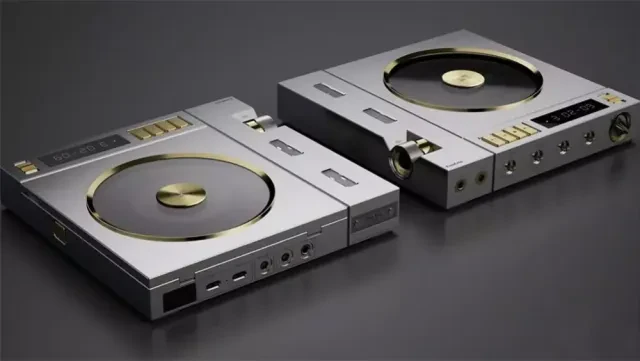
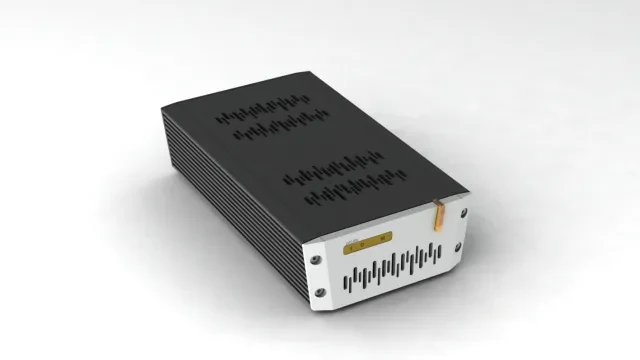
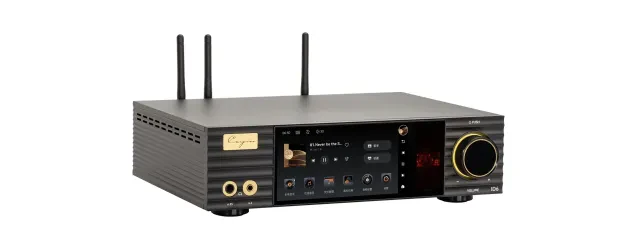
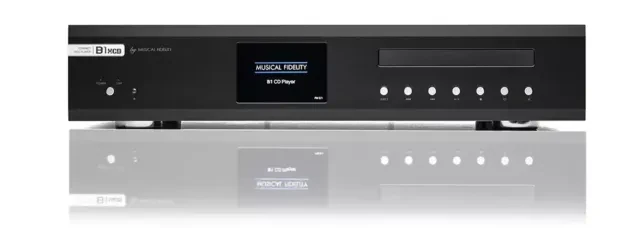
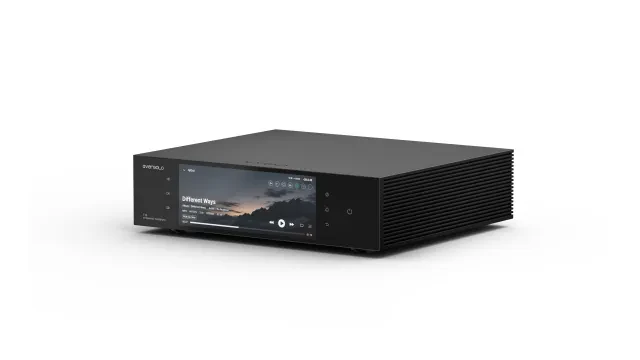
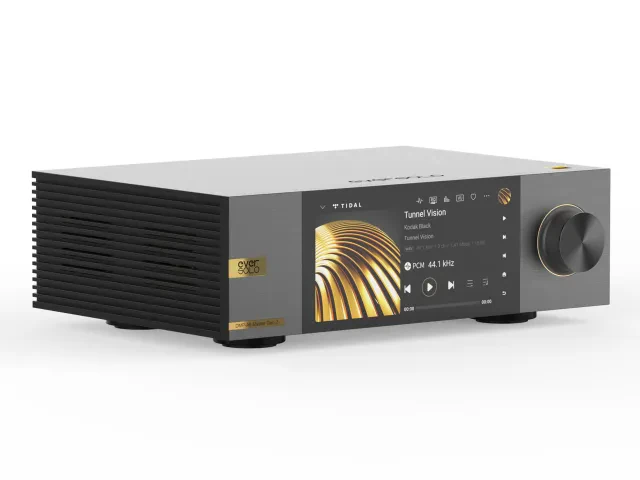
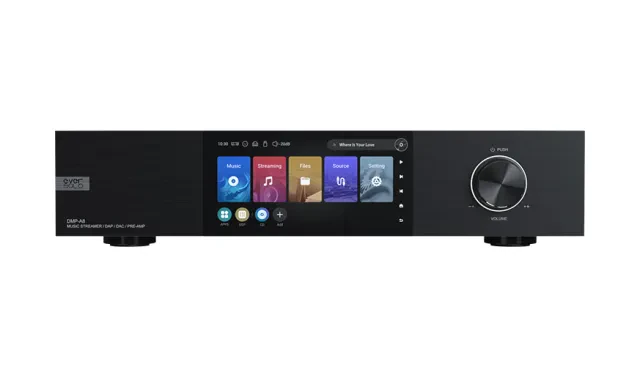
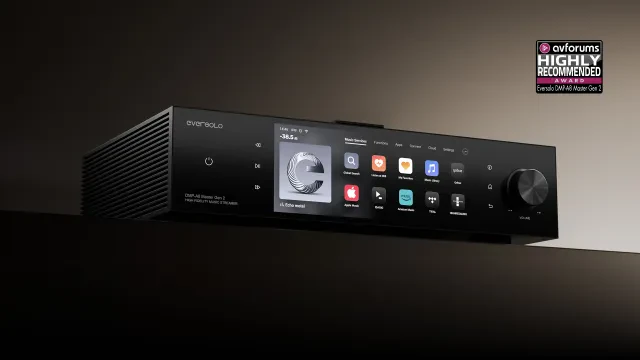
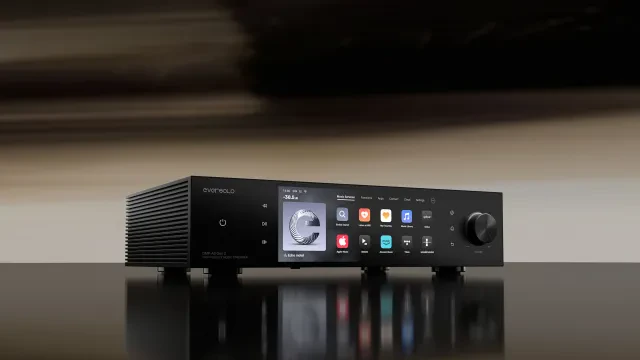
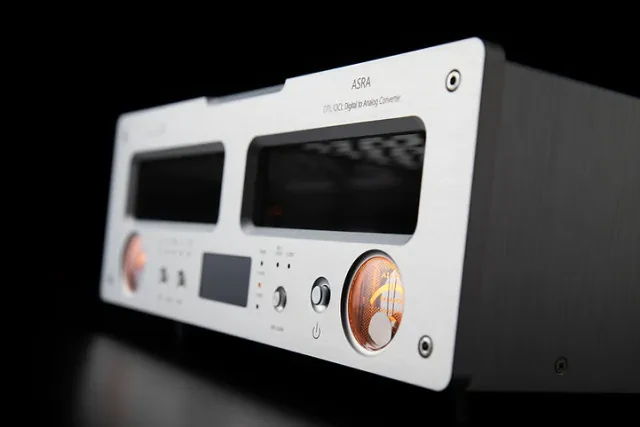
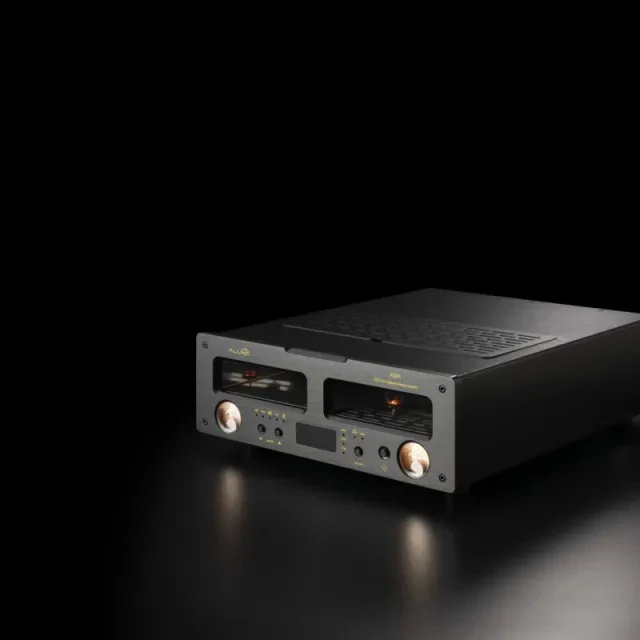
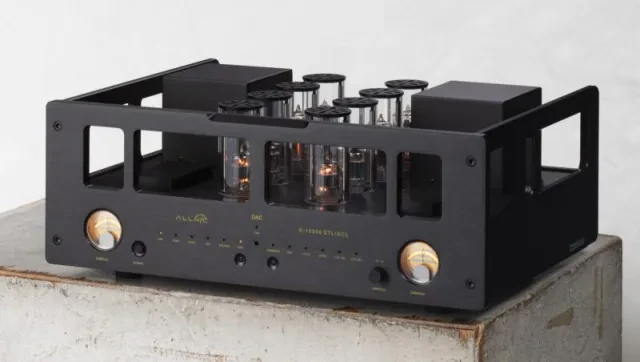
CD / SACD players and transports read optical discs. A player includes its own converter, whereas a transport sends a digital stream to an external converter, and the SACD layer adds DSD playback at 2.8224 MHz. DACs are standalone converters that accept digital signals over USB, coaxial, optical or network inputs and output analogue, so one unit can serve a disc transport, a computer and a television at once. Streamers play files from a home network and online services, some with a built-in DAC and some as digital-only network transports. PC & Servers store the library itself and run cataloguing software, from fanless compact boxes to multi-bay units with several terabytes of storage. Vinyl gear has its own section.
How to choose a source
Start with where your music lives. A disc collection points to a player or transport, a file library to a server plus streamer, and streaming services to a network player. Then decide where conversion happens, inside each source or in a single DAC shared by several. Check the outputs your amplifier accepts and whether you control playback from an app or a remote. The subcategory pages explain the formats, inputs and clocks to compare.
Brands & related reading
Some makers build a complete digital range of players, converters and streamers, while others specialise in one product such as converters or server software appliances. Names like Marantz, Chord Electronics or Bluesound serve here only as examples of these approaches. Readers who want background on formats, file types and network setup will find it among the editorial guides.