

Headphones - Hifiverse audio equipment catalog
Headphones put the drivers right at the ear, so the choice comes down to driver type, earcup design and how hard they are to drive. This subcategory covers wired over-ear and on-ear models for home listening, from dynamic designs to planar-magnetic and electrostatic types. Electrostatic headphones need a dedicated energizer, which is listed with headphones amplifiers.

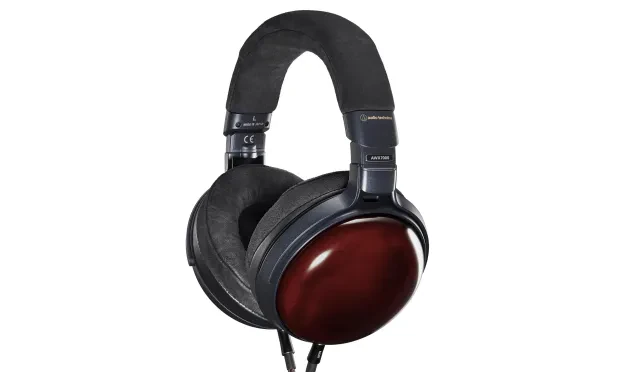


How to choose headphones
Decide between open-back and closed-back first. Open-back cups let sound pass both ways and suit quiet rooms at home, while closed-back cups isolate the listener and keep sound in for offices or shared spaces. Next, pick the driver type. Dynamic drivers use a voice coil and cone and are easy to drive, planar-magnetic models spread a thin film across a magnet array and tend to weigh 400 to 550 g, and electrostatic designs move a charged film between two stators. Then check what will drive them. A phone or laptop handles low-impedance, high-sensitivity models, while 300-ohm dynamic models and many planars need a headphone amplifier. Finally, consider comfort and service, including clamping force, pad material and whether the cable is detachable.
Key specs that matter
Impedance ranges from about 16 to 600 ohms, and high values need more voltage. Sensitivity typically falls between 85 and 110 dB per mW, with low figures asking for more power. Weight runs from roughly 200 g for light dynamic models to over 500 g for many planars. Cable connectors vary between 3.5 mm, 6.35 mm and balanced 4.4 mm or 4-pin XLR plugs.
Price ranges & what you get
Headphones priced below USD 300 are dynamic models with plastic frames and fixed or simple detachable cables. Between USD 300 and 1,500, expect planar-magnetic options, metal headbands, replaceable pads and balanced cables. Above USD 1,500, flagship dynamic models, large planars and electrostatic systems use machined metal or wooden cups.
Related - headphones amplifiers & reading
Headphones amplifiers covers amps and energizers for demanding models, and DACs listed under sources feed them from a computer. Our headphones articles explain impedance, sensitivity and balanced connections.