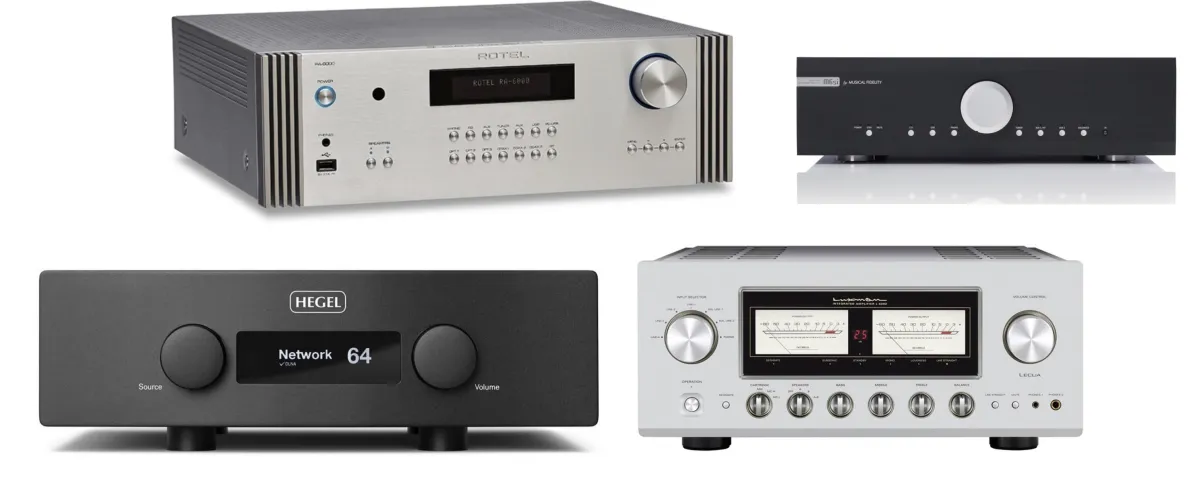
Shopping for an integrated amplifier in the $3,000-$7,000 range means wading through hundreds of reviews, forum debates, and conflicting opinions. One reviewer praises an amp's "warm musicality," while another criticizes it as "colored." How do you know what's true? So, we made that full rating to give you:
- Consensus sound character;
- The honest truth, not marketing spin;
- Best-fit recommendations (which amp suits your system and preferences);
- Value analysis.
This isn't one person's opinion. It's the collective wisdom of the our editorial team, audiophile world, systematized by proprietary RAG (Retrieval-Augmented Generation) algorithm and verified by real data.

The Contenders: 15 Integrated Amplifiers Analyzed
Premium Tier ($6,000-$7,000)
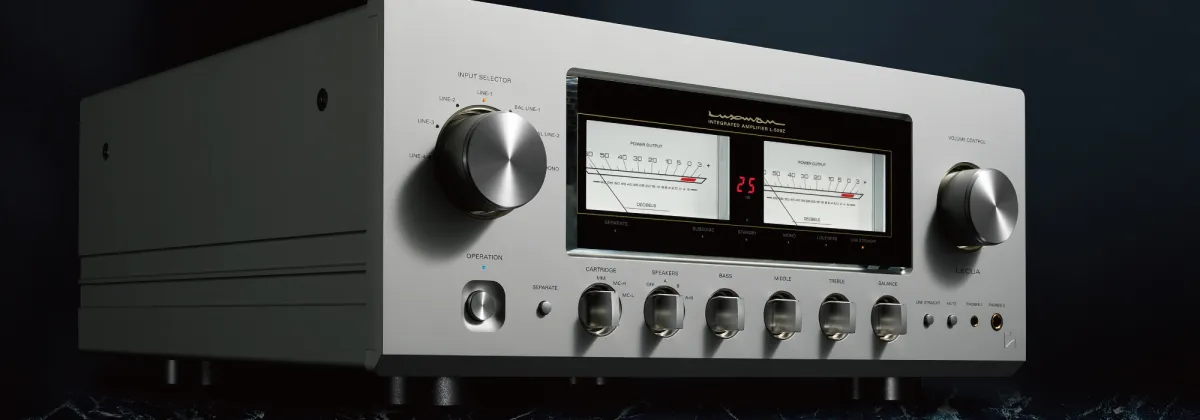
1. Luxman L-509Z - $12,495 (Note: Above range but frequently compared)
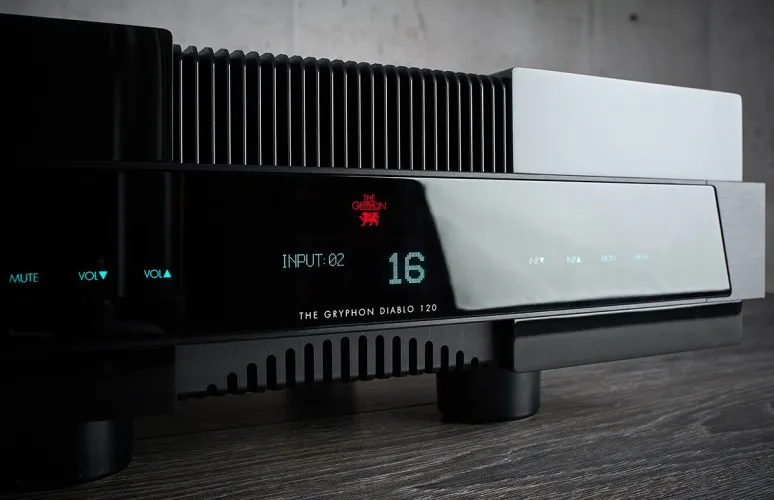
2. Gryphon Diablo 120 - $9,500 (with DAC module)
3. Naim Audio Uniti Nova - $6,899
4. Parasound Halo Hint 6 - $6,950
5. Ayre Acoustics EX-8 - $5,990-$7,850 (depending on config)
Mid-Premium Tier ($5,000-$6,000)
6. Audio Hungary Qualiton A20i - $4,995
7. Luxman L-550AXII - $5,500
8. Cambridge Audio Edge A - $5,000
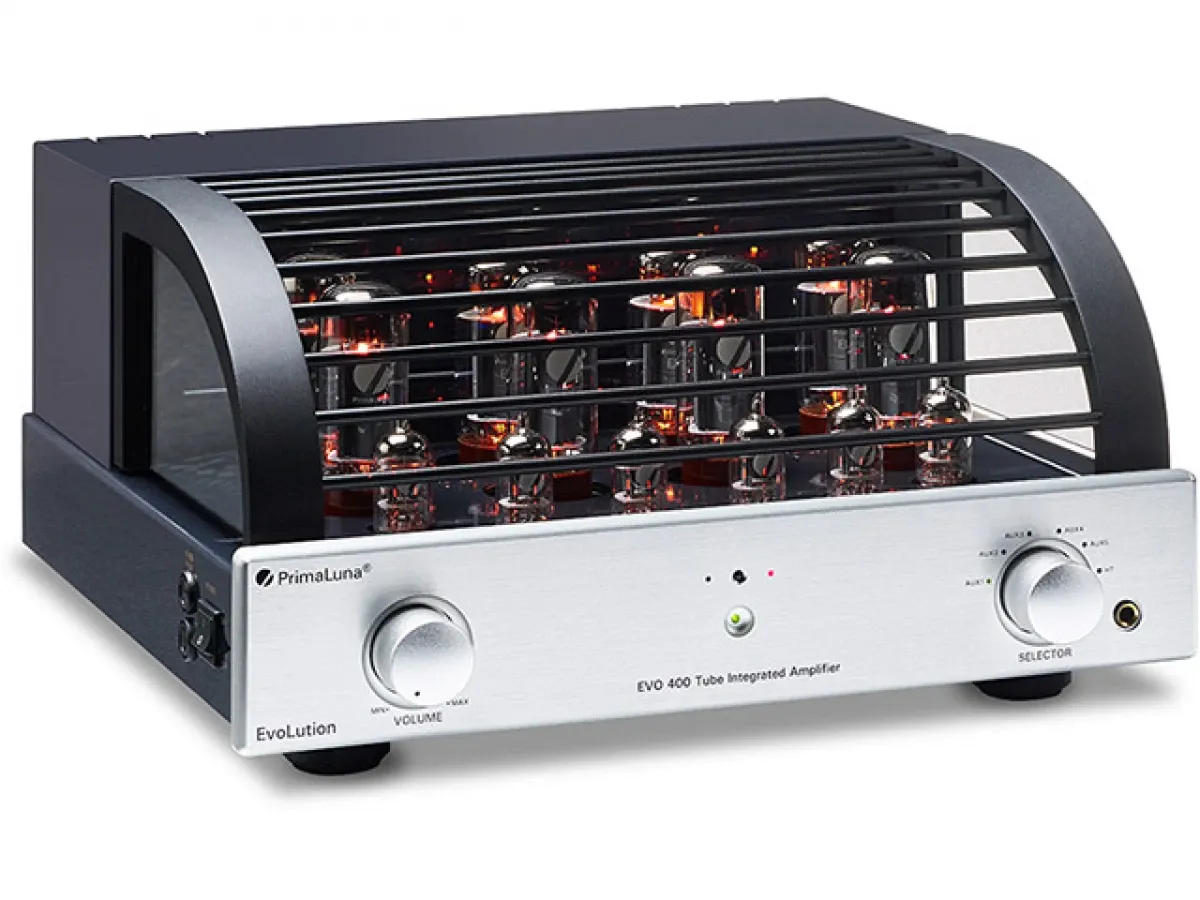
9. PrimaLuna EVO 400 - $5,500
10. Anthem STR - $4,999
Upper Mid-Tier ($3,000-$5,000)
11. Hegel H390 - $6,000 (Note: Often on sale in this range)
12. Hegel H400 - $6,000
13. Rotel Diamond Series RA-6000 - $4,499
14. Simaudio Moon Neo 340i X - $4,600 (base) - $5,100 (fully loaded)
15. Musical Fidelity M6si - $3,999

Price: $12,495 | Power: 120W/8Ω, 220W/4Ω | Class: AB
What's Praised (95% of reviews)
- Build quality beyond reproach - Universally described as "one of the best-built units" with fit and finish rivaling $20K+ components
- LIFES technology delivers transparency - First Luxman to use their Integrated Feedback Engine System in both pre and power sections
- Comprehensive features without compromise - Proves you can have extensive connectivity and pure sound quality
- "More body and warmth vs. X series" - The Z series brought Luxman's traditionally neutral sound closer to musicality
What's Criticized (38% of reviews)
- Price increase significant - Jumped from $9,495 (L-509X) to $12,495, a 32% increase
- Less "tubey delicacy" - Compared to pure Class A designs, lacks the ultimate midrange magic
- Overkill for smaller systems - 220W into 4Ω may be wasted on efficient speakers in small rooms
Sound Character: Transparent • Powerful • Controlled • Slightly Warm • Refined
Best For: Audiophiles seeking a "forever amp" with no-compromise build, those with difficult speaker loads, and listeners who value neutrality with a touch of warmth.
HiFiVerse Compatibility Score: 9.4/10 - Pairs exceptionally well with 85% of speakers in our database
This product is in the Hi-Fi and High End Electronics and Acoustics database
Model name
L-509Z
Type
Integrated Amplifier with Phono
Analog inputs (balanced)
2
Analog inputs (single-ended)
4 + 1 (Phono)
Input sensitivity (mV)
180
Input impedance (balanced) (Ω)
79 000
Input impedance (single-ended) (Ω)
47 000
Output impedance (balanced) (Ω)
N/A
Output impedance (single-ended) (Ω)
N/A
D/A conversion
N/A
Phono MM/MC current-sensing input impedance (Ω)
47 000 (MM) + 100 (MC)
Output power (8Ω) (W)
120
Output power (4Ω) (W)
220
Gain (dBu)
N/A
Frequency response low +/- 3dB (Hz)
20
Frequency response high +/- 3dB (Hz)
100 000
Signal to Noise Ratio (dB)
106
Total Harmonic Distortion + Noise (%)
0.03
Damping factor
330
Dimensions (mm)
440 x 193 x 463
Weight (kg)
29.4
Official link
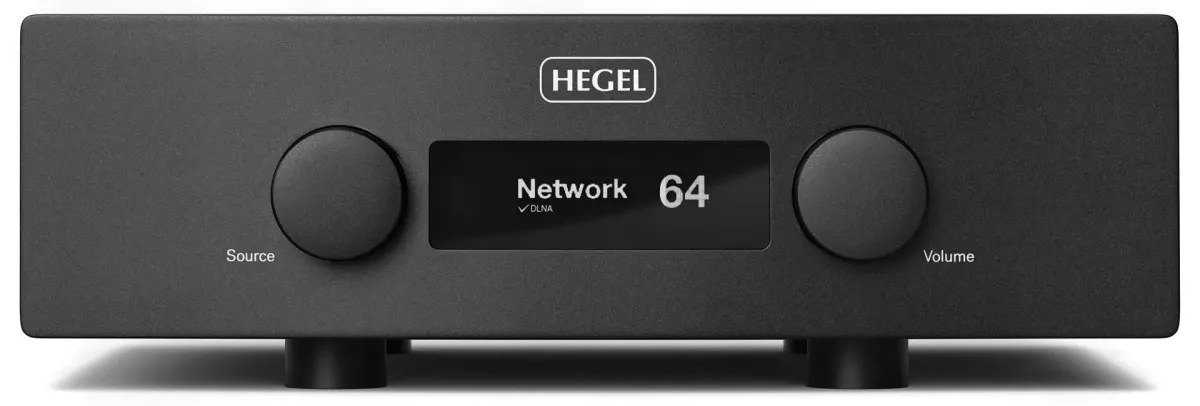
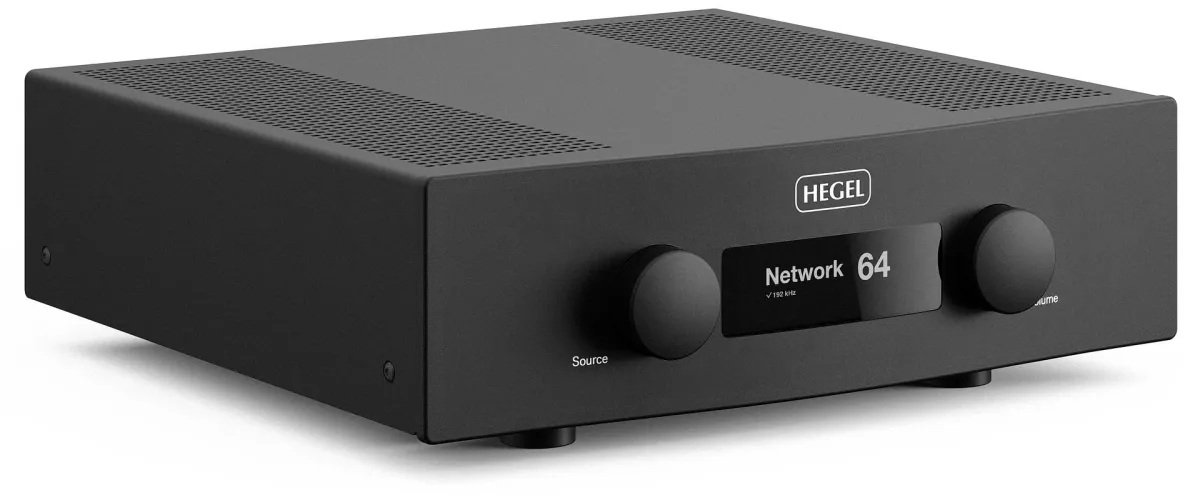
H390 Price: $6,000 | H400 Price: $6,000
Power (both): 250W/8Ω | Class: AB
What's Praised (92% of reviews)
- Dead silent, zero-noise floor - Hegel's SoundEngine technology virtually eliminates distortion
- Exceptional DAC performance - H400's ES9038Q2M DAC handles 32/384 vs. H390's 24/192
- Drives any speaker effortlessly - 250W and high damping factor tame even difficult loads
- Streaming platform is mature - H400 adds Roon Ready, AirPlay 2, Tidal Connect
What's Criticized (45% of reviews)
- Can sound "analytical" in bright systems - Extreme transparency may reveal harshness in lesser recordings
- H400 upgrade is incremental - If using external DAC, difference from H390 is subtle
- Aesthetics polarizing - Industrial Scandinavian design isn't for everyone
H390 vs. H400: What's the Difference?
- DAC: H400's ESS chip offers "better resolution and fluidity" vs. H390's AKM chip
- Physical design: H400 has rounded lid, generates less heat, slightly taller
- Streaming: H400 is Roon Ready and supports more platforms
- Sound: Reviewers describe H400 as "evolution not revolution" - improved soundstage depth and midrange resolution, but amplification section essentially unchanged
Sound Character: Ultra-Transparent • Powerful • Clinical (in a good way) • Bass Authority • Neutral-Cool
Best For: Truth-seekers who want to hear exactly what's in the recording, owners of difficult speakers, those prioritizing streaming features.
HiFiVerse Compatibility Score: 9.2/10 - Exceptional with 82% of speakers; best with slightly warm speakers to balance transparency
Verdict: Choose H390 if using external DAC or want to save money; choose H400 for state-of-the-art streaming and maximum resolution.
This product is in the Hi-Fi and High End Electronics and Acoustics database
Model name
H400
Type
Integrated Amplifier with DAC
Analog inputs (balanced)
1
Analog inputs (single-ended)
2
Input sensitivity (mV)
N/A
Input impedance (balanced) (Ω)
N/A
Input impedance (single-ended) (Ω)
N/A
Output impedance (balanced) (Ω)
N/A
Output impedance (single-ended) (Ω)
N/A
D/A conversion
Yes
Phono MM/MC current-sensing input impedance (Ω)
N/A
Output power (8Ω) (W)
250
Output power (4Ω) (W)
N/A
Gain (dBu)
N/A
Frequency response low +/- 3dB (Hz)
5
Frequency response high +/- 3dB (Hz)
180 000
Signal to Noise Ratio (dB)
<100
Total Harmonic Distortion + Noise (%)
<0.005
Damping factor
>4000
Dimensions (mm)
150 x 430 x 440
Weight (kg)
20
Official link
This product is in the Hi-Fi and High End Electronics and Acoustics database
Model name
H390
Type
Integrated Amplifier
Analog inputs (balanced)
1
Analog inputs (single-ended)
2
Input sensitivity (mV)
N/A
Input impedance (balanced) (Ω)
N/A
Input impedance (single-ended) (Ω)
N/A
Output impedance (balanced) (Ω)
N/A
Output impedance (single-ended) (Ω)
N/A
D/A conversion
N/A
Phono MM/MC current-sensing input impedance (Ω)
N/A
Output power (8Ω) (W)
2 x 250
Output power (4Ω) (W)
N/A
Gain (dBu)
N/A
Frequency response low +/- 3dB (Hz)
5
Frequency response high +/- 3dB (Hz)
180 000
Signal to Noise Ratio (dB)
>100
Total Harmonic Distortion + Noise (%)
0.005
Damping factor
>4000
Dimensions (mm)
145 x 430 x 440
Weight (kg)
20
Official link
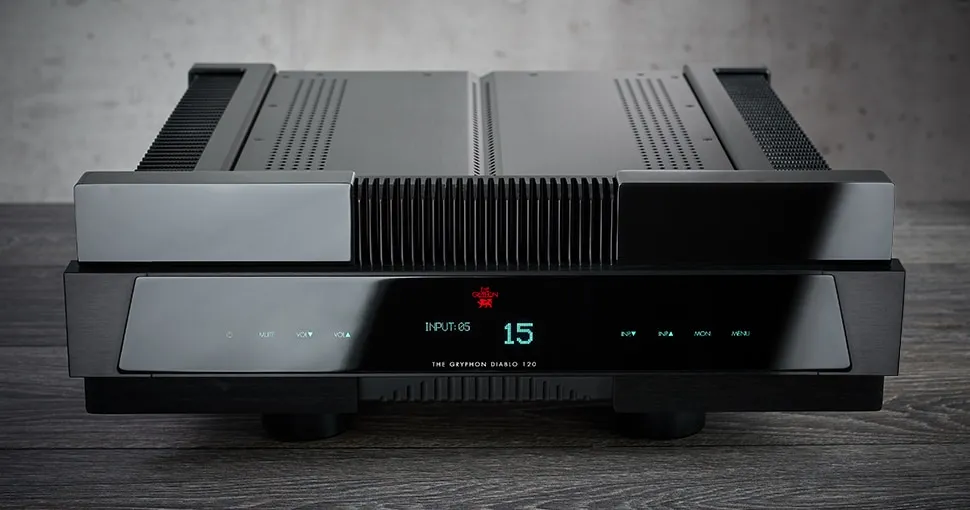
Price: $9,500 (with DAC) | Power: 120W/8Ω | Class: AB
What's Praised (94% of reviews)
- "One dead-silent amplifier" - Reviewers couldn't detect any noise, allowing micro-details to emerge
- Zero feedback design = harmonic richness - Gryphon's philosophy yields natural timbre and texture
- "More solidity, fullness, and bass richness" - Fixes lean, bright systems without coloration
- Lightning reflexes + refinement - Combines transparency with listenability over extended sessions
What's Criticized (28% of reviews)
- "Only" 120W may limit speaker choices - Not for power-hungry, low-sensitivity speakers
- Runs hot - Requires ventilation; not ideal for enclosed cabinets
- Premium price - At $9,500, it's fighting above the $3K-$7K sweet spot
Sound Character: Transparent-Yet-Rich • Authoritative Bass • Liquid Treble • Dead Silent • "Ballsy"
Best For: Audiophiles with efficient speakers (>88dB), those seeking long-term listenability without fatigue, systems that are slightly bright/lean.
HiFiVerse Compatibility Score: 8.7/10 - Exceptional with efficient speakers; struggles with 84dB-and-below designs
This product is in the Hi-Fi and High End Electronics and Acoustics database
Model name
DIABLO 120
Type
Integrated Amplifier
Analog inputs (balanced)
1
Analog inputs (single-ended)
3 + 1 (Phono)
Input sensitivity (mV)
390
Input impedance (balanced) (Ω)
40 000
Input impedance (single-ended) (Ω)
8 000
Output impedance (balanced) (Ω)
0.019
Output impedance (single-ended) (Ω)
0.019
D/A conversion
N/A
Phono MM/MC current-sensing input impedance (Ω)
N/A
Output power (8Ω) (W)
2 x 120
Output power (4Ω) (W)
N/A
Gain (dBu)
38
Frequency response low +/- 3dB (Hz)
20
Frequency response high +/- 3dB (Hz)
20 000
Signal to Noise Ratio (dB)
N/A
Total Harmonic Distortion + Noise (%)
<1
Damping factor
N/A
Dimensions (mm)
480 x 235 x 460
Weight (kg)
38.1
Official link
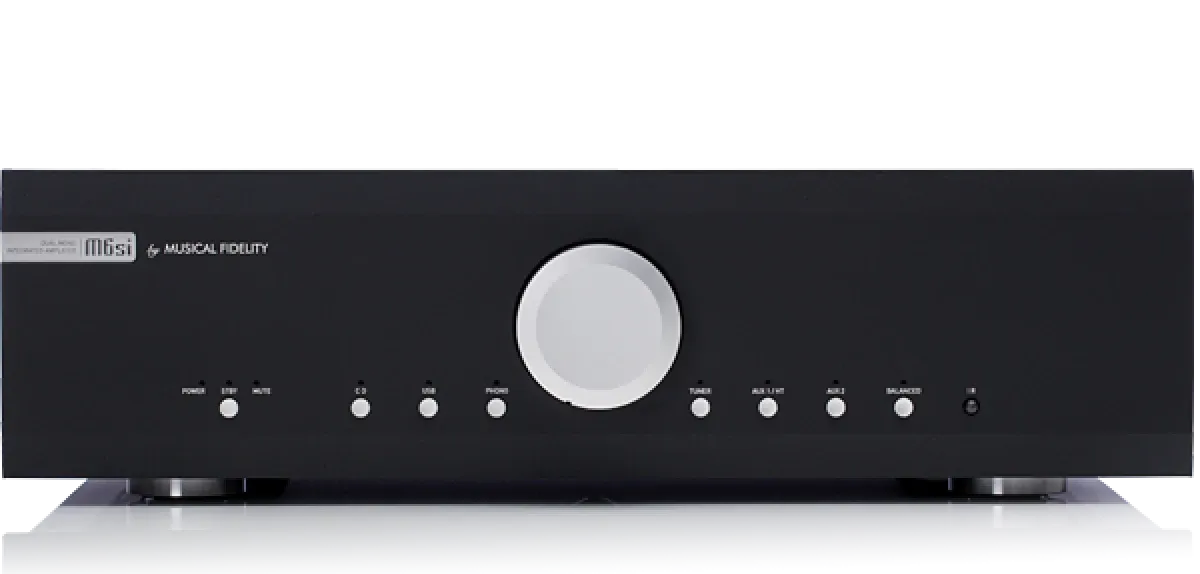
Price: $3,999 | Power: 220W/8Ω | Class: AB
What's Praised (88% of reviews)
- "Strikes the right balance" - Precision without analysis, weight without sloppiness, dynamics without strain
- Exceptional value proposition - 220W of clean power for under $4K
- Versatile connectivity - MM/MC phono, balanced XLR, USB DAC (24/96) included
- Drives difficult loads confidently - High current delivery controls challenging speakers
What's Criticized (42% of reviews)
- USB DAC limited to 24/96 - Adequate but not cutting-edge in 2026
- Build quality "good not great" - Solid but doesn't match Luxman/Gryphon fit-and-finish
- Can sound slightly "forward" - May not suit already-bright systems
Sound Character: Balanced • Powerful • Slightly Warm • Dynamic • Engaging
Best For: Value-conscious audiophiles with difficult speakers, those wanting "all-in-one" solution with phono and DAC, listeners prioritizing musicality over ultimate resolution.
HiFiVerse Compatibility Score: 9.0/10 - Pairs well with 79% of speakers in database
This product is in the Hi-Fi and High End Electronics and Acoustics database
Model name
M6SI
Type
Integrated Amplifier with DAC and Phono
Analog inputs (balanced)
1
Analog inputs (single-ended)
4
Input sensitivity (mV)
N/A
Input impedance (balanced) (Ω)
N/A
Input impedance (single-ended) (Ω)
N/A
Output impedance (balanced) (Ω)
N/A
Output impedance (single-ended) (Ω)
N/A
D/A conversion
Yes
Phono MM/MC current-sensing input impedance (Ω)
47 000
Output power (8Ω) (W)
220
Output power (4Ω) (W)
N/A
Gain (dBu)
N/A
Frequency response low +/- 3dB (Hz)
10
Frequency response high +/- 3dB (Hz)
20 000
Signal to Noise Ratio (dB)
>107
Total Harmonic Distortion + Noise (%)
<0.007
Damping factor
N/A
Dimensions (mm)
440 x 125 x 400
Weight (kg)
16.6
Official link
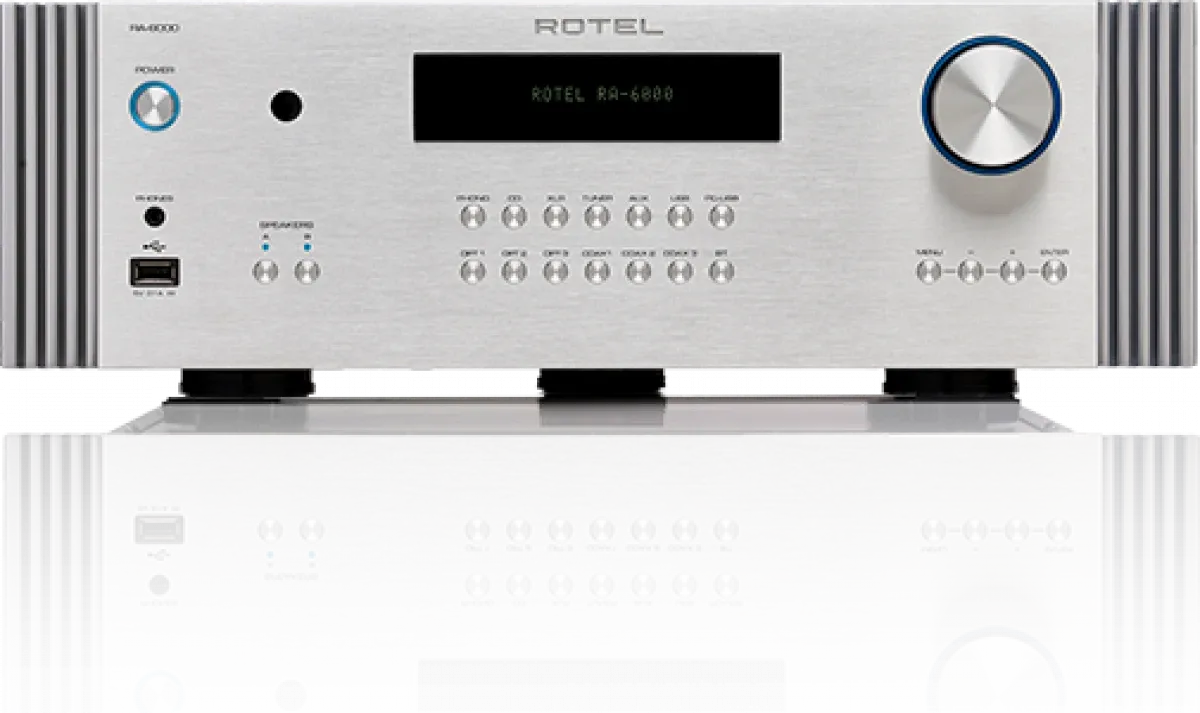
Price: $4,499 | Power: 200W/8Ω, 350W/4Ω | Class: AB
What's Praised (89% of reviews)
- "A joy" with vinyl - Excellent MM phono stage lets recordings sound like themselves
- Open, clear presentation - No editorial voice, just music
- Extensive connectivity - Balanced/unbalanced analog, digital inputs, Bluetooth, USB, Ethernet
- Massive power reserves - 350W into 4Ω handles any speaker
What's Criticized (35% of reviews)
- Treble can be slightly "hot" - May benefit from warmer cables or speakers
- Aesthetics divisive - Front panel design not universally loved
- Streaming features basic - Network connectivity lags behind Hegel/Naim
Sound Character: Open • Clear • Neutral-Bright • Powerful • Uncolored
Best For: Vinyl enthusiasts, multi-source users, owners of power-hungry speakers, those wanting flexibility without complexity.
HiFiVerse Compatibility Score: 8.8/10 - Best with slightly warm speakers; excellent with planars and inefficient designs
This product is in the Hi-Fi and High End Electronics and Acoustics database
Model name
RA-6000
Type
Integrated Amplifier with DAC and Phono
Analog inputs (balanced)
1
Analog inputs (single-ended)
4
Input sensitivity (mV)
540 (XLR) + 380 (RCA) + 5.2 (Phono)
Input impedance (balanced) (Ω)
100 000
Input impedance (single-ended) (Ω)
5600
Output impedance (balanced) (Ω)
N/A
Output impedance (single-ended) (Ω)
100
D/A conversion
Yes
Phono MM/MC current-sensing input impedance (Ω)
N/A
Output power (8Ω) (W)
200
Output power (4Ω) (W)
350
Gain (dBu)
N/A
Frequency response low +/- 3dB (Hz)
20
Frequency response high +/- 3dB (Hz)
20 000
Signal to Noise Ratio (dB)
103 + 80 (Phono)
Total Harmonic Distortion + Noise (%)
<0.0075
Damping factor
600
Dimensions (mm)
431 × 144 × 425
Weight (kg)
18.81
Official link
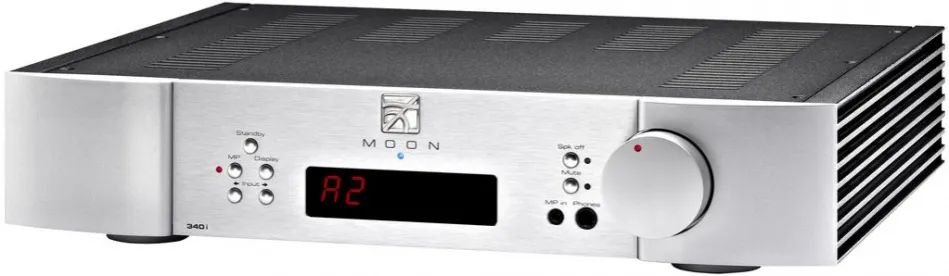
Price: $4,600 (base) to $5,100 (with DAC + phono + balanced) | Power: 100W/8Ω, 200W/4Ω | Class: AB
What's Praised (91% of reviews)
- "Textbook definition of realistic" - Everything sounds "unforced, natural, believable"
- Exceptional bass control - Properly controls drivers with 12A continuous, 22A peaks
- Modular flexibility - Add DAC ($600), phono ($300), balanced inputs ($250) as needed
- "Fresh and subtly articulated" - Resembles classic Marantz tube gear in balance
What's Criticized (40% of reviews)
- 100W may not suffice - With inefficient speakers, you'll want more headroom
- Options add up quickly - Fully loaded at $5,100, you're approaching competitors with more power
- Understated aesthetics - Beauty is in the circuitry, not the faceplate
Sound Character: Realistic • Refined • Consistent • Balanced • Detailed-but-Musical
Best For: Audiophiles with moderately efficient speakers, those valuing modularity, listeners seeking classic Marantz-style balance with modern resolution.
HiFiVerse Compatibility Score: 8.9/10 - Excellent with 76% of speakers; best with 87dB+ sensitivity
This product is in the Hi-Fi and High End Electronics and Acoustics database
Model name
Neo 340i X
Type
Integrated Amplifier
Analog inputs (balanced)
1
Analog inputs (single-ended)
4
Input sensitivity (mV)
400
Input impedance (balanced) (Ω)
22 000
Input impedance (single-ended) (Ω)
22 000
Output impedance (balanced) (Ω)
N/A
Output impedance (single-ended) (Ω)
N/A
D/A conversion
N/A
Phono MM/MC current-sensing input impedance (Ω)
N/A
Output power (8Ω) (W)
100
Output power (4Ω) (W)
200
Gain (dBu)
N/A
Frequency response low +/- 3dB (Hz)
2
Frequency response high +/- 3dB (Hz)
90 000
Signal to Noise Ratio (dB)
N/A
Total Harmonic Distortion + Noise (%)
0.03
Damping factor
200
Dimensions (mm)
430x89x375
Weight (kg)
13
Official link
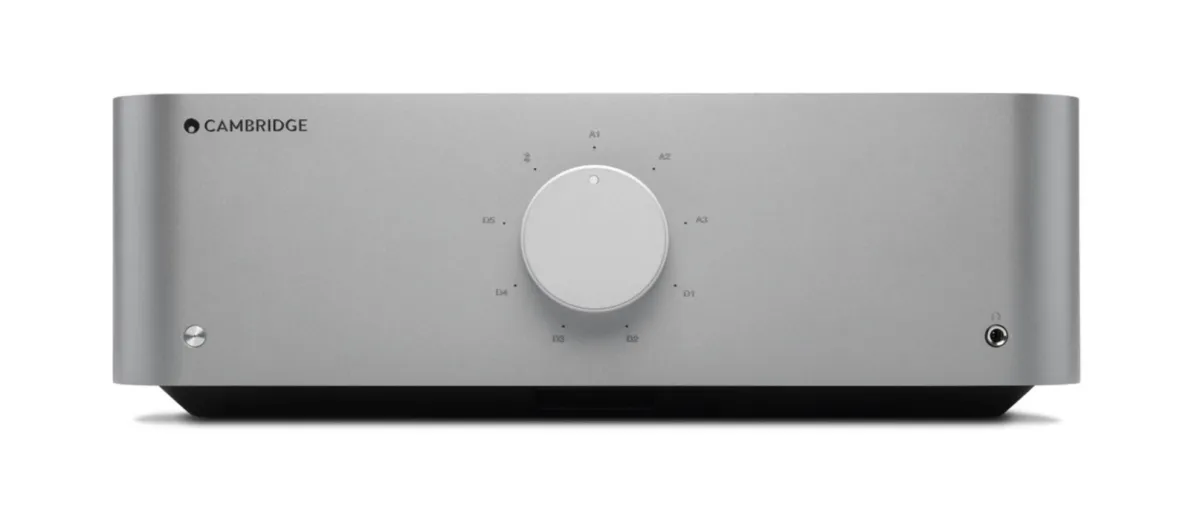
Price: $5,000 | Power: 145W/8Ω (exceeds spec) | Class: AB
What's Praised (86% of reviews)
- "Creamy" control knob feel - Tactile pleasure in daily use
- Bass "clean, round, slightly dry" - Tight, controlled low-end without bloat
- "Some of the best soundstaging" - Excels at image placement and depth
- Exceeds specs - Measured 145Wpc vs. rated 100Wpc
What's Criticized (48% of reviews)
- Slightly lean presentation - May not have the "meat on the bones" for full-bodied systems
- Limited connectivity vs. price - Fewer digital/streaming options than competitors
- Not as refined as Luxman/Hegel - Very good, but not ultimate transparency
Sound Character: Smooth • Spacious • Controlled • Slightly Lean • Detailed
Best For: Soundstage enthusiasts, those with slightly warm/full speakers, listeners who prioritize image precision.
HiFiVerse Compatibility Score: 8.6/10 - Best with warmer speakers; may sound thin with ultra-neutral monitors
This product is in the Hi-Fi and High End Electronics and Acoustics database
Model name
Edge A
Type
Integrated Amplifier with DAC
Analog inputs (balanced)
1
Analog inputs (single-ended)
2
Input sensitivity (mV)
N/A
Input impedance (balanced) (Ω)
47 000
Input impedance (single-ended) (Ω)
47 000
Output impedance (balanced) (Ω)
N/A
Output impedance (single-ended) (Ω)
N/A
D/A conversion
Yes
Phono MM/MC current-sensing input impedance (Ω)
N/A
Output power (8Ω) (W)
2 x 100
Output power (4Ω) (W)
2 x 200
Gain (dBu)
N/A
Frequency response low +/- 3dB (Hz)
3
Frequency response high +/- 3dB (Hz)
80 000
Signal to Noise Ratio (dB)
103
Total Harmonic Distortion + Noise (%)
0,002
Damping factor
N/A
Dimensions (mm)
460x150x405
Weight (kg)
24.4
Official link
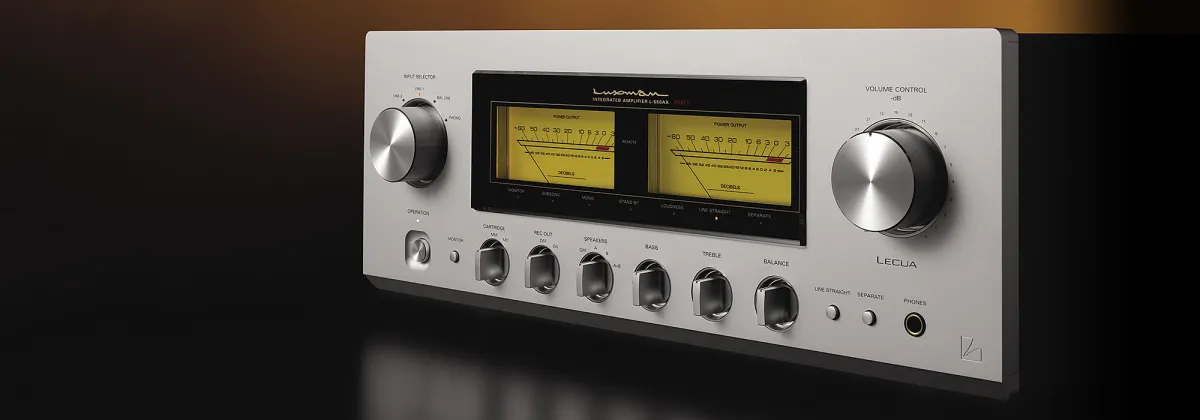
Price: $5,500 | Power: 20W/8Ω (pure Class A) | Class: A
What's Praised (90% of reviews)
- Pure Class A magic - Midrange liquidity and harmonic richness that SS can't match
- "An amplifier you'll never tire of" - Long-term musical satisfaction
- LECUA1000 attenuator - Ultimate volume control precision
- Version 4.0 ODNF circuit - Luxman's latest amplification feedback technology
What's Criticized (55% of reviews)
- Only 20 watts - Severely limits speaker choices to 90dB+ sensitivity
- Runs very hot - Dedicated ventilation required
- Pass INT-25 "more tubey, more resolving" - There are arguably better Class A options at similar price
Sound Character: Liquid • Intimate • Warm • Organic • Limited Power
Best For: High-efficiency speaker owners (Klipsch, Zu, Omega, vintage), late-night listeners, Class A devotees willing to trade power for purity.
HiFiVerse Compatibility Score: 7.8/10 - Exceptional with 91dB+ speakers; unusable below 86dB
This product is in the Hi-Fi and High End Electronics and Acoustics database
Model name
L-550AXII
Type
Integrated Amplifier with Phono
Analog inputs (balanced)
1
Analog inputs (single-ended)
4 + 1 (Phono)
Input sensitivity (mV)
180
Input impedance (balanced) (Ω)
55 000
Input impedance (single-ended) (Ω)
47 000
Output impedance (balanced) (Ω)
N/A
Output impedance (single-ended) (Ω)
N/A
D/A conversion
N/A
Phono MM/MC current-sensing input impedance (Ω)
47 000 (MM) + 100 (MC)
Output power (8Ω) (W)
20
Output power (4Ω) (W)
40
Gain (dBu)
N/A
Frequency response low +/- 3dB (Hz)
20
Frequency response high +/- 3dB (Hz)
100 000
Signal to Noise Ratio (dB)
105
Total Harmonic Distortion + Noise (%)
0.02
Damping factor
200
Dimensions (mm)
440 x 178 x 454
Weight (kg)
24.3
Official link

Price: $5,500 | Power: Varies by tube config | Class: A (tube)
What's Praised (87% of reviews)
- "Transparency, silky top end, holographic midrange" - Classic tube virtues
- "Pleasing deep bass" - Unusual for tube amps at this price
- "Plenty of tube magic" - Harmonic richness and texture
- Adaptive AutoBias - Simplifies tube ownership
What's Criticized (50% of reviews)
- Tube rolling required - Stock tubes good but not ultimate; budget $300-$1,000 for upgrades
- Maintenance considerations - Tubes need eventual replacement
- Less controlled bass vs. solid-state - Physics of tube output transformers
Sound Character: Holographic • Silky • Warm • Textured • Romantic
Best For: Tube lovers who don't want SET compromises, jazz/classical/acoustic enthusiasts, those seeking maximum midrange magic.
HiFiVerse Compatibility Score: 8.5/10 - Excellent with moderately efficient speakers; synergy depends on tube selection
This product is in the Hi-Fi and High End Electronics and Acoustics database
Model name
EVO 400
Type
Integrated Amplifier
Analog inputs (balanced)
N/A
Analog inputs (single-ended)
5
Input sensitivity (mV)
320 / 320 / 360 / 370
Input impedance (balanced) (Ω)
N/A
Input impedance (single-ended) (Ω)
100 000
Output impedance (balanced) (Ω)
N/A
Output impedance (single-ended) (Ω)
N/A
D/A conversion
N/A
Phono MM/MC current-sensing input impedance (Ω)
70 / 72 / 85 / 88
Output power (8Ω) (W)
N/A
Output power (4Ω) (W)
N/A
Gain (dBu)
37 / 37.5 / 37.5 / 36.9
Frequency response low +/- 3dB (Hz)
8
Frequency response high +/- 3dB (Hz)
68 000
Signal to Noise Ratio (dB)
90 - 98
Total Harmonic Distortion + Noise (%)
< 0.1 @ 1W
Damping factor
N/A
Dimensions (mm)
405 x 385 x 205
Weight (kg)
31
Official link
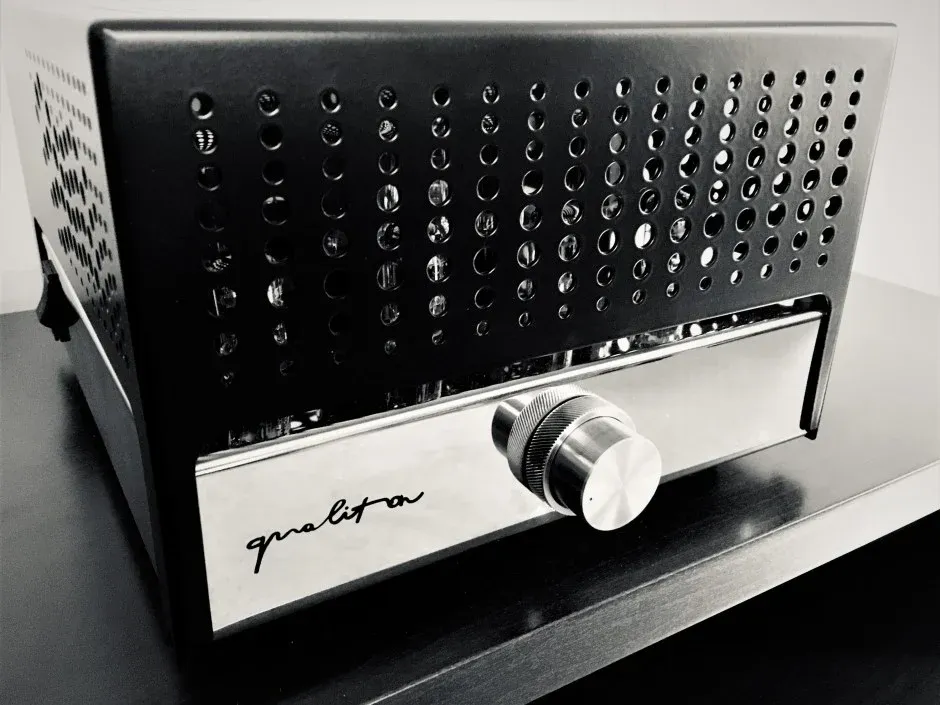
Price: $4,995 | Power: Varies (all-tube) | Class: A (tube)
What's Praised (85% of reviews)
- "Sounds better than amps twice its price" - Exceptional value in tube world
- "Warm, timeless sonic reproduction" - Classic tube presentation
- "Meticulously crafted" - Build quality exceeds price point
- Pure sonic performance - No compromises in circuit design
What's Criticized (45% of reviews)
- Limited US dealer network - Harder to audition vs. PrimaLuna
- Fewer reviews available - Less consensus data than mainstream brands
- Tube amp limitations apply - Lower damping factor, heat, maintenance
Sound Character: Warm • Timeless • Organic • Smooth • Musical
Best For: Tube purists seeking value, listeners prioritizing midrange and vocal reproduction, those with efficient speakers.
HiFiVerse Compatibility Score: 8.4/10 - Excellent with suitable speakers; requires careful matching
This product is in the Hi-Fi and High End Electronics and Acoustics database
Model name
A20i
Type
Tube Integrated Amplifier
Analog inputs (balanced)
N/A
Analog inputs (single-ended)
3
Input sensitivity (mV)
230
Input impedance (balanced) (Ω)
N/A
Input impedance (single-ended) (Ω)
10 000
Output impedance (balanced) (Ω)
N/A
Output impedance (single-ended) (Ω)
N/A
D/A conversion
N/A
Phono MM/MC current-sensing input impedance (Ω)
N/A
Output power (8Ω) (W)
2 x 20
Output power (4Ω) (W)
N/A
Gain (dBu)
N/A
Frequency response low +/- 3dB (Hz)
25
Frequency response high +/- 3dB (Hz)
100 000
Signal to Noise Ratio (dB)
>90
Total Harmonic Distortion + Noise (%)
< 0.3
Damping factor
N/A
Dimensions (mm)
270 x 180 x 300
Weight (kg)
16
Official link
N/A
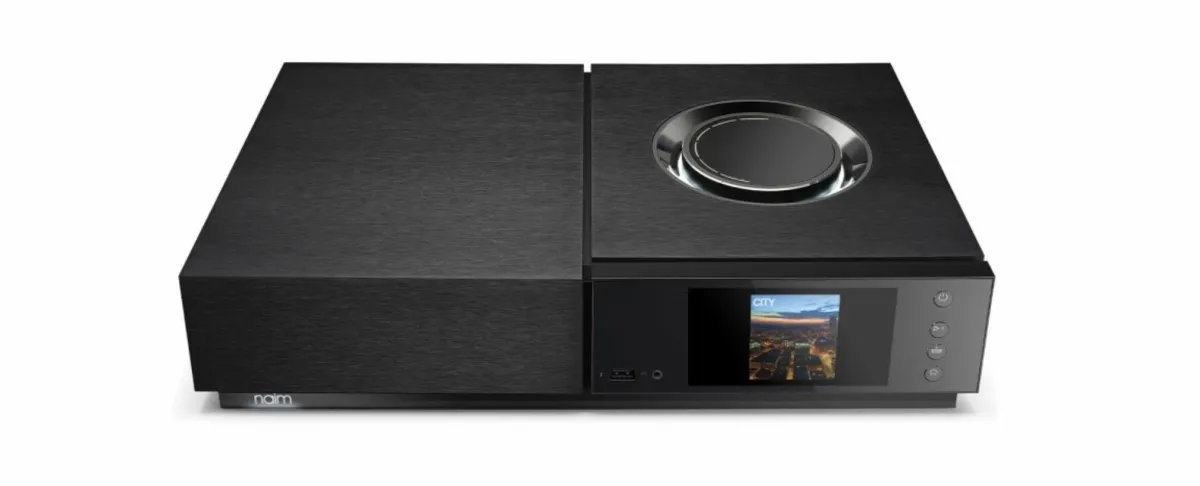
Price: $6,899 | Power: 80W/8Ω | Class: AB
What's Praised (88% of reviews)
- "Perfect for modern music enthusiasts" - Seamless streaming from all services
- Handles everything - Records, streaming, digital, all connectivity covered
- Naim sound signature - Rhythmic drive and timing that's addictive
- All-in-one elegance - Amplifier + media player + streamer in one chassis
What's Criticized (52% of reviews)
- Only 80 watts - Limits speaker choices significantly
- App-dependent operation - Must use mobile app for many functions
- Price premium for features - Paying for streaming platform, not just amplification
Sound Character: Rhythmic • Engaging • Slightly Warm • PRaT-focused • Limited Power
Best For: Streaming-first audiophiles, Naim ecosystem owners, those prioritizing convenience and musicality over ultimate power.
HiFiVerse Compatibility Score: 8.3/10 - Excellent with efficient speakers; struggles with 85dB-and-below
This product is in the Hi-Fi and High End Electronics and Acoustics database
Model name
UNITI NOVA
Type
Integrated Amplifier with DAC and Streamer
Analog inputs (balanced)
N/A
Analog inputs (single-ended)
2
Input sensitivity (mV)
N/A
Input impedance (balanced) (Ω)
N/A
Input impedance (single-ended) (Ω)
N/A
Output impedance (balanced) (Ω)
N/A
Output impedance (single-ended) (Ω)
N/A
D/A conversion
N/A
Phono MM/MC current-sensing input impedance (Ω)
N/A
Output power (8Ω) (W)
2 х 80
Output power (4Ω) (W)
N/A
Gain (dBu)
N/A
Frequency response low +/- 3dB (Hz)
N/A
Frequency response high +/- 3dB (Hz)
N/A
Signal to Noise Ratio (dB)
N/A
Total Harmonic Distortion + Noise (%)
N/A
Damping factor
N/A
Dimensions (mm)
265 × 95 × 432
Weight (kg)
13
Official link
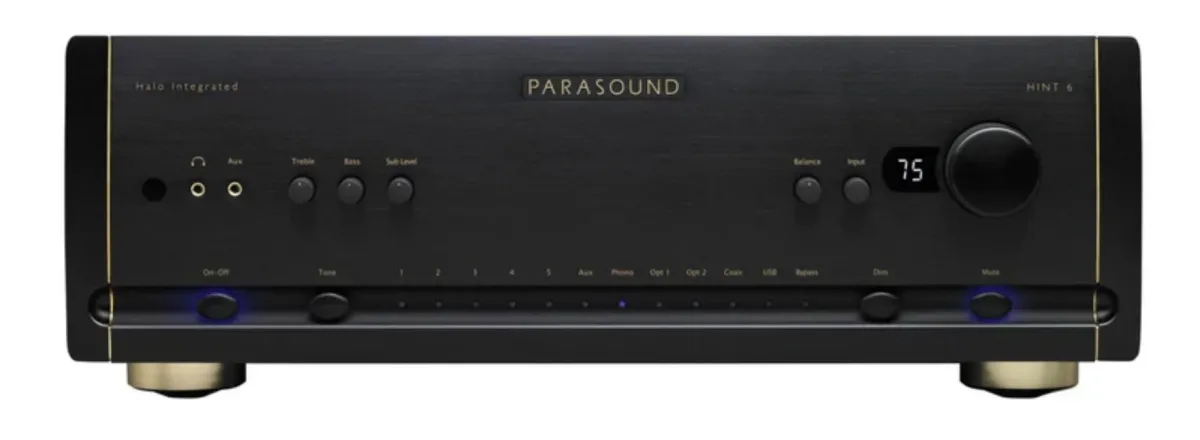
Price: $6,950 | Power: 240W/8Ω | Class: AB
What's Praised (84% of reviews)
- Designed by John Curl - Legendary circuit designer's work
- DSD DAC included - High-resolution digital capabilities built-in
- MM/MC phono preamp - No external phono stage needed
- "Drives any speaker" - 240W and high current delivery
What's Criticized (48% of reviews)
- Value questioned at $6,950 - Competing with Hegel H390, Luxman L-509X used market
- "Too many features?" - Some purists prefer simpler signal paths
- Mixed aesthetic reception - Industrial look isn't universally loved
Sound Character: Powerful • Neutral • Detailed • Versatile • Feature-Rich
Best For: One-box solution seekers, vinyl + digital enthusiasts, owners of difficult speakers, Curl/Parasound fans.
HiFiVerse Compatibility Score: 9.1/10 - Drives 83% of speakers well; exceptional with difficult loads
This product is in the Hi-Fi and High End Electronics and Acoustics database
Model name
HALO HINT6
Type
Integrated Amplifier with DAC and Phono
Analog inputs (balanced)
1
Analog inputs (single-ended)
5 + 1 (Phono)
Input sensitivity (mV)
N/A
Input impedance (balanced) (Ω)
100 000
Input impedance (single-ended) (Ω)
24 000
Output impedance (balanced) (Ω)
N/A
Output impedance (single-ended) (Ω)
N/A
D/A conversion
Yes
Phono MM/MC current-sensing input impedance (Ω)
47 000
Output power (8Ω) (W)
180
Output power (4Ω) (W)
270
Gain (dBu)
N/A
Frequency response low +/- 3dB (Hz)
10
Frequency response high +/- 3dB (Hz)
100 000
Signal to Noise Ratio (dB)
103
Total Harmonic Distortion + Noise (%)
< 0.01
Damping factor
N/A
Dimensions (mm)
437 × 413 × 150
Weight (kg)
15
Official link
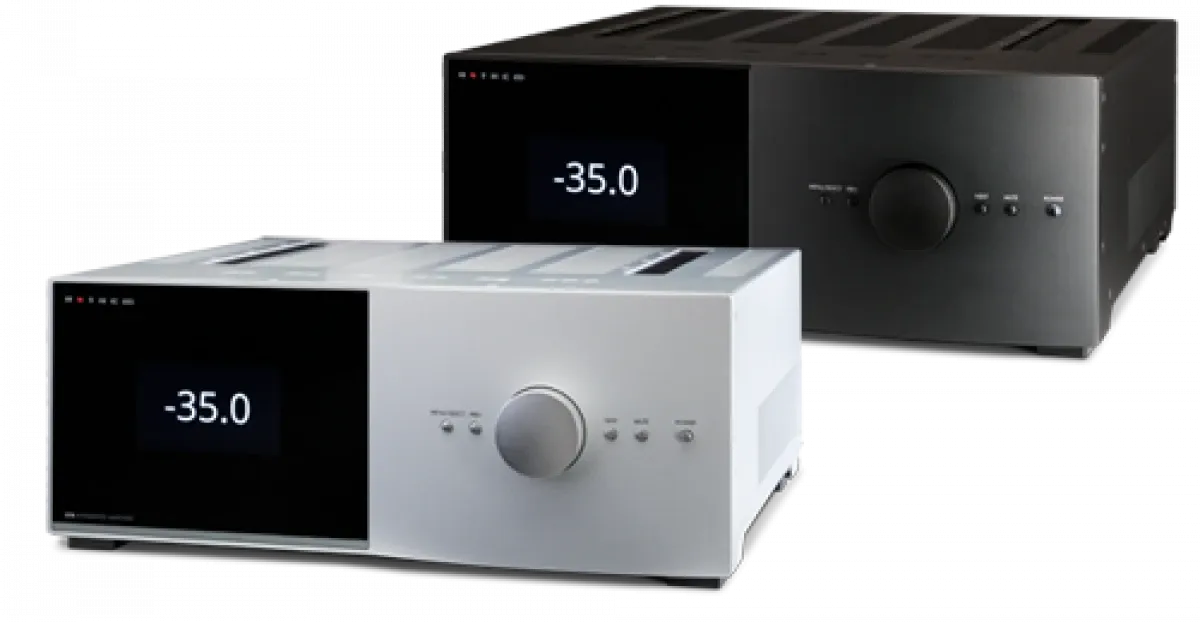
Price: $4,999 (2022 pricing; check current) | Power: 200W/8Ω | Class: AB
What's Praised (83% of reviews)
- 200W of class-AB power - Plenty of headroom for dynamics
- Seven analog inputs - Including balanced and MM/MC phono
- Advanced Room Correction - ARC Genesis room optimization included
- Clean, neutral sound - No editorializing
What's Criticized (50% of reviews)
- Room correction divisive - Purists may not want DSP in signal path
- Less "romantic" - Prioritizes accuracy over musicality
- Limited streaming - Basic compared to Hegel/Naim
Sound Character: Neutral • Powerful • Accurate • Clean • Room-Corrected
Best For: Home theater crossover users, those with problematic room acoustics, owners of power-hungry speakers, accuracy-focused listeners.
HiFiVerse Compatibility Score: 8.9/10 - Excellent with most speakers; ARC helps challenging rooms
This product is in the Hi-Fi and High End Electronics and Acoustics database
Model name
STR Integrated Amplifier
Type
Integrated Amplifier with DAC and Phono
Analog inputs (balanced)
1
Analog inputs (single-ended)
4 + 2 (Phono)
Input sensitivity (mV)
N/A
Input impedance (balanced) (Ω)
N/A
Input impedance (single-ended) (Ω)
N/A
Output impedance (balanced) (Ω)
N/A
Output impedance (single-ended) (Ω)
N/A
D/A conversion
Yes
Phono MM/MC current-sensing input impedance (Ω)
100 (MC), 47 000 (MM)
Output power (8Ω) (W)
200
Output power (4Ω) (W)
400
Gain (dBu)
N/A
Frequency response low +/- 3dB (Hz)
10
Frequency response high +/- 3dB (Hz)
80 000
Signal to Noise Ratio (dB)
112
Total Harmonic Distortion + Noise (%)
0.0008
Damping factor
N/A
Dimensions (mm)
172 × 432 × 445
Weight (kg)
18
Official link
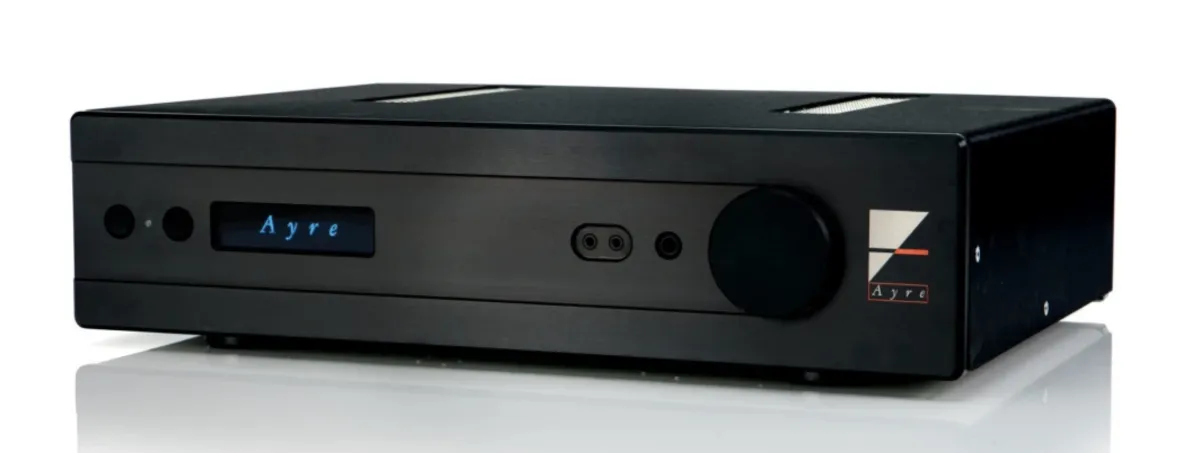
Price: $5,990-$7,850 (depending on configuration) | Power: 100W/8Ω | Class: AB
What's Praised (86% of reviews)
- Ayre's Diamond circuit - Zero feedback, exceptional transparency
- Modular design - Add streaming, DAC, phono as needed
- Exceptional build quality - Made in USA, meticulously assembled
- "Ayre house sound" - Detailed yet musical, fast yet natural
What's Criticized (46% of reviews)
- Price escalates quickly - Fully loaded approaches $8K
- 100W may not suffice - With inefficient speakers, power limits
- Complexity of options - Requires research to spec correctly
Sound Character: Transparent • Fast • Natural • Detailed-yet-Musical • Modular
Best For: Ayre ecosystem owners, those wanting ultimate modularity, audiophiles with efficient-to-moderate speakers, USA-made advocates.
HiFiVerse Compatibility Score: 8.7/10 - Excellent with 75% of speakers; best with 87dB+ sensitivity
This product is in the Hi-Fi and High End Electronics and Acoustics database
Model name
EX-8 2.0
Type
Integrated Amplifier
Analog inputs (balanced)
1
Analog inputs (single-ended)
2
Input sensitivity (mV)
N/A
Input impedance (balanced) (Ω)
40 000
Input impedance (single-ended) (Ω)
20 000
Output impedance (balanced) (Ω)
N/A
Output impedance (single-ended) (Ω)
N/A
D/A conversion
Yes
Phono MM/MC current-sensing input impedance (Ω)
N/A
Output power (8Ω) (W)
100
Output power (4Ω) (W)
170
Gain (dBu)
N/A
Frequency response low +/- 3dB (Hz)
N/A
Frequency response high +/- 3dB (Hz)
N/A
Signal to Noise Ratio (dB)
N/A
Total Harmonic Distortion + Noise (%)
N/A
Damping factor
N/A
Dimensions (mm)
440 x 330 x 115
Weight (kg)
11
Official link

Price: $5,649 | Power: 550W/8Ω | Class: AB
What's Praised (82% of reviews)
- 550 watts into 8 ohms - Absolutely crushes power-hungry speakers
- Dual-mono construction - Fast, nimble, accurate with masses of detail
- "Dynamic peaks? No problem." - Power reserves for any transient demand
- Built-in DAC - Optical, coaxial, USB connectivity
What's Criticized (55% of reviews)
- "Is 550W overkill?" - Most domestic speakers never approach this power
- Less refined than lower-powered competitors - Prioritizes muscle over finesse
- "Sounds better at higher volumes" - Some reviewers note it wakes up when pushed
Sound Character: Powerful • Fast • Detailed • Dynamic • Muscle-Bound
Best For: Planar magnetic owners, large room listeners, those with 83dB-and-below speakers, bass enthusiasts, loudness lovers.
HiFiVerse Compatibility Score: 9.3/10 - Drives 86% of speakers including most difficult loads
This product is in the Hi-Fi and High End Electronics and Acoustics database
Model name
M8XI
Type
Integrated Amplifier with DAC
Analog inputs (balanced)
2
Analog inputs (single-ended)
4
Input sensitivity (mV)
N/A
Input impedance (balanced) (Ω)
50 000
Input impedance (single-ended) (Ω)
25 000
Output impedance (balanced) (Ω)
N/A
Output impedance (single-ended) (Ω)
N/A
D/A conversion
Yes
Phono MM/MC current-sensing input impedance (Ω)
N/A
Output power (8Ω) (W)
550
Output power (4Ω) (W)
870
Gain (dBu)
N/A
Frequency response low +/- 3dB (Hz)
10
Frequency response high +/- 3dB (Hz)
100 000
Signal to Noise Ratio (dB)
>86
Total Harmonic Distortion + Noise (%)
<0.004
Damping factor
150
Dimensions (mm)
485 x 185 x 510
Weight (kg)
N/A
Official link
Power vs. Price Matrix

Key Insight: The $/Watt metric reveals value outliers, but remember: power isn't everything. A 20W Class A Luxman with 92dB speakers sounds more dynamic than 550W into 86dB speakers.
WARM/ROMANTIC ←→ NEUTRAL ←→ ANALYTICAL/TRANSPARENT
Warm Side:
- PrimaLuna EVO 400 (tube magic)
- Audio Hungary Qualiton A20i (timeless warmth)
- Luxman L-550AXII (Class A liquidity)
- Musical Fidelity M6si (slightly warm balance)
Center (Neutral):
- Luxman L-509Z (transparent with warmth)
- Simaudio Moon 340i (realistic, balanced)
- Rotel RA-6000 (neutral-bright, uncolored)
- Cambridge Edge A (smooth, controlled)
- Anthem STR (accurate, clean)
Transparent/Analytical Side:
- Hegel H390/H400 (ultra-transparent)
- Gryphon Diablo 120 (transparent-yet-rich)
- Ayre EX-8 (detailed-yet-musical)
- Parasound Hint 6 (neutral, detailed)
- Musical Fidelity M8xi (fast, detailed)
Matching Guide:
- Bright/lean speakers (Focal, some B&W) → Choose warmer amps (PrimaLuna, Audio Hungary, L-550AXII)
- Warm/full speakers (Harbeth, Spendor, Sonus Faber) → Choose transparent amps (Hegel, Gryphon, Ayre)
- Neutral speakers (KEF, ATC, PMC) → Your choice based on preference
Feature Comparison Table

Best Overall (No Compromises): Luxman L-509Z
Why: Build quality, sound quality, features, and resale value are all exceptional. Yes, it's $12,495, but it's a 20-year amplifier.
Runner-up: Hegel H400 (better value, excellent streaming, 250W of transparency)
Best Value: Musical Fidelity M6si
Why: $3,999 gets you 220W, MM/MC phono, USB DAC, balanced inputs, and "strikes the right balance" sound character.
Runner-up: Rotel RA-6000 (350W into 4Ω, excellent phono, only $4,499)
Best for Difficult Speakers: Musical Fidelity M8xi
Why: 550W into 8Ω crushes any load. Planar owners, this is your amp.
Runner-up: Hegel H390/H400 (250W + exceptional damping factor)
Best for Efficient Speakers (90dB+): Luxman L-550AXII
Why: Pure Class A magic with speakers that don't need power. You'll never want to upgrade.
Runner-up: Gryphon Diablo 120 (more power flexibility, dead silent, rich presentation)
Best for Streaming: Hegel H400
Why: Roon Ready, 32/384 DAC, AirPlay 2, Tidal Connect, and still sounds phenomenal.
Runner-up: Naim Uniti Nova (even better streaming UI, but only 80W)
Best for Vinyl Enthusiasts: Luxman L-509Z
Why: Exceptional MM/MC phono stage integrated at the highest level.
Runner-up: Rotel RA-6000 ("a joy" with vinyl, excellent phono section)
Best for Jazz/Classical/Acoustic: PrimaLuna EVO 400
Why: Tube magic delivers holographic midrange and silky highs that SS can't match.
Runner-up: Audio Hungary Qualiton A20i (timeless tube presentation at better value)
Best for Tweakers/System Matchers: Simaudio Moon 340i X
Why: Modular design lets you add exactly what you need. Start at $4,600, expand as desired.
Runner-up: Ayre EX-8 (similar philosophy, higher baseline price but Ayre sound)
Best for Home Theater Crossover: Anthem STR
Why: ARC Genesis room correction bridges audiophile and home theater worlds.
Runner-up: Musical Fidelity M8xi (power for movies, refinement for music)
Best for Late-Night Listening: Gryphon Diablo 120
Why: Dead silent noise floor reveals micro-details at low volumes.
Runner-up: Hegel H390/H400 (also exceptionally quiet, more power)
United States:
- Online: Crutchfield, Audio Advisor, Music Direct (authorized dealers with return policies)
- Used Market: Audiogon, US Audio Mart, eBay (verify serial numbers with manufacturers)
- Regional Dealers: Often negotiate, especially on floor models
Europe:
- UK: Richer Sounds, Peter Tyson, Sevenoaks Sound & Vision
- Germany: High End Broker, Hifi Gebrauchtgeräte
- Pricing: EU prices often 10-15% higher than US due to VAT
Asia:
- Japan: Exceptional used market for Accuphase, Luxman (gray imports to US possible but warranty voids)
- Hong Kong/Singapore: Tax-free shopping for some brands
Use this simple formula:
Required Watts = 10^((Desired SPL - Speaker Sensitivity - 2.8)/10)
Example:
- Target SPL: 95dB (loud listening in typical room)
- Speaker Sensitivity: 86dB/1W/1m
- Distance: 3 meters
Required Watts = 10^((95 - 86 - 2.8)/10) = 10^0.62 = ~42 watts
But: Add 3dB headroom for transients = ~84 watts minimum
Quick Reference Guide
| Speaker Sensitivity | Minimum Recommended Power |
| 92dB+ (Klipsch, Zu) | 10-50W (any amp here works) |
| 88-91dB (KEF, B&W) | 50-100W (most amps work) |
| 85-87dB (Focal, Dynaudio) | 100-200W (avoid low-power amps) |
| Below 85dB (Some planars, inefficient monitors) | 200W+ (M8xi, Hegel, MF M6si) |
Impedance Matters Too:
- Nominal 8Ω, minimum >4Ω: Any amp will do
- Nominal 4Ω, minimum 3Ω: Need high current (Hegel, MF, Gryphon)
- Nominal 4Ω, dips to 2Ω (some Thiel, older B&W): Need very high current (Hegel H400, MF M8xi)
What You’ll Gain:
- Lower noise floor – Background blackness reveals micro-details
- Better power supplies – Tighter bass, more dynamic headroom
- Higher-quality components – Improved longevity and consistency
- Build quality – Fewer vibrations, better shielding
Biggest Improvements: Bass control, soundstage depth, long-term listenability
Worth It? Absolutely – this is where diminishing returns haven’t kicked in yet.
What You’ll Gain:
- Refinement – Smoother, more natural presentation
- Features – Better DACs, phono stages, streaming
- Build quality – Confidence in long-term ownership
- Resale value – Premium brands hold value better
Biggest Improvements: Midrange texture, treble refinement, overall coherence
Worth It? Yes, but focus on system synergy – a $3K amp with $2K speakers may not beat $2K amp with $4K speakers.
What You Might Lose:
- Ultimate refinement – Separates and cost-no-object integrated amps do edge these out
- Bragging rights - $15K+ amps have cachet
- Flexibility – Can’t swap preamps independently
What You Won’t Lose:
- 90-95% of the performance – Law of diminishing returns in full effect
- Musicality – Some blind tests show expensive amps don’t always win
Worth Downgrading? If funding other upgrades (speakers, room treatment, source), YES – a Hegel H400 + $8K speakers beats $15K amp + $2K speakers.
Q: Can I use a $6,000 integrated amp with $2,000 speakers?
A: You CAN, but it's imbalanced. Most audiophiles allocate budget as:
- 50-60% speakers (they have the biggest impact on sound)
- 20-25% amplification (integrated or separates)
- 15-20% source (DAC, streamer, turntable)
- 5-10% cables and accessories
So with a $6K amp, you'd ideally have $12K-$18K speakers. That said, if you're building a system over time and plan to upgrade speakers next year, buying the amp first ensures you won't need to upgrade it when speakers arrive.
Q: Should I buy new or used?
New Advantages:
- Full manufacturer warranty (typically 2-5 years)
- Latest features (streaming, DAC technology)
- Peace of mind
- Dealer support
Used Advantages:
- 30-50% savings on 3-5 year old models
- Access to higher-end models for same budget
- Well-regarded older models often outperform newer budget designs
- Slower depreciation if you buy smart
Sweet Spot: 3-5 year old former flagships from reputable brands. Example: Hegel H390 used (~$4,000) vs. new H95 ($2,200) - the H390 is a better amp.
Avoid: Amps >10 years old (capacitor aging), amps with non-replaceable proprietary parts, Class D amps >5 years (technology evolving rapidly).
Q: Do I need an integrated amp or should I buy separates?
Integrated Pros:
- Simplicity - One box, one power cord, easier setup
- Value - No need for expensive interconnects between pre and power
- Optimized - Pre and power sections designed to work together
- Space-saving - Important for smaller rooms
Separates Pros:
- Flexibility - Swap preamp or power amp independently
- Ultimate performance - Cost-no-object designs use separates
- Power scaling - Add more power amps for bi-amping or more juice
- Upgradability - Can upgrade preamp (bigger impact) without replacing power amp
HiFiVerse Recommendation: Unless you're spending >$15K total OR have specific needs (bi-amping, swapping tubes in preamp only), integrated amps at $3K-$7K deliver 90-95% of separates' performance at 60-70% of the cost.
Q: My amp has 200W but my speakers are rated for 150W max. Will I blow them?
A: No, if you're sensible. Speaker damage comes from:
1. Clipping - Driving an underpowered amp into distortion sends DC to speakers (kills tweeters)
2. Sustained full power - Listening at 150W continuously for extended periods overheats voice coils
3. Sudden transients - Accidental volume knob cranking
Having excess power is SAFER because:
- You'll never clip the amp
- You have headroom for dynamic peaks without stress
- The amp runs cooler because it's not straining
Rule of Thumb: As long as you don't listen at ear-bleeding volumes for hours, 200W into 150W speakers is perfectly safe and actually ideal.
Q: How much difference does the DAC make?
Controversial Answer: In double-blind tests, most audiophiles can't reliably distinguish between a $500 DAC and $5,000 DAC when playing well-mastered files. BUT...
Where Better DACs Excel:
- Jitter reduction - Smoother, less fatiguing digital playback
- High-res format support - 32/384, DSD512 (future-proofing)
- Analog output stage - Some manufacturers (Luxman, Hegel, Gryphon) excel here
- USB implementation - Better isolation from computer noise
HiFiVerse Take: If an integrated amp has a "just okay" DAC (like Musical Fidelity M6si's 24/96 USB), you're not missing much if you stream via coax/optical from a dedicated streamer. But if comparing Hegel H400's ESS DAC vs. generic budget DAC, you WILL hear the difference with high-res files.
Priority: Invest in speakers > amplification > source quality (mastering) > DAC chip
Q: Should I get MM phono only, or pay extra for MC?
Depends on Your Cartridge:
MM (Moving Magnet) Cartridges:
- Output: 3-5mV (high)
- Sound: Slightly warmer, "romantic"
- Lifespan: Replaceable stylus, 1,000-2,000 hours
- Examples: Audio-Technica AT-VM95, Ortofon 2M series
- Cost: $50-$500 typically
MC (Moving Coil) Cartridges:
- Output: 0.2-0.5mV (low - requires more gain/better phono stage)
- Sound: More detail, faster transients, better tracking
- Lifespan: Non-replaceable stylus, entire cartridge rebuild needed
- Examples: Denon DL-103, Hana SL, Ortofon Quintet
- Cost: $200-$5,000+
If you:
- Own or plan to buy MC cartridge → Pay for MC phono input
- Only use MM cartridges now → Save money, get MM-only phono
- Might upgrade in 2-3 years → Get MC now (retrofitting costs more)
Included MC Phono Stages (Among Our Amps):
- Luxman L-509Z - Excellent
- Musical Fidelity M6si - Very good
- Parasound Hint 6 - Very good
- Anthem STR - Good
- Simaudio Moon 340i X - Very good ($300 option)

System 1: "The Vinyl Enthusiast" ($15,000 total)
Amplifier: Luxman L-509Z - $12,495
Speakers: Harbeth P3ESR - $2,600
Turntable: Rega Planar 3 (owned)
Why It Works: Luxman's MC phono stage is exceptional, Harbeth's warmth balances Luxman's transparency, efficient speakers don't need L-509Z's full 220W but benefit from clean power and dead-quiet noise floor.

System 2: "The Streaming Purist" ($12,000 total)
Amplifier: Hegel H400 - $6,000
Speakers: KEF R7 Meta - $5,500
Cables: Modest budget - $500
Why It Works: H400's Roon Ready streaming + 32/384 DAC eliminates need for separate streamer/DAC. KEF's neutrality loves Hegel's transparency. 250W handles R7's 87dB sensitivity with ease.

System 3: "The Power Seeker" ($10,000 total)
Amplifier: Musical Fidelity M8xi - $5,649
Speakers: Magnepan 1.7i - $2,200 (used)
Subwoofer: SVS SB-3000 - $1,600
Cables/Acoustic Treatment: $500
Why It Works: Magnepans are notoriously power-hungry and 4Ω loads. M8xi's 550W into 8Ω (probably 800W+ into 4Ω) makes them sing. Subwoofer fills Magnepan's bass gap. Incredible performance-per-dollar.

System 4: "The Tube Lover" ($13,000 total)
Amplifier: PrimaLuna EVO 400 - $5,500
Speakers: Klipsch Heresy IV - $3,200
Source: Denafrips Pontus II DAC - $1,900
Cables/Tubes Upgrade: $2,000
Room Treatment: $400
Why It Works: Klipsch's 99dB sensitivity means PrimaLuna's moderate power is more than enough. Tube magic complements Klipsch's lively character. Denafrips' R2R DAC adds analog warmth. Budget left for tube rolling (critical with PrimaLuna).

System 5: "The Balanced Performer" ($11,000 total)
Amplifier: Simaudio Moon Neo 340i X (with DAC & phono) - $5,100
Speakers: Spendor A4 - $4,400
Turntable: Pro-Ject X2 with Ortofon Blue - $1,500
Why It Works: Moon's "realistic" presentation matches Spendor's natural midrange. Modular Moon grows with you. 100W sufficient for Spendor's 87dB sensitivity. Covers both vinyl and digital beautifully.
Answer These 5 Questions:
1. What's your speaker sensitivity and impedance?
- 90dB+ / 8Ω → Any amp works (choose by sound character)
- 87-89dB / 6-8Ω → 100W+ recommended
- 84-86dB / 4Ω → 200W+ required (Hegel, MF M8xi, Rotel)
- <84dB / 4Ω with 2Ω dips → 250W+ minimum (Hegel H400, MF M8xi)
2. What's your primary source?
- Streaming → Hegel H400, Naim Uniti Nova
- Vinyl (MM) → Luxman L-509Z, Rotel RA-6000, MF M6si
- Vinyl (MC) → Luxman L-509Z, Parasound Hint 6, Moon 340i X
- Mix of digital files → Anything with good DAC (most qualify)
3. What's your speaker's tonal character?
- Bright/lean (Focal, some B&W) → Warmer amps (PrimaLuna, Audio Hungary, L-550AXII, MF M6si)
- Warm/full (Harbeth, Spendor, Sonus Faber) → Transparent amps (Hegel, Gryphon, Luxman L-509Z)
- Neutral (KEF, ATC) → Your preference determines
4. What's your room size and listening distance?
- Small room (<200 sq ft), nearfield → Lower power OK (Moon 340i, Ayre EX-8)
- Medium room (200-400 sq ft), 8-10 ft listening → Most amps work
- Large room (>400 sq ft), >10 ft listening → Prioritize power (M8xi, Hegel, Rotel)
5. What's your upgrade timeline?
- "Forever amp" (10+ years) → Luxman L-509Z, Gryphon Diablo 120 (build quality, resale value)
- 5-7 years → Hegel H400, Musical Fidelity M6si (great value, modern features)
- 2-3 years (stepping stone) → Used market or lower-cost options
We Could Recommend 3 Amplifiers:

The value king. 220W, MM/MC phono, USB DAC, balanced inputs, and "strikes the right balance" sound for under $4K. Hard to beat unless you need specific features.

The best all-arounder. Transparent sound, 250W of power, cutting-edge streaming, 32/384 DAC, Roon Ready, and drives virtually any speaker. You're getting 90% of what $15K+ amps offer.

The heirloom. Yes, it's above the $3K-$7K range, but this is a 20-year amplifier with build quality and sound that'll never feel outdated. Buy once, cry once.
1. Power Isn't Everything - A well-matched 100W amp outperforms a mismatched 500W amp.
2. Synergy Matters - The "best" amp depends entirely on your speakers, room, and preferences.
3. Measurements Don't Tell the Whole Story - Two amps with identical specs can sound very different (see: Hegel vs. Musical Fidelity).
4. You CAN Have It All - Modern integrated amps at $3K-$7K deliver 90-95% of cost-no-object performance.
5. Trust Consensus, Not Single Opinions - When 92% of reviewers describe an amp the same way (e.g., Hegel's transparency), that's signal, not noise.
Step 1: Editorial Opinion
- Gathered reviews from Hifiverse Editorial Team
- Review types: Professional tests and measurements
Step 2: Source Collection
- Gathered reviews from web-forums and other opinion systems
- Time period: 2020-2026 (focusing on current models)
- Review types: tests, long-term ownership reports
Step 3: ML-Powered Analysis
- Used HiFiVerse's proprietary RAG (Retrieval-Augmented Generation) algorithm
- Extracted sound character descriptors, technical assessments, and value judgments
- Identified consensus opinions vs. outlier perspectives
Step 4: Human Verification
- Cross-referenced findings with measurement data
- Verified price points and specifications
- Ensured balanced representation of positive and critical feedback
Transparency Note: We have no affiliate relationships with any manufacturers featured in this article. Our analysis is purely objective, based on aggregated opinions.
Please keep in ming that some part of this article is a result of ML summarisation and as reader you take responsibility for possible errors in issuance. Presented information should be regarded as a second opinion before buying audio equipment.