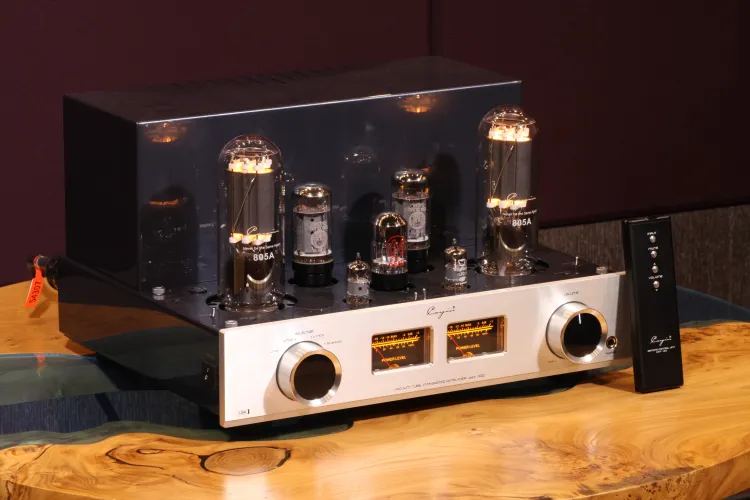

Why 2026 Will Bring a Decisive Shift in High-End Audio?
Or Why Personal Experiences Are Now at the Center of Attention

25.12.2025 15:04 | ~5 minutes read
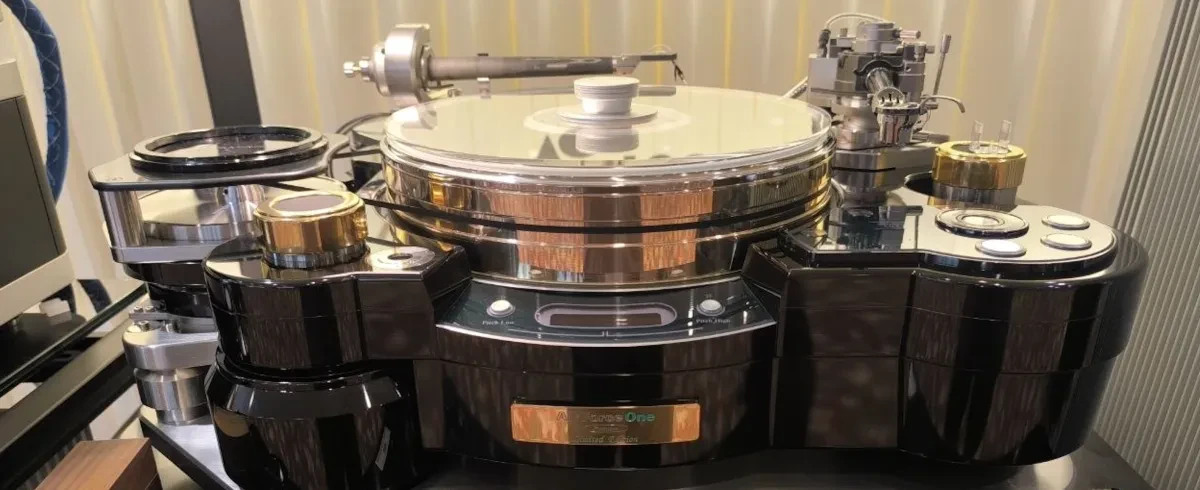
For many years, High-End audio was associated with a "big" system in a large space - a dedicated listening room, large floorstanding speakers, and a component audio system. Oh, and let's not forget the super-expensive cables, stands, power supply filtering systems, and anti-resonance mountings. This paradigm not only defined system architecture but also became, essentially, an axiom for High-End audio.
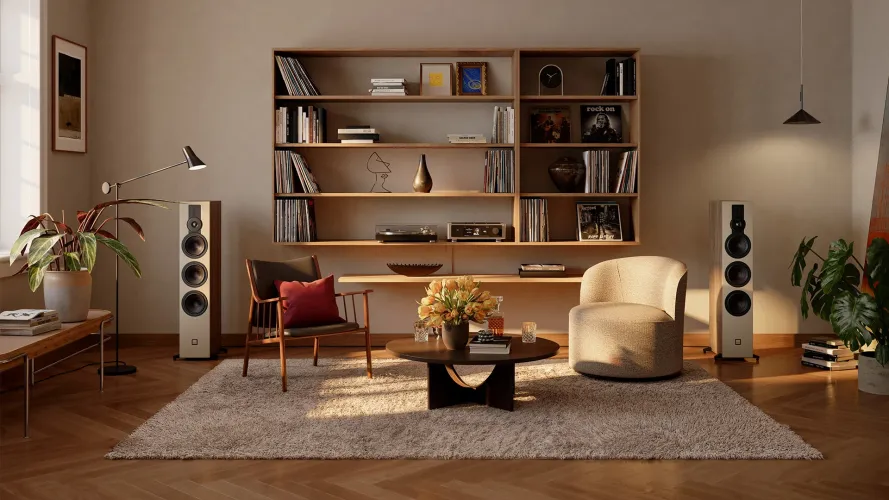
However, as early as 2025 - and it's now clear that this trend will continue in 2026 - this approach may be dethroned. Of course, if you have a dedicated room (preferably 3-40 square meters) for your hobbies, this approach will remain. On the other hand, the very concept of ultimate, high-quality High-End sound has now shifted toward the listener and their lifestyle. An approach previously reserved for fixed installations is now widely used in High-End headphones, bookshelf loudspeakers deliver enviably high sound quality, and room correction and subwoofers can add scale even to a small room.

Away with the “canons”
Historically, high-quality audio has evolved within the paradigm of a separate component system - a source (digital or analog), a preamplifier, power amplifiers, and loudspeakers with large enclosures and large cone surfaces to achieve high sound pressure and precise phase imaging. To evaluate the performance of such systems, the industry adopted a double standard: performance specifications, which allowed for a clear understanding of the system's capabilities on paper (or verified using an independent test laboratory), were supplemented by expert evaluation of listening impressions on familiar recordings. This stage, described in familiar audiophile terms (low-frequency resolution, micro- and macrodynamics, timbral richness, black level, etc.), leveled the playing field of expert assessments to, while not always ideal, understandable and verifiable values. However, the primary focus was always on the scale and precision of sound presentation - one that matched a live performance.
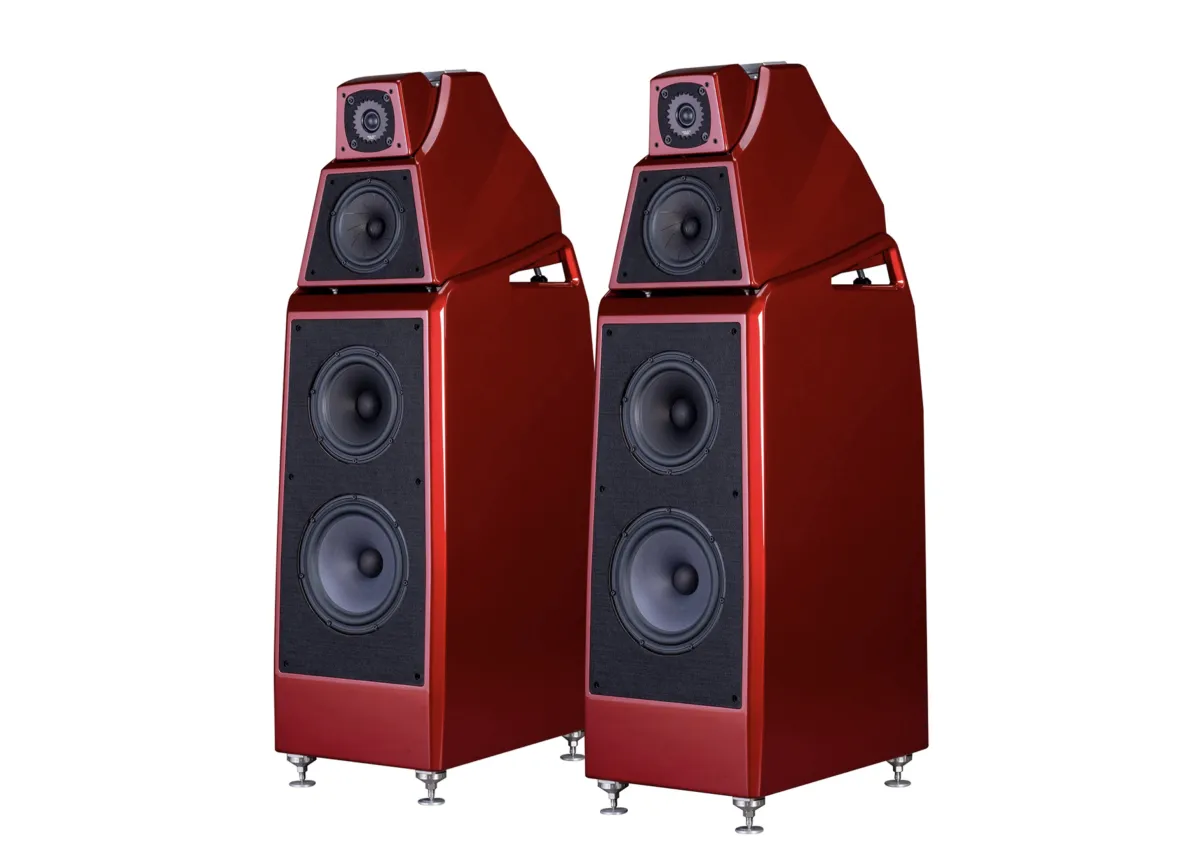
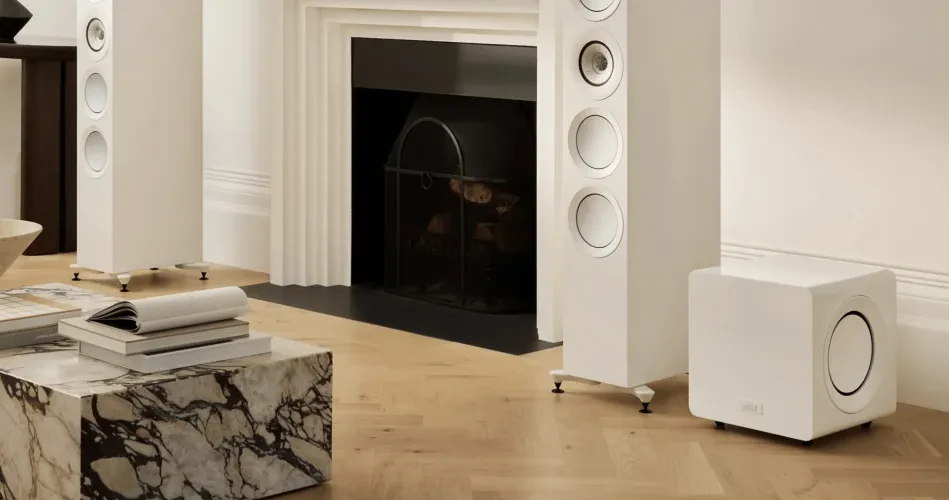
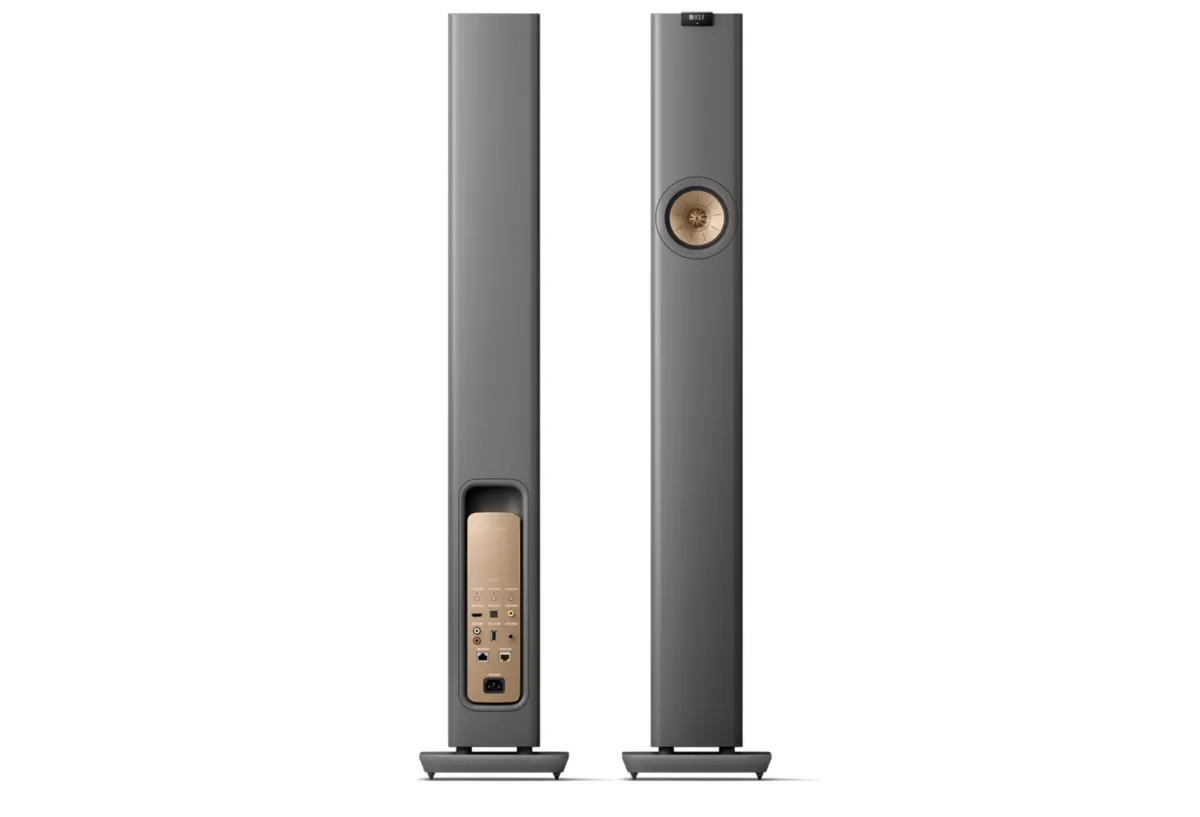
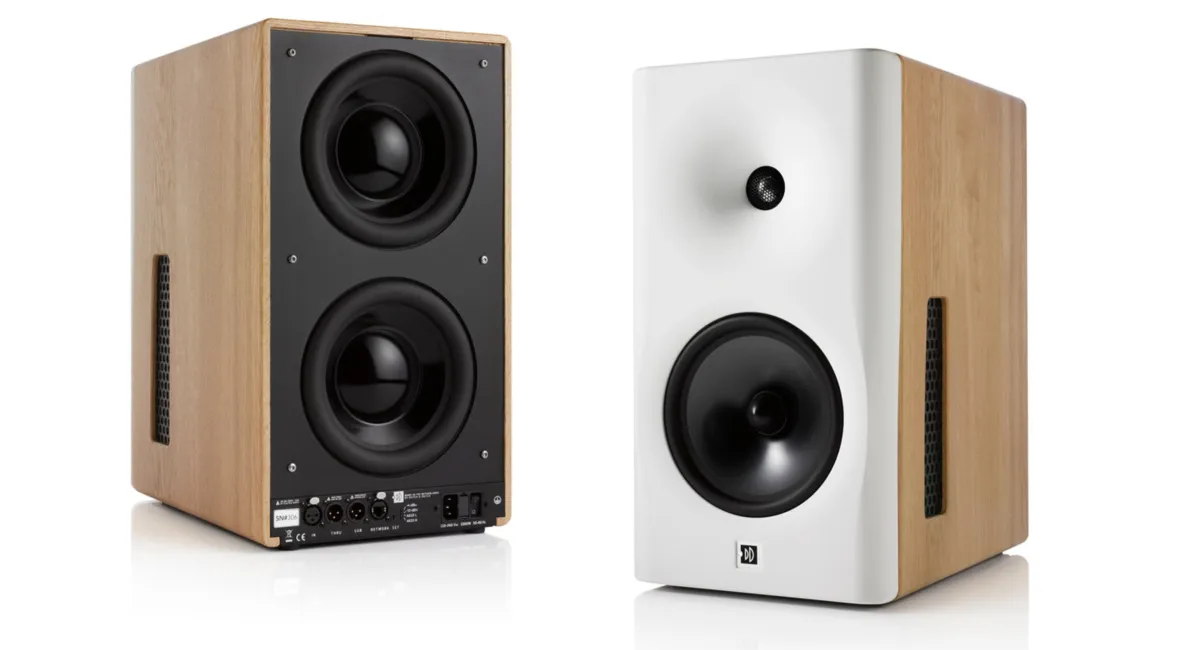
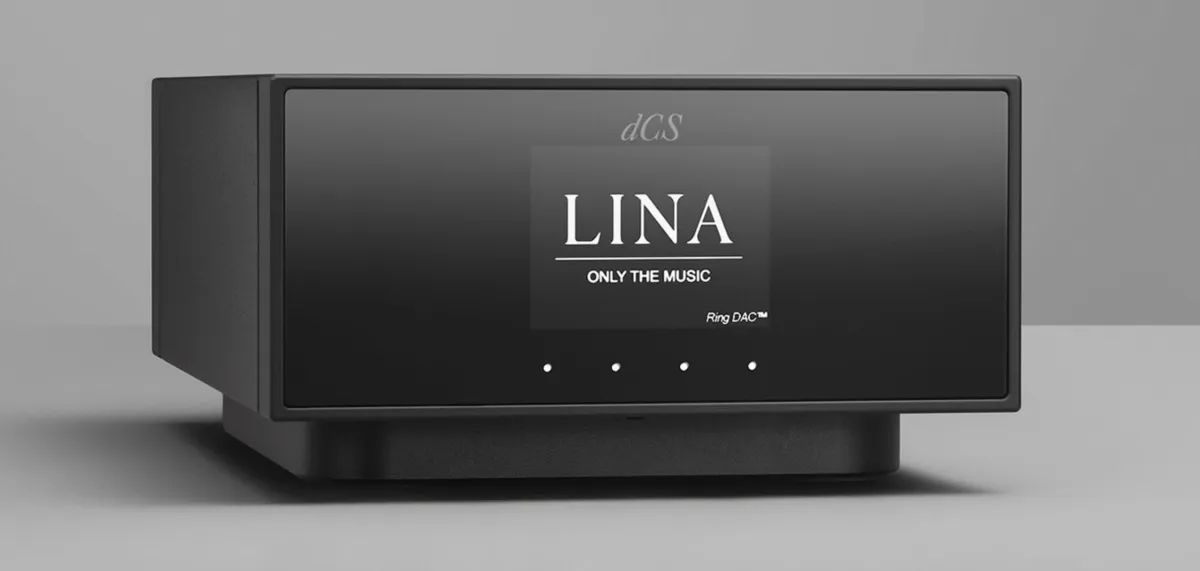
Today, this approach has fragmented into a number of categories. One person builds a classic High-End system in a large room, using, for example, Wilson Audio Alexia V floorstanding speakers. This setup will likely require a pair of monoblock amplifiers, a preamplifier, a phono preamp, a turntable, and so on. Another audiophile, in a basic setup, also listens to music through floorstanding loudspeakers - but the compact and slender KEF LS60 Wireless. This system is already active and can be used directly over a network, requiring no additional devices. A third audiophile uses the same approach, only in an even more compact package - he purchased Dutch & Dutch 8c bookshelf monitors. Now let's turn our attention to a fourth audiophile, who purchased the very expensive ($34,750) dCS LINA system - a very miniature system that includes a reference DAC and headphone amplifier. Will upgrading the dCS LINA with High-End headphones produce a sound completely identical to the original system? Probably not. But will it achieve the same level of listening pleasure? Probably yes.
As a result, there's no longer a single High-End standard. On the contrary, High-End sound can now be achieved with both headphones and compact active speakers, in large-scale installations with floor-standing speakers and in chambered desktop systems.
Pluralism in everything - and a complete focus on individual solutions that suit a specific set of tasks. Or cross-solutions, such as professional monitors like the Genelec 8361A or JBL M2, which have also found application in home installations. The credo has shifted - from the much-vaunted naturalness and neutrality - to the fullest possible revelation of musical abilities in specific conditions. Not one size fits all, but each according to their own comb.
Headphones – the new standard
Headphone amplifiers and headphones themselves are making particularly significant strides in this regard – advancements in this field have become astronomical. Ten years ago, you could count the number of High-End headphone manufacturers on the market on one hand. Now, there are many more, and the solutions used in this class of equipment offer a veritable frenzy of innovation.

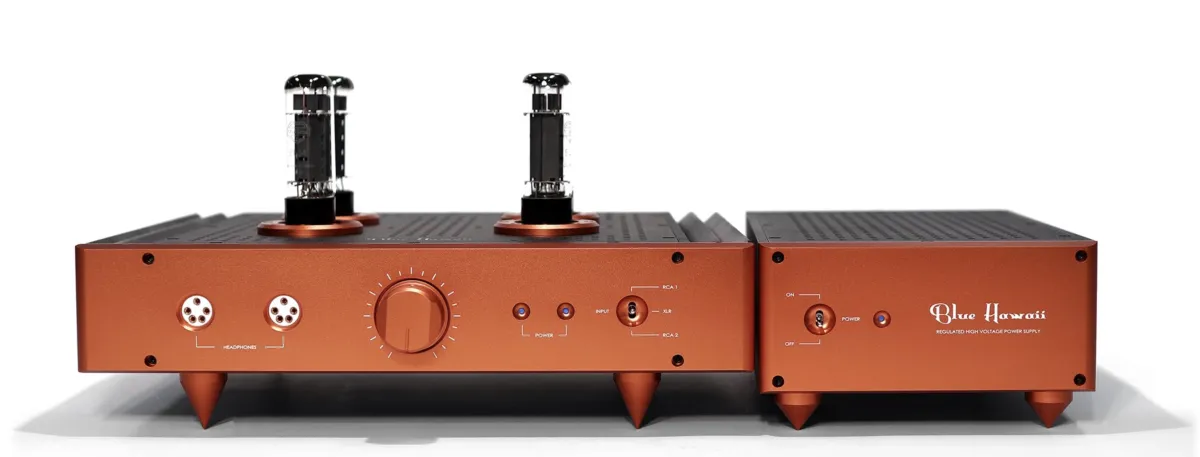
Audeze CRBN 2 with carbon nanotubes, Meze Audio Elite with nanocrystalline amorphous voice coils, Focal Utopia using beryllium, the luxurious Nimbus US 5 Pro headphone amplifier, or the electrostatic adopted tube HeadAmp Blue Hawaii SE – the list goes on. To achieve perfect sound in these systems, the listening room factor is eliminated – you no longer have to contend with reflections, standing waves, moving away from the walls when placing speakers, or worrying about noise for family members and neighbors. Headphones guarantee stable performance in almost any environment.
Software at the Core
Indeed, room correction systems haven't yet become widespread in the High-End segment, but the top hi-fi segment is already being occupied by them. Dirac Live (for example, used in the StormAudio ISP Elite Mk4) now uses vector FIR filtering and achieves impressive results in sound adaptation even in small and complex rooms.
However, the widespread use of the Roon player in digital streaming has allowed audiophiles to apply additional filters and reconstruction systems to "standard" systems (for example, by connecting HQPlayer codecs), thus creating their own unique sound signature. So, High-End today is, above all, about what resonates with you, not just meeting criteria.
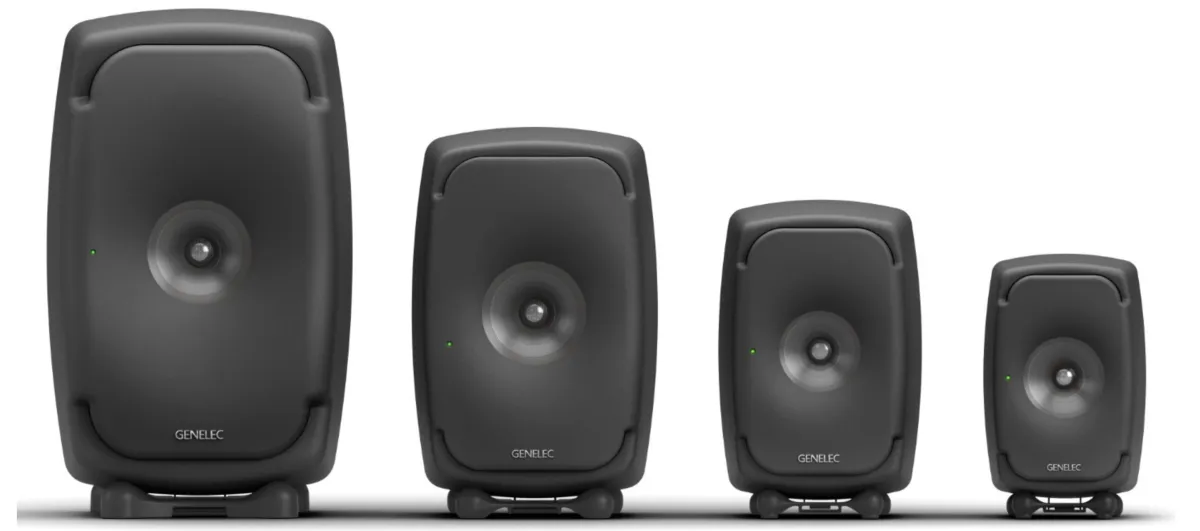
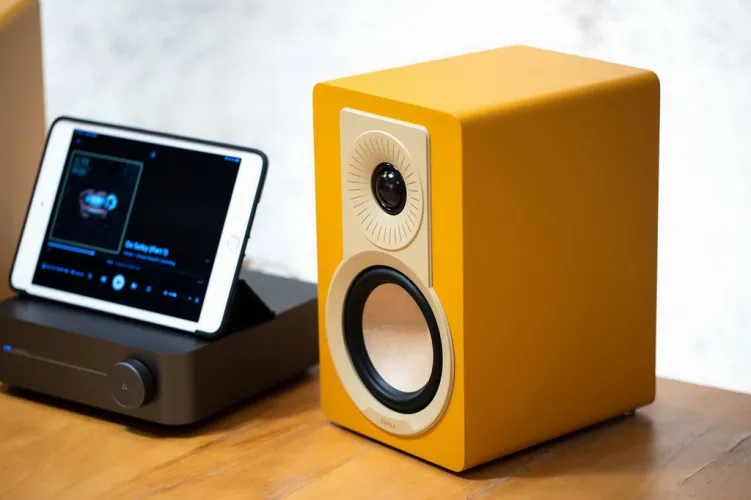
The concept of a traditional component system has also become blurred today, as in the examples above. Active loudspeakers with digital signal processing (DSP) are becoming increasingly entrenched in the High-End sector – but even digital-to-analog converters prioritize algorithmic processing and filtering. Bookshelf active speakers achieve increasingly higher sound pressure levels, creating a soundstage comparable to floorstanding loudspeakers. Such configurations fit harmoniously into modern environments, such as small offices or desks.
Implications for the High-End Ecosystem
On the one hand, the market is becoming even more fragmented, but on the other, it has already become completely personalized. It is highly focused on the needs and preferences of the customer – not dictating standards, but adapting them to the desires and capabilities of audiophiles. And that's a great thing.