

Integrated amplifiers - Hifiverse audio equipment catalog
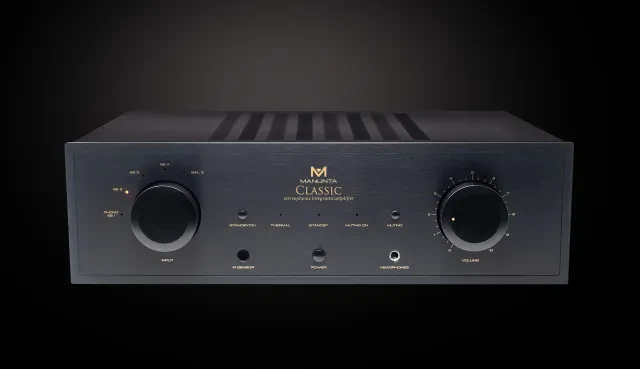
Integrated amplifiers place a preamplifier and a power amplifier in one chassis, with source selection, volume and speaker outputs in a single box. They suit two-channel systems where one component between sources and speakers is preferred over separates. Unlike receivers, they carry no surround decoding or HDMI video switching, and output here runs from about 25 W to over 200 W per channel.
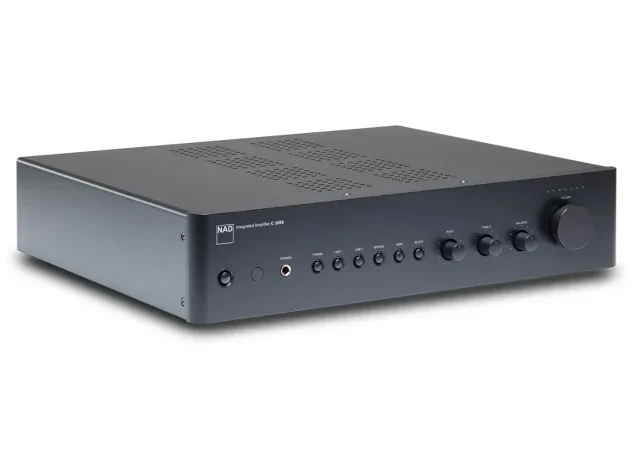
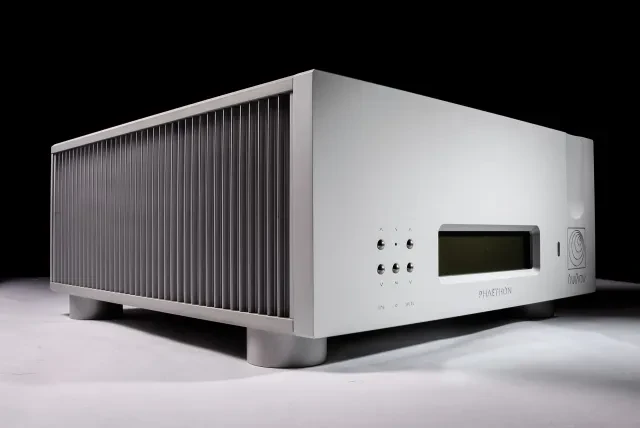
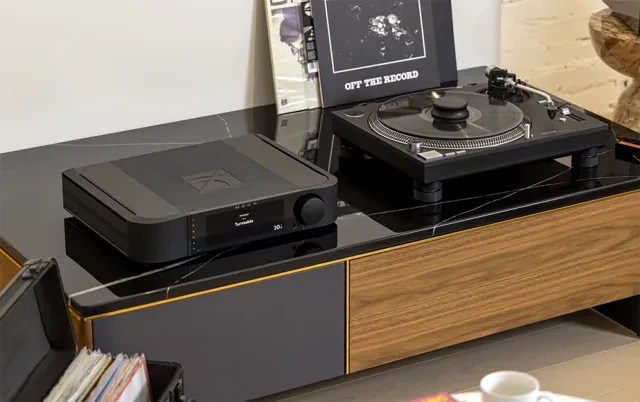
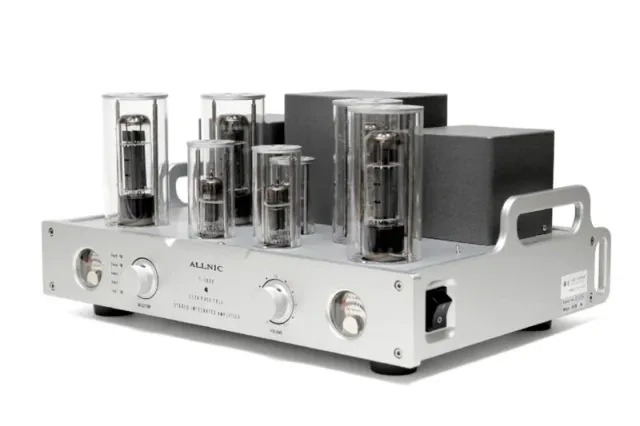

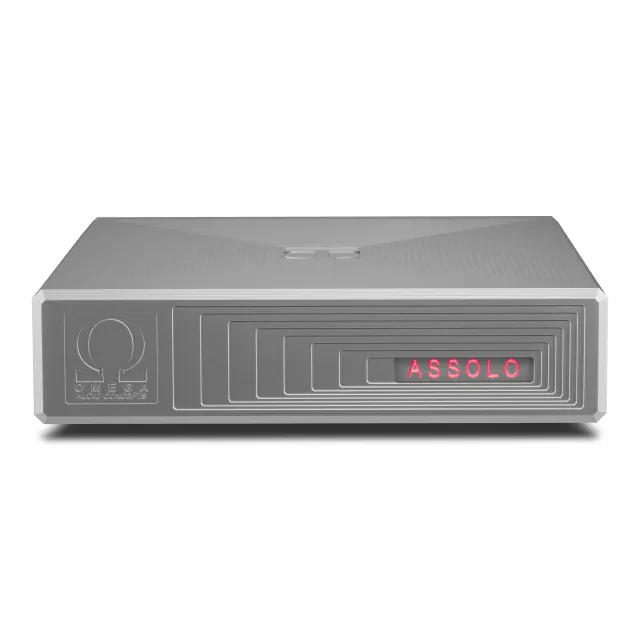
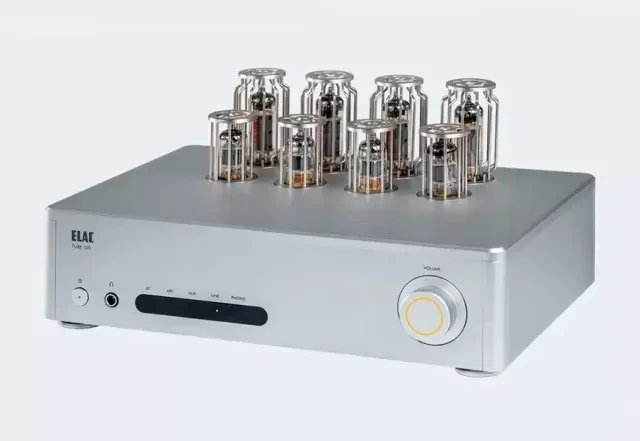
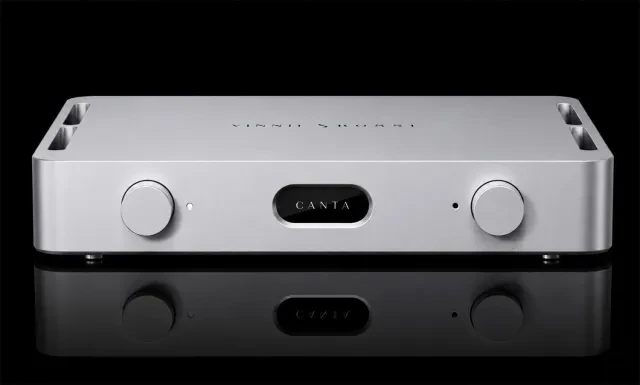
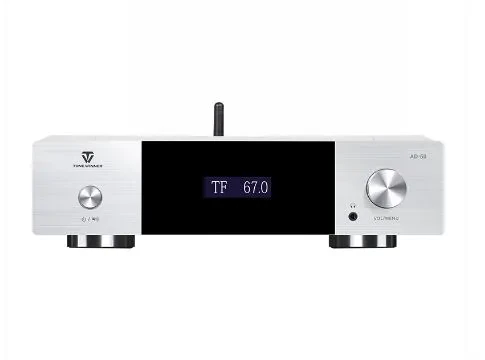
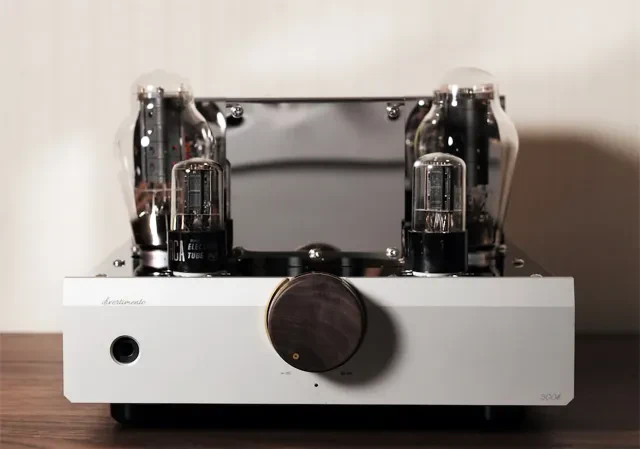
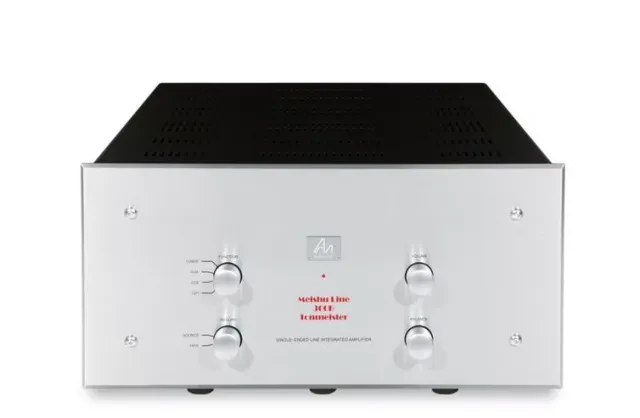
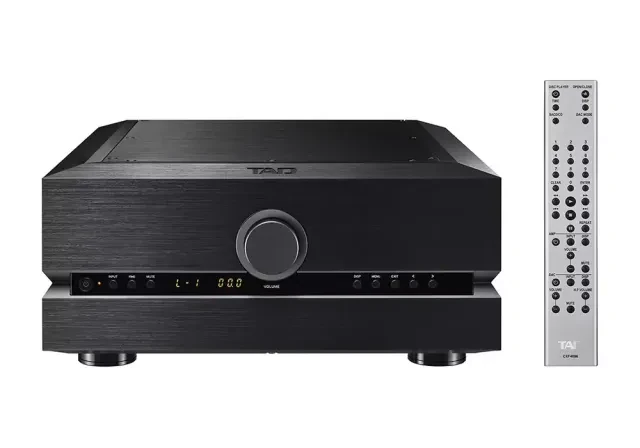
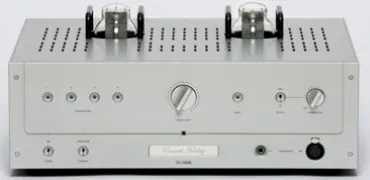
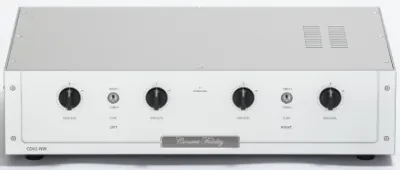
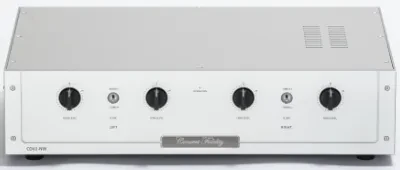
How to choose an integrated amplifier
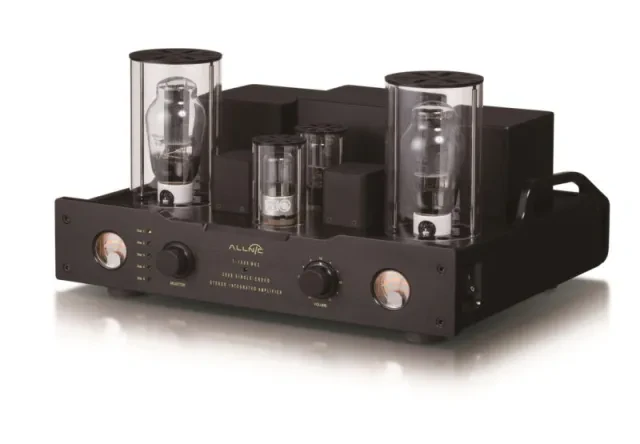
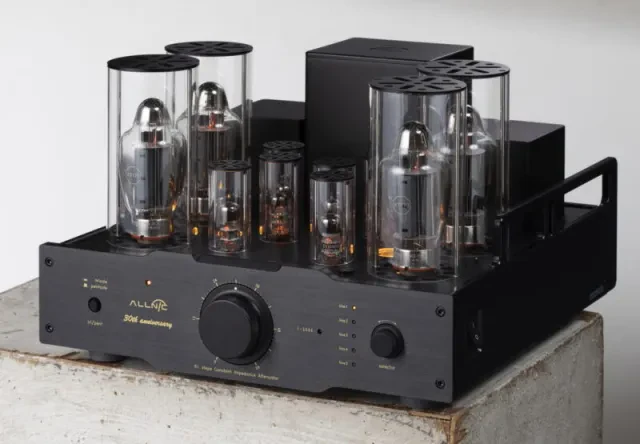
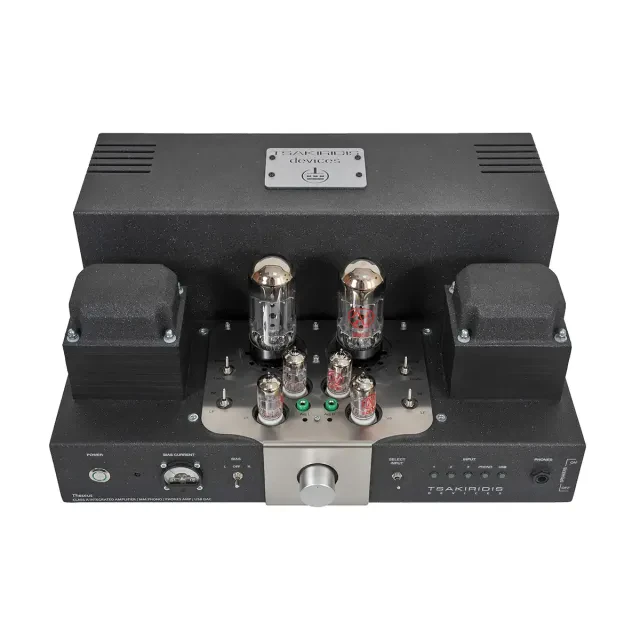
List your sources before anything else. A turntable needs a built-in phono stage, ideally with MC as well as MM support, and digital sources need a DAC section with USB or optical inputs. Next, match power to your speakers. A pair rated at 90 dB sensitivity runs comfortably on 30 to 50 W, while 85 dB designs in a larger room need much more. Look at how output changes from 8 to 4 ohms for a view of current reserve. Then consider topology. Tube integrateds usually give 10 to 50 W and need valve replacement over time, most solid-state models use Class AB, and Class D allows high power in a slim case. Check for a preamp output or a home theatre bypass input if you plan to add a subwoofer or join a surround system.
Key specs that matter
Power per channel should be quoted continuous into 8 and 4 ohms. Phono stage gain, around 40 dB for MM and 60 dB or more for MC, decides which cartridges work without a step-up. DAC specs show supported PCM rates, often up to 384 kHz, and DSD. Headphone output impedance matters if you use headphones directly.
Price ranges & what you get
Budgets up to USD 1,000 cover amps of 40 to 100 W per channel with an MM phono input and often a basic DAC. From USD 1,000 to 6,000, expect balanced inputs, MC phono stages, remote control and larger transformers. Above USD 6,000, the range adds dual mono layouts, modular DAC or phono boards and output close to dedicated separates.
Related - separates & reading
Preamplifiers and power amplifiers stereo split the same functions into upgradeable separates. Receivers add surround channels for home theatre. Our amplifier articles cover matching power to speaker sensitivity.