

Best Amplifier for KEF LS50 Meta - The Complete Matching Guide
Which amplifier will unlock the full potential - and how much will it cost

07.03.2026 10:54 | ~7 min read
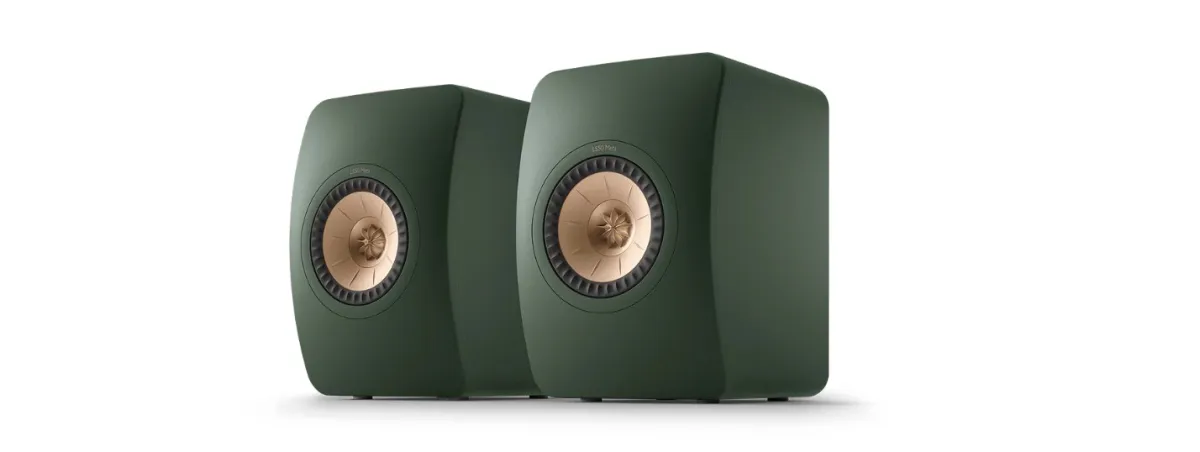
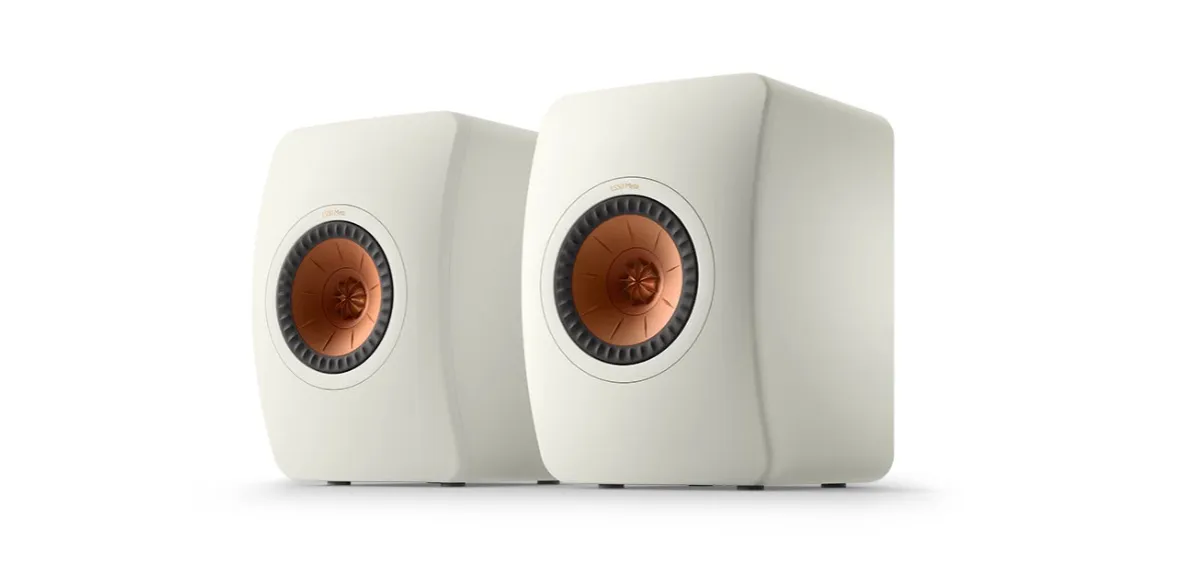
The KEF LS50 Meta are among the most popular bookshelf speakers in the world today. With careful system matching, they punch well above their weight class in terms of sound quality, competing convincingly with far more expensive designs. That said, 85 dB sensitivity and impedance dips down to 3.2 ohms impose very strict demands on amplification. In many hastily assembled setups, these speakers can sound pale and lifeless - literally draining every last drop of power from the amplifier.
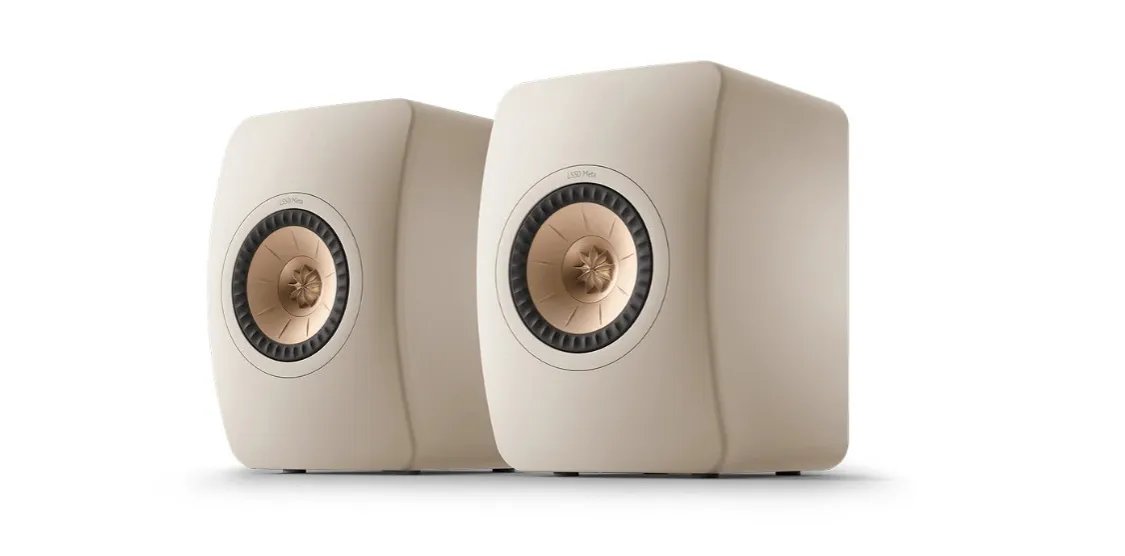
In this guide, we break down the KEF LS50 Meta's characteristics and sonic signature, describe common pairing mistakes, identify the weak points, and recommend amplifiers across several price tiers to unlock the full potential of what are, without exaggeration, extraordinary speakers. At $1,500 - the current retail price of the KEF LS50 Meta - they are an absolute gift. But one that demands proper attention during setup.
Why the KEF LS50 Meta Are Demanding to Drive
On paper, the KEF LS50 Meta have a rated sensitivity of 85 dB. Independent measurements actually show a slightly lower figure of 84.5-84.6 dB. That is more than 4-5 dB below the market average. In practical terms, it means you need four times more power to drive these speakers than you would for high-sensitivity models like the Klipsch RP-600M (96 dB).
But sensitivity alone is only half the story. On the impedance front, the KEF LS50 Meta deliver a second blow - dipping down to 3.2-3.5 ohms. A weak amplifier designed for standard 8-ohm loads will start current-limiting at those impedance valleys, resulting in a constricted sound and inadequate bass control.
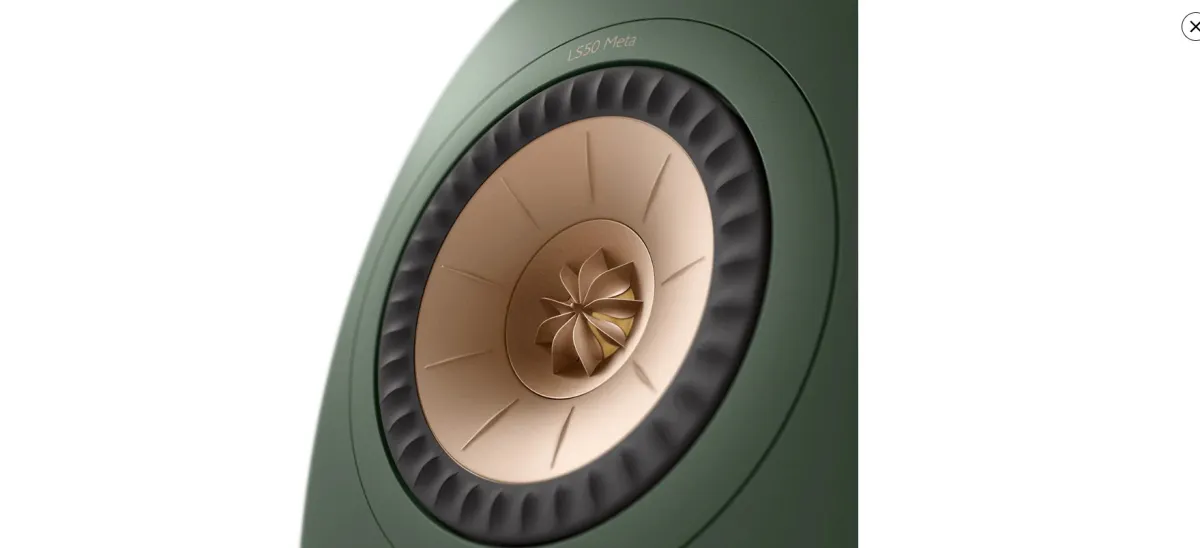
Finally, the proprietary Uni-Q driver array - a coaxial point-source system - is highly sensitive to current quality. So, cutting corners on amplification simply is not an option.
What to Look for in an Amplifier
The ideal amplification for the KEF LS50 Meta starts at a rated output of 2 x 60W into 8 ohms and 2 x 120W into 4 ohms - indicating a stable power supply and generous current reserves. The cherry on top is an amplifier rated for 2-ohm stability. Hegel, for instance, builds all their integrated amplifiers stable down to 2 ohms - which is exactly why Hegel and KEF components are so frequently paired at audio shows.
Damping factor is an equally important specification that directly affects bass quality, texture, and extension. Since the KEF LS50 Meta's woofer is only 130 mm, achieving the rated 45 Hz low-end extension is only possible when the speakers are paired with an amplifier that guarantees a high damping factor.
Finally, the KEF LS50 Meta's tonal character leans toward neutral, monitor-like presentation with a slight emphasis in the treble region (owing to the aluminum tweeter, albeit smoothed by MAT technology). Pairing these speakers with a "surgical," analytical amplifier is not recommended - the result can be a clinical, fatiguing sound. When choosing amplification, look for models with a neutral-to-warm tonal balance.
Budget Amplifiers: Under $700
At a retail price of $1,500 for the KEF LS50 Meta, this approach inevitably means compromises - but it is still worth trying if your budget demands it.
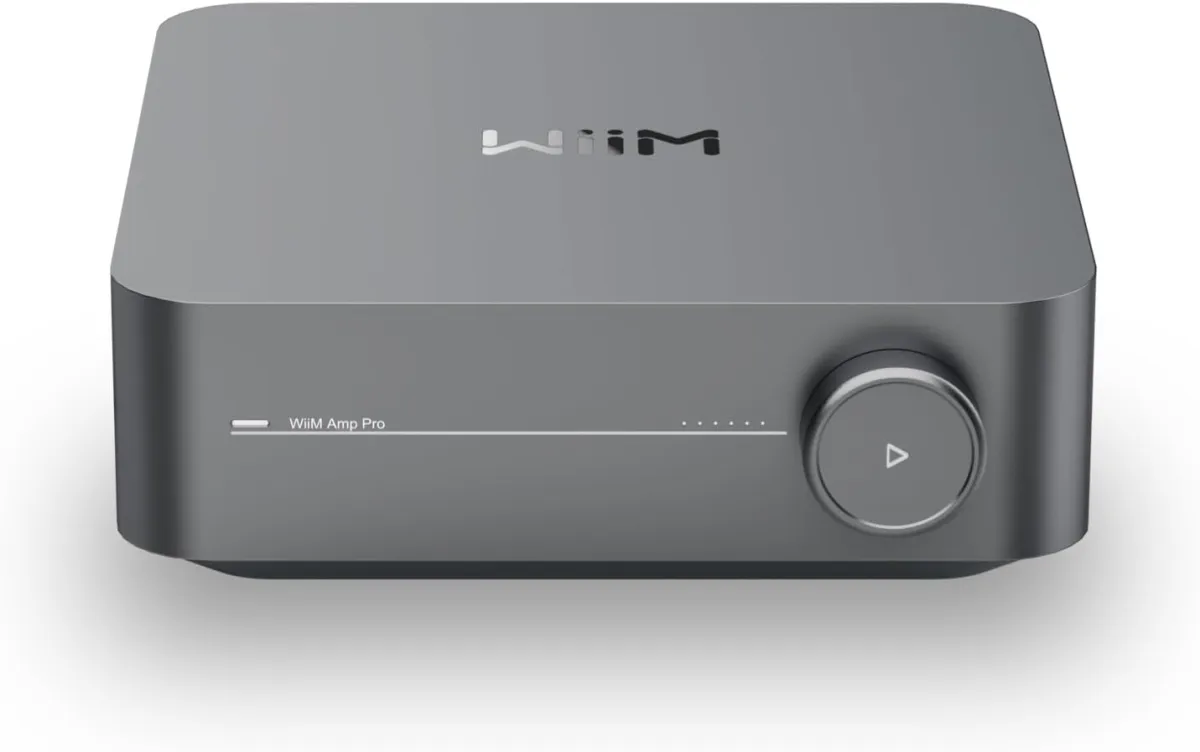
WiiM Amp - $299
Sixty watts per channel, Class D, built-in streaming with AirPlay 2, Chromecast, Spotify Connect, Tidal Connect, and room correction.
This little digital amplifier performs admirably - just do not try to use it in large rooms. For a 100-square-foot study, this entry-level option is perfectly viable, as long as you keep the volume reasonable. Push it too hard and you will hear the bass control start to slip.
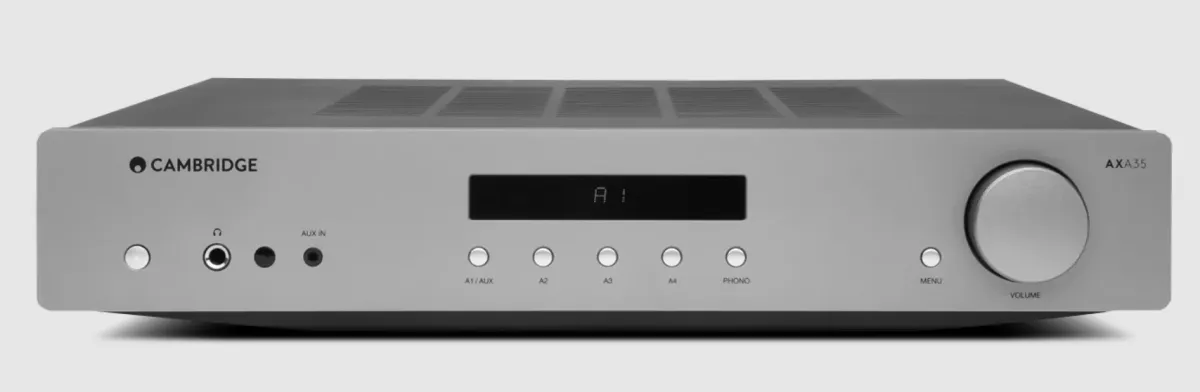
Cambridge Audio AXA35 - $350
35 watts into 8 ohms. A compromise, but a charming one.
Again, in small rooms and nearfield setups, this pairing can surprise you with its clean, rich character. However, orchestral fortissimos are off the table - so consider this option if your listening leans toward jazz, vocals, and chamber classics.
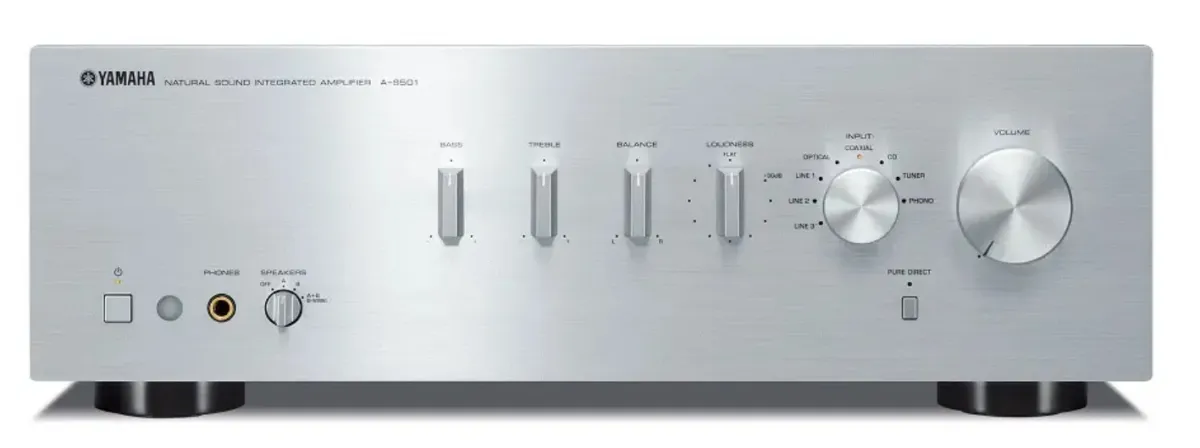
Yamaha A-S501 - $500
Class AB amplification with 85 watts per channel.
The warm tonal character of the Yamaha A-S501 pairs beautifully with the KEF LS50 Meta's sonic signature. The generous power reserves ensure focused, precise sound. The downside is features - there is no built-in DAC or streamer on board.
Mid-Range: $700 - $2,000
This price category is the sweet spot for unlocking everything the KEF LS50 Meta have to offer - everything done by the book.
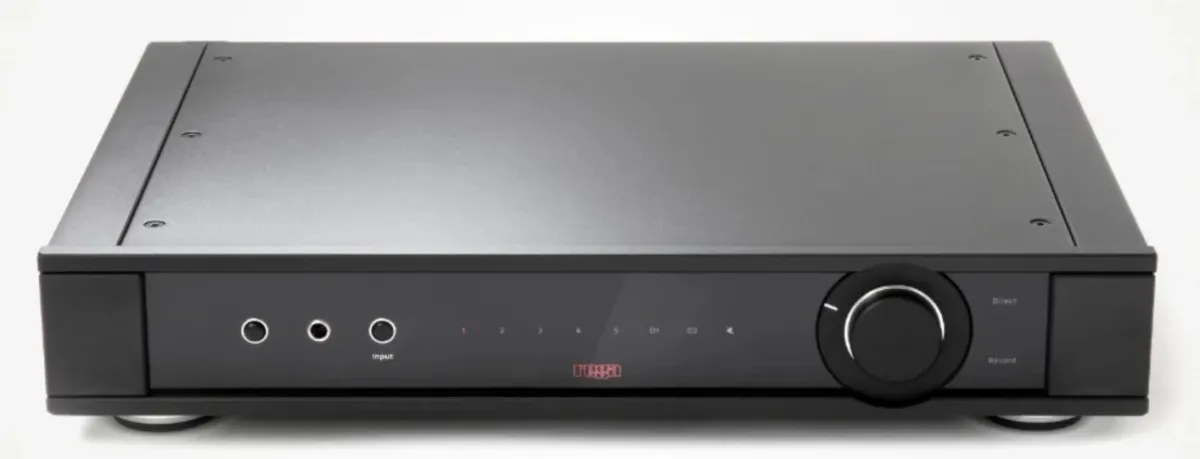
Rega Elex-R - $1,400
72.5 watts per channel into 8 ohms - a serious partner.
Rega amplifiers have always been known for high current delivery, and the Elex-R drives the KEF LS50 Meta to their full potential, delivering excellent punch. However, there is no built-in DAC or streamer here either - those will cost extra.
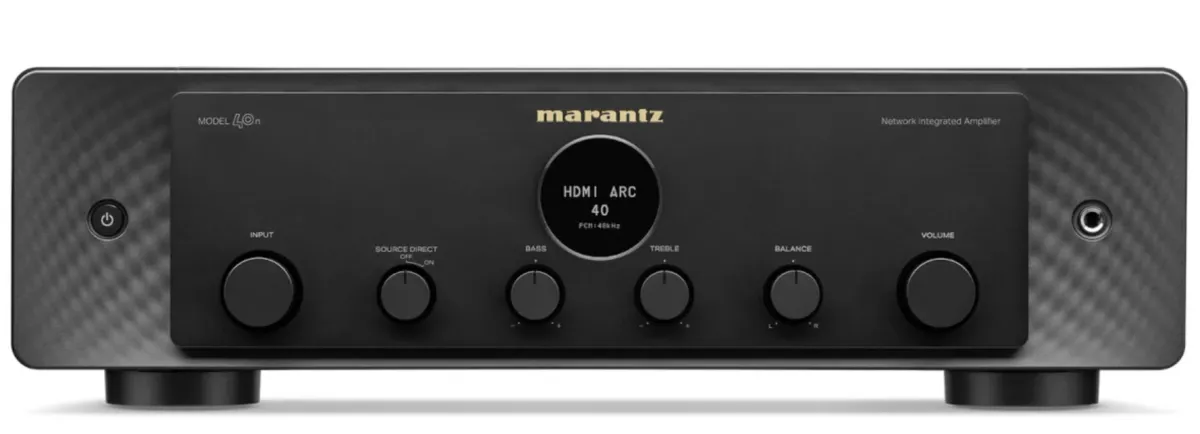
Marantz MODEL 40n - $1,700
70 watts per channel into 8 ohms, built-in HEOS streaming.
The Marantz MODEL 40n offers the full package with streaming and digital signal conversion. Its velvety, lively character will appeal to many listeners, though it may not match some competitors in terms of iron-fisted bass grip.
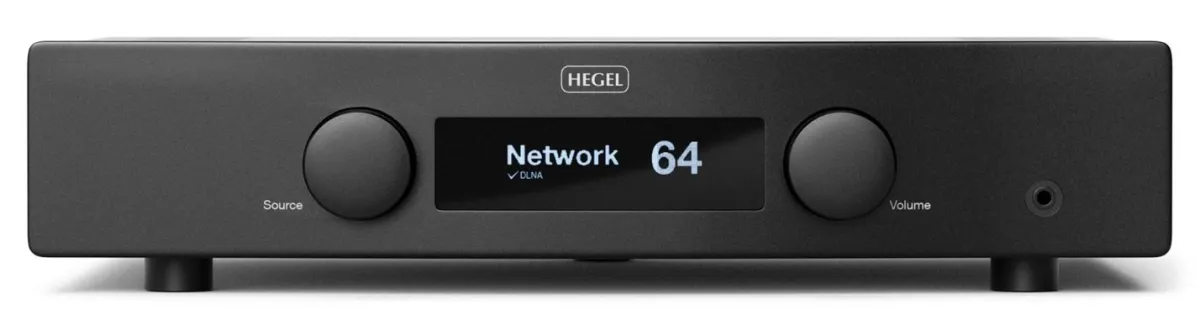
Hegel H95 - $1,925
60 watts and the proprietary SoundEngine2 circuit.
While the rated power is lower than the competition on paper, the SoundEngine2 system truly delivers - an exceptionally high damping factor with minimal distortion guarantees reference-level speaker control across the entire audible range, and the detail retrieval is superb. Built-in DAC (the same one used in the H120 and H190), streaming via AirPlay, Spotify Connect, and UPnP - everything is covered.
Expensive amps: $2,000 - $5,000
In most cases, spending more on the amplifier than the speakers is not optimal. But the KEF LS50 Meta are one of those rare cases where this approach can be justified - it will squeeze every last drop of performance from the speakers and completely neutralize their demanding electrical characteristics.
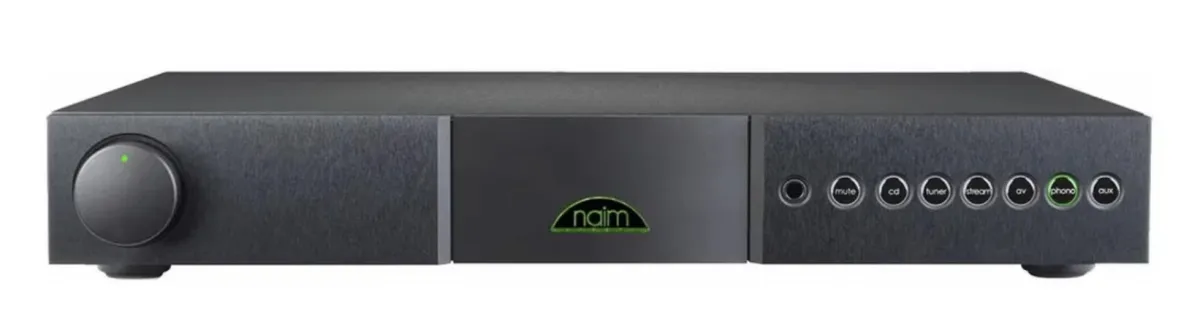
Naim Nait XS 3 - $3,000
70 watts per channel, but with enormous current reserves.
This amplifier delivers impeccable rhythmic drive and timing - your feet will start tapping on their own. The design is purist - no built-in DAC or streaming - but the sonic synergy between this component and our speakers is such that the combination could easily become a reference pairing.
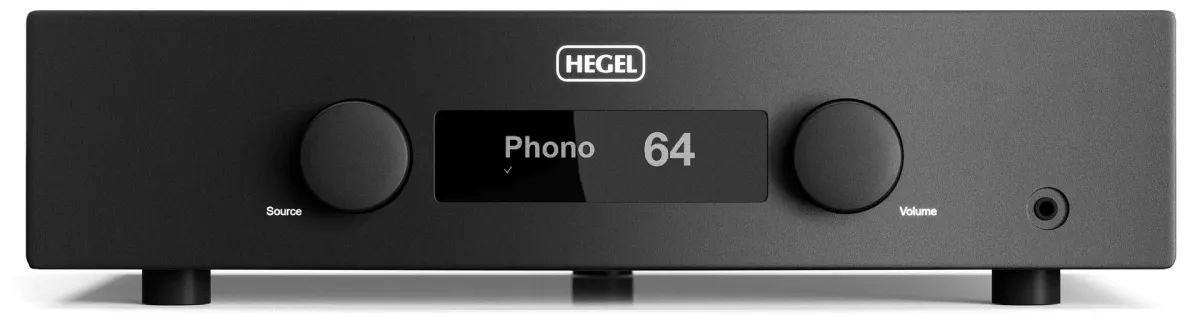
Hegel H190v - $4,200
150 watts into 8 ohms. Full streaming suite, Roon Ready, stable down to 2-ohm impedance.
Want your KEF LS50 Meta to fill a 350-square-foot room? The Hegel H190v is your answer. The massive power reserves deliver reference-level scale and panorama, while the bass texture is nothing short of exemplary. Bravo.
High-End: $5,000 and Up
This approach works as a long-term investment - if you plan to upgrade speakers in the future and want amplification that will last for decades.
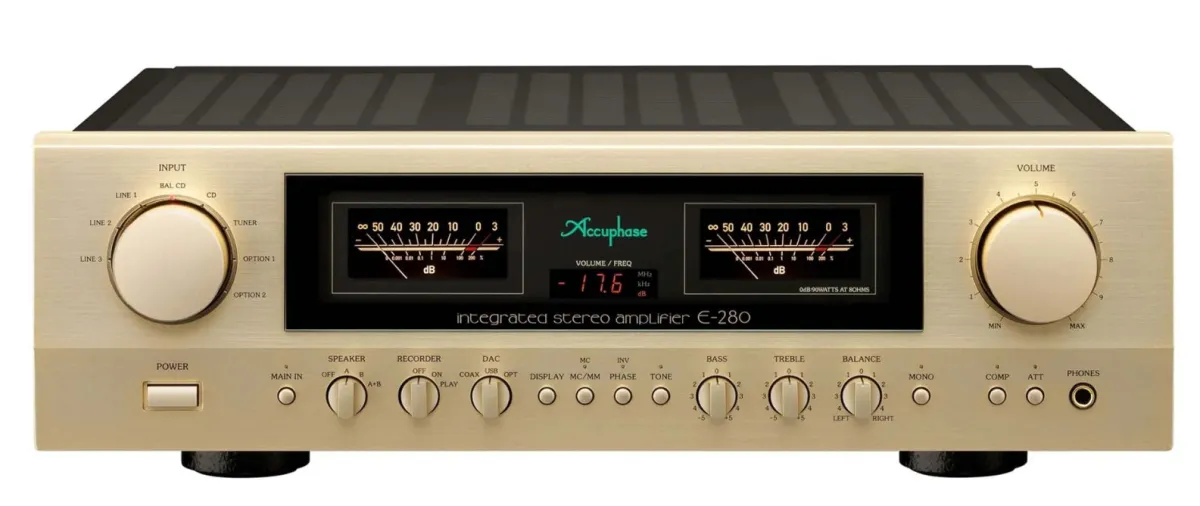
Accuphase E-280 - $6,500
90 watts per channel. The Japanese approach.
Although the Accuphase E-280 is the entry model in their lineup, its signature refined, "mercurial" character reveals itself in full glory with the KEF LS50 Meta. The exceptional built-in phono stage deserves special mention - vinyl enthusiasts will appreciate it.
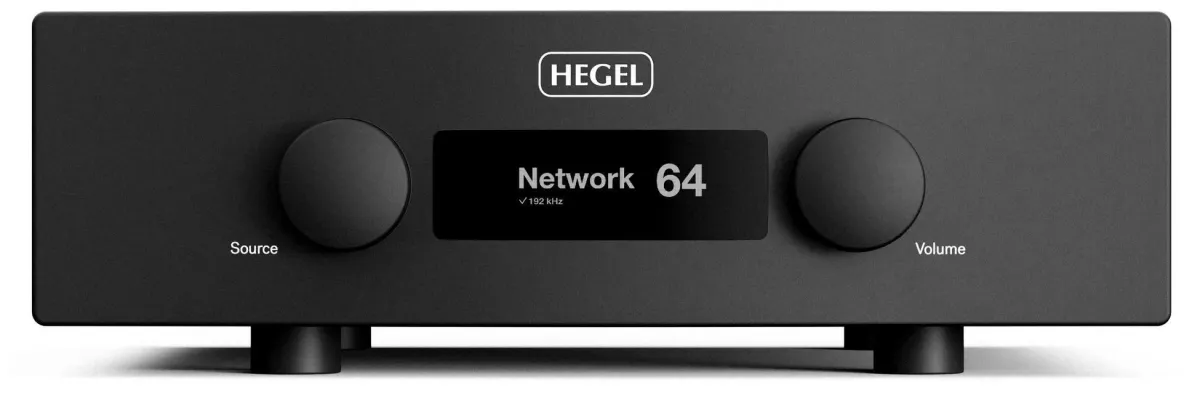
Hegel H400 - $6,995
250 watts into 8 ohms, 500 into 4 ohms, stable down to 2 ohms, full streaming suite.
Another incarnation of the proprietary SoundEngine2 circuit "on steroids" - a full 250 watts of power. Overkill for the KEF LS50 Meta? Yes and no. This ultimate approach adds even more resolution and composure on the most demanding orchestral passages.
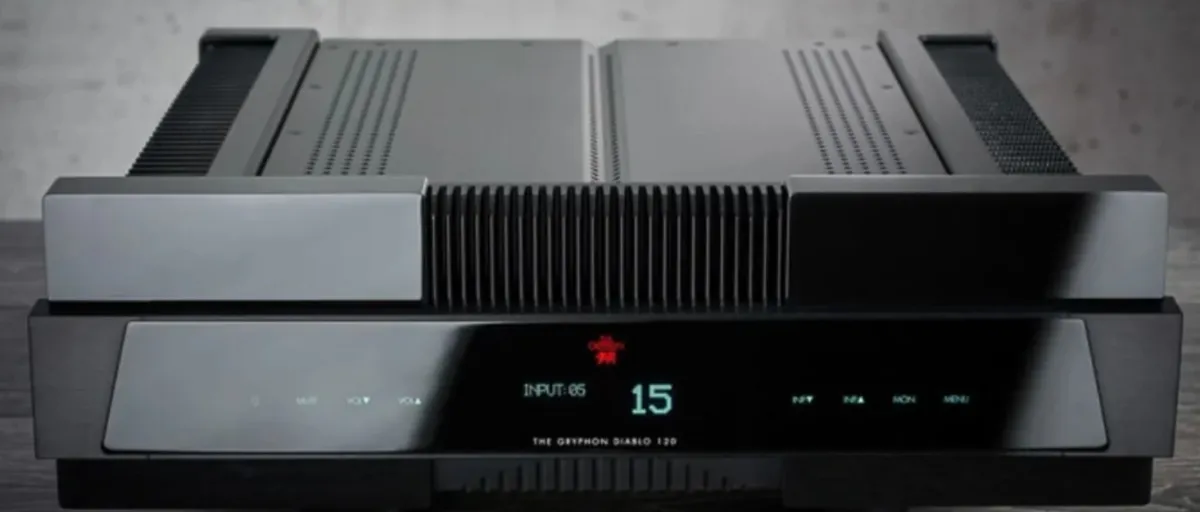
Gryphon Diablo 120 - $7,500
120 watts per channel with zero negative feedback.
The Gryphon Diablo 120 is the Porsche 911 of audio. For the LS50 Meta, it is outrageously overpowered - yet this very pairing can serve as a reference setup where you can fully evaluate the speakers' three-dimensional soundstaging and their torrent of detail. An excellent cornerstone for a system - the amplifier stays, and you upgrade the speakers in a couple of years.
Tube, Solid-State, and Class D: What Works Best for the LS50 Meta?
We recommend traditional Class AB amplification. This topology provides excellent bass control, guarantees high current output, and ensures stability when driving low-impedance speakers.
New-generation Class D designs (Purifi, Hypex, ICEpower) can deliver comparable results at lower cost. Most of the "teething problems" of this topology are in the past - today's Class D amplifiers no longer produce exaggerated highs or a clinical presentation.
Tube amplification is a tricky choice. A 2 x 10-20W design simply will not drive the KEF LS50 Meta adequately. However, a 2 x 40-80W push-pull design based on KT88 or KT120 tubes could work - but only if it operates stably into 4-ohm loads. This will not be cheap, however.
Conclusion
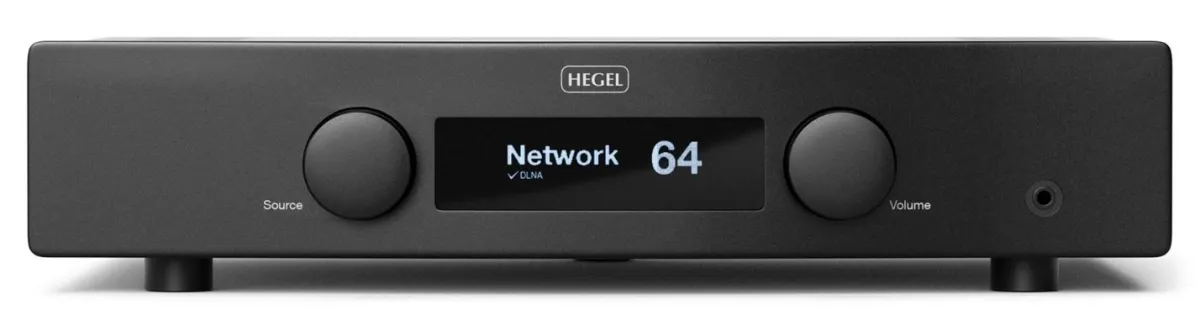
The optimal partner is the Hegel H95 at $1,925. It represents the ideal combination of capabilities and specifications - a balanced feature set, complete speaker control, excellent sound quality, and full functionality.
The WiiM Amp at $299 can serve as a starting point if you need to save money right now.
If you are looking to build a far more ambitious system in the future, the Hegel H400 at $6,995 or Gryphon Diablo 120 at $7,500 will not let you down.
Practical Tips
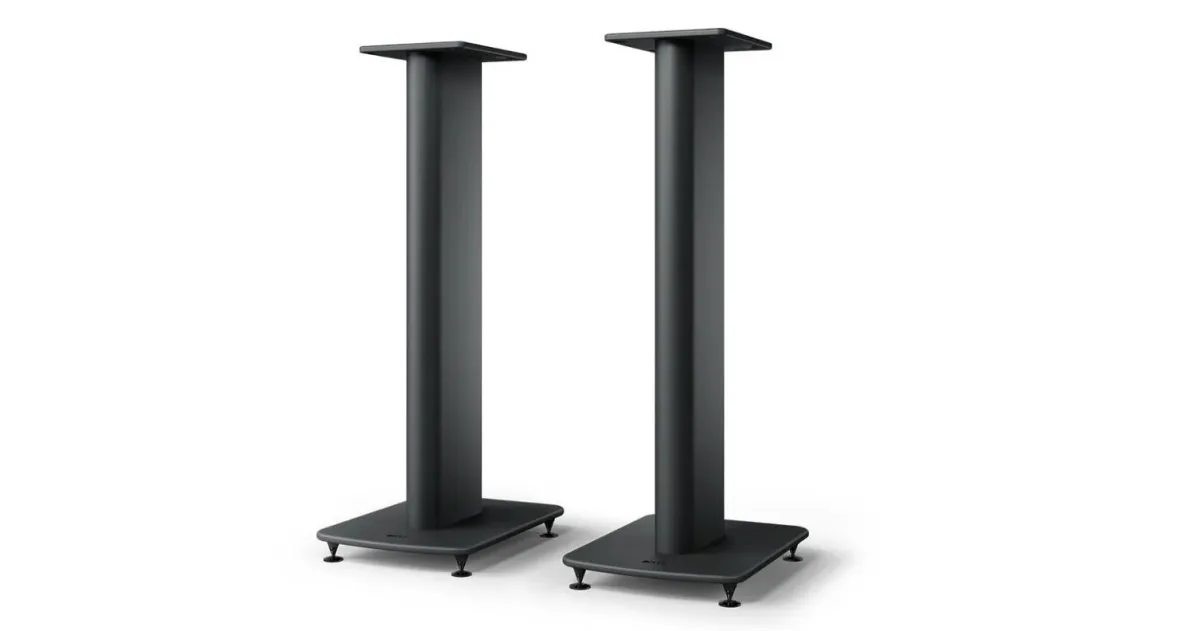
Do not skimp on stands. The KEF S2 Floor Stand ($500) was designed specifically for these speakers and positions the tweeter precisely at ear level. Alternatives include the Atacama Nexus or IsoAcoustics Aperta.
Placement matters. Keep the speakers at least 50 cm (20 inches) from the rear wall, and avoid aggressive toe-in toward the listening position - this can actually narrow the soundstage rather than widen it.
Consider a subwoofer if you find the bass lacking. A REL T/5x ($700) or KEF KC62 ($1,500) will dramatically improve the system's scale and low-frequency performance.
Cables. At this price tier, the best choices are the QED XT40, AudioQuest Rocket 11, or Chord C-Screen.
Specifications
Model name
LS50 Meta
Frequency Response low +/- 3dB (Hz)
47
Frequency Response high +/- 3dB (Hz)
45000
Sensitivity (dB at 1 W/1m)
85
Impedance (Ohms)
8
Power amplifier requirements (W)
40 - 100
Has internal amplification
N/A
Internal amplification power (W)
N/A
Size (sm)
30.2 × 20.0 × 28.05
Weight (kg)
7.8
Official link