
LAiV Harmony DAC 2 - New Balanced Discrete R2R DAC

Singapore-based LAiV has opened pre-orders for the second version of its acclaimed LAiV Harmony DAC. The Harmony DAC 2 is scheduled for release in September 2026, priced at $3,994 or €4,495. The unit employs a fully balanced R2R conversion circuit and now features a Class A output buffer, a 10 MHz master clock input, and a sample rate converter.
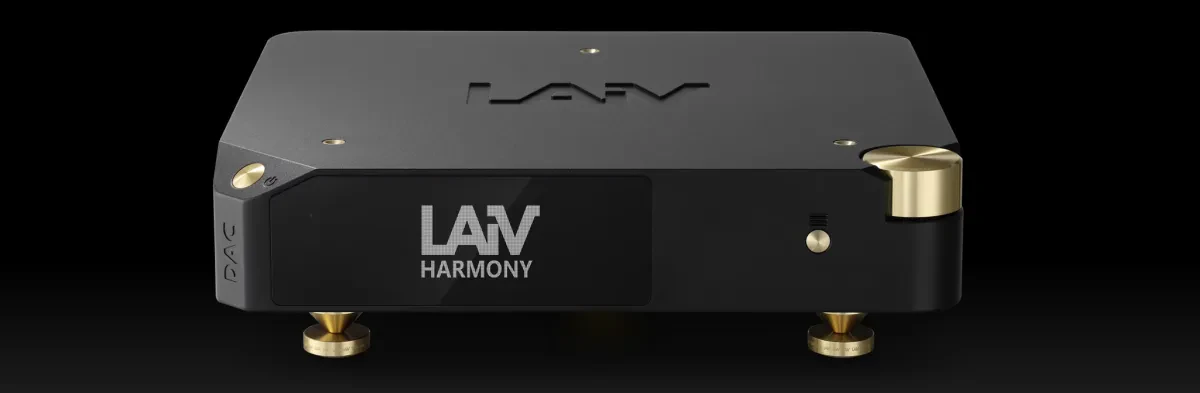
Singapore-based LAiV has opened pre-orders for the second version of its acclaimed LAiV Harmony DAC. The Harmony DAC 2 is scheduled for release in September 2026, priced at $3,994 or €4,495. The unit employs a fully balanced R2R conversion circuit and now features a Class A output buffer, a 10 MHz master clock input, and a sample rate converter.
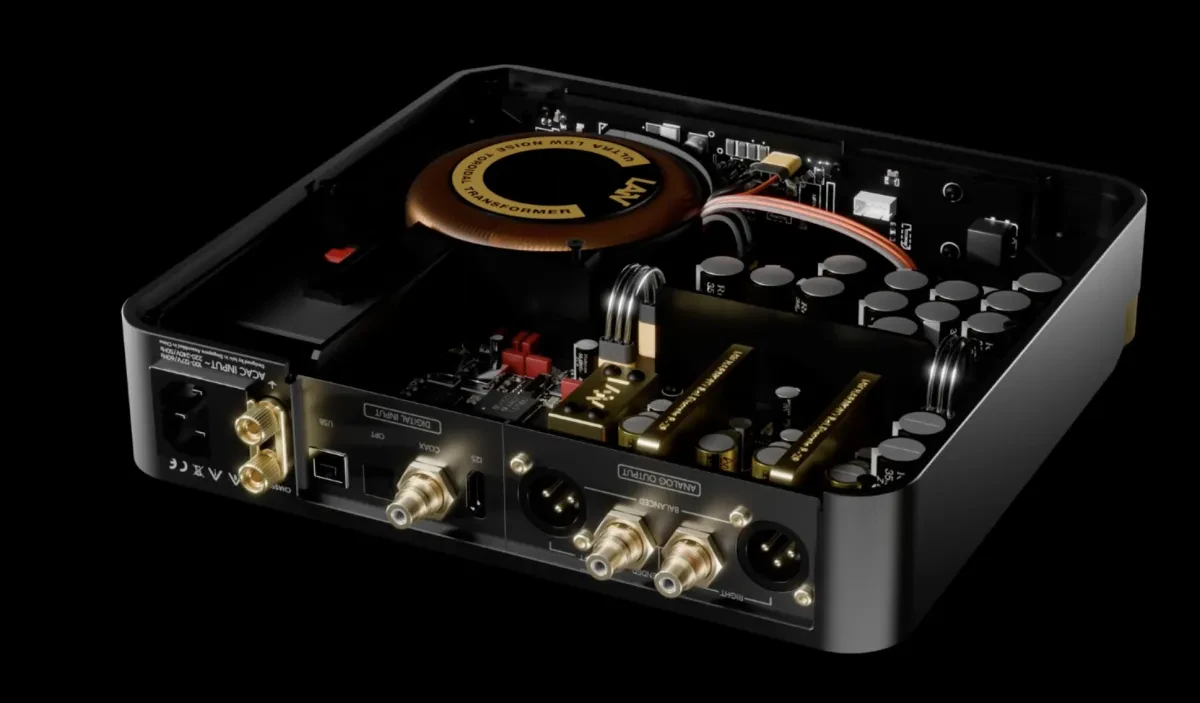
In addition to NOS (Non-Oversampling) and proprietary oversampling modes, a dedicated hardware sample rate converter (supporting PCM up to 705.6 or 768 kHz) has been added, giving users the flexibility to choose the best mode for their needs. Full digital galvanic isolation has been implemented between the input and output sections, effectively eliminating ground loops, USB bus noise, and interference from the source. The icing on the cake is the inclusion of a 10 MHz master clock input.
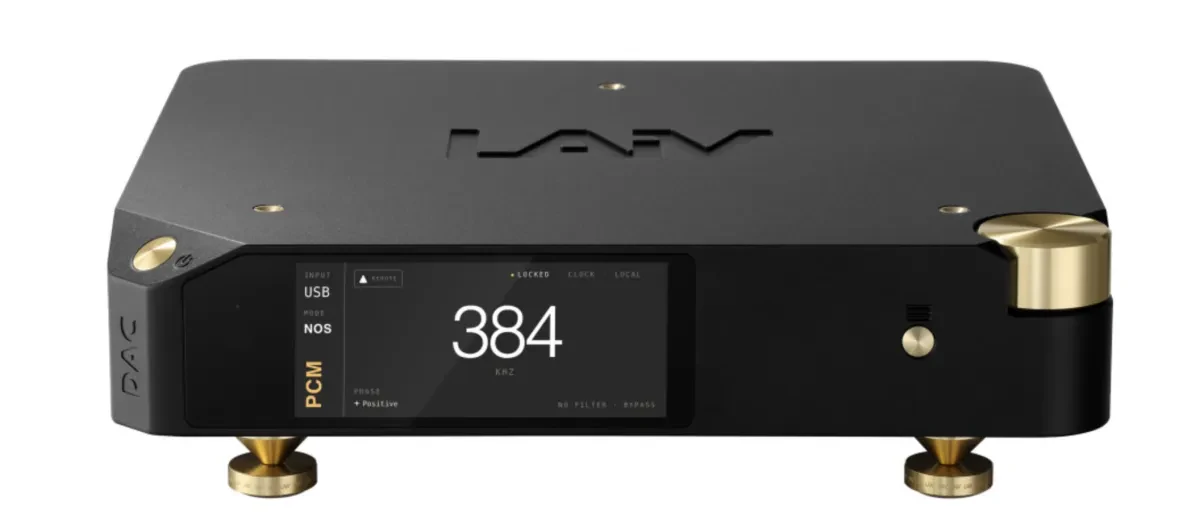
Firmware updates are now performed via a rear-panel USB-C port rather than an SD card. The package includes the Harmony RCX remote control, three isolation spikes with a placement template, a power cable, and a cleaning cloth. The chassis is available in black or silver finishes, and an upgrade kit is promised for owners of the original model.
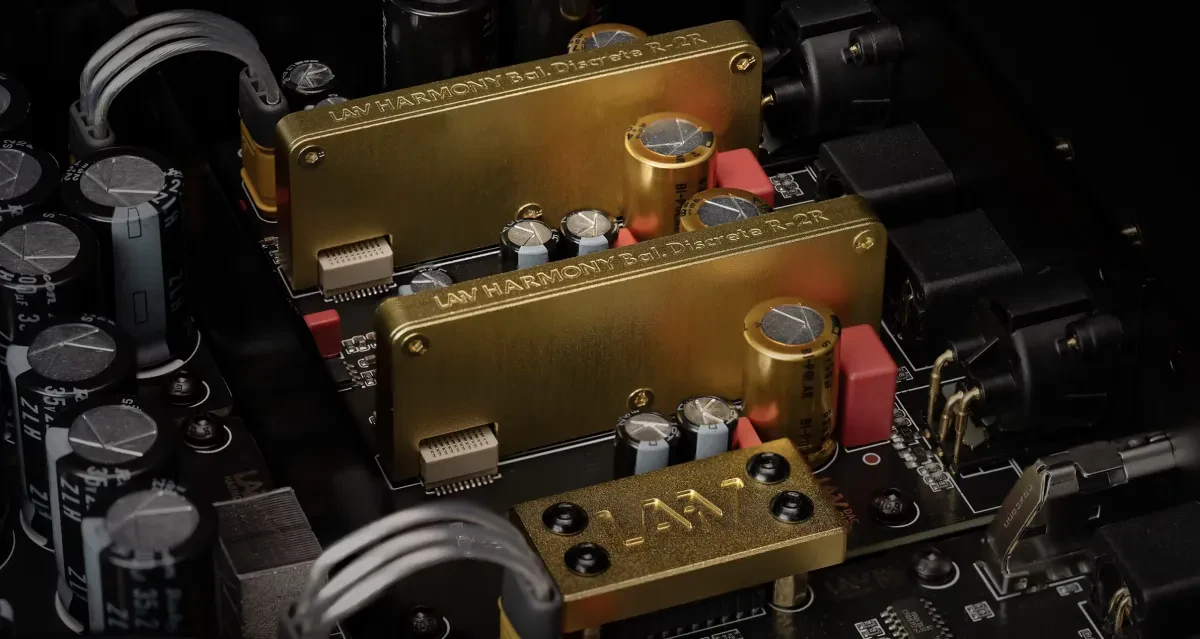
Alongside this, LAiV released the Crescendo BEAT, a linear power supply featuring two simultaneously active outputs - 15 V at 2 A and 5 V at 3 A - powered by 70 VA transformers and utilizing a Schottky diode rectifier.