

Cartridges - Hifiverse audio equipment catalog
Cartridges are the pickups that ride in the groove, converting stylus movement into a small electrical signal for the phono stage. Most fit a standard half-inch mount with two screws, while some use the P-mount plug or come integrated in a headshell. This subcategory covers moving-magnet, moving-iron and moving-coil designs, plus replacement styli, while tonearms and complete decks are listed elsewhere on the site.
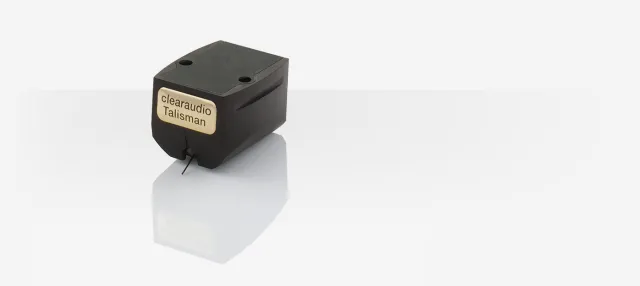
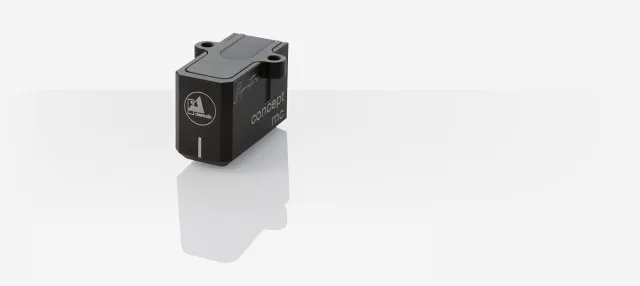





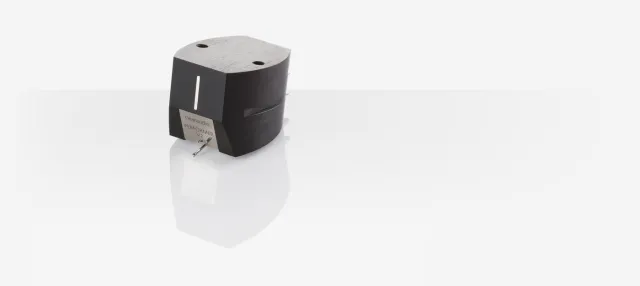


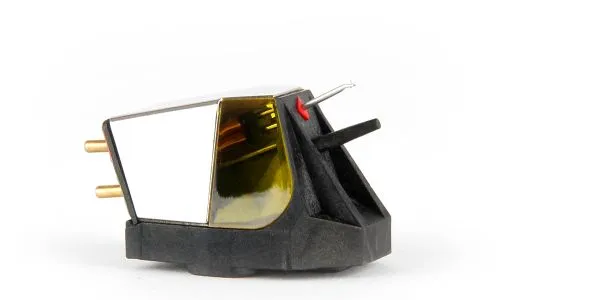
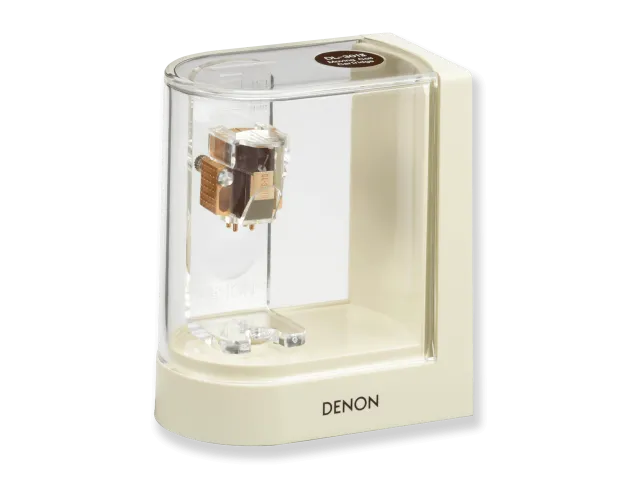

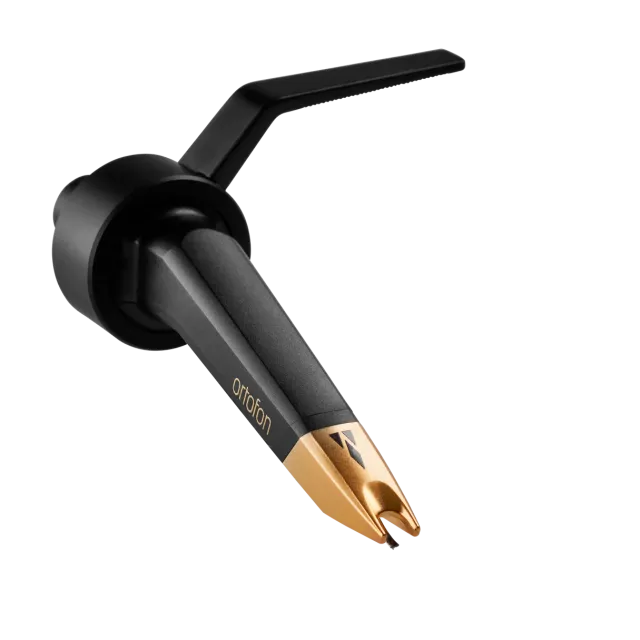
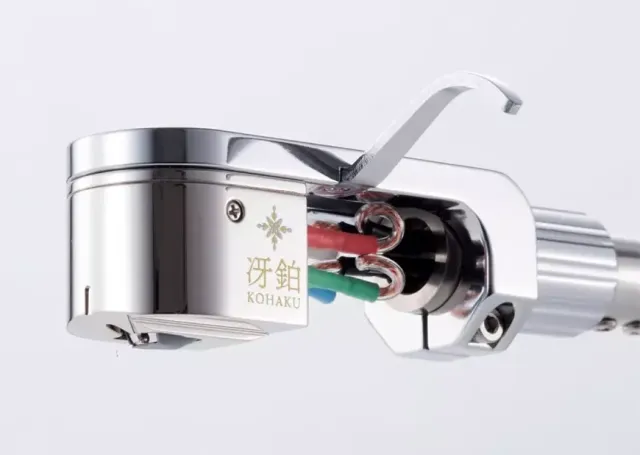


How to choose a cartridge
Choose the generator type first. Moving-magnet and moving-iron cartridges deliver about 2.5 to 6 mV, suit almost any phono input and usually take a user-replaceable stylus. Moving coils typically give 0.2 to 0.6 mV in low-output form and need high gain or a step-up transformer, and a worn stylus generally means a factory retip or exchange. Next, match compliance to your arm so that the resonance lands between 8 and 12 Hz. Then consider the stylus profile, as conical tips are tolerant of setup and worn records, while elliptical, line-contact and micro-ridge tips trace the groove more closely but need careful alignment. Finally, check cartridge weight against the counterweight range of your arm, and whether you need a mono cartridge for mono records.
Key specs that matter
Output voltage, quoted at 5 cm/s, sets the gain your phono stage must supply. Dynamic compliance is commonly between 8 and 25 x 10^-6 cm/dyn, low for many moving coils and higher for moving magnets. Recommended tracking force usually falls between 1.5 and 2.5 g. Body weight runs roughly 5 to 12 g and, with compliance and arm mass, sets the arm-cartridge resonance. Channel separation is often 25 to 35 dB at 1 kHz.
Price ranges & what you get
Most cartridges priced up to USD 300 are moving magnets with conical or elliptical tips and aluminium cantilevers. From USD 300 to 1,500, buyers move to line-contact or micro-ridge profiles and entry moving coils. Above USD 1,500, expect boron, sapphire or diamond cantilevers, open or machined bodies and tighter channel balance.
Related subcategories & reading
A cartridge needs an arm with suitable effective mass, so check tonearms for figures. Phono stages covers the gain and loading each generator type requires, and turntables lists decks with arms fitted. Our vinyl articles explain alignment and stylus care.