

Floorstanding loudspeakers - Hifiverse audio equipment catalog
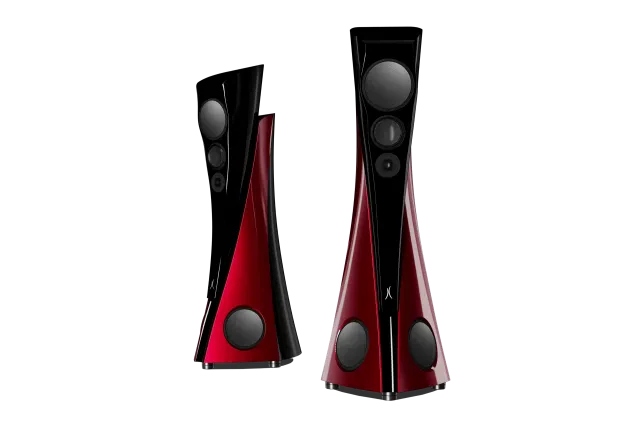
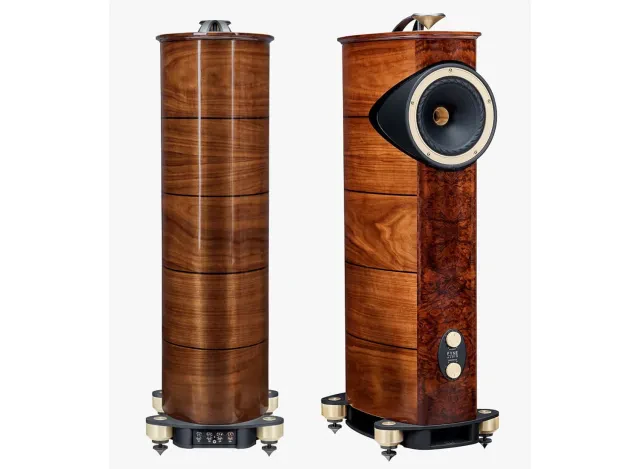
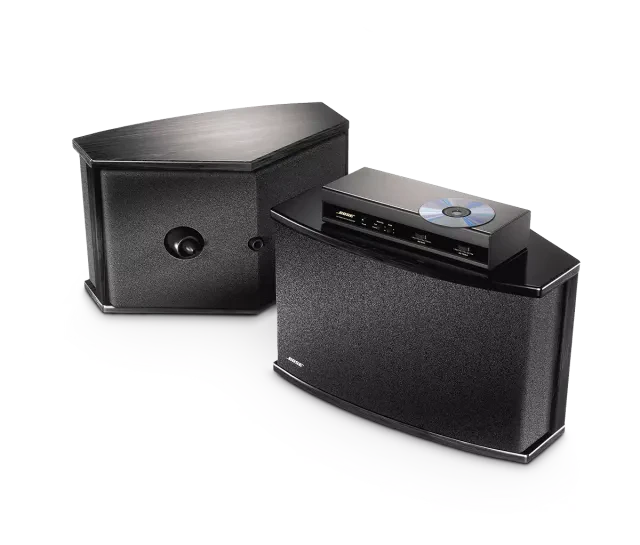
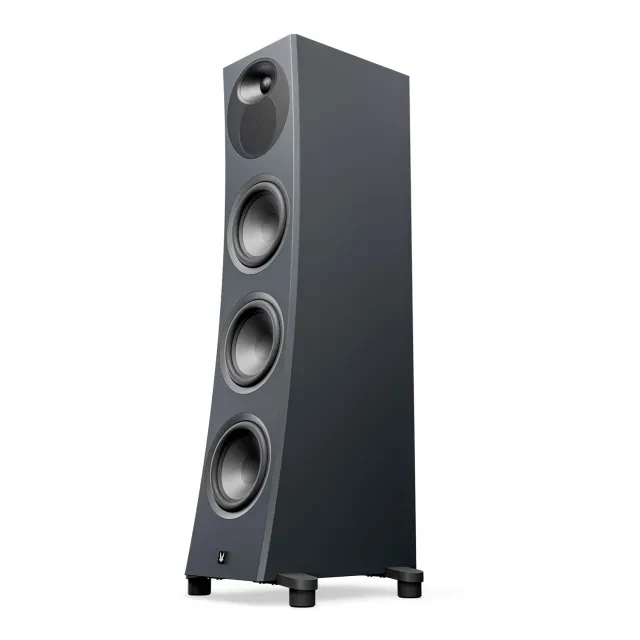
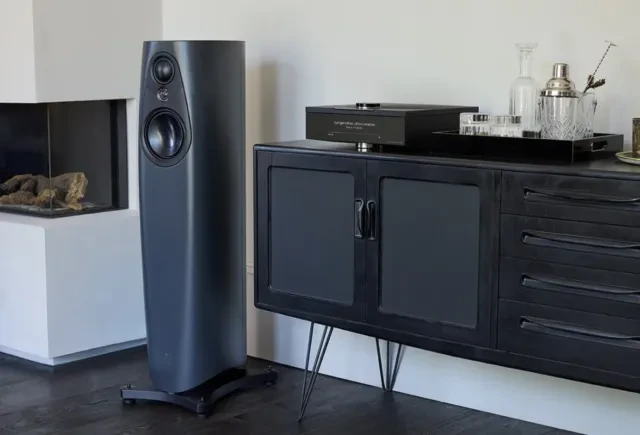
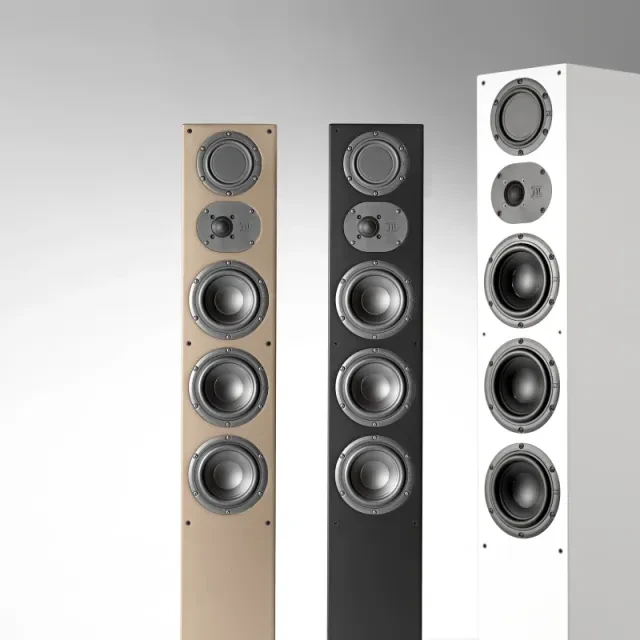
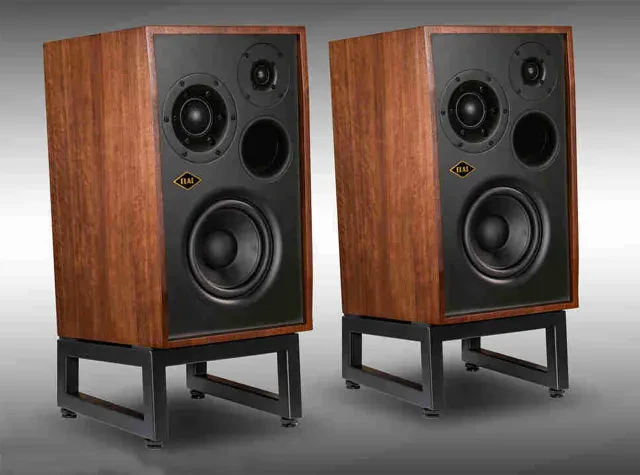
Floorstanding loudspeakers, or towers, stand directly on the floor and use a tall cabinet with more internal volume than a stand-mounted box. That volume and room for several woofers let many towers reach down to around 30 to 40 Hz without a subwoofer. This subcategory covers full-range two-way, three-way and larger designs, while compact models sit under bookshelf speakers.
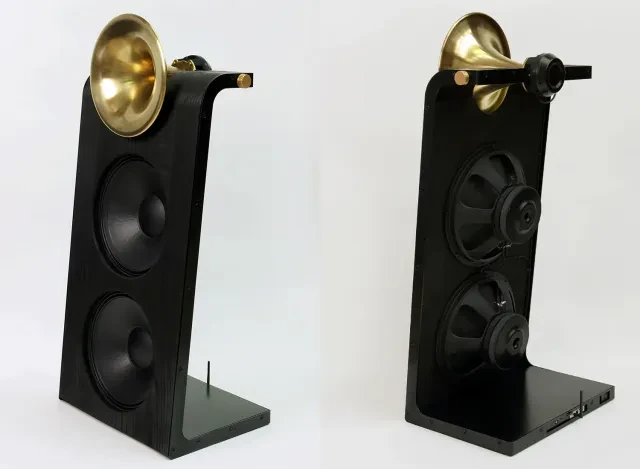
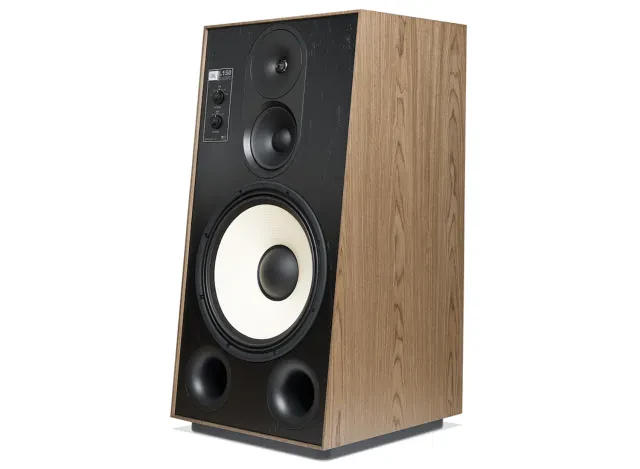
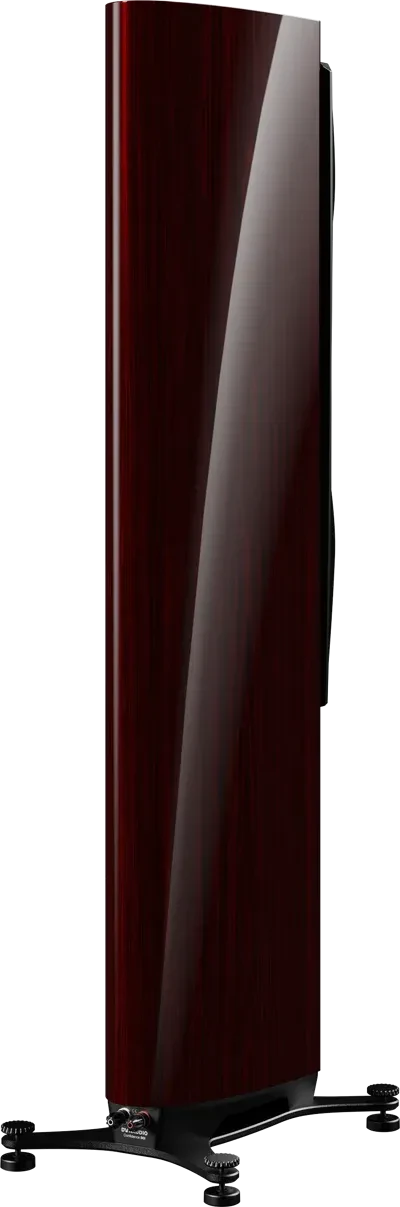
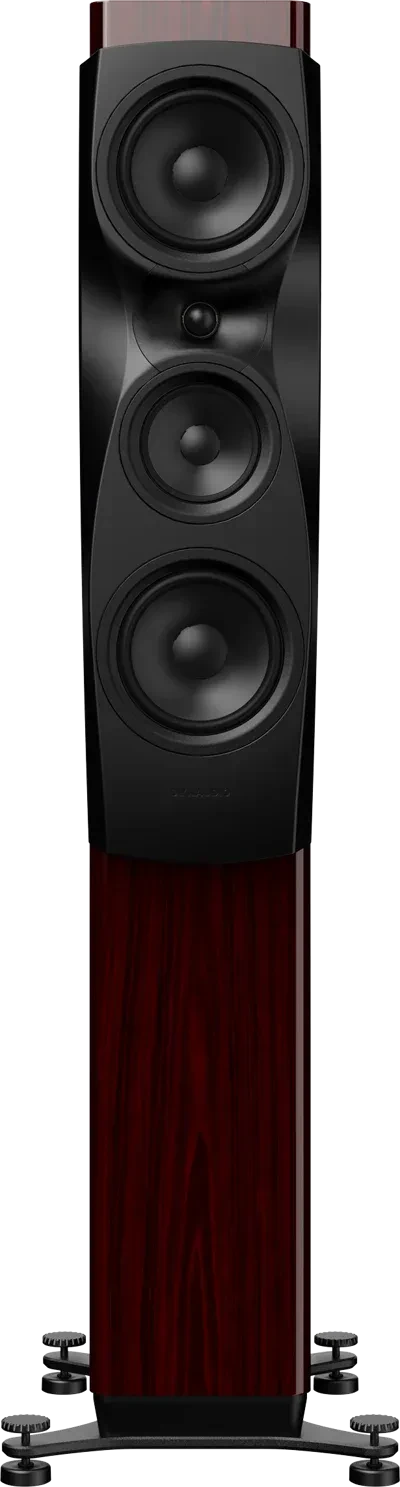
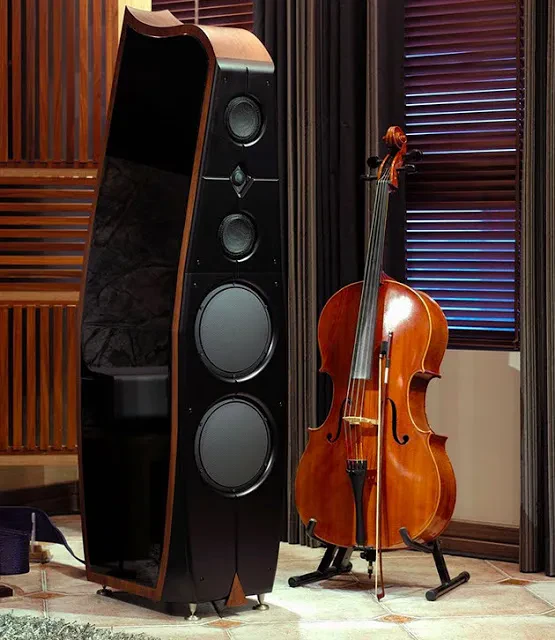
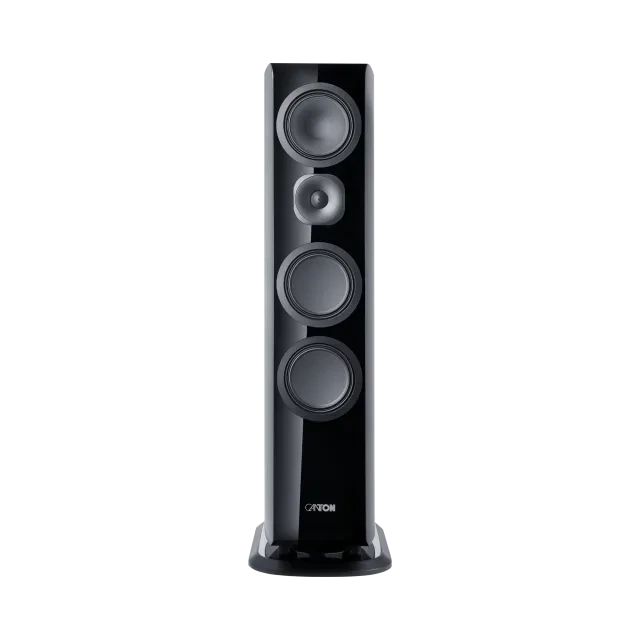
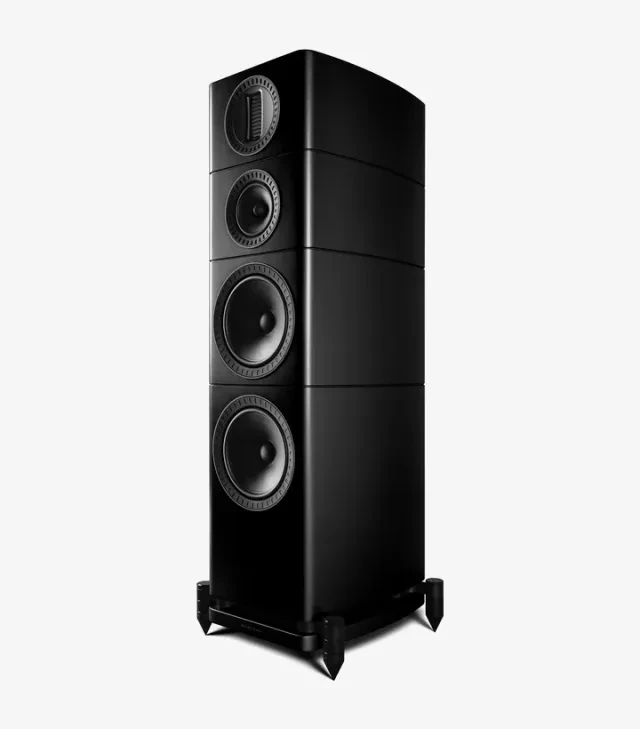
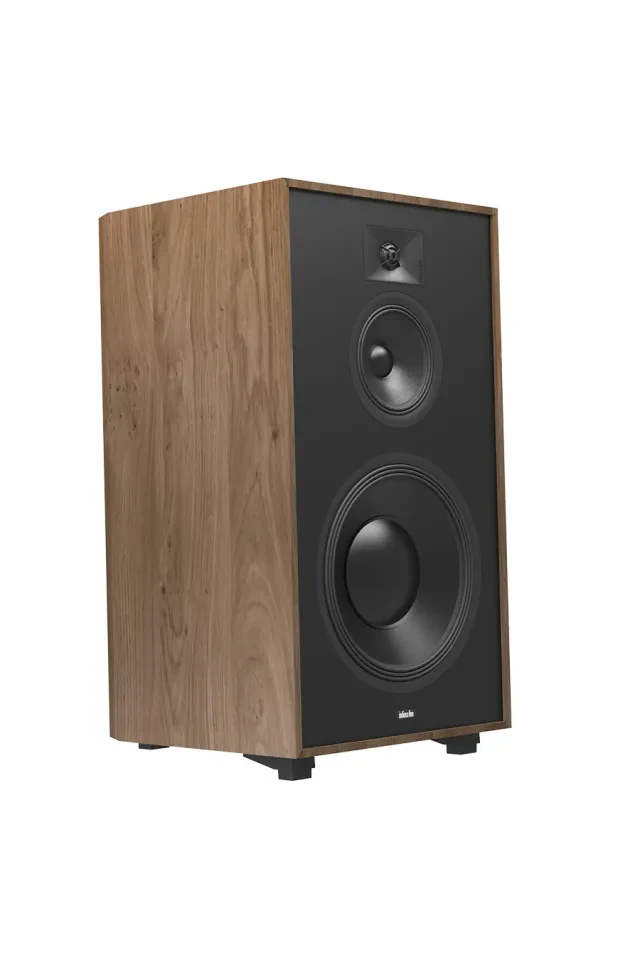
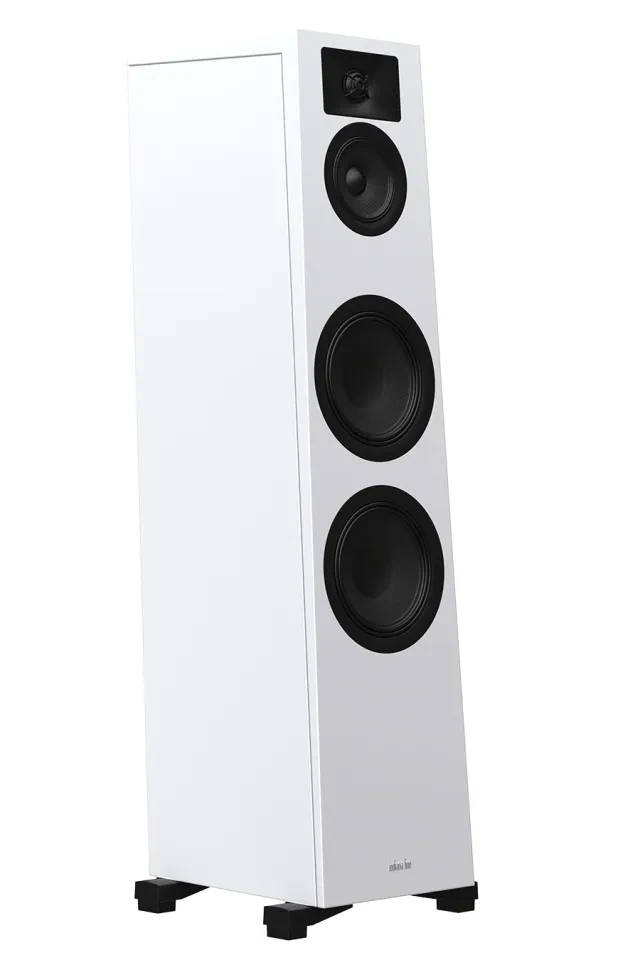
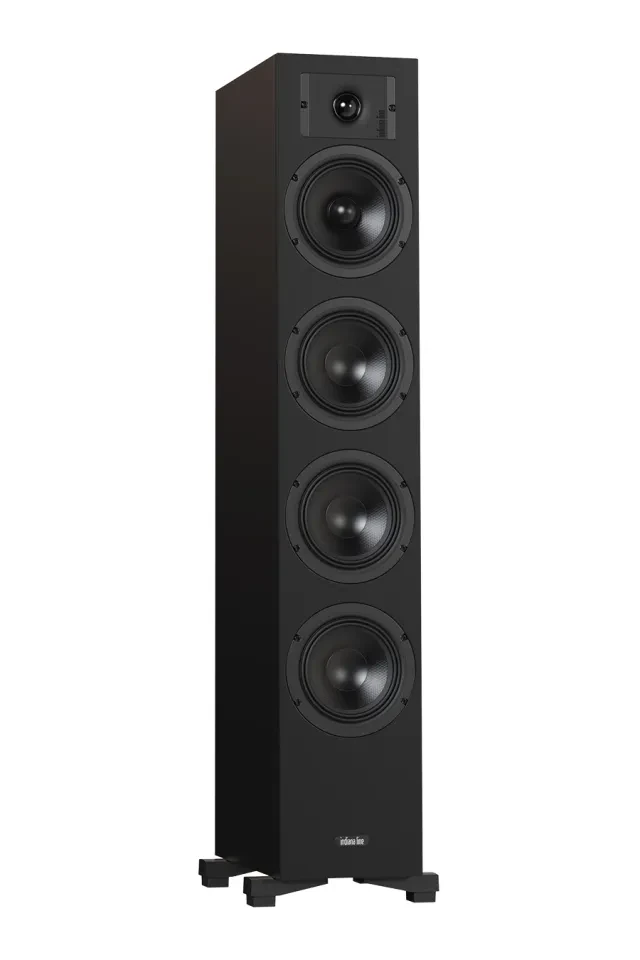

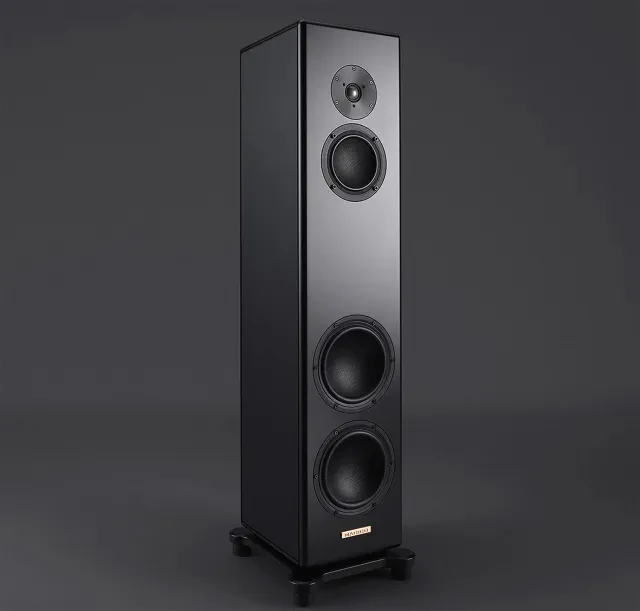
How to choose floorstanding speakers
Size the speaker to your room. Slim towers with one or two 5 to 6.5 inch woofers suit spaces up to about 25 m2, while large three-way models with 8 inch or bigger drivers need a larger room and more distance from walls. Next, match the load to your amplifier. Sensitivity above 90 dB works with low-power tube amplifiers, while 4-ohm designs near 86 dB need a capable solid-state amplifier. Consider the bass loading, as rear ports want space behind the cabinet, and sealed or front-ported towers tolerate positions closer to a wall. Check the terminals too, because bi-wire posts allow bi-amping later. Finally, note the weight and footprint, since many towers exceed 30 kg each and need spikes or feet on the floor.
Key specs that matter
Sensitivity, usually 86 to 92 dB at 1 W and 1 m, sets how much power you need. Nominal impedance of 4 to 8 ohms, and the minimum value, show the current demand. Low-frequency extension, quoted at a stated tolerance such as minus 6 dB, shows real bass reach. Driver count and crossover points describe how the work is split between drivers.
Price ranges & what you get
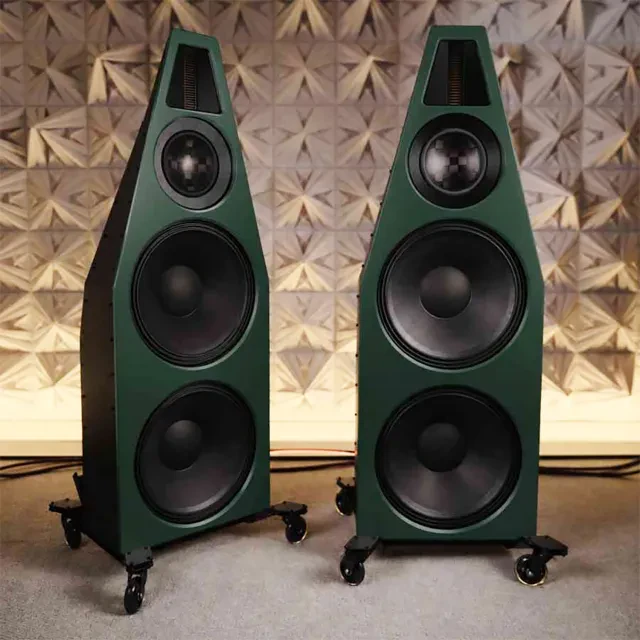
Under USD 1,500 a pair, towers are mostly two-and-a-half or three-way designs with paper or polypropylene cones and vinyl-wrapped cabinets. From USD 1,500 to 10,000, expect braced real-wood or lacquered cabinets, aluminium or ceramic drivers and better crossover parts. Above USD 10,000, the range adds separate bass enclosures, beryllium or diamond tweeters and very heavy cabinets.
Related - bookshelf speakers & reading
Bookshelf speakers suit smaller rooms, and subwoofers extend bass further. Power amplifiers stereo and integrated amplifiers drive towers. Our loudspeaker articles cover placement and sensitivity basics.