
Best Class D Amplifiers in 2026: From Budget to Audiophile-Grade GaN
The Technology That Stopped Being a Compromise - Starting at $89

Ten years ago, the phrase "digital amplification, Class D" drew a skeptical smile from more than just audiophiles - even casual music lovers and budget Hi-Fi enthusiasts would curl their lips in disdain. There was plenty to criticize about Class D: their use in computer speakers or subwoofers was justifiable, but applying digital amplification in integrated amplifiers or power amps driving full-range speakers often produced an unpleasant artificial sound with piercing highs and obvious tonal shortcomings. But the world moves on - modern Class D amplifiers built on Purifi Eigentakt modules, Hypex NCx500, or GaN (gallium nitride) transistors sound far more impressive and can now compete on equal footing with traditional Class AB amplification at the very least.
Engineers from Denmark (Purifi), the Netherlands (Hypex), and the USA (Orchard Audio, AGD Productions) have solved Class D's main problems - high-frequency distortion, heavy dependence on speaker impedance, and synthetic-sounding reproduction. In this analytical article, we break down the principles of digital amplification, describe the major modern Class D modules, and select the best among digital amplifiers priced from $89 to $6,500.
How Class D Works
Class A amplification keeps transistors permanently open to current, regardless of the music signal or pauses. Distortion is minimal and the sound is ideal, but efficiency does not exceed 15-25%, and heat output is enormous. The more compromised Class AB amplification delivers 50-65% efficiency with higher distortion, which inevitably affects sound quality.
Class D works on a fundamentally different principle. Transistors switch between fully open and fully closed states at frequencies from 300 kHz to 800 kHz, creating PWM (pulse-width modulation) of the input signal. An output LC filter then restores the analog signal. Efficiency reaches 90-95% with minimal heat output and, consequently, compact device dimensions. In early models, the output filter characteristics shifted noticeably depending on speaker impedance, which produced those notorious "screeching" highs.
Modern Class D models have largely eliminated these problems (THD+N below 0.001%, signal-to-noise at 120 dB, stable operation with loads from 2 ohms). Purifi uses a feedback loop with real-time correction. Hypex NCore takes feedback directly from the output terminals. Finally, the pinnacle: GaN transistors switch 2-3 times faster than silicon MOSFETs (800 kHz versus 300 kHz), reducing distortion and enabling a very simple output filter.
Class D Module Types
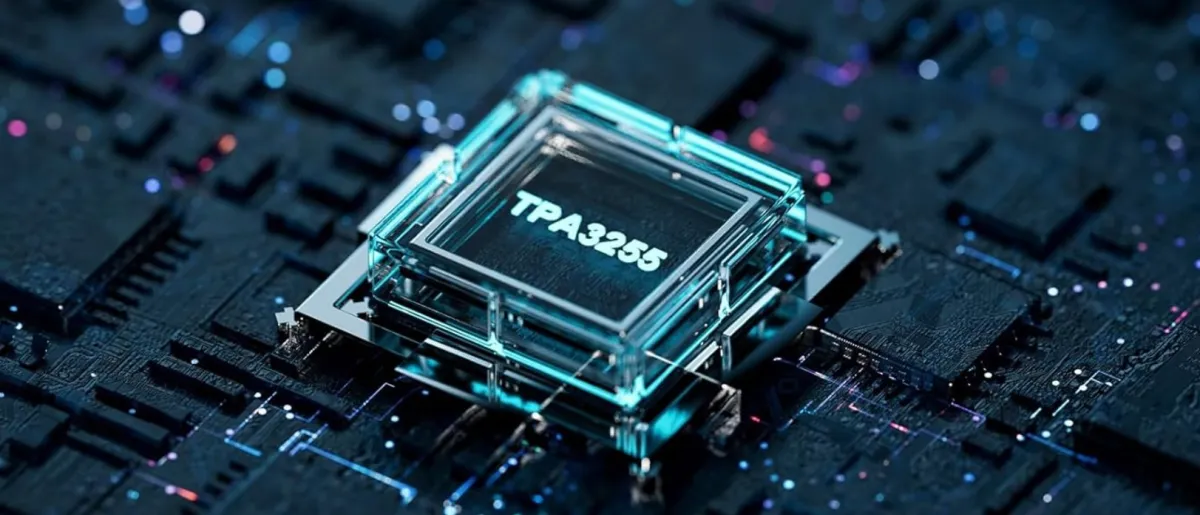
Texas Instruments TPA3255 - up to 600 W in mono mode with excellent measurements.
Purifi Eigentakt - leader in measurements, minimal load dependency.
Hypex Nilai 500 - the latest development with very high sound quality.
Hypex NCx500 - previous generation, excellent price-to-performance ratio; Hypex NCore - already a classic.
GaN - highest sound quality, higher price.
ICEpower - primarily used in subwoofers today.
Budget Class: Under $600
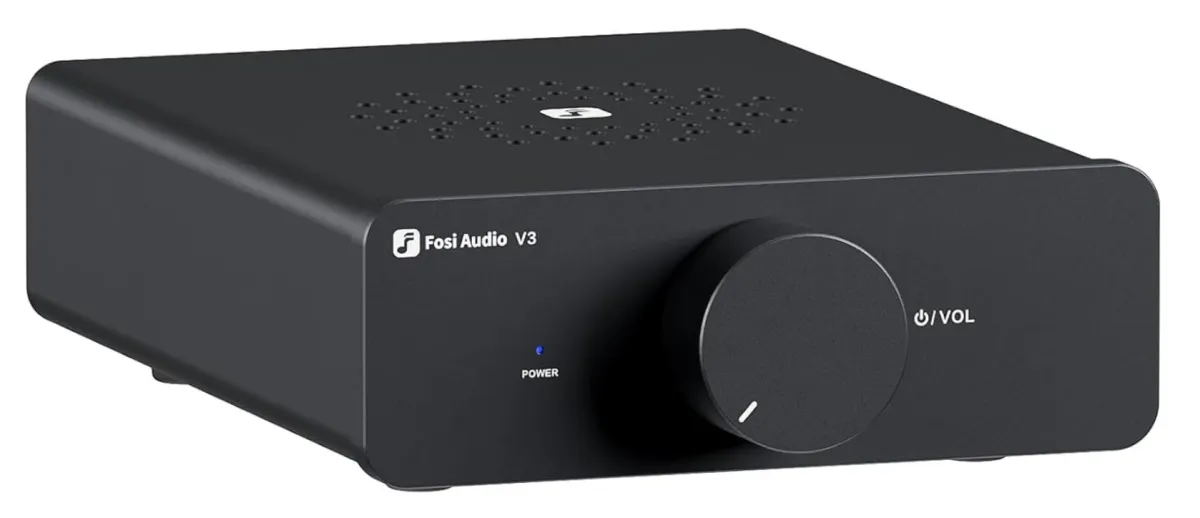
Fosi Audio V3
$89.99
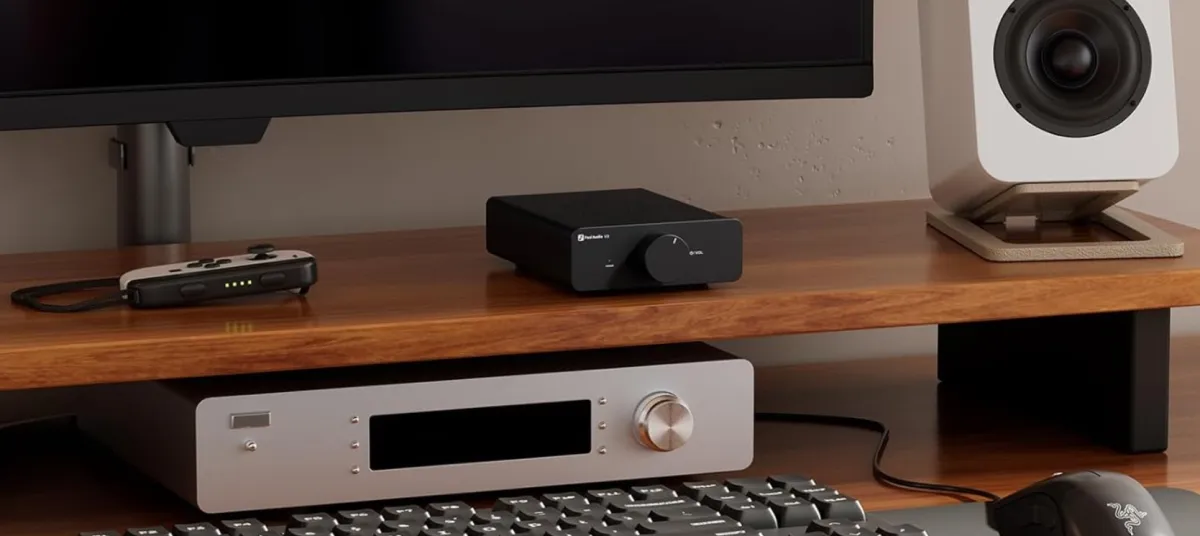
An integrated amplifier delivering up to 2 x 300 W into 4-ohm speakers for ninety dollars?! Yes, these are indeed the capabilities of the Class D Texas Instruments TPA3255 module. It also features WIMA, NCC, and ELNA capacitors along with precision Sumida inductors. The operational amplifiers (NE5532) can be upgraded to Sparkos SS3602, MUSES02, and others. The sound is remarkable and matches amplifiers costing five times as much - bravo, Fosi. For those who need a monoblock configuration, Fosi offers the V3 Mono.
Specifications
Model name
V3
Type
Compact Integrated Amplifier
Analog inputs (balanced)
1
Analog inputs (single-ended)
N/A
Input sensitivity (mV)
N/A
Input impedance (balanced) (Ω)
N/A
Input impedance (single-ended) (Ω)
N/A
Output impedance (balanced) (Ω)
N/A
Output impedance (single-ended) (Ω)
N/A
D/A conversion
N/A
Phono MM/MC current-sensing input impedance (Ω)
N/A
Output power (8Ω) (W)
N/A
Output power (4Ω) (W)
2 x 300
Gain (dBu)
N/A
Frequency response low +/- 3dB (Hz)
20
Frequency response high +/- 3dB (Hz)
20 000
Signal to Noise Ratio (dB)
>110
Total Harmonic Distortion + Noise (%)
<0.003
Damping factor
N/A
Dimensions (mm)
N/A
Weight (kg)
N/A
Official link
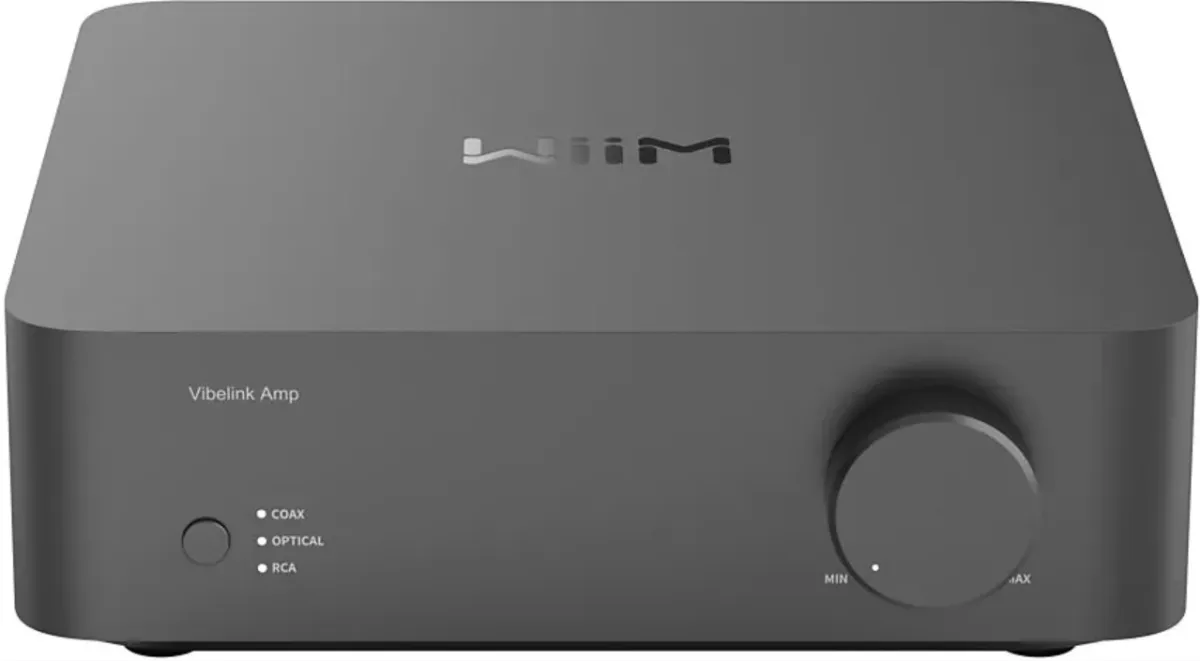
WiiM Amp
$369
Another integrated amplifier based on the Class D Texas Instruments TPA3255 chip, but with full streaming capabilities (AirPlay 2, Chromecast, Spotify Connect, Tidal Connect) and an ESS Sabre DAC supporting 24/192 signals. HDMI ARC and multi-room operation are included, while the power output of 2 x 60 W into 8 ohms or 2 x 120 W into 4 ohms is more than adequate. The sound is decidedly hi-fi - rhythmic and precise.
Specifications
Model name
Amp
Type
Network Integrated Amplifier
Analog inputs (balanced)
1
Analog inputs (single-ended)
N/A
Input sensitivity (mV)
N/A
Input impedance (balanced) (Ω)
N/A
Input impedance (single-ended) (Ω)
N/A
Output impedance (balanced) (Ω)
N/A
Output impedance (single-ended) (Ω)
N/A
D/A conversion
N/A
Phono MM/MC current-sensing input impedance (Ω)
N/A
Output power (8Ω) (W)
60
Output power (4Ω) (W)
120
Gain (dBu)
N/A
Frequency response low +/- 3dB (Hz)
N/A
Frequency response high +/- 3dB (Hz)
N/A
Signal to Noise Ratio (dB)
98
Total Harmonic Distortion + Noise (%)
0.0025
Damping factor
N/A
Dimensions (mm)
217 × 190 × 64
Weight (kg)
1.84
Official link
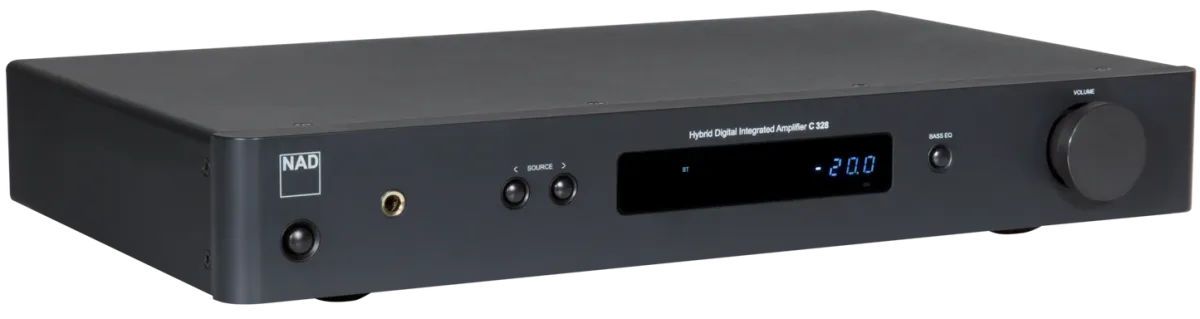
NAD C 328
$599
An integrated amplifier built on Hypex UcD modules with NAD's proprietary HybridDigital technology. 2 x 50 watts per channel with dynamic power up to 100 W; it comes equipped with a DAC, streamer, Bluetooth wireless module, and even a phono stage for vinyl. Although this model has been on the market for some time, it can still hold its own against newcomers, delivering NAD's signature dense, authoritative sound.
Specifications
Model name
C 328
Type
Integrated Amplifier with Phono and DAC
Analog inputs (balanced)
N/A
Analog inputs (single-ended)
3 + 1 (Phono)
Input sensitivity (mV)
N/A
Input impedance (balanced) (Ω)
N/A
Input impedance (single-ended) (Ω)
N/A
Output impedance (balanced) (Ω)
N/A
Output impedance (single-ended) (Ω)
N/A
D/A conversion
Yes
Phono MM/MC current-sensing input impedance (Ω)
N/A
Output power (8Ω) (W)
50
Output power (4Ω) (W)
50
Gain (dBu)
N/A
Frequency response low +/- 3dB (Hz)
20
Frequency response high +/- 3dB (Hz)
20 000
Signal to Noise Ratio (dB)
N/A
Total Harmonic Distortion + Noise (%)
N/A
Damping factor
N/A
Dimensions (mm)
435 x 70 x 285
Weight (kg)
4.9
Official link
Mid-Range Class: $995 - $1,500
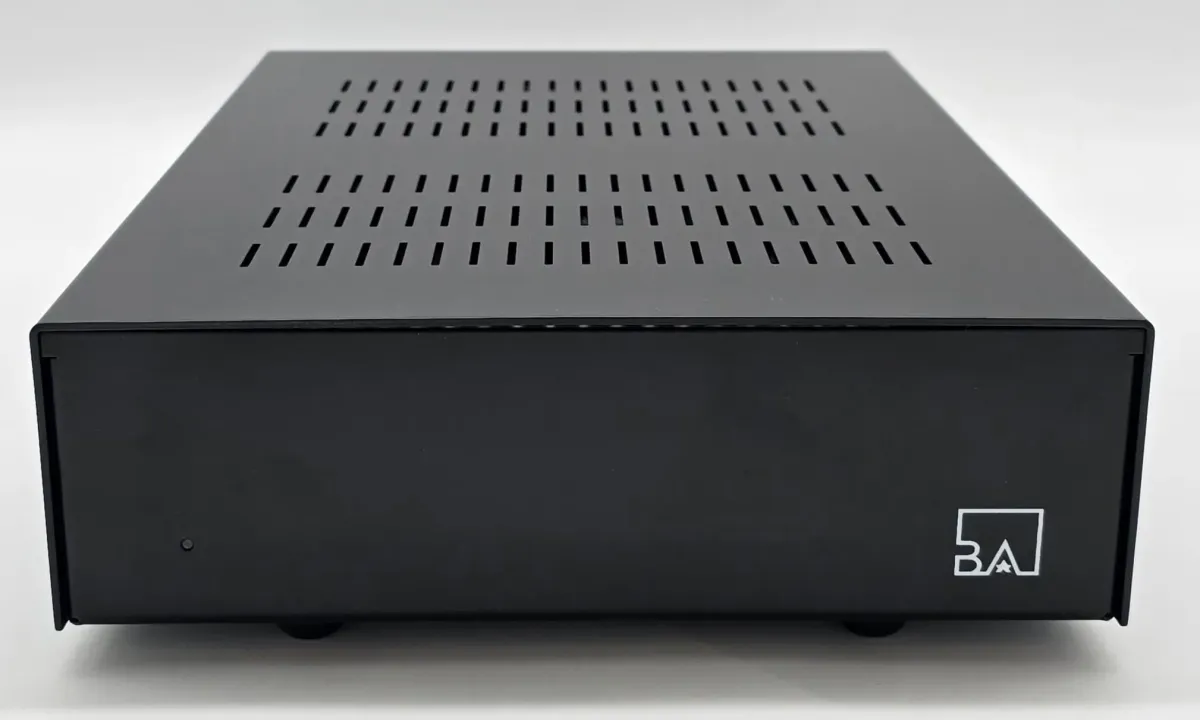
Buckeye Amps NCx500 Stereo
$1,150
The Buckeye Amps NCx500 Stereo power amplifier uses the latest Hypex NCx500 modules and TI OPA1612 operational amplifiers. Power output reaches 2 x 380 watts into 8 ohms and a staggering 2 x 700 watts into 4 ohms with current delivery up to 28 A, while the frequency band extends to 70,000 Hz. Balanced-only connectivity and an utterly simple "black box" enclosure - but the sound can readily compete with Class AB models at three times the price. The presentation is genuinely three-dimensional with superb microdynamics.
Specifications
Model name
NCx500 Stereo
Input sensitivity (mV)
N/A
Input impedance (balanced) (Ω)
N/A
Input impedance (single-ended) (Ω)
N/A
Output impedance (balanced) (Ω)
N/A
Output impedance (single-ended) (Ω)
N/A
Max current (A)
N/A
Output power (8Ω) (W)
380
Output power (4Ω) (W)
700
Gain (dBu)
26.8
Frequency response low +/- 3dB (Hz)
0
Frequency response high +/- 3dB (Hz)
75 000
Signal to Noise Ratio (dB)
128
Total Harmonic Distortion + Noise (0% global feedback) (%)
N/A
Total Harmonic Distortion + Noise (100% global feedback) (%)
0.0006
Max power consumption (W)
N/A
Damping factor
N/A
Dimensions (mm)
254 × 330,2 × 88,9
Weight (kg)
3,63
Official link
Buckeye Amps Purifi 1ET6525SA
$1,195
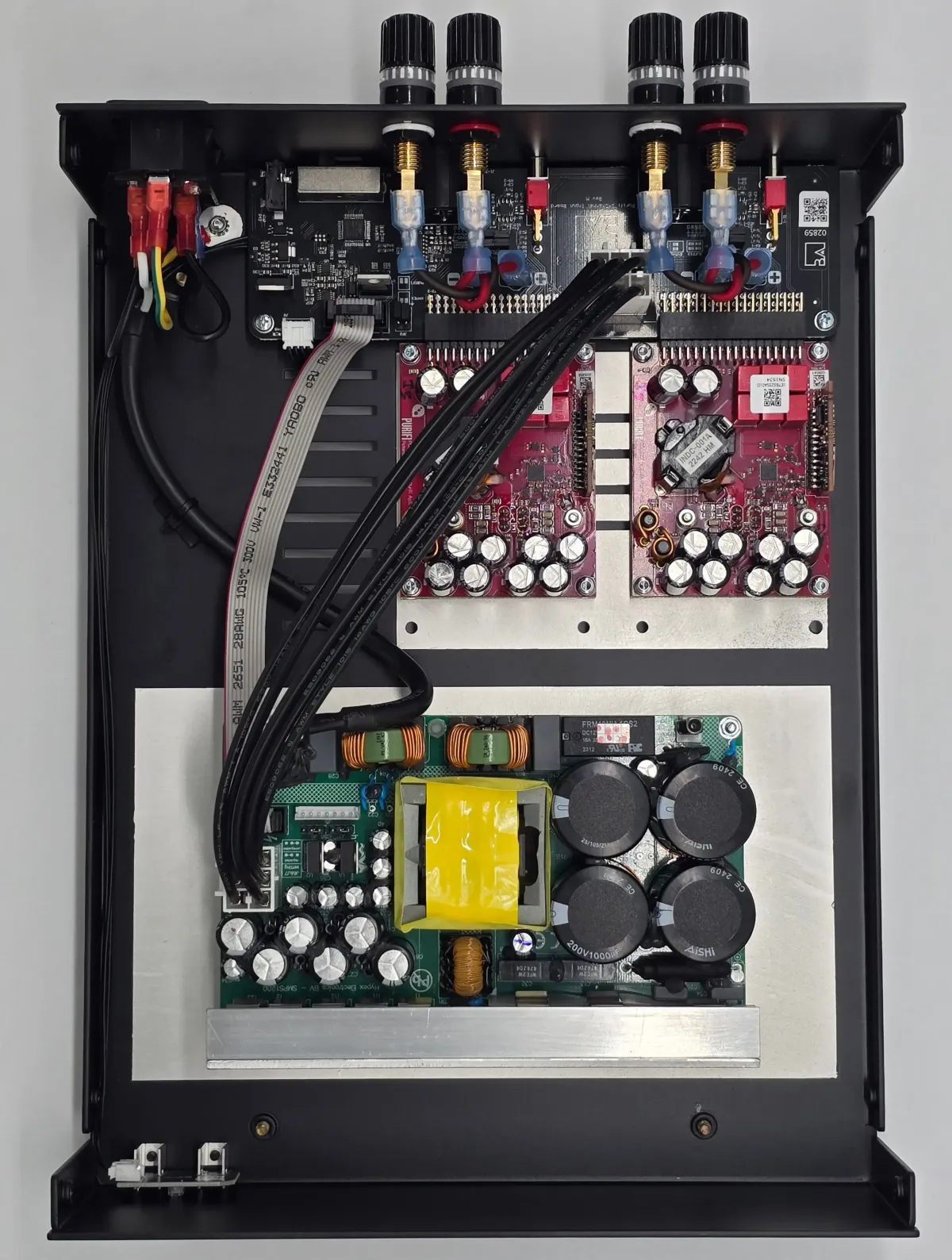
The slightly pricier Buckeye Amps Purifi 1ET6525SA delivers somewhat less power (2 x 230 W into 8 ohms and 2 x 450 W into 4 ohms) and is equipped with second-generation Purifi Eigentakt 1ET6525SA modules, which compensate for output filter nonlinearities in real time depending on the load. The exceptionally neutral presentation with a torrent of detail is mesmerizing.
Specifications
Model name
PURIFI 1ET6525SA
Input sensitivity (mV)
N/A
Input impedance (balanced) (Ω)
N/A
Input impedance (single-ended) (Ω)
N/A
Output impedance (balanced) (Ω)
N/A
Output impedance (single-ended) (Ω)
N/A
Max current (A)
N/A
Output power (8Ω) (W)
230
Output power (4Ω) (W)
450
Gain (dBu)
25
Frequency response low +/- 3dB (Hz)
0
Frequency response high +/- 3dB (Hz)
80 000
Signal to Noise Ratio (dB)
137
Total Harmonic Distortion + Noise (0% global feedback) (%)
N/A
Total Harmonic Distortion + Noise (100% global feedback) (%)
0.0001
Max power consumption (W)
N/A
Damping factor
N/A
Dimensions (mm)
254 × 330,2 × 88,9
Weight (kg)
3,1
Official link
Peachtree Audio Stereo X
$1,298
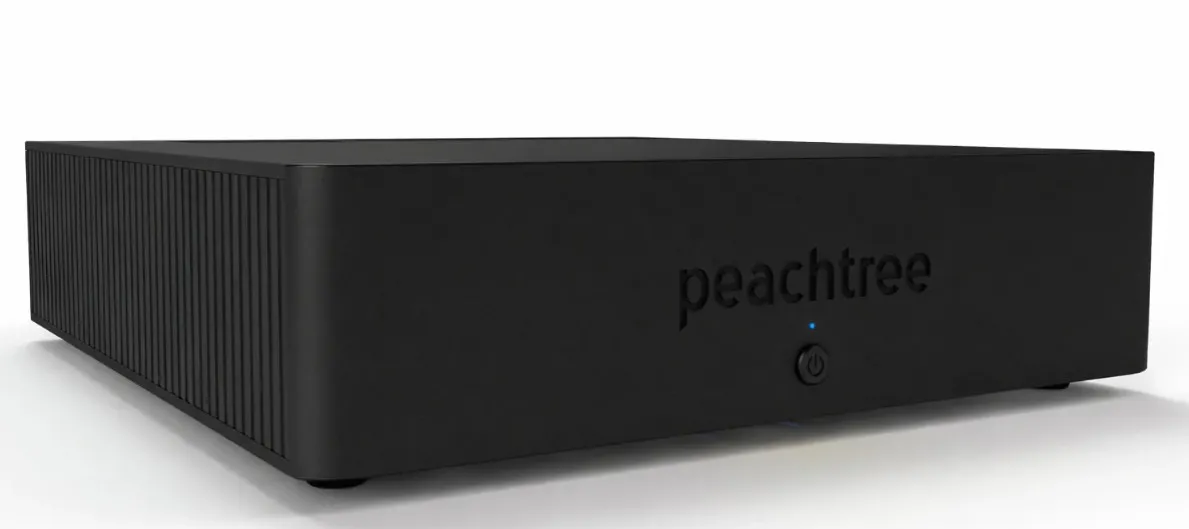
The Peachtree Audio Stereo X uses Hypex NCore X with a monstrous 1.2 kW power supply. 2 x 300 watts per channel into 8 ohms, 2 x 600 into 4 ohms, and in terms of user convenience, this model stands a step above Buckeye Amps by offering both balanced and single-ended connectivity. The sound is highly engaging and emotional, with excellent bass texture (hardly surprising given the power supply).
Specifications
Model name
Stereo X
Input sensitivity (mV)
1000 (RCA), 2000 (XLR)
Input impedance (balanced) (Ω)
47 000
Input impedance (single-ended) (Ω)
100 000
Output impedance (balanced) (Ω)
N/A
Output impedance (single-ended) (Ω)
N/A
Max current (A)
N/A
Output power (8Ω) (W)
300
Output power (4Ω) (W)
600
Gain (dBu)
N/A
Frequency response low +/- 3dB (Hz)
20
Frequency response high +/- 3dB (Hz)
20 000
Signal to Noise Ratio (dB)
>100
Total Harmonic Distortion + Noise (0% global feedback) (%)
N/A
Total Harmonic Distortion + Noise (100% global feedback) (%)
<0.0010
Max power consumption (W)
1400
Damping factor
N/A
Dimensions (mm)
84 x 300 x 352
Weight (kg)
5.4
Official link
High-End Class: $2,899 - $6,500
Orchard Audio Starkrimson Stereo Ultra 2.0
$2,899
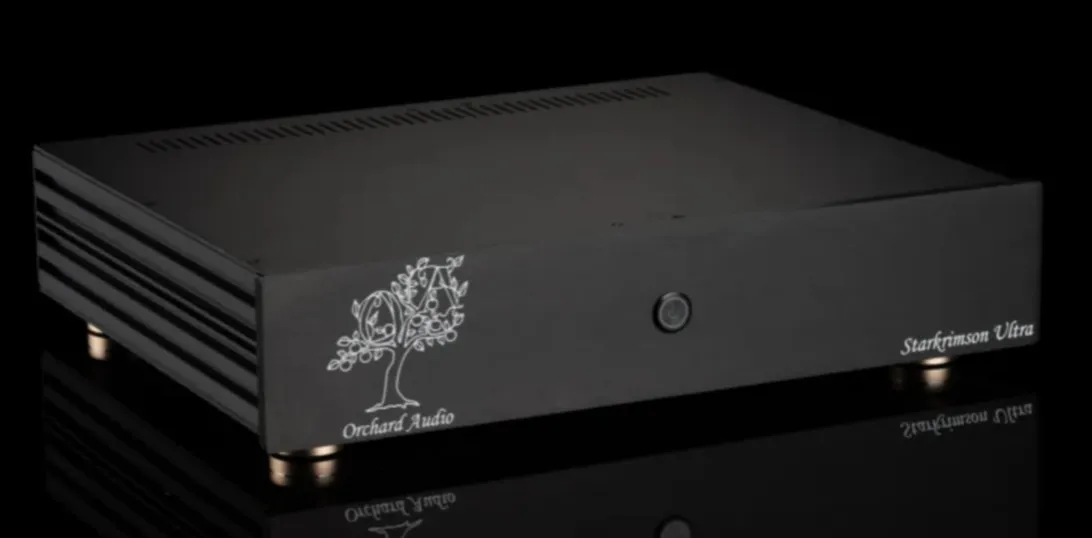
Orchard Audio is a pioneer in the use of gallium nitride transistors in audio. And the Orchard Audio Starkrimson Stereo Ultra 2.0, naturally, is built on GaN technology. The amplifier delivers 2 x 250 W into 8 ohms or 2 x 500 W into 4 ohms, features a fully balanced signal path with both balanced and single-ended connectivity. The amplifier is completely load-tolerant and remains stable even with speaker impedance as low as 1 ohm. The sound extends far beyond the quality of "typical" Class D and traditional Class AB, approaching Class A in its agility, openness, and fluidity.
Specifications
Model name
Starkrimson Stereo Ultra 2.5
Input sensitivity (mV)
N/A
Input impedance (balanced) (Ω)
N/A
Input impedance (single-ended) (Ω)
N/A
Output impedance (balanced) (Ω)
N/A
Output impedance (single-ended) (Ω)
N/A
Max current (A)
N/A
Output power (8Ω) (W)
250
Output power (4Ω) (W)
500
Gain (dBu)
N/A
Frequency response low +/- 3dB (Hz)
N/A
Frequency response high +/- 3dB (Hz)
N/A
Signal to Noise Ratio (dB)
N/A
Total Harmonic Distortion + Noise (0% global feedback) (%)
N/A
Total Harmonic Distortion + Noise (100% global feedback) (%)
N/A
Max power consumption (W)
N/A
Damping factor
N/A
Dimensions (mm)
450,1 × 359,9 × 111,8
Weight (kg)
N/A
Official link
NAD M33 V2
$6,499
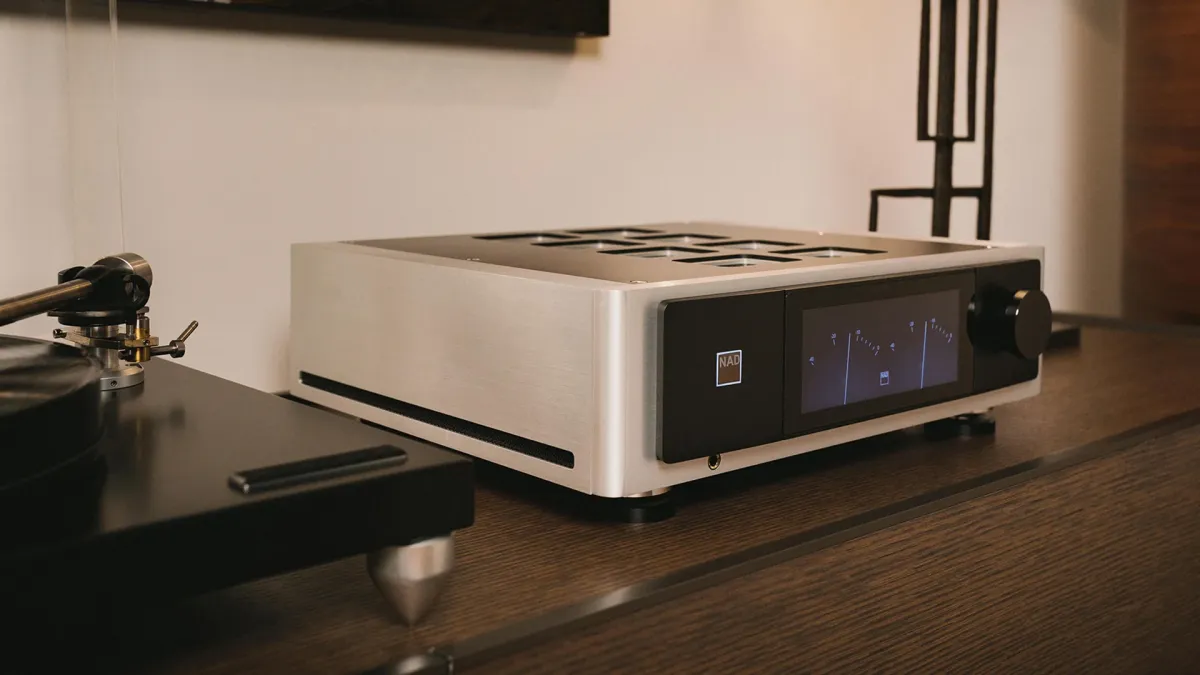
The NAD M33 V2 is a sonic Swiss Army knife. 2 x 200 W into 8 ohms, 2 x 380 W into 4 ohms, BluOS streaming platform, multi-room operation, Dirac Live Room Correction, a phono stage for vinyl - everything is covered. The internals are equally impressive: Purifi Eigentakt modules, ESS ES9039PRO DAC, and the sound surprises with its weight and authority.
Specifications
Model name
M33 V2
Type
BLUOS STREAMING DAC AMPLIFIER
Analog inputs (balanced)
1
Analog inputs (single-ended)
1 + 1 (Phono)
Input sensitivity (mV)
1500
Input impedance (balanced) (Ω)
53 000
Input impedance (single-ended) (Ω)
53 000
Output impedance (balanced) (Ω)
N/A
Output impedance (single-ended) (Ω)
N/A
D/A conversion
Yes
Phono MM/MC current-sensing input impedance (Ω)
N/A
Output power (8Ω) (W)
380
Output power (4Ω) (W)
700
Gain (dBu)
N/A
Frequency response low +/- 3dB (Hz)
20
Frequency response high +/- 3dB (Hz)
20 000
Signal to Noise Ratio (dB)
>98
Total Harmonic Distortion + Noise (%)
<0.003
Damping factor
N/A
Dimensions (mm)
435 x 133 x 396
Weight (kg)
9.7
Official link
What to Choose?
For an entry-level system with bookshelf speakers of 88-90 dB sensitivity in a typical room, the optimal choice is the Fosi Audio V3.
For a component system with floorstanding speakers and a separate DAC and preamplification, the clear pick is the Buckeye Amps Purifi 1ET6525SA.
Finally, if you are looking for something more, the capabilities of the Orchard Audio Starkrimson Stereo Ultra 2.0 with GaN transistors are truly staggering.