
Все

Напольная акустика — Fyne Audio F501
Описание, изображения, технические характеристики и спецификации
Fyne Audio F501
Источник изображения — © Fyne Audio
The F501 is a floorstanding loudspeaker from Fyne Audio's F-series, built around the brand's IsoFlare coaxial driver technology. Fyne Audio was founded by former Tannoy engineers, and the brand's IsoFlare coaxial driver directly continues that heritage of point-source driver design within a modern engineering context.
Position in line
It sits below the F702 and above the F501E in Fyne Audio's floorstanding hierarchy, with the F303I nearby as a smaller alternative. This position within a clearly numbered range suggests Fyne Audio scales cabinet size and driver complement predictably as the model number increases, making relative positioning within the F-series reasonably easy to judge.
Key specs that matter
Rated response is 36 Hz to 34 kHz, a wide top-end figure typical of Fyne Audio's coaxial designs. Sensitivity is 90 dB into 8 ohms with a 35-150 W window, an easy load for most integrated amplifiers. At 98.4 x 27.0 x 31.8 cm and 18.9 kg it is a moderately sized tower, practical for a typical domestic listening room.
Sound and use context
Expect the coherent, point-source presentation Fyne Audio's IsoFlare coaxial driver is built around, with precise imaging from the shared acoustic origin of tweeter and midrange - this coaxial approach is generally associated with more focused, stable imaging than a conventional separate tweeter and midrange arrangement.
Pairing
The 90 dB sensitivity and 8 ohm load suit a modest to mid-power integrated amplifier without unusual current demands, an easy amplifier match for most systems.
Alternatives
The F702 sits above this model with a larger cabinet and deeper bass reach. The F501E is a variant within the same F501 line, worth clarifying the specific differences with a dealer before choosing between the standard and E-suffixed versions. Fyne Audio relatively recent founding compared with more century-old rivals has not stopped the brand from building a strong reputation specifically around its IsoFlare coaxial technology. A dealer demonstration alongside the larger F702 helps clarify how much additional scale and bass extension the step up buys for a specific room. Overall this remains a distinctive choice for a listener specifically drawn to coaxial point-source imaging. A rigid, well-positioned base or spike set also helps this tower perform closer to its rated potential.
Position in line
It sits below the F702 and above the F501E in Fyne Audio's floorstanding hierarchy, with the F303I nearby as a smaller alternative. This position within a clearly numbered range suggests Fyne Audio scales cabinet size and driver complement predictably as the model number increases, making relative positioning within the F-series reasonably easy to judge.
Key specs that matter
Rated response is 36 Hz to 34 kHz, a wide top-end figure typical of Fyne Audio's coaxial designs. Sensitivity is 90 dB into 8 ohms with a 35-150 W window, an easy load for most integrated amplifiers. At 98.4 x 27.0 x 31.8 cm and 18.9 kg it is a moderately sized tower, practical for a typical domestic listening room.
Sound and use context
Expect the coherent, point-source presentation Fyne Audio's IsoFlare coaxial driver is built around, with precise imaging from the shared acoustic origin of tweeter and midrange - this coaxial approach is generally associated with more focused, stable imaging than a conventional separate tweeter and midrange arrangement.
Pairing
The 90 dB sensitivity and 8 ohm load suit a modest to mid-power integrated amplifier without unusual current demands, an easy amplifier match for most systems.
Alternatives
The F702 sits above this model with a larger cabinet and deeper bass reach. The F501E is a variant within the same F501 line, worth clarifying the specific differences with a dealer before choosing between the standard and E-suffixed versions. Fyne Audio relatively recent founding compared with more century-old rivals has not stopped the brand from building a strong reputation specifically around its IsoFlare coaxial technology. A dealer demonstration alongside the larger F702 helps clarify how much additional scale and bass extension the step up buys for a specific room. Overall this remains a distinctive choice for a listener specifically drawn to coaxial point-source imaging. A rigid, well-positioned base or spike set also helps this tower perform closer to its rated potential.
Характеристики
Название модели
F501
Нижняя граница частотного диапазона +/- 3дБ (Hz)
36
Верхняя граница частотного диапазона +/- 3дБ (Hz)
34 000
Чувствительность (dB at 1 W/1m)
90
Импеданс (Ohms)
8
Требования к усилителю мощности (W)
35- 150
Наличие встроенного усилителя
Н/д
Мощность встроенного усилителя (W)
N/A
Размер (sm)
98.4 x 27.0 x 31.8
Вес (kg)
18.9
Официальная ссылка
Другие компоненты

Напольная акустика
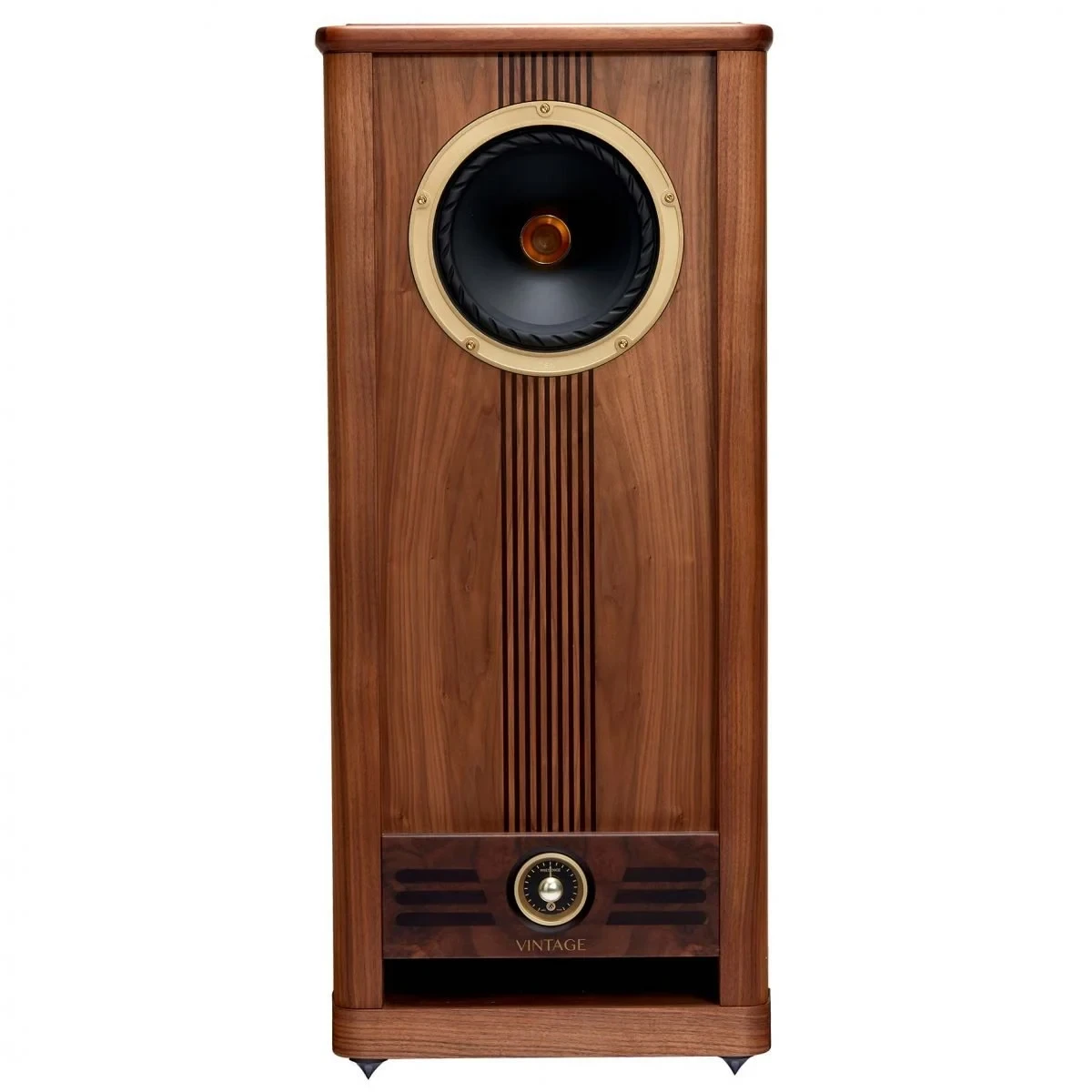
Fyne Audio VINTAGE TWELVE
Напольная акустика
Fyne Audio VINTAGE TEN

Напольная акустика
Fyne Audio VINTAGE FIFTEEN
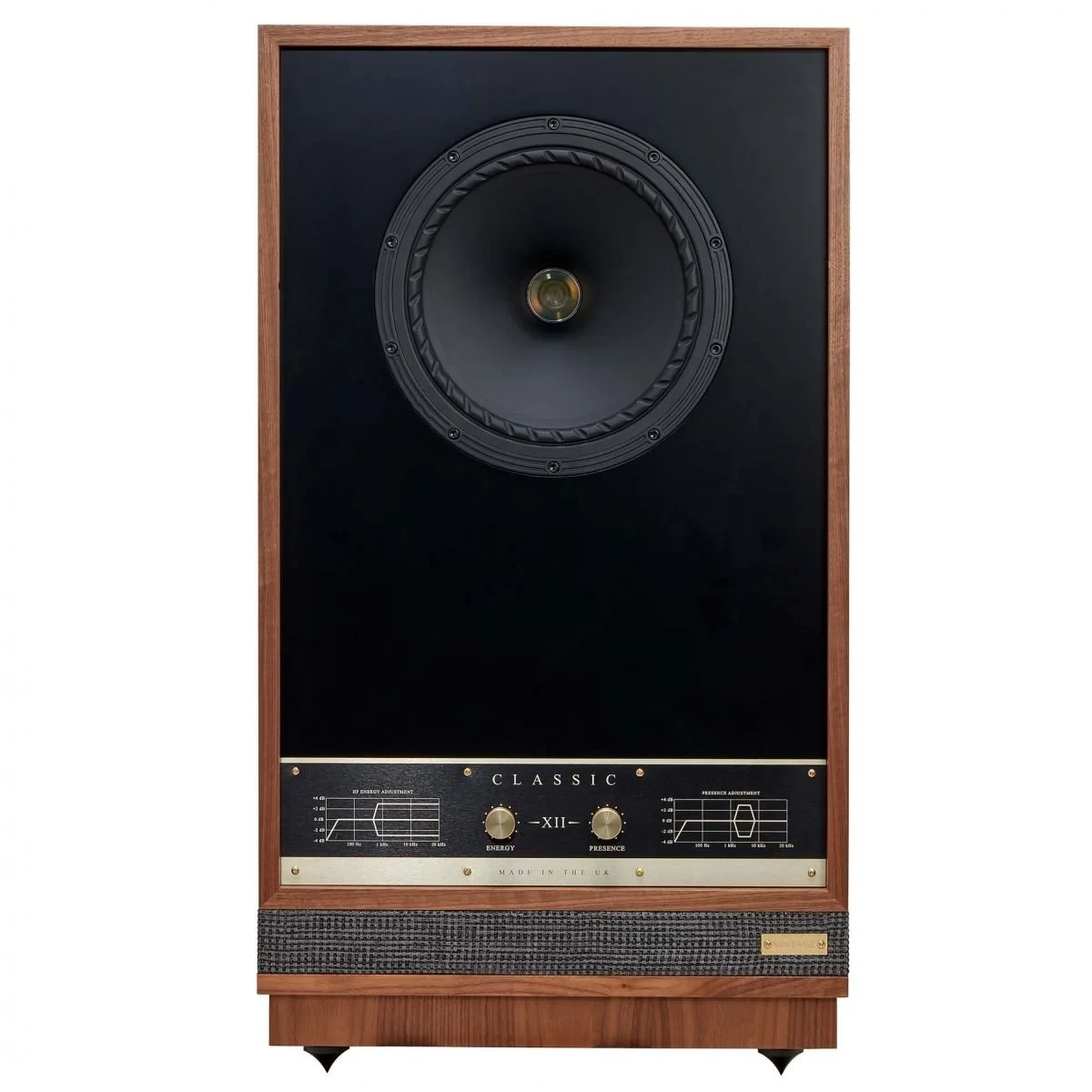
Напольная акустика
Fyne Audio VINTAGE CLASSIC XII

Напольная акустика
Fyne Audio VINTAGE CLASSIC X