

Preamplifiers - Hifiverse audio equipment catalog
A preamplifier sits between your sources and a power amplifier. It selects inputs, sets volume and supplies the gain and drive the power stage needs. This subcategory covers line preamplifiers, passive designs with no active gain and units with a built-in phono stage, while combined amplifiers sit under integrated amplifiers. Most active models provide between 6 and 20 dB of line gain.
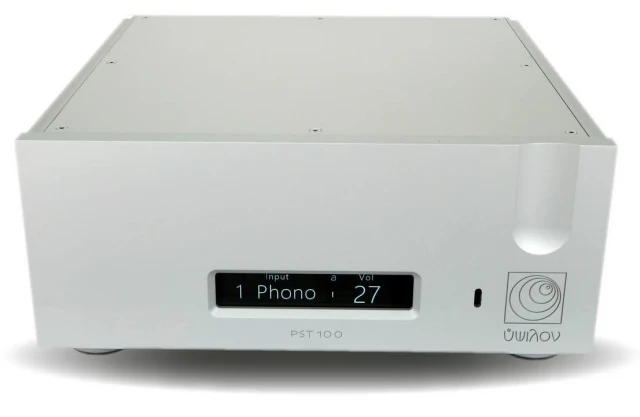
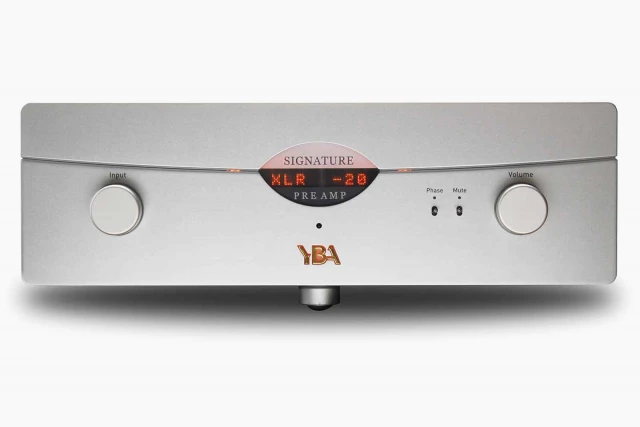
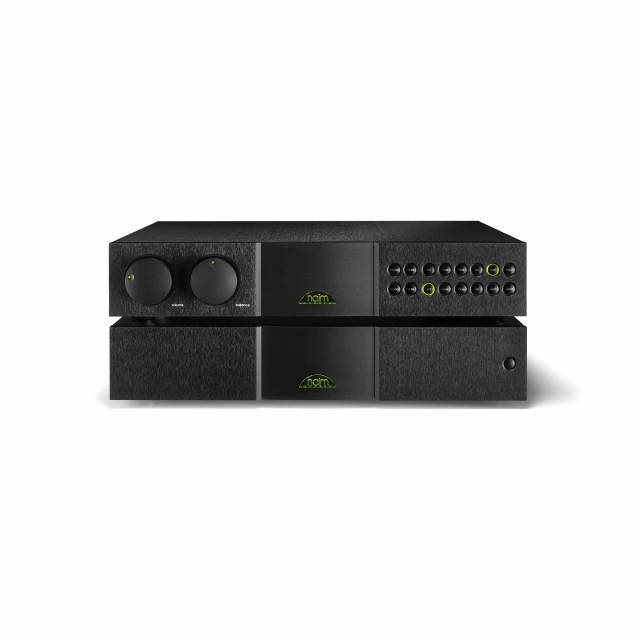

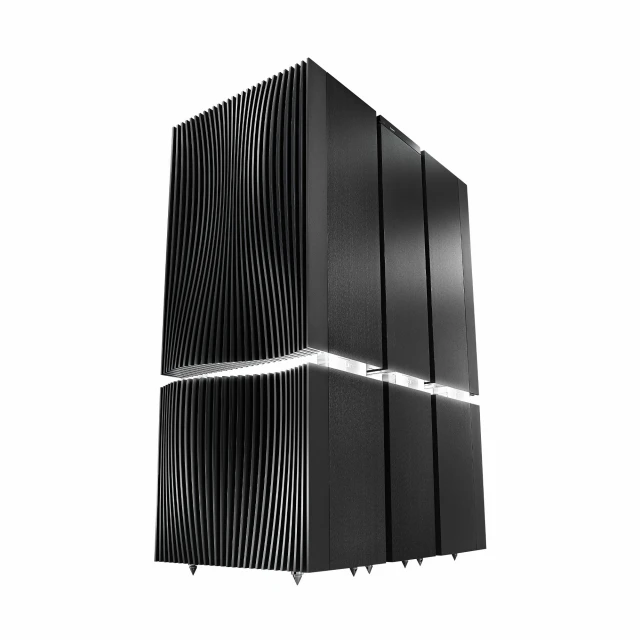
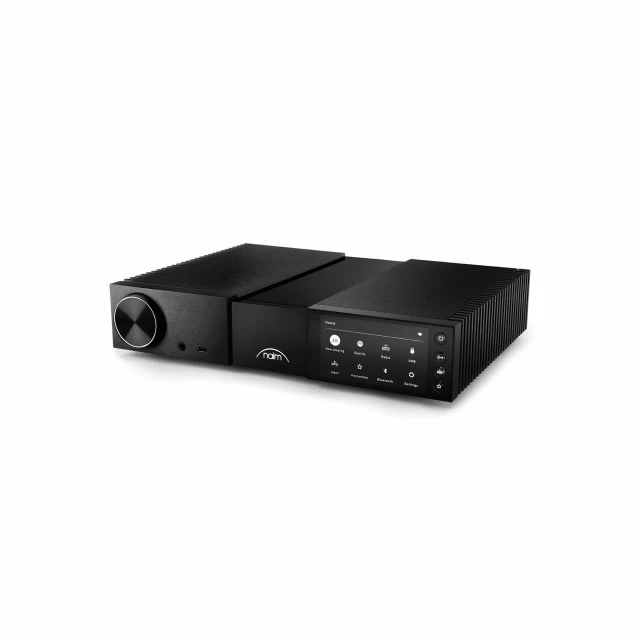


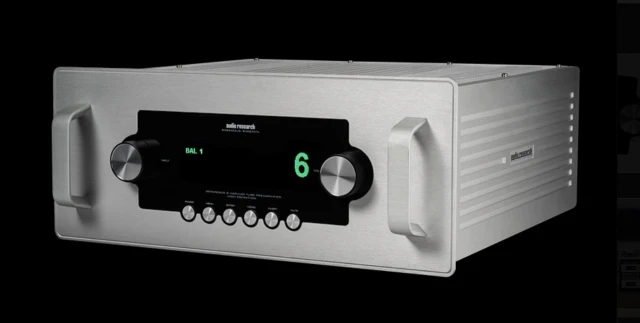
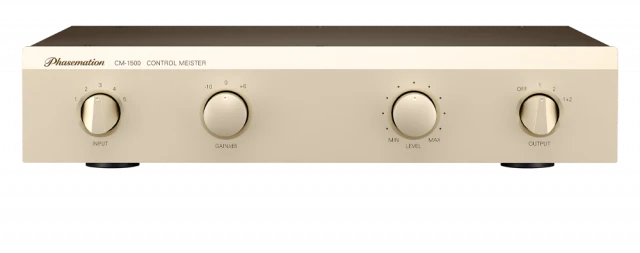
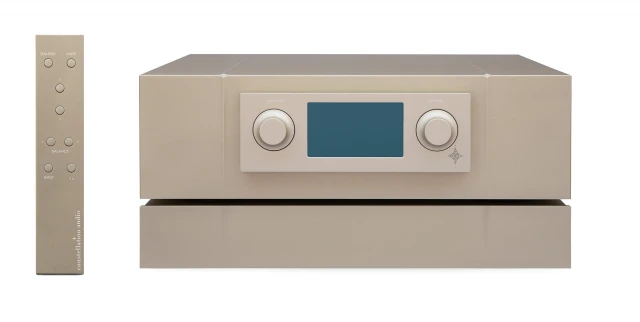
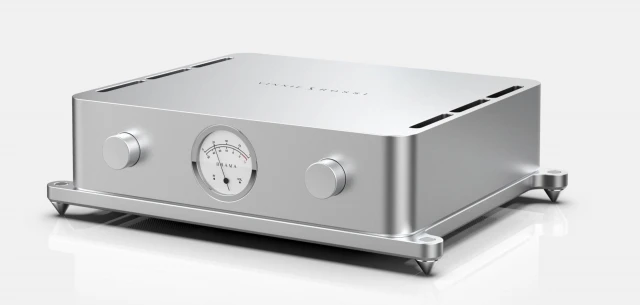
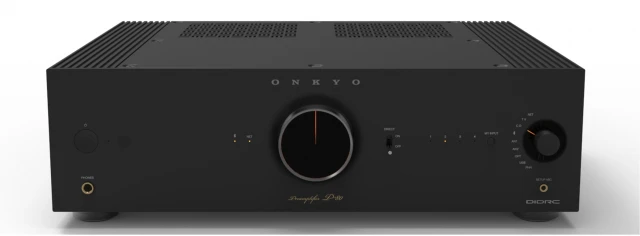
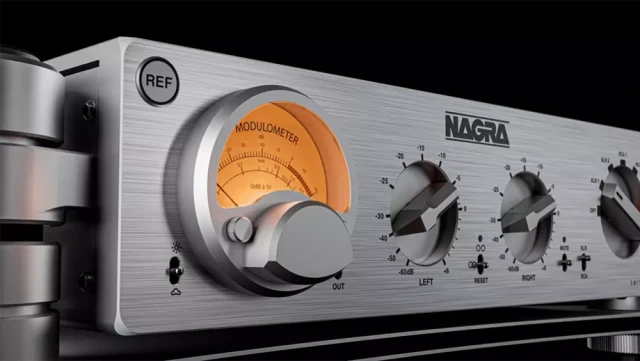
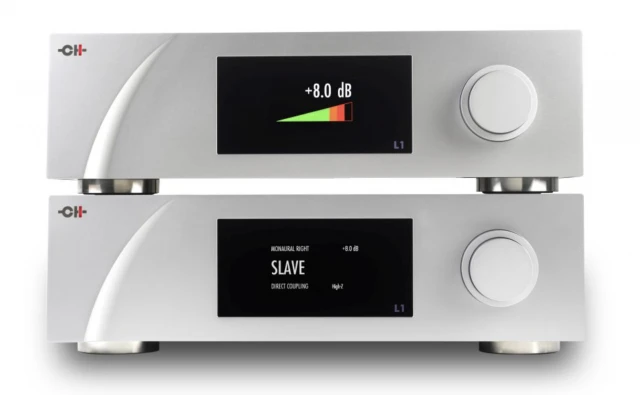

How to choose a preamplifier
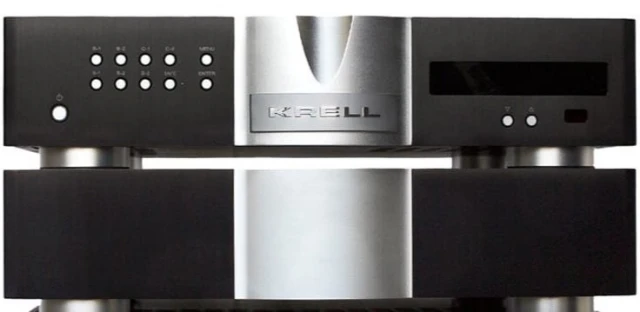
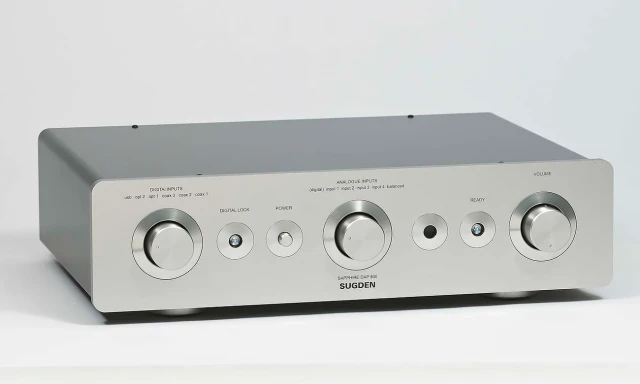
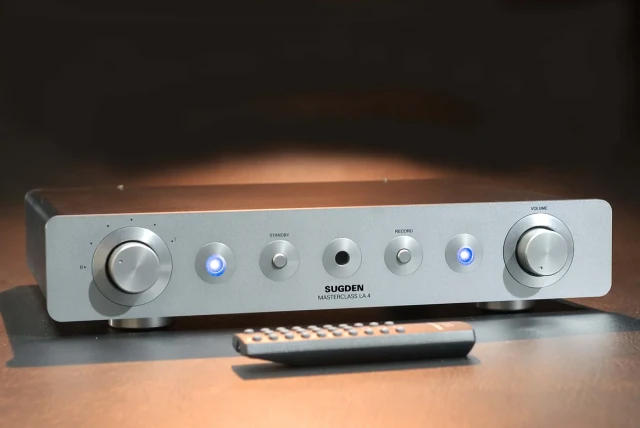
Inputs are the usual shortfall, so count your sources and their connections - RCA, XLR, and sometimes a phono input or a digital input with a built-in DAC. If you play vinyl, decide whether the preamplifier should include an MM or MC phono stage or feed a separate one. Next, pick the circuit type. Tube preamplifiers use valves in the gain stage, solid-state units use transistors or op-amps, and passive designs use only a volume control and suit sources with high output and short cable runs. Then look at the volume control. Stepped attenuators, resistor-ladder relays and digitally controlled analogue chips give precise channel balance, while conventional potentiometers cost less. Finally, check balance. A fully balanced path from source to power amplifier over XLR rejects noise on long cable runs, and home theater bypass inputs let the preamplifier share speakers with an AV processor.
Key specs that matter
Gain decides how far you turn the volume before reaching full output, and too much gain leaves only a small usable range on the control. Output impedance should be well below the power amplifier input impedance, ideally tenfold or more, to avoid losses at the frequency extremes. Signal-to-noise ratio in solid-state units often exceeds 100 dB, with THD under 0.01%. Maximum output, often 5 to 10 V, shows the headroom available.
Price ranges & what you get
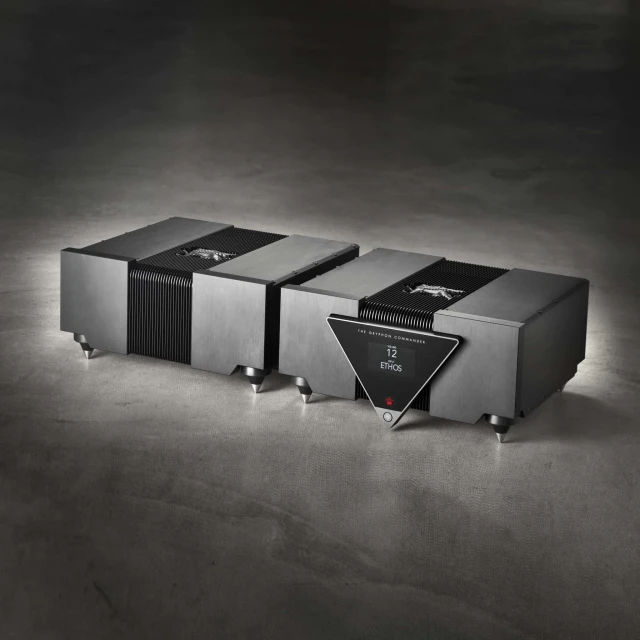
Below USD 1,000 sit models with input switching, a remote-controlled volume and single-ended outputs. Between USD 2,000 and 10,000, preamplifiers add fully balanced circuits, precision attenuators and often a phono stage or DAC. Above USD 10,000, expect dual-mono layouts, separate power supply chassis and heavier casework.
Related subcategories & reading
Pair it with a two-channel model from power amplifiers stereo or a pair of power amplifiers mono, while integrated amplifiers put preamp and power stage in a single chassis. Phonostages covers dedicated vinyl preamps. Our amplifiers articles explain gain matching and balanced connections.