

Power amplifiers stereo - Hifiverse audio equipment catalog
Stereo power amplifiers carry two channels in one chassis and take a line-level signal from a preamplifier, raising it to the voltage and current a pair of loudspeakers needs. They have no volume control or source selection of their own, which separates them from integrated amplifiers. Output in this subcategory ranges from about 50 W to well over 500 W per channel into 8 ohms.
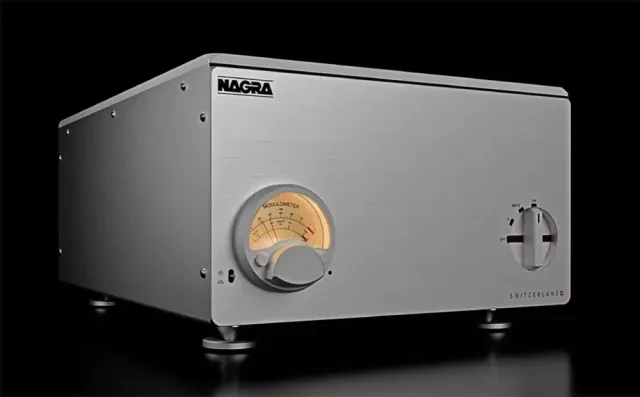
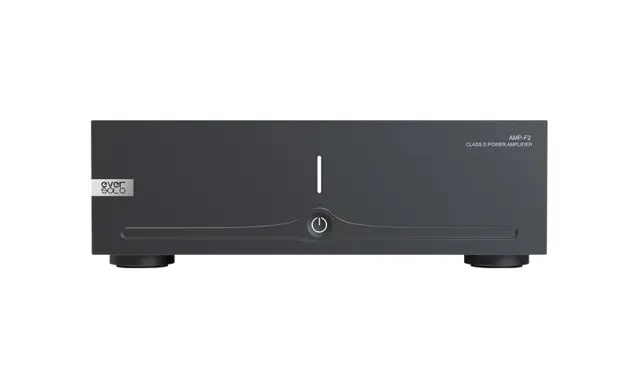
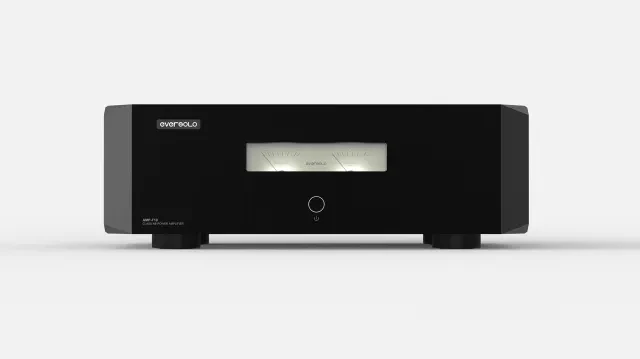
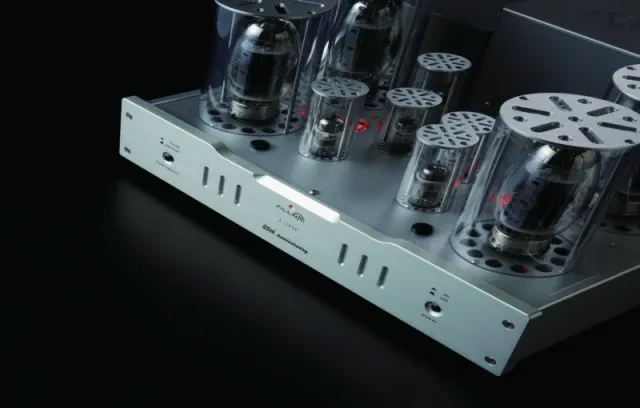
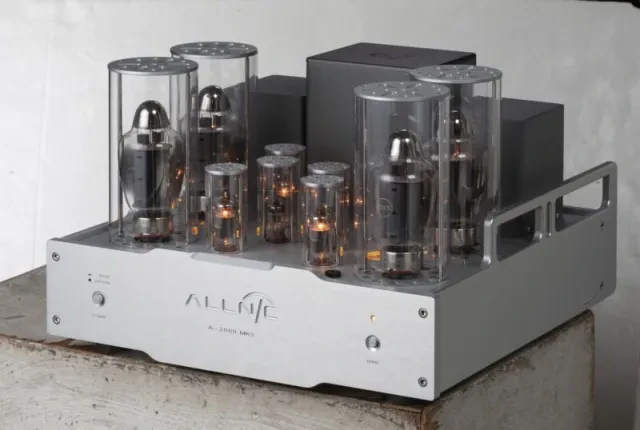
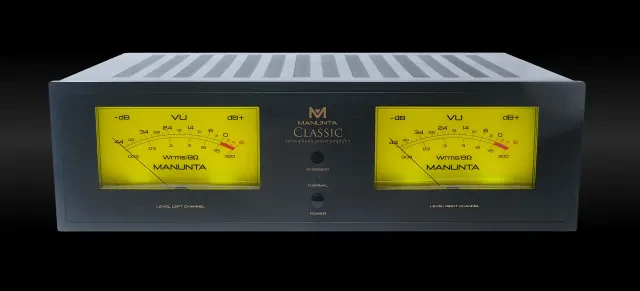
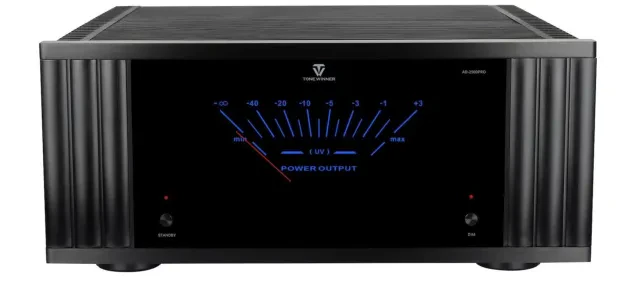

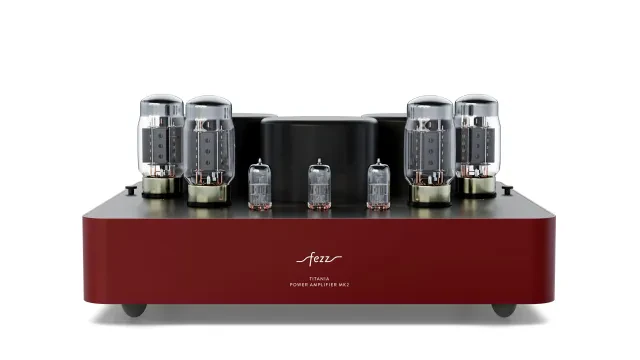
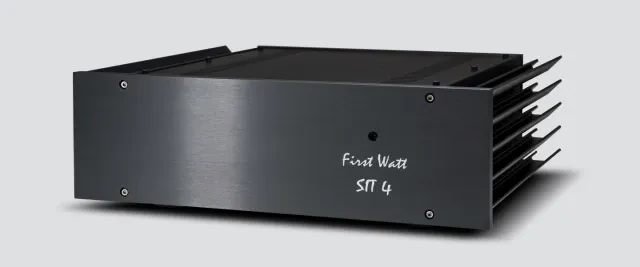
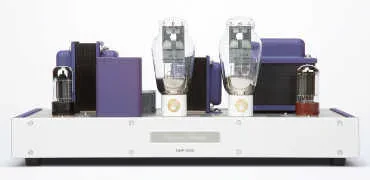
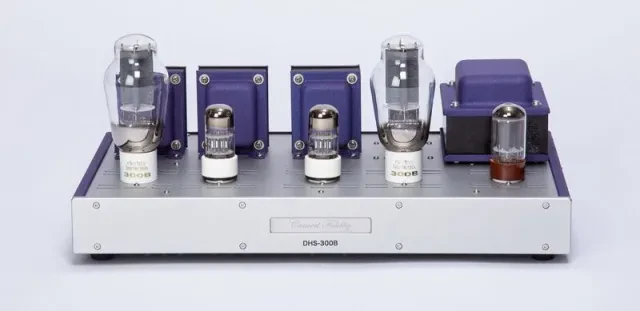
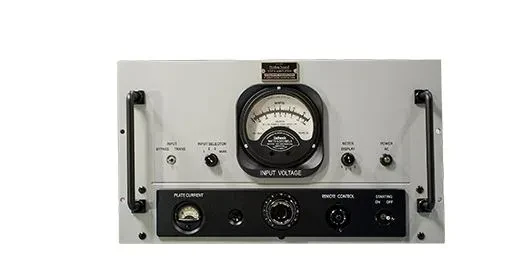
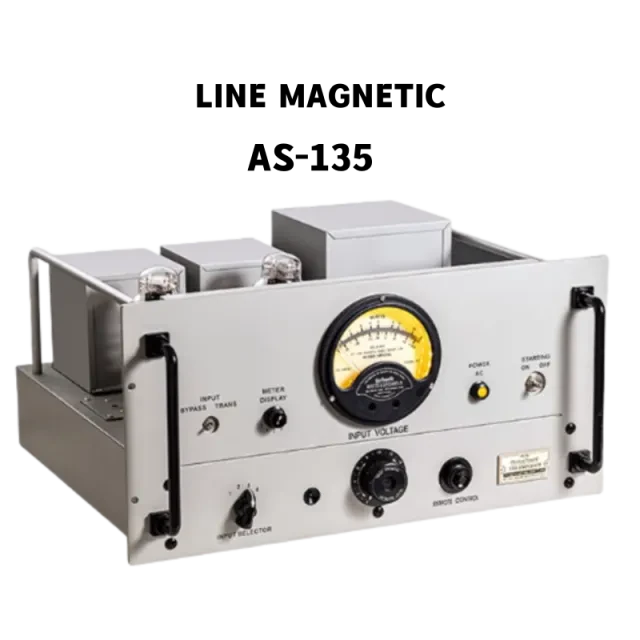
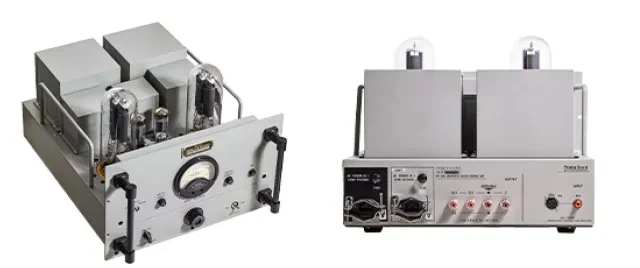
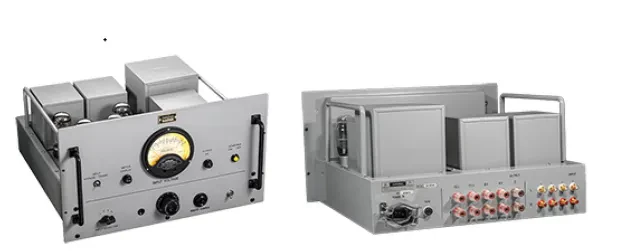
How to choose a stereo power amplifier
Begin with your speakers. Low sensitivity, around 84 to 86 dB, or impedance that dips below 3 ohms calls for an amplifier with real current reserve, so look for output that nearly doubles from 8 to 4 ohms. Then pick a topology. Class AB is the common middle ground, pure Class A runs hot and draws full power at idle, and Class D modules stay cool and compact at high output. Check the inputs against your preamplifier, since balanced XLR connections suit longer runs and many separates. Consider bridging if you may later add a second identical unit and run both as mono amplifiers. Finally, measure the shelf, because large linear supplies push weight past 30 kg and need ventilation space above the case.
Key specs that matter
Rated power should be quoted continuous into both 8 and 4 ohms, not as a peak figure. Input sensitivity, typically 1 to 2 V for full output, tells you whether your preamplifier can drive the amplifier to its limit. Damping factor ranges from below 50 in tube designs to several hundred in solid-state units. Signal-to-noise ratio above 100 dB keeps hiss inaudible with efficient speakers.
Price ranges & what you get
Under USD 1,500 you find Class AB or Class D designs of 50 to 150 W per channel with RCA inputs. From USD 1,500 to 8,000, expect balanced inputs, larger toroidal transformers and bridging switches. Above USD 8,000, chassis carry dual mono power supplies, many paralleled output devices and Class A operation for the first few watts.
Related - preamplifiers & reading
Pair this amplifier with a unit from preamplifiers, or step up to power amplifiers mono for one chassis per speaker. For one chassis with both stages, see integrated amplifiers. Our amplifier articles cover gain matching and topology basics.