All


Cary Audio
Website:https://caryaudio.com/
Est. year: 1989
Location: USA
Cary Audio is a privately held American electronics maker from North Carolina, founded in May 1989 by Dennis (Denny) Had, an engineer who had earlier started several amateur radio equipment companies. The firm took its name from the town of Cary, where it began, and became one of the few US producers of vacuum tube amplifiers. Over three decades it has added solid-state amplification, digital sources and streamers to that original valve core, and it now sells a broad range of home audio electronics.
Range & what it's known for
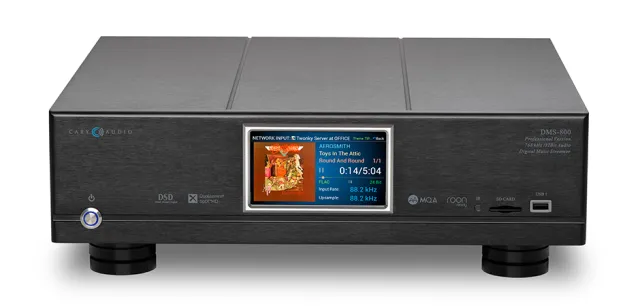
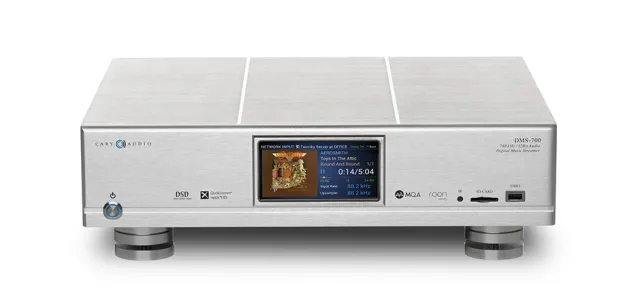
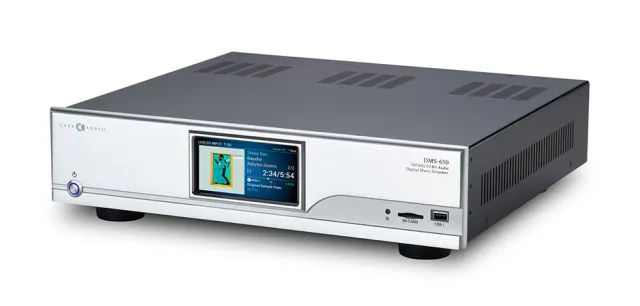
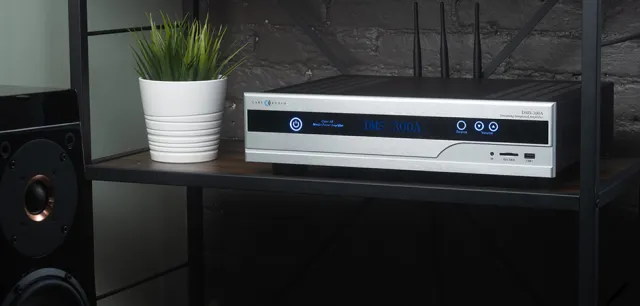
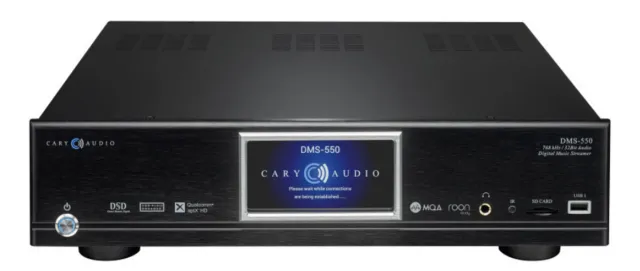
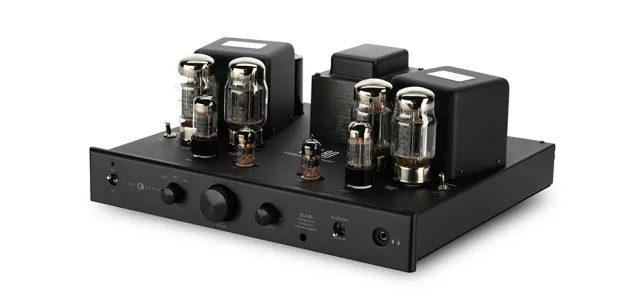
Valve power amplifiers remain the backbone. The current list includes the CAD-120S MkII, the CAD-805RS and the CAD-211FE, the last named after the 211 triode it uses. Preamplification comes from the SLP-05 and SLP-98, with the VT-500 and SLP-98P covering phono. Integrated models run from the SLI-80HS and SLI-100 to the SI-300.2d and the single-ended CAD-300SEI, which doubles as a headphone amplifier. On the digital side the DMS family of network players spans the DMS-300A, DMS-650, DMS-700 and DMS-800 PV, joined by the DMC-600SE. Solid-state power comes from the SA-200.2 ES and SA-500.1 ES. Since the mid-1990s the company has also built home theater products, including surround processors.
Who owns it and where it's made
Cary Audio is independent and privately owned. Founder Dennis Had set the tube-first direction, and the business is now led by chief executive Billy Wright. After starting in Cary, the company moved to nearby Apex, and its current address is on Chapel Hill Road in Raleigh, North Carolina, where design and company operations are based. Accessories such as the MA-300 bias meter and the RC-300 remote handset are made for owners of its valve gear.
The lineup in this catalog
Amplifiers and preamplifiers. The least expensive Cary electronics cost about USD 3,000, while the top single-ended triode systems pass USD 40,000.
Who it's for
Cary is a sensible choice for a listener planning to keep valve amplification from a long-running US workshop for many years. A sensible first step is an integrated such as the SLI-80HS or a DMS streamer feeding an existing system. From there owners can move to a separate SLP preamp with a CAD power amp, and finally to the 211 or 805 triode designs. Buyers who prefer transistors can stay in the same family with the SA power amps.
- All
- Streamers
- Integrated amplifiers
- CD / SACD players and transports
- Phonostages
- Preamplifiers
- Power amplifiers stereo
- Power amplifiers mono