
Все

Напольная акустика — Klipsch LA SCALA AL5
Описание, изображения, технические характеристики и спецификации
Klipsch LA SCALA AL5
Источник изображения — © Klipsch
Klipsch's La Scala AL5 belongs to the Heritage series and uses horn loading for all three of its ways. It is assembled in Hope, Arkansas. The La Scala name dates from 1963, and Klipsch has built the model without interruption since then, with the AL5 serving as the modern iteration of that design before the AL6 replaced it. Klipsch covers it with a 10-year warranty.
Key specs that matter
Every band is horn-loaded. A K-771 compression driver with a 1 inch polyimide diaphragm feeds a 90 x 40 degree polymer Tractrix horn for the treble, and Klipsch rates this new tweeter at 109 dB on its own. The midrange comes from a K-55-X compression driver with a 2 inch phenolic diaphragm on a polymer exponential horn. Bass is handled by a 15 inch K-33-E woofer with a fiber-composite cone, loaded by an approximately 2.4 m bidirectional folded horn. Crossover points sit at 450 Hz and 4.5 kHz, so the 2 inch midrange driver covers the full band between those two frequencies, a span of one decade. Klipsch quotes 51 Hz to 20 kHz within 4 dB, a sensitivity of 105 dB at 2.83 V and 1 m, and an 8 ohm compatible nominal impedance. Power handling is 100 W continuous with 400 W peak, and maximum output reaches 121 dB SPL. Each cabinet stands 1016 mm tall, 617 mm wide and 643 mm deep and weighs 91 kg.
Engineering and use context
Because the woofer works through a folded horn rather than a plain sealed or ported box, the enclosure itself forms part of the bass-loading path, which explains the tall, deep cabinet and its mass. Klipsch describes the design as one where a single watt can produce concert levels, a result of horn loading across all three ways. The enclosures are finished in bookmatched real wood veneer with vertical grain matching, offered in Natural Cherry, Satin Black Ash and American Walnut, and the front carries a silver metallic grille cloth. Being a passive speaker with an internal crossover, it takes a single amplifier channel per side through its rear terminals.
Pairing
The high sensitivity means very low-powered amplifiers are enough, including small single-ended valve designs, while the continuous power rating sets the ceiling for larger solid-state units. Its impedance poses no difficulty for common amplifier topologies, and the high maximum output means amplifier clipping, not the speaker, usually sets the level limit with small amplifiers.
Alternatives
The Klipsch La Scala AL6 is the successor, with a 3 inch K-1133 midrange compression driver, a vented 12 inch bass section and inputs for an optional Heritage Active Crossover.
Key specs that matter
Every band is horn-loaded. A K-771 compression driver with a 1 inch polyimide diaphragm feeds a 90 x 40 degree polymer Tractrix horn for the treble, and Klipsch rates this new tweeter at 109 dB on its own. The midrange comes from a K-55-X compression driver with a 2 inch phenolic diaphragm on a polymer exponential horn. Bass is handled by a 15 inch K-33-E woofer with a fiber-composite cone, loaded by an approximately 2.4 m bidirectional folded horn. Crossover points sit at 450 Hz and 4.5 kHz, so the 2 inch midrange driver covers the full band between those two frequencies, a span of one decade. Klipsch quotes 51 Hz to 20 kHz within 4 dB, a sensitivity of 105 dB at 2.83 V and 1 m, and an 8 ohm compatible nominal impedance. Power handling is 100 W continuous with 400 W peak, and maximum output reaches 121 dB SPL. Each cabinet stands 1016 mm tall, 617 mm wide and 643 mm deep and weighs 91 kg.
Engineering and use context
Because the woofer works through a folded horn rather than a plain sealed or ported box, the enclosure itself forms part of the bass-loading path, which explains the tall, deep cabinet and its mass. Klipsch describes the design as one where a single watt can produce concert levels, a result of horn loading across all three ways. The enclosures are finished in bookmatched real wood veneer with vertical grain matching, offered in Natural Cherry, Satin Black Ash and American Walnut, and the front carries a silver metallic grille cloth. Being a passive speaker with an internal crossover, it takes a single amplifier channel per side through its rear terminals.
Pairing
The high sensitivity means very low-powered amplifiers are enough, including small single-ended valve designs, while the continuous power rating sets the ceiling for larger solid-state units. Its impedance poses no difficulty for common amplifier topologies, and the high maximum output means amplifier clipping, not the speaker, usually sets the level limit with small amplifiers.
Alternatives
The Klipsch La Scala AL6 is the successor, with a 3 inch K-1133 midrange compression driver, a vented 12 inch bass section and inputs for an optional Heritage Active Crossover.
Характеристики
Название модели
LA SCALA AL5
Нижняя граница частотного диапазона +/- 3дБ (Hz)
51
Верхняя граница частотного диапазона +/- 3дБ (Hz)
20000
Чувствительность (dB at 1 W/1m)
105
Импеданс (Ohms)
8
Требования к усилителю мощности (W)
100 - 400
Наличие встроенного усилителя
Н/д
Мощность встроенного усилителя (W)
N/A
Размер (sm)
101.6 × 61.59 × 64.29
Вес (kg)
91
Официальная ссылка
Связанные материалы
Другие компоненты
Напольная акустика
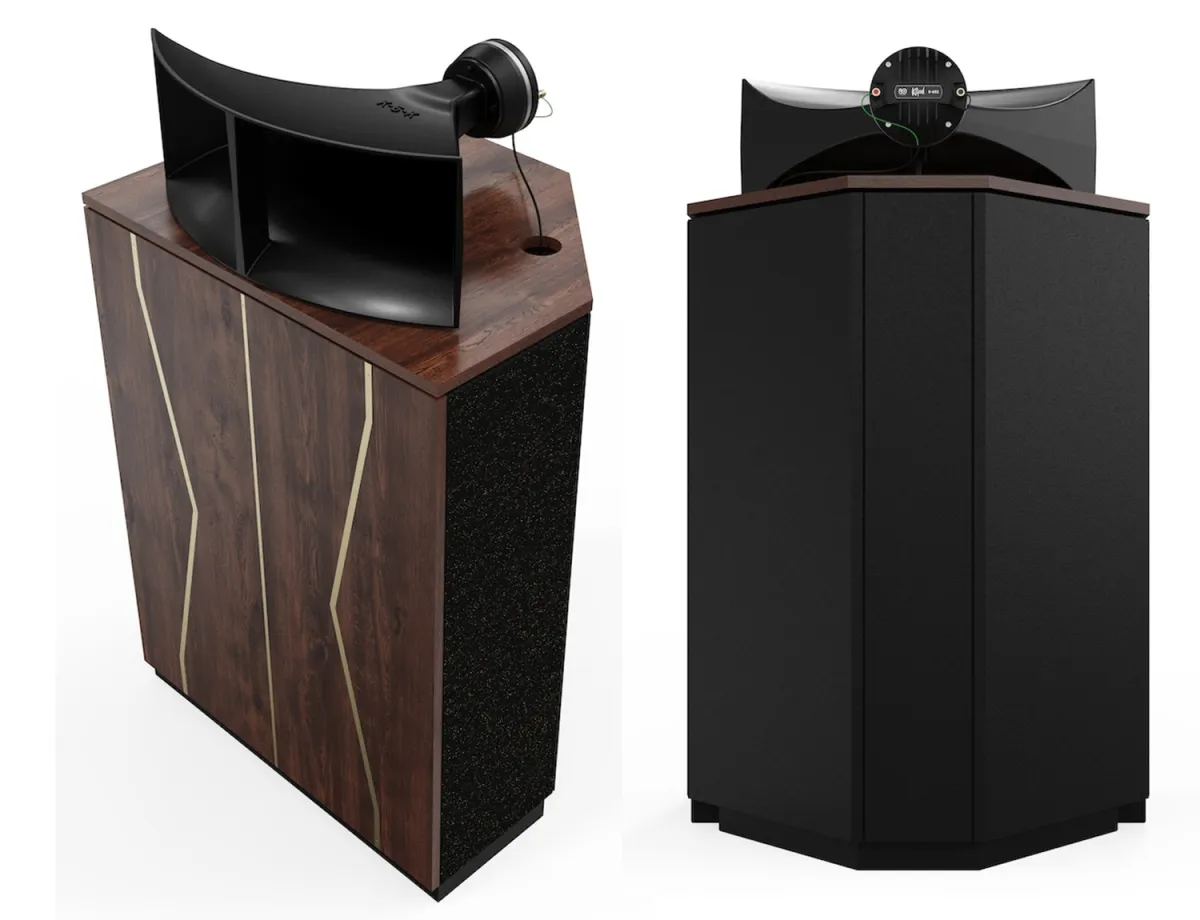
Klipsch Klipschorn 80th Anniversary Limited Edition
Напольная акустика
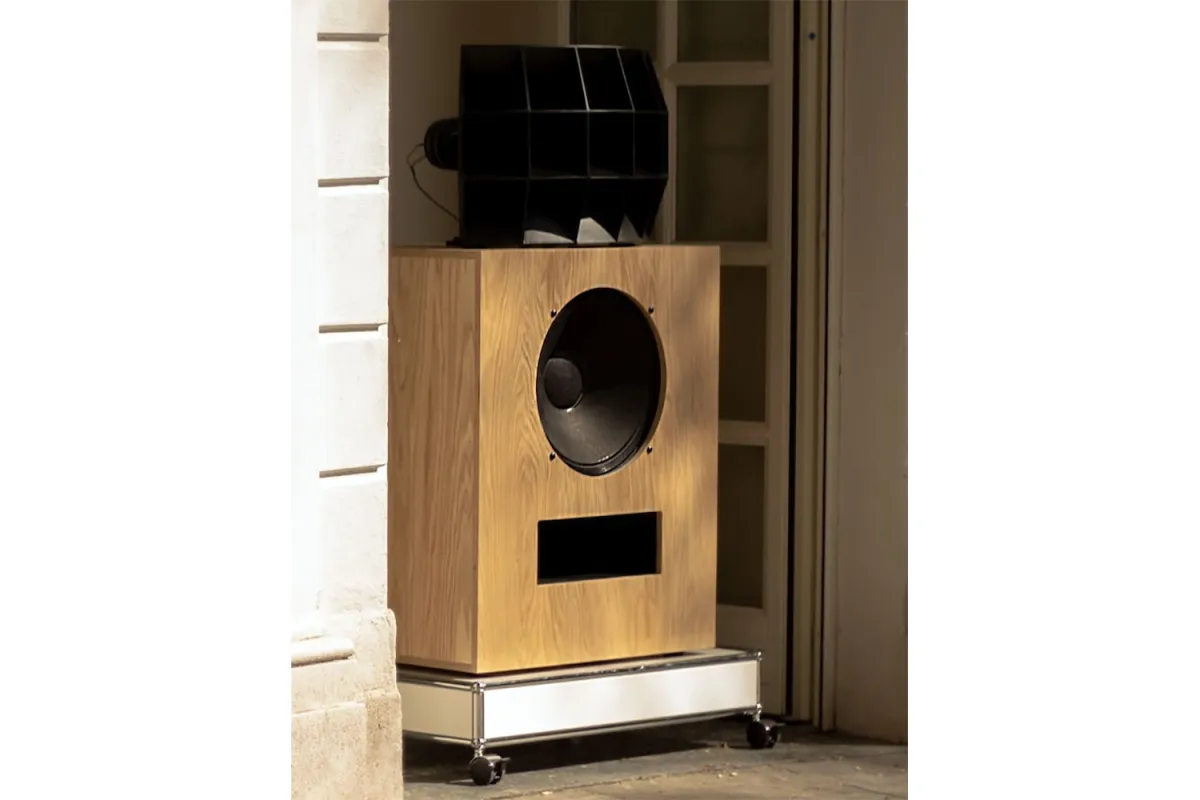
Klipsch kO-R2
Напольная акустика
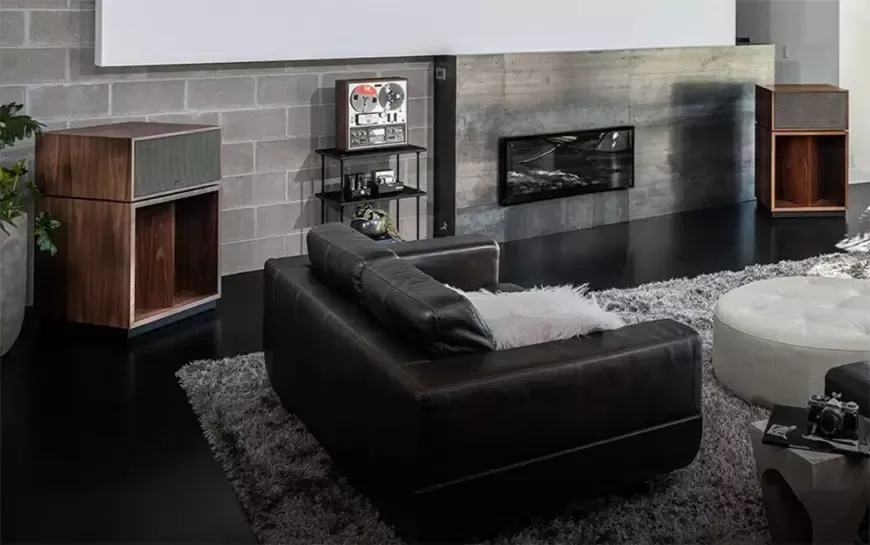
Klipsch La Scala AL6 2025 model
Напольная акустика
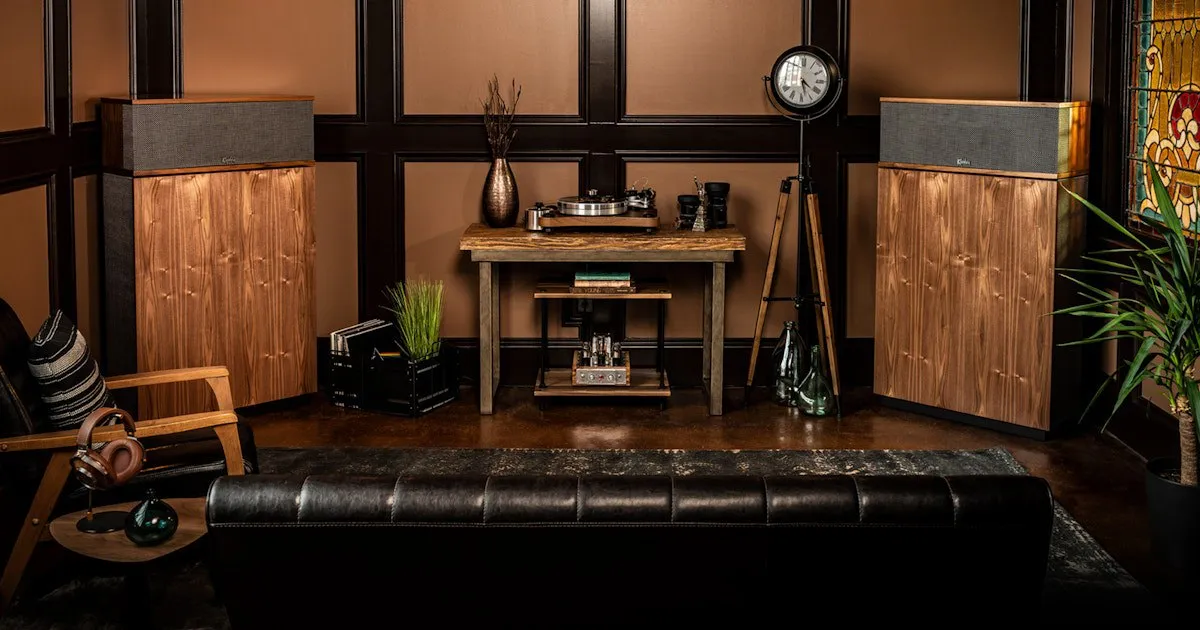
Klipsch Klipschorn AK7 2025 model

Напольная акустика
Klipsch KLIPSCHORN AK7