
Все

Напольная акустика — Klipsch KLIPSCHORN AK7
Описание, изображения, технические характеристики и спецификации
Klipsch KLIPSCHORN AK7
Источник изображения — © Klipsch
The Klipschorn AK7 is the current version of the corner horn loudspeaker that Paul W. Klipsch introduced in 1946 to bring an orchestral performance into the home. Announced on March 31, 2025, it replaced the AK6 of 2018 as the first update in seven years, and Klipsch gave a US price of USD 17,998 per pair. It belongs to the Heritage collection, is assembled by hand in the Klipsch plant at Hope, Arkansas, and is a three-way design in which every frequency range is horn-loaded.
Key specs that matter
Sensitivity is 103 dB with pink noise at 2.83 V and 1 m, and maximum output reaches 120 dB SPL. With the passive network the response spans 34 Hz to 19 kHz within 4 dB, measured anechoically in 1/8 space. Nominal impedance is 8 ohm with a minimum of 4 ohm at 50 Hz. Power handling is 100 W continuous and 400 W peak. The Klipschorn keeps the three-way layout it has used since the early 1950s and its trihedral cabinet shape uses the corner walls to extend the bass. Passive crossover points sit at 380 Hz and 2,900 Hz. Each cabinet stands 1353 mm tall, 800 mm wide and 714 mm deep and weighs 118 kg.
Engineering and use context
Bass is produced by the K-33-E 15 inch fibre composite cone in a folded, horn-loaded vented section. Klipsch now fully encloses the bass bin, so the speaker no longer depends on a perfect seal against the room corner. Compared with the AK6, the midrange moves from the 2 inch K-55-X to the cinema grade K-1133 3 inch compression driver, hand-built in Hope, mounted on the patented K-406M Tractrix horn with a 2 inch throat. This horn adds MUMPS, a feature Klipsch uses to widen coverage while holding frequency response. The treble is handled by the K-771 1 inch compression driver with a phenolic diaphragm and an extended phase plug meant to prevent cancellations and equalise wavelengths for cleaner dispersion. Cabinets come in book-matched veneers of American Walnut, American Auburn or Black Ash, with grey mesh over the horns, and Klipsch covers Heritage models with a 10-year warranty.
Pairing
The speaker offers both passive and active input options. Owners can keep the internal network or add the optional Heritage Active Crossover, priced at USD 3,499, which uses DSP for phase alignment and equalisation and needs separate amplifier channels for each section. With the active network Klipsch quotes a response extending to 20 kHz within 2.5 dB.
Alternatives
The Klipsch La Scala AL6 is another three-way horn-loaded floorstanding model in the Heritage collection.
Key specs that matter
Sensitivity is 103 dB with pink noise at 2.83 V and 1 m, and maximum output reaches 120 dB SPL. With the passive network the response spans 34 Hz to 19 kHz within 4 dB, measured anechoically in 1/8 space. Nominal impedance is 8 ohm with a minimum of 4 ohm at 50 Hz. Power handling is 100 W continuous and 400 W peak. The Klipschorn keeps the three-way layout it has used since the early 1950s and its trihedral cabinet shape uses the corner walls to extend the bass. Passive crossover points sit at 380 Hz and 2,900 Hz. Each cabinet stands 1353 mm tall, 800 mm wide and 714 mm deep and weighs 118 kg.
Engineering and use context
Bass is produced by the K-33-E 15 inch fibre composite cone in a folded, horn-loaded vented section. Klipsch now fully encloses the bass bin, so the speaker no longer depends on a perfect seal against the room corner. Compared with the AK6, the midrange moves from the 2 inch K-55-X to the cinema grade K-1133 3 inch compression driver, hand-built in Hope, mounted on the patented K-406M Tractrix horn with a 2 inch throat. This horn adds MUMPS, a feature Klipsch uses to widen coverage while holding frequency response. The treble is handled by the K-771 1 inch compression driver with a phenolic diaphragm and an extended phase plug meant to prevent cancellations and equalise wavelengths for cleaner dispersion. Cabinets come in book-matched veneers of American Walnut, American Auburn or Black Ash, with grey mesh over the horns, and Klipsch covers Heritage models with a 10-year warranty.
Pairing
The speaker offers both passive and active input options. Owners can keep the internal network or add the optional Heritage Active Crossover, priced at USD 3,499, which uses DSP for phase alignment and equalisation and needs separate amplifier channels for each section. With the active network Klipsch quotes a response extending to 20 kHz within 2.5 dB.
Alternatives
The Klipsch La Scala AL6 is another three-way horn-loaded floorstanding model in the Heritage collection.
Характеристики
Название модели
AK7
Нижняя граница частотного диапазона +/- 3дБ (Hz)
34
Верхняя граница частотного диапазона +/- 3дБ (Hz)
19000
Чувствительность (dB at 1 W/1m)
103
Импеданс (Ohms)
8
Требования к усилителю мощности (W)
up to 100, peak 400
Наличие встроенного усилителя
Н/д
Мощность встроенного усилителя (W)
N/A
Размер (sm)
135.25 x 80 x 71.5
Вес (kg)
118
Официальная ссылка
Связанные материалы
Другие компоненты
Напольная акустика
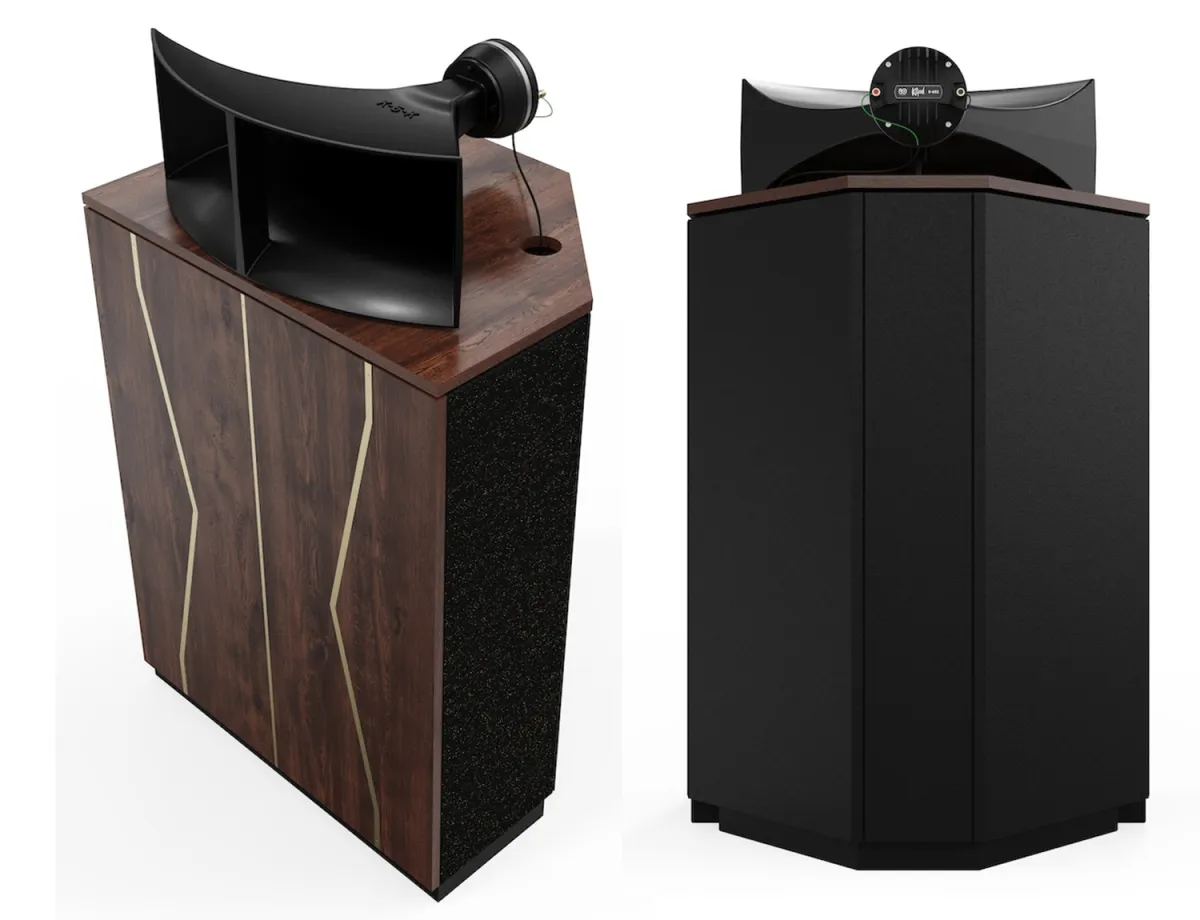
Klipsch Klipschorn 80th Anniversary Limited Edition
Напольная акустика
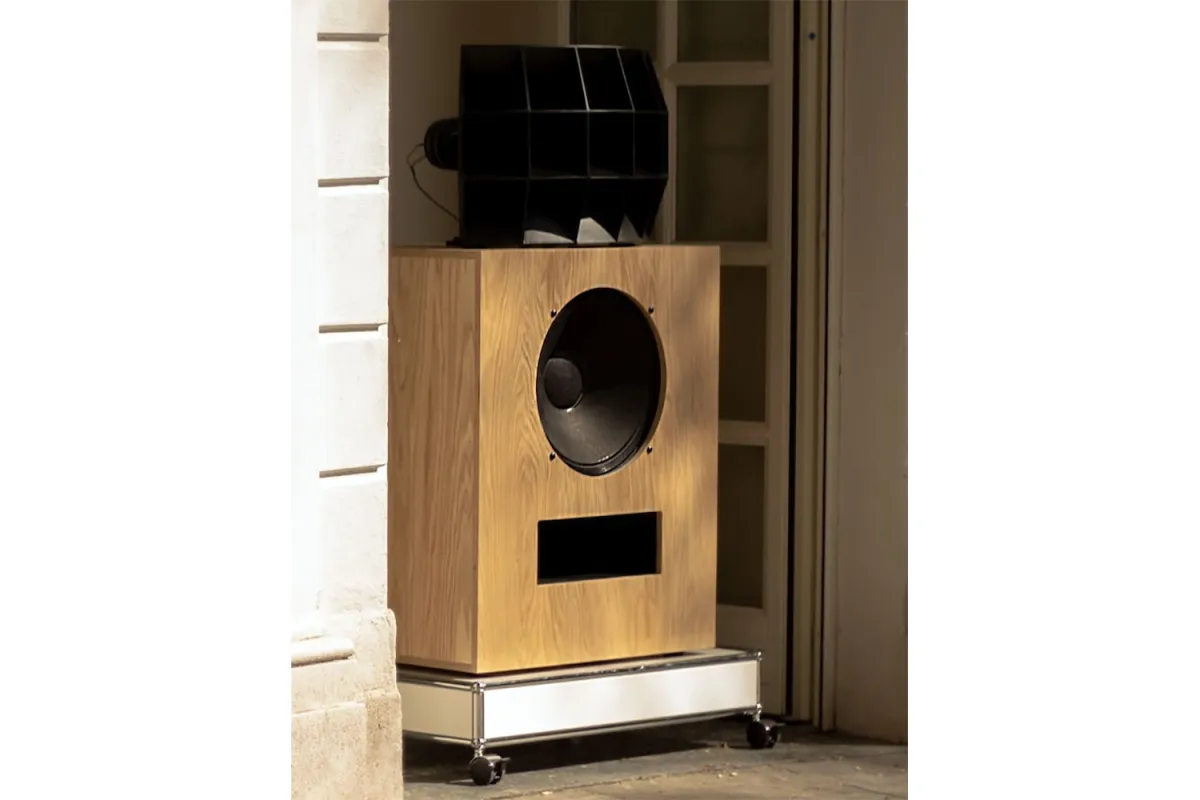
Klipsch kO-R2
Напольная акустика
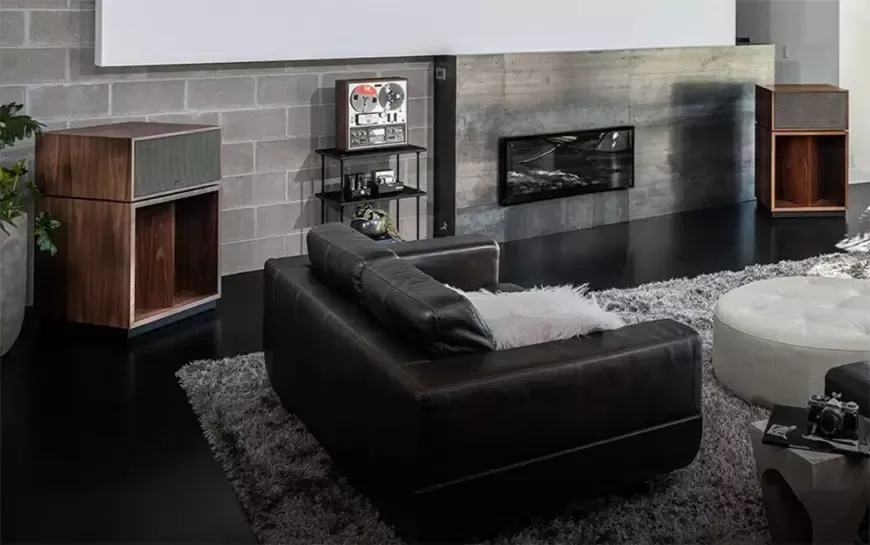
Klipsch La Scala AL6 2025 model
Напольная акустика
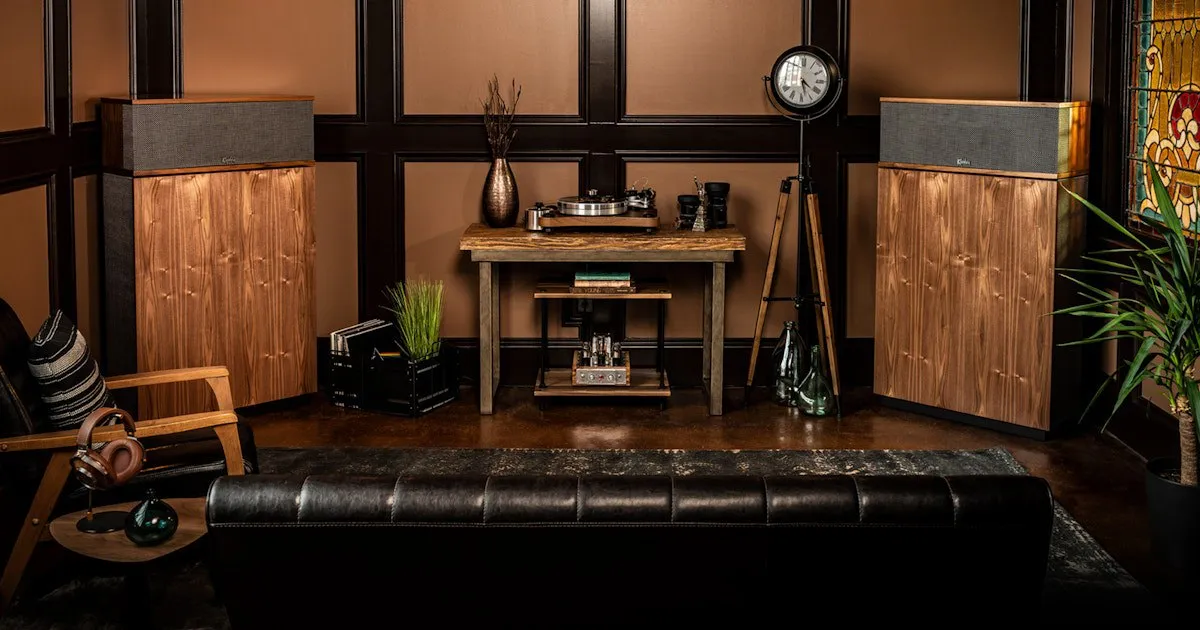
Klipsch Klipschorn AK7 2025 model

Напольная акустика
Klipsch LA SCALA AL6