
Все

Напольная акустика — Klipsch HERESY IV
Описание, изображения, технические характеристики и спецификации
Klipsch HERESY IV
Источник изображения — © Klipsch
The Heresy IV is the most compact three-way tower of the Klipsch Heritage family. The first Heresy appeared in 1957 as a compact design with a 12 inch woofer and horn-loaded midrange and tweeter, and in 2006 the Heresy III gained a stronger woofer, a bi-wire network and titanium diaphragm compression drivers. Klipsch describes it as the model with the greatest placement flexibility in the Heritage range, and the enclosure is still built in Hope, Arkansas.
Key specs that matter
Frequency response is 48 Hz to 20 kHz within plus or minus 4 dB. Sensitivity is 99 dB at 2.83 V and 1 m, as measured in an ordinary room, into a nominal 8 ohm load. Power handling is 100 W continuous and 400 W peak, with maximum output of 116 dB continuous. Crossover points sit at 850 Hz and 4.5 kHz. The cabinet measures 63.01 cm high, 39.37 cm wide and 33.66 cm deep and weighs 20.41 kg.
Engineering and use context
The K-107-TI handles the top octaves as a compression driver with a 1 inch titanium diaphragm fitted with a new phase plug for wide dispersion. The midrange is the new K-702 compression driver with a 1.75 inch polyimide diaphragm, loaded by the K-704 Tractrix horn for a wide coverage pattern. The woofer is the K-28-E, a fiber-composite cone unit. For the first time in the history of the model the cabinet has a rear port, which Klipsch says extends low frequency response by almost 10 Hz. The port uses Tractrix geometry with custom inner flares that calm incoming air and lower port noise. The network was completely revoiced with better parts, following the steep-slope three-way approach of the Klipschorn, La Scala and Cornwall. The MDF enclosure sits on a slanted riser base that can be removed for cabinet installation or for use on optional stands. An aluminum input panel takes large speaker cables. Every pair is grain-matched with book-matched veneer from the same timber and carries sequential serial numbers. Finish choices on the spec sheet are Satin Black Ash, American Walnut, Natural Cherry and Distressed Oak, and the Heritage warranty runs 10 years.
Pairing
Dual binding posts on the input panel support bi-wire or bi-amp connection, so the woofer and the two horn sections can be fed separately. Given the high sensitivity, full level arrives with little amplifier power, which keeps small tube or solid state amplifiers in play.
Alternatives
For more bass extension, the Klipsch Forte IV is a larger Heritage floorstander that pairs a woofer of the same size with a 15 inch rear passive radiator and reaches down to 38 Hz.
Key specs that matter
Frequency response is 48 Hz to 20 kHz within plus or minus 4 dB. Sensitivity is 99 dB at 2.83 V and 1 m, as measured in an ordinary room, into a nominal 8 ohm load. Power handling is 100 W continuous and 400 W peak, with maximum output of 116 dB continuous. Crossover points sit at 850 Hz and 4.5 kHz. The cabinet measures 63.01 cm high, 39.37 cm wide and 33.66 cm deep and weighs 20.41 kg.
Engineering and use context
The K-107-TI handles the top octaves as a compression driver with a 1 inch titanium diaphragm fitted with a new phase plug for wide dispersion. The midrange is the new K-702 compression driver with a 1.75 inch polyimide diaphragm, loaded by the K-704 Tractrix horn for a wide coverage pattern. The woofer is the K-28-E, a fiber-composite cone unit. For the first time in the history of the model the cabinet has a rear port, which Klipsch says extends low frequency response by almost 10 Hz. The port uses Tractrix geometry with custom inner flares that calm incoming air and lower port noise. The network was completely revoiced with better parts, following the steep-slope three-way approach of the Klipschorn, La Scala and Cornwall. The MDF enclosure sits on a slanted riser base that can be removed for cabinet installation or for use on optional stands. An aluminum input panel takes large speaker cables. Every pair is grain-matched with book-matched veneer from the same timber and carries sequential serial numbers. Finish choices on the spec sheet are Satin Black Ash, American Walnut, Natural Cherry and Distressed Oak, and the Heritage warranty runs 10 years.
Pairing
Dual binding posts on the input panel support bi-wire or bi-amp connection, so the woofer and the two horn sections can be fed separately. Given the high sensitivity, full level arrives with little amplifier power, which keeps small tube or solid state amplifiers in play.
Alternatives
For more bass extension, the Klipsch Forte IV is a larger Heritage floorstander that pairs a woofer of the same size with a 15 inch rear passive radiator and reaches down to 38 Hz.
Характеристики
Название модели
HERESY IV
Нижняя граница частотного диапазона +/- 3дБ (Hz)
48 (+/-4dB)
Верхняя граница частотного диапазона +/- 3дБ (Hz)
20000 (+/-4dB)
Чувствительность (dB at 1 W/1m)
99
Импеданс (Ohms)
8
Требования к усилителю мощности (W)
100 - 400
Наличие встроенного усилителя
Н/д
Мощность встроенного усилителя (W)
N/A
Размер (sm)
63.01 × 39.37 × 33.66
Вес (kg)
20.41
Официальная ссылка
Другие компоненты
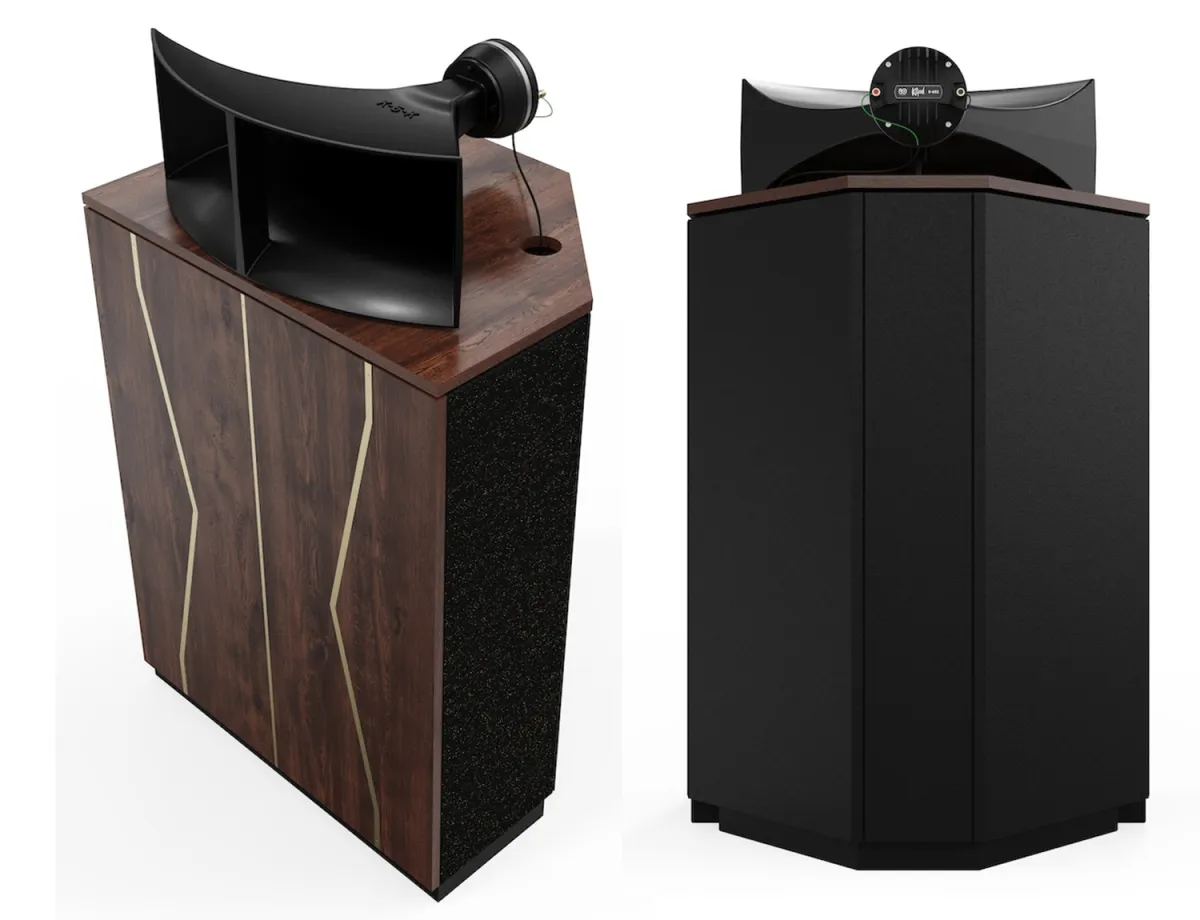
Напольная акустика
Klipsch Klipschorn 80th Anniversary Limited Edition
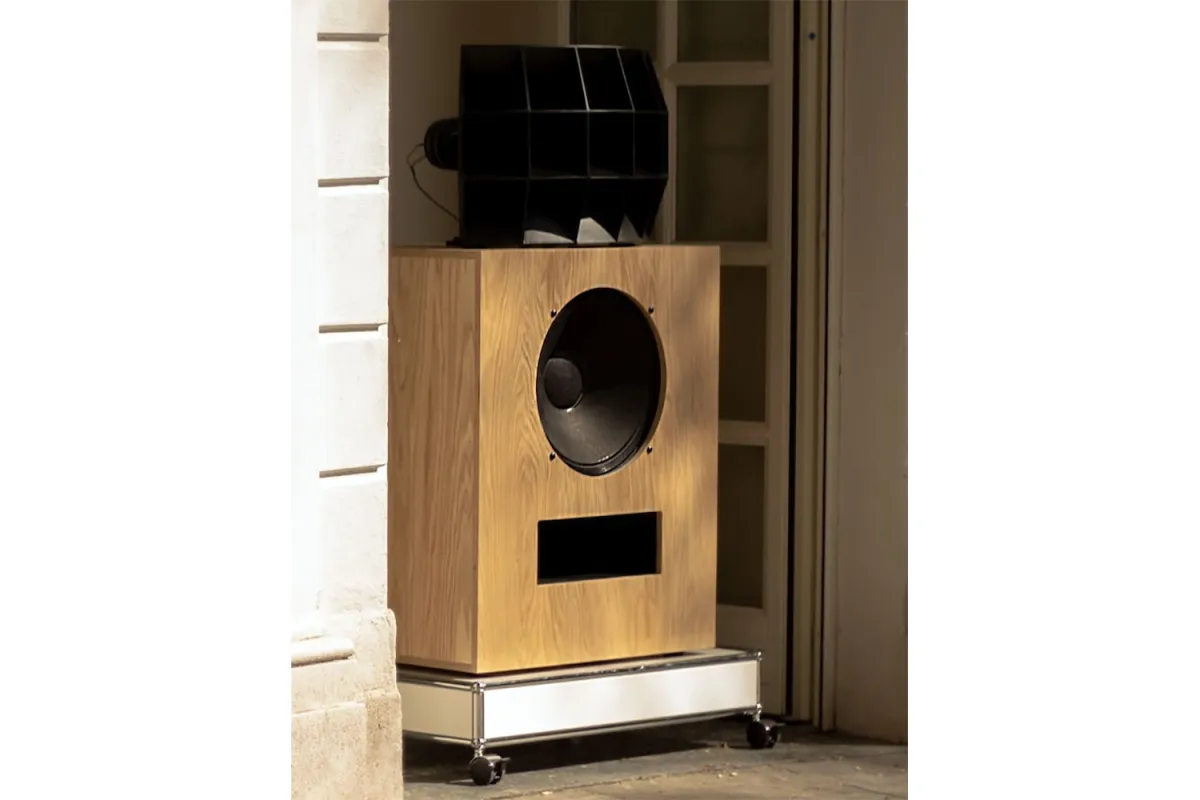
Напольная акустика
Klipsch kO-R2
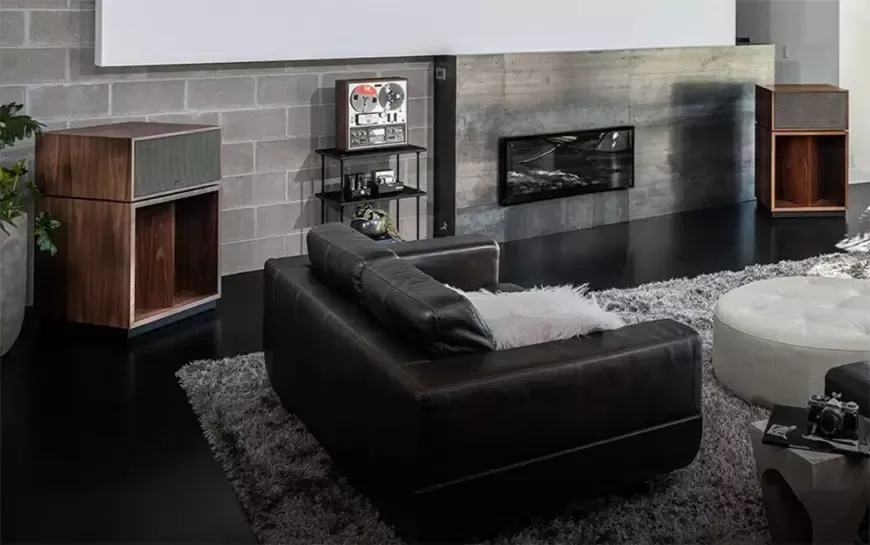
Напольная акустика
Klipsch La Scala AL6 2025 model
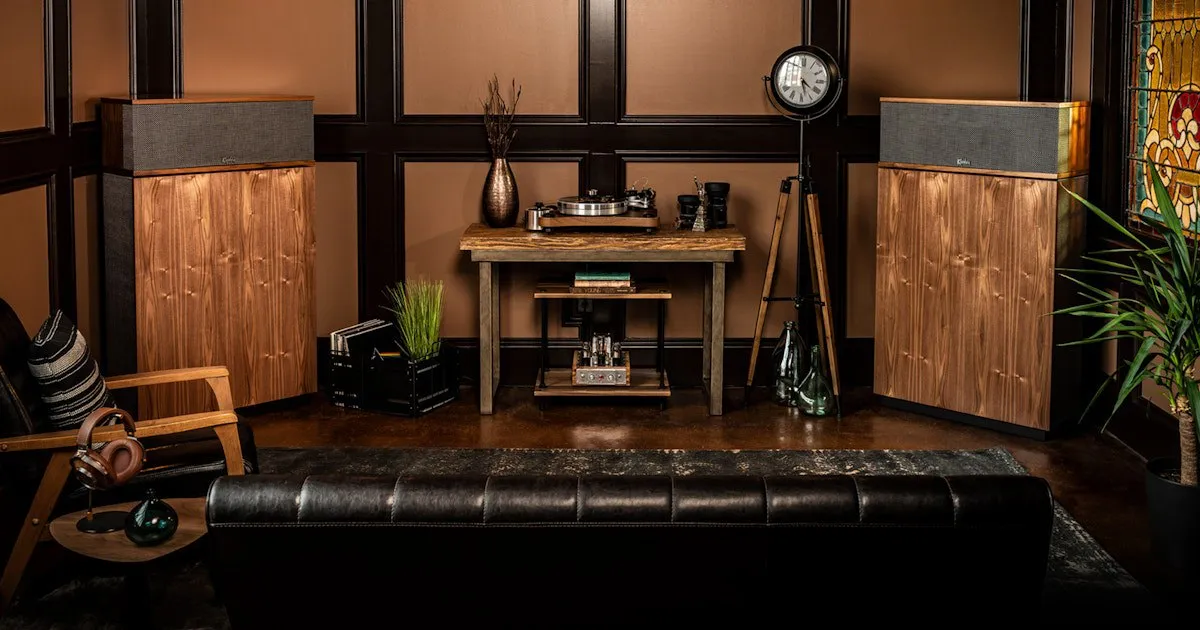
Напольная акустика
Klipsch Klipschorn AK7 2025 model

Напольная акустика
Klipsch KLIPSCHORN AK7