

Turntables - Hifiverse audio equipment catalog
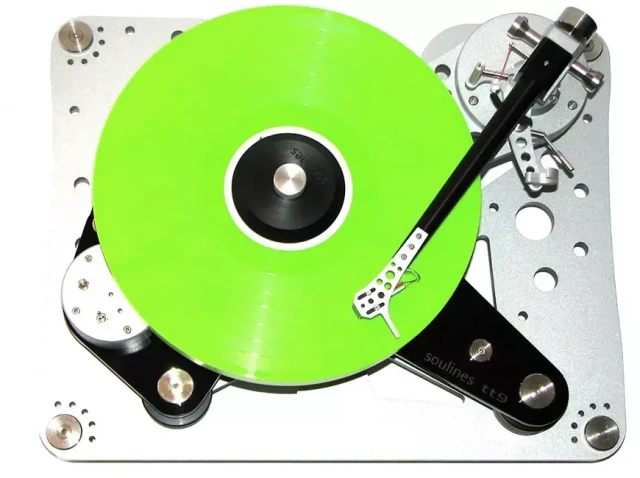
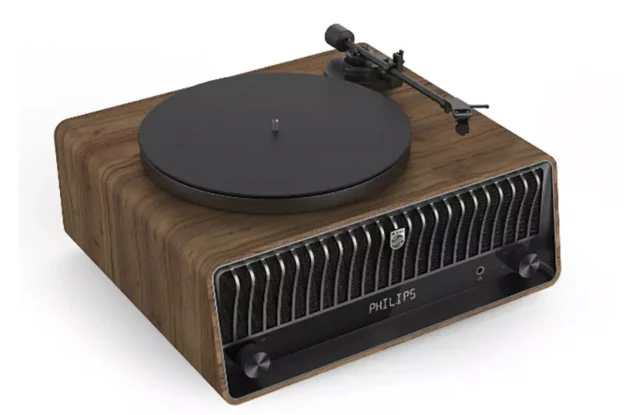
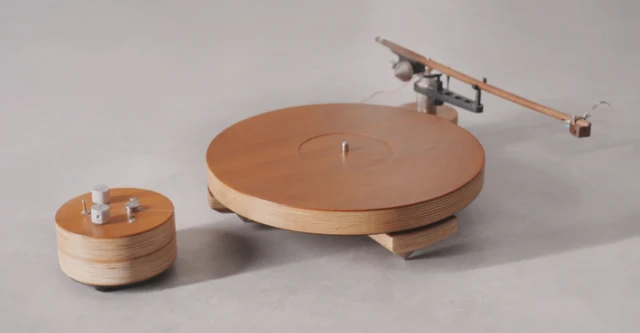
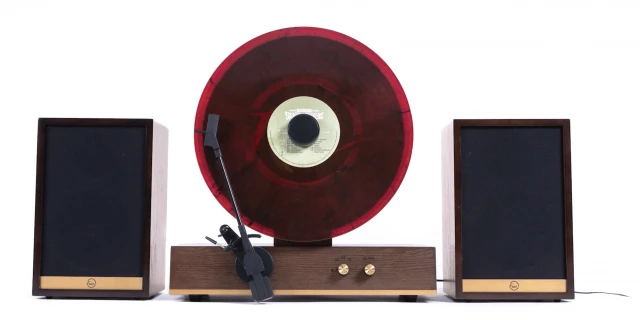
Turntables are complete record players - a plinth, motor, platter and usually a factory-fitted tonearm, sometimes with a cartridge already mounted. They start every vinyl system and play records at 33 1/3 and 45 rpm, with some models adding 78 rpm. This subcategory covers belt-drive, direct-drive and idler decks, while separate tonearms, cartridges and phono stages have their own pages.


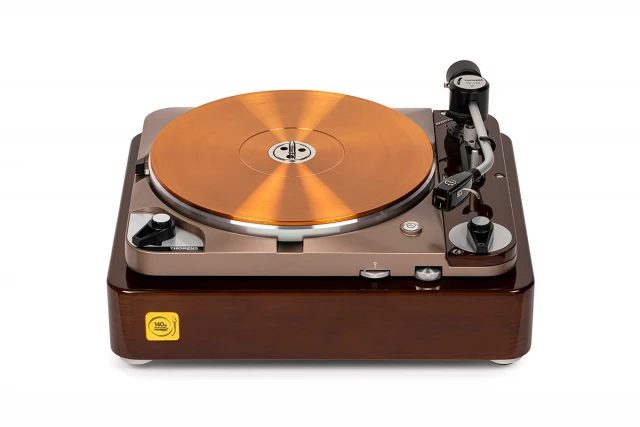

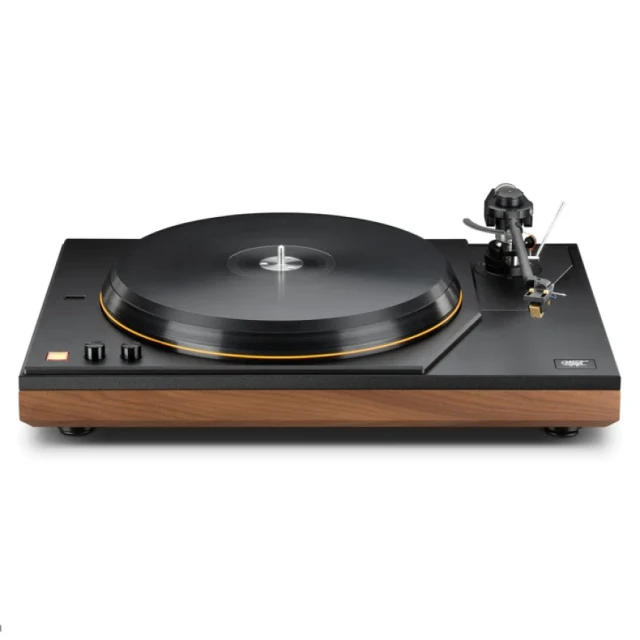
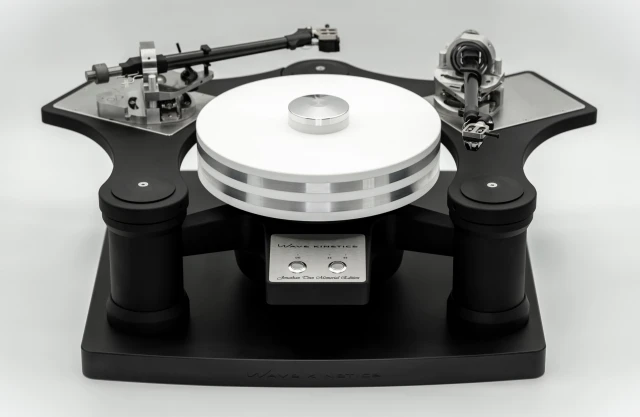


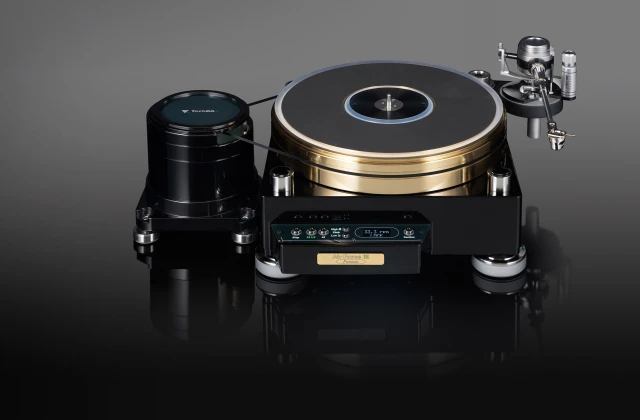


How to choose a turntable
Pick the drive type first. Belt drive keeps the motor away from the platter and dominates the market, direct drive reaches speed in well under a second and holds it under stylus drag, and idler drive uses a rubber wheel between motor and platter rim. Next, decide whether you want a plug-and-play deck with a pre-mounted cartridge and built-in phono stage or a bare deck that expects your own choices. Check how speed is changed, since cheaper decks need the belt moved by hand while others switch electronically. Then look at isolation - suspended subchassis designs decouple platter and arm from the plinth, while rigid mass-loaded plinths rely on weight and damping feet. Finally, see whether the armboard accepts other arms if you plan to upgrade later.
Key specs that matter
Wow and flutter shows speed stability, with around 0.1 percent typical for entry decks and below 0.05 percent on better models. Rumble, quoted as a negative dB figure, often sits between -60 and -80 dB and tells you how much mechanical noise reaches the stylus. Platter mass ranges from under 1 kg for light acrylic or aluminium platters to over 10 kg on heavy machined designs. Tonearm effective length is usually 9 inches, with 10 and 12 inch options on larger plinths.
Price ranges & what you get
A fitted cartridge, manual or electronic speed change and often a switchable phono preamp mark the entry tier below USD 500. From USD 500 to 3,000, arms improve, platters get heavier, and outboard power supplies and electronic speed control appear. Above USD 3,000, expect suspended or very massive plinths, multiple armboards and precision bearings.
Related subcategories & reading
Every deck needs a phono stage, either built in or as a separate box, so browse phono stages next. Cartridges lists replacement and upgrade pickups, and tonearms covers arms sold separately. Our vinyl articles explain setup, alignment and speed checks.