

Headphones amplifiers - Hifiverse audio equipment catalog
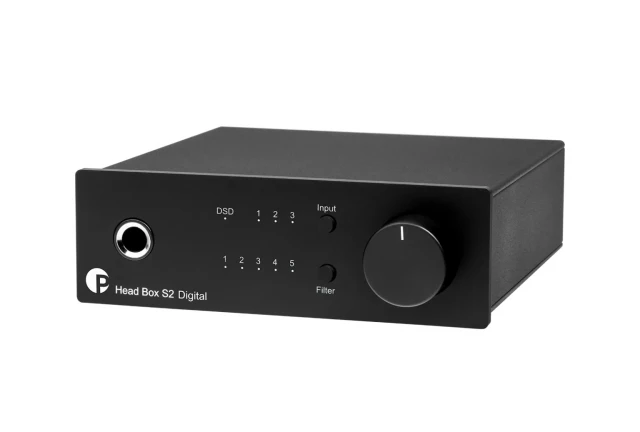
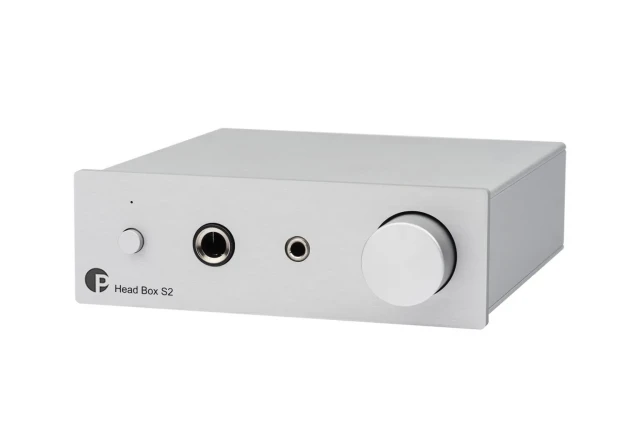
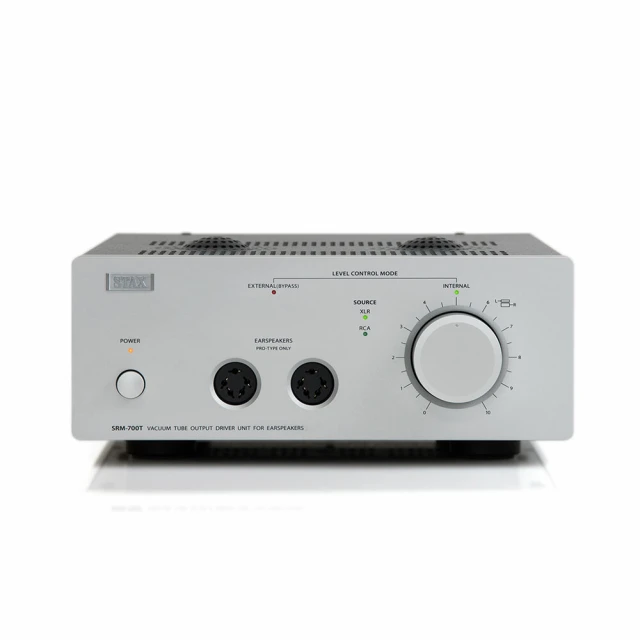
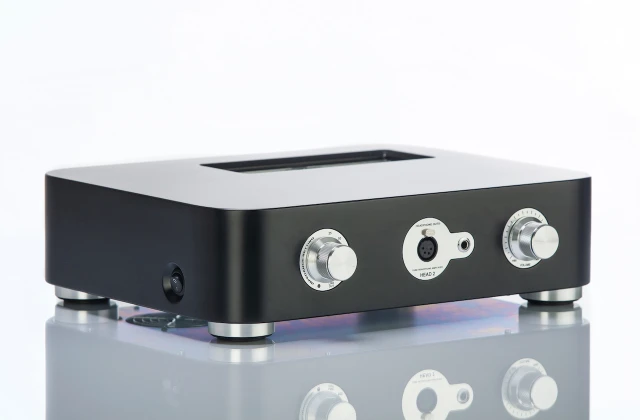
Headphone amplifiers drive headphones with more voltage and current than a phone, laptop or basic DAC output can supply. They matter most for high-impedance dynamic models rated at 250 or 300 ohms and for low-sensitivity planar-magnetic designs. This subcategory covers desktop and portable amplifiers, with or without a built-in DAC, while headphones are listed in their own subcategory.









How to choose a headphone amplifier
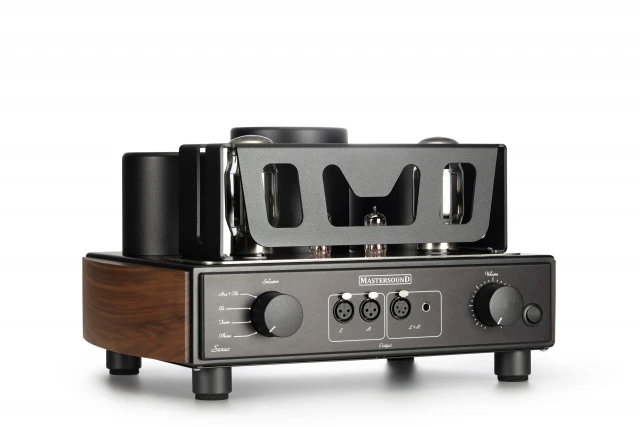
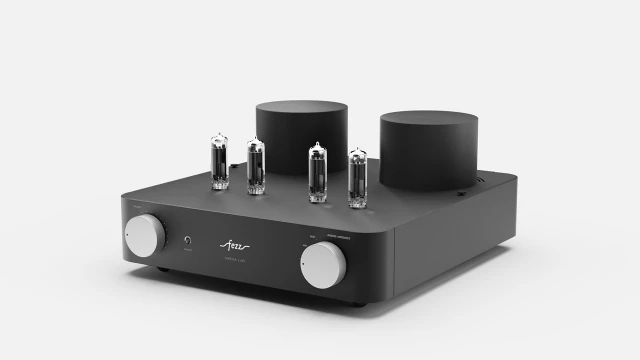
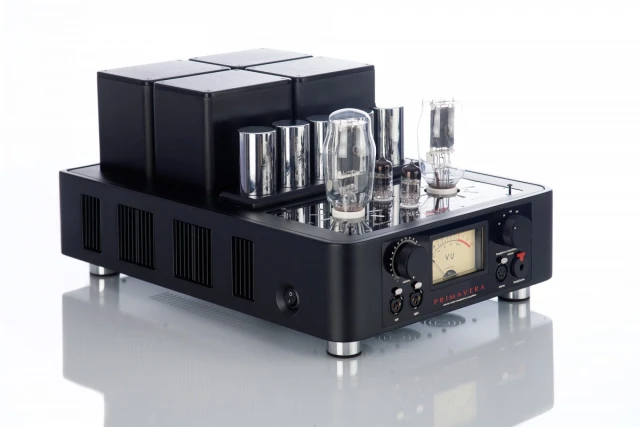
Rated output power at your headphones' impedance is the key figure, because a figure quoted at 16 or 32 ohms says little about a 300-ohm dynamic or a 50-ohm planar. Next, look at output impedance. A common rule keeps it at one-eighth of the headphone impedance or lower, so a 2-ohm output suits almost any model while a 120-ohm output only suits high-impedance ones. Then decide on connections. Balanced 4-pin XLR or 4.4 mm outputs roughly double voltage swing, but only help if your headphones accept a balanced cable. Consider gain settings if you switch between sensitive in-ear monitors and full-size headphones. Finally, choose a topology. Class A runs hot, Class AB covers most desktop units, Class D is efficient in portable units, and tube amplifiers usually have higher output impedance.
Key specs that matter
Output power for desktop units ranges from about 100 mW to several watts per channel at 32 ohms. Output impedance runs from under 1 ohm in solid-state designs to over 100 ohms in some tube amplifiers. Gain is often switchable between roughly 0 and 20 dB. THD below 0.01 percent and signal-to-noise ratio above 110 dB are typical for current solid-state designs.
Price ranges & what you get
Owners of efficient headphones can start with compact DAC and amplifier combos, often USB-powered, priced below USD 300. Between USD 300 and 1,500, desktop units add balanced outputs, external or linear power supplies and more power for planar models. Above USD 1,500, expect discrete output stages, selectable output impedance and dedicated electrostatic energisers.
Related - headphones & reading
Headphones lists the models these amplifiers drive, and DACs covers converters to place before a standalone amplifier. Our headphone articles explain impedance, sensitivity and balanced wiring.