All


Stax
Website:https://staxaudio.com/
Est. year: 1938
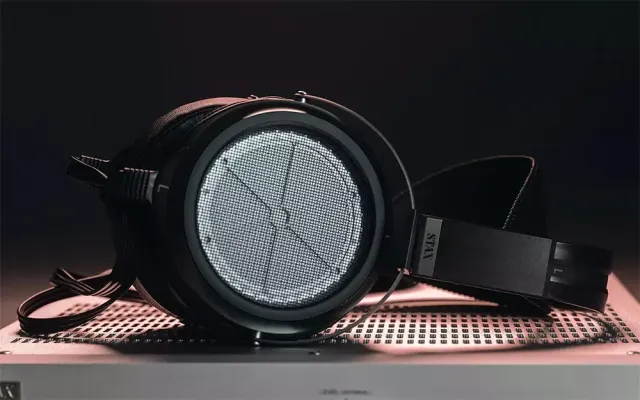
STAX is a Japanese maker of electrostatic headphones and the amplifiers that drive them, with roots going back to 1938. In 1960 it released the SR-1, the first electrostatic headphone, and it still calls its headphones earspeakers. Today it is a small company of 16 employees in Fujimi, Saitama Prefecture, working only on electrostatic personal audio.
Range & what it's known for
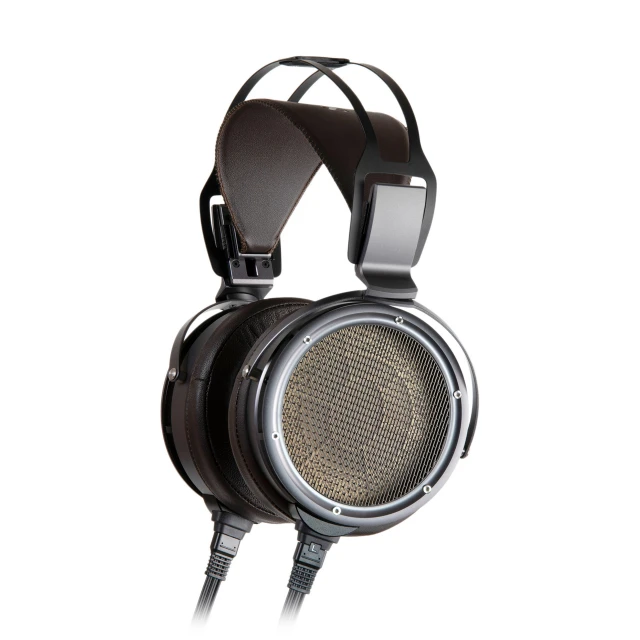
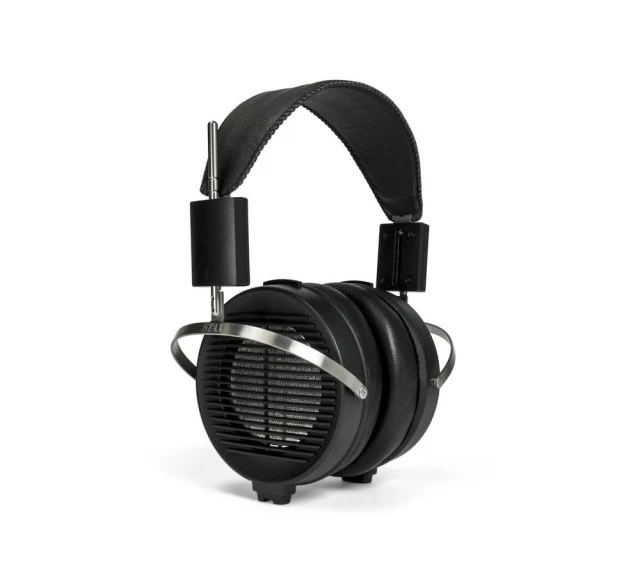
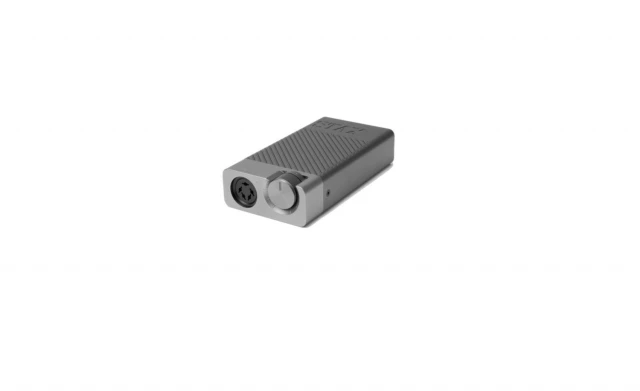
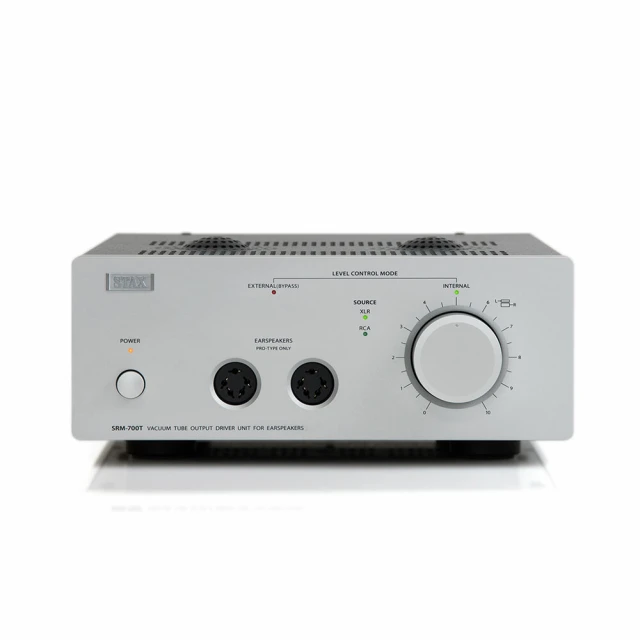
Every STAX earspeaker is electrostatic, so it needs a dedicated driver unit rather than an ordinary headphone amplifier. The range starts with the SR-X1 and the SRS-X1000 entry system, continues with the Lambda-style SR-L500 MK2 and SR-L700 MK2, and moves up to the SR-007S, SR-009S and SR-009D, with the SR-X9000 as the flagship. Driver units come in solid-state and tube form, from the SRM-400S and SRM-500T to the SRM-700S and SRM-700T, topped by the hybrid SRM-T8000, which accepts optional USB DAC and MC phono boards. The SR-003 MK2 in-ear model and the SRM-D10 MK2 portable driver unit with built-in USB DAC cover listening away from home.
Who owns it and where it's made
The original company was set up in 1938 as Showa Koon Kogyo and renamed Stax Kogyo in 1964. After the business became insolvent in 1995, operations passed in 1996 to the current Stax Ltd. In 2011 the Chinese audio company Edifier took full ownership. All earspeakers and most driver units are built at the company's own factory, where the transducer units are assembled in a temperature- and humidity-controlled clean room and aged for roughly a week to ten days before fitting.
The lineup in this catalog
Electrostatic earspeakers and driver units. Japanese prices on the maker's site run from JPY 33,000 for the SR-003 MK2 and JPY 66,000 for the SR-X1 up to JPY 693,000 for the SR-X9000.
Who it's for
STAX suits listeners who have decided on electrostatic headphones and want a complete system from one maker. A sensible start is the SRS-X1000 system or an SR-L500 MK2 with a mid-level driver unit, then the SR-L700 MK2, the SR-009S and finally the SR-X9000 with the SRM-T8000. In-house servicing of older products is part of the appeal for long-term owners.