

Power furniture - Hifiverse audio equipment catalog
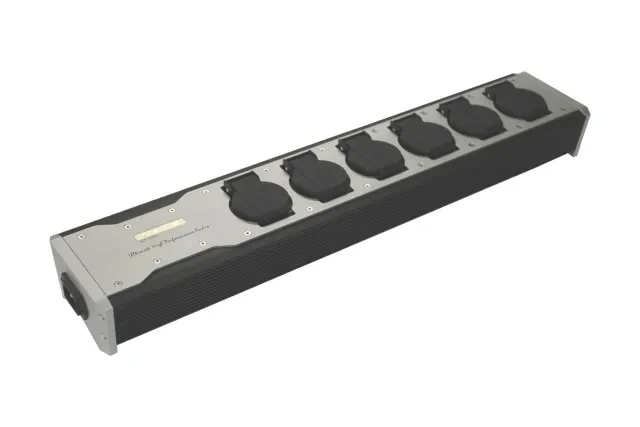
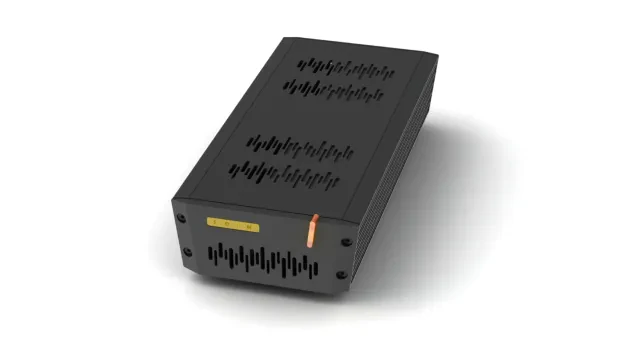
Power furniture covers the equipment between the wall socket and the system - power conditioners, isolation transformers, surge protectors and distribution units. Its job is protection, filtering and clean distribution of AC power rather than carrying the signal. A typical unit offers 4 to 12 outlets in one chassis. Power cords themselves sit under cables, and racks and isolation under other devices.


How to choose power furniture
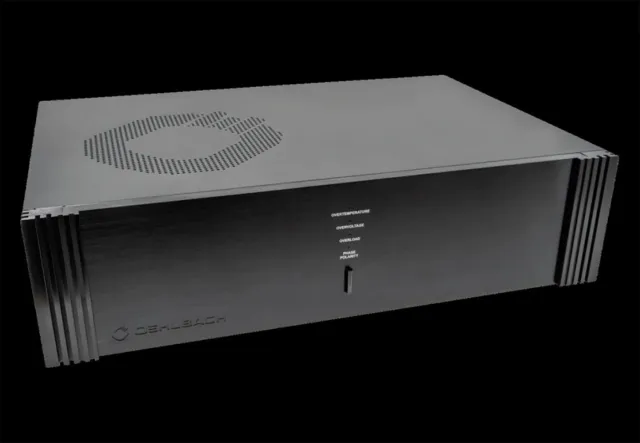
First decide which problem you are solving. A surge protector clamps voltage spikes and is rated in joules, while a conditioner filters continuous EMI and RFI noise riding on the mains. Next, consider an isolation transformer if a hum or ground loop persists, since it gives galvanic separation from the incoming line instead of filtering alone. Then size current capacity to the system. Add up the rated draw of every component and allow headroom, because large class AB power amplifiers draw high inrush current at switch-on. Many makers advise plugging such amplifiers into an unfiltered high-current outlet. Finally, check outlet layout and type, including separate banks for digital and analogue gear, Schuko, UK or US sockets and whether the unit accepts a detachable IEC inlet.
Key specs that matter
Current rating runs from about 10 A to 20 A depending on the mains standard. Surge rating for protection devices typically falls between 1,000 and 4,000 joules. Noise attenuation, quoted in dB across a frequency band, shows how much EMI and RFI a filter removes. Transformer rating, given in VA, sets how much load an isolation unit can carry.
Price ranges & what you get
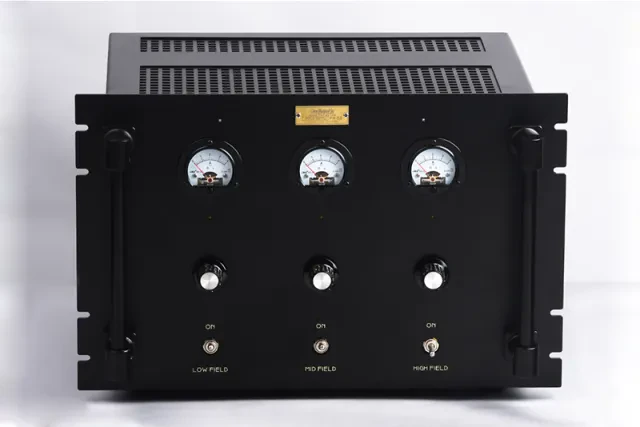
Surge-protected strips with basic filtering make up the tier below USD 300. Between USD 300 and 2,000, units add multi-stage filtering, isolated outlet banks, high-current amplifier outlets and voltage monitoring. Above USD 2,000, expect large balanced isolation transformers or AC regenerators that rebuild the sine wave.
Related - cables & reading
Cables lists power cords as well as speaker cables and interconnects, and other devices covers racks and isolation platforms. Our cables and accessories articles explain mains standards and grounding.