All


TEAC
Website:https://teac.jp/
Est. year: 1953
Location: Japan
TEAC is a Japanese audio company headquartered in Tama, Tokyo, whose origins go back to Tokyo Television Acoustic Company, founded in 1953 by Katsuma Tani. Its hi-fi catalog spans CD transports, DACs, network players, amplifiers and turntables, and it also owns the professional TASCAM division and the high-end Esoteric subsidiary, so the group reaches from home studios to costly disc playback.
Range & what it's known for
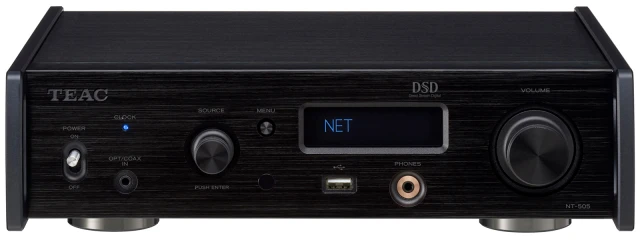
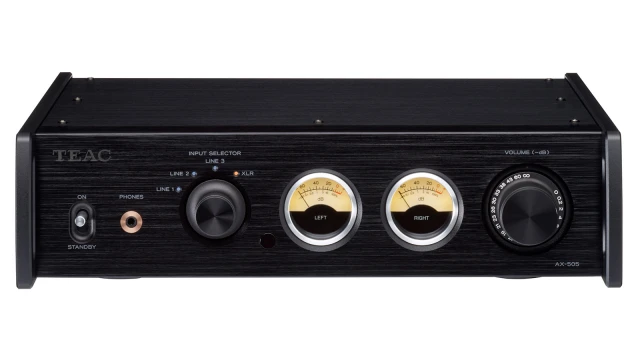
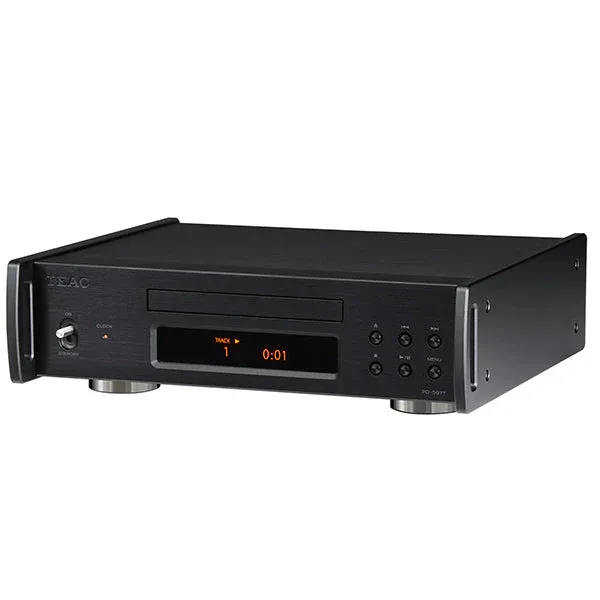
The hi-fi range is built around the Reference series. Reference 700 is the top tier, with the VRDS-701 and VRDS-701T CD transports, the UD-701N DAC and preamplifier and the AP-701 power amplifier. Reference 500 includes the NT-505-X network player, the NT-507T network transport, the PD-507T CD transport, the UD-507 DAC and headphone amplifier, the HA-507, the AP-507 power amplifier and the PE-505 power supply. Reference 300 offers the PD-301-X CD player. TEAC also makes the AI-303 desktop amplifier, only 215 mm wide, the CG-10M-X master clock and turntables from the TN-180BT-A3 to the belt-drive TN-5BB with XLR output, with the TN-400BT-X adding Bluetooth and a turquoise blue edition.
Who owns it and where it's made
TEAC was formed by merging Tokyo Television Acoustic Company with Tokyo Electro-Acoustic Company, founded in 1956 after Tomoma Tani brought home a three-motor stereo tape recorder. Gibson acquired a 54.42 percent stake in 2013, and after Gibson's 2018 bankruptcy TEAC announced its independence. TASCAM, its professional arm, dates from 1971 and grew out of a research unit set up by the TEAC founders to build recorders for musicians.
The lineup in this catalog
Amplifiers and disc players. The cheapest product is about USD 500, the dearest above USD 5,000.
Who it's for
TEAC is for a desk or a modest room that needs serious digital playback and amplification in small chassis. An entry system might pair the PD-301-X with the AI-303, then step up to Reference 500 separates such as the NT-505-X, UD-507 and AP-507, with Reference 700 as the next stage for disc-focused listeners.
- All
- Preamplifiers
- Power amplifiers stereo
- Streamers
- CD / SACD players and transports
- DACs
- Integrated amplifiers
- Phonostages
- Turntables
- Headphones