All


GoldenEar
Website:https://www.goldenear.com/
Est. year: 2010
GoldenEar Technology is an American loudspeaker company set up in 2010 by Sandy Gross together with Don Givogue and Bob Johnston, a team that had earlier built Polk Audio distribution and Definitive Technology. It makes tower, bookshelf, center, on-wall and in-wall speakers plus subwoofers, and since 2025 it has belonged to the group behind Paradigm, Anthem and MartinLogan, trading as GoldenEar Studio Inc.
Range & what it's known for
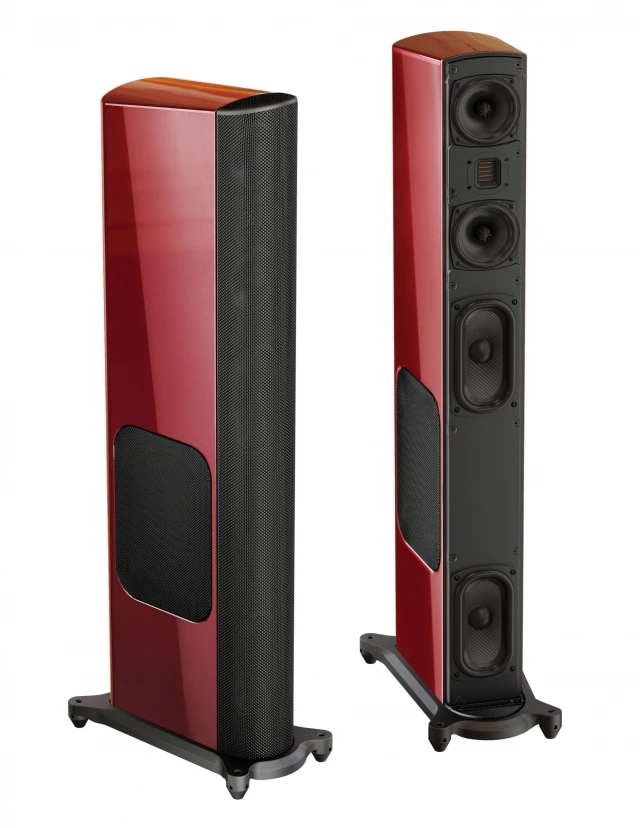
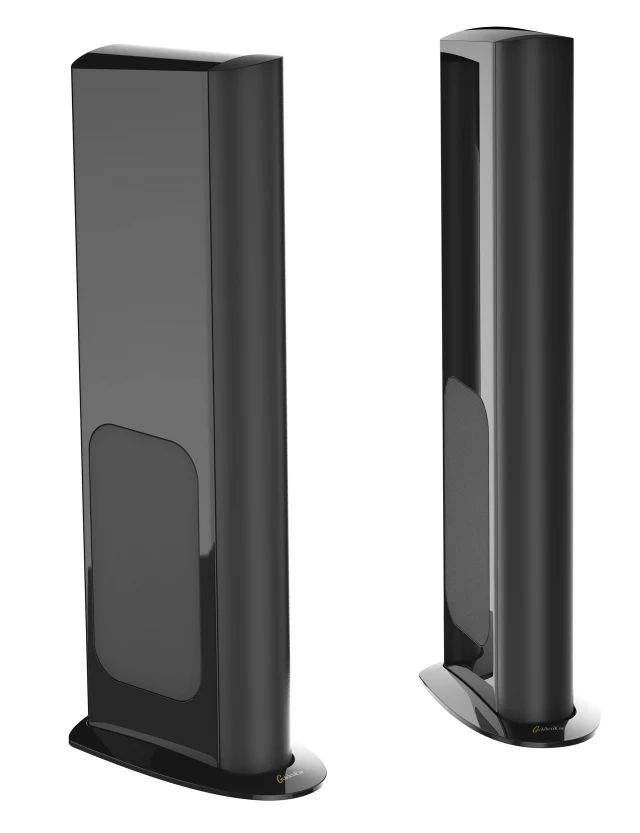
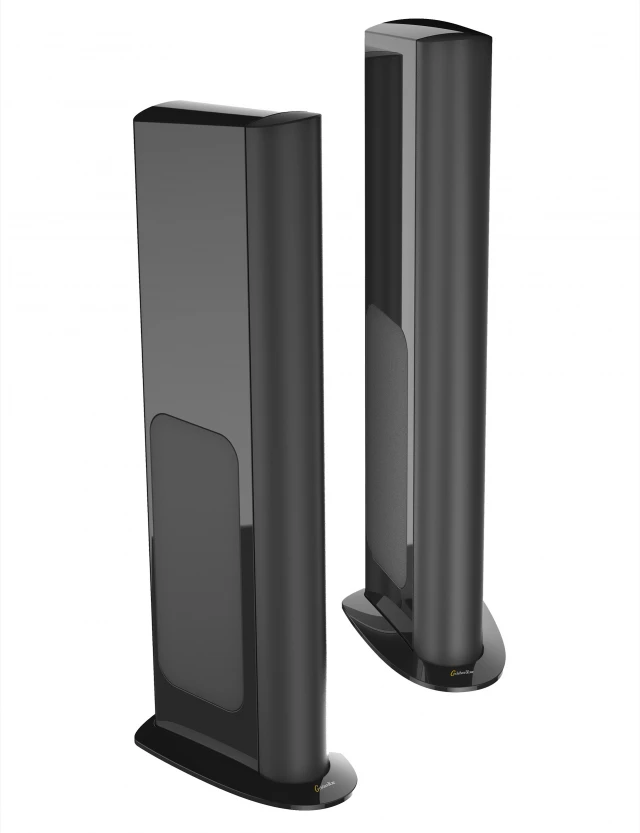
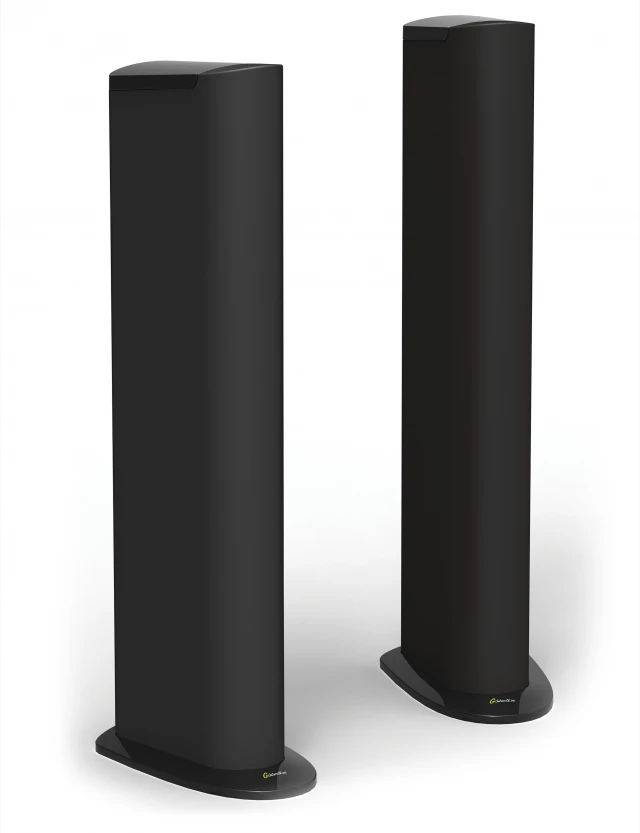
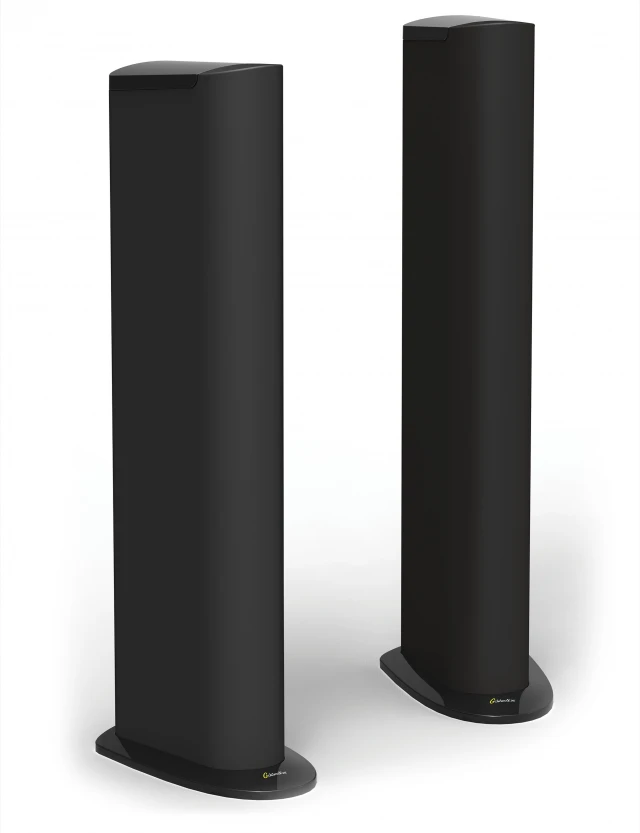
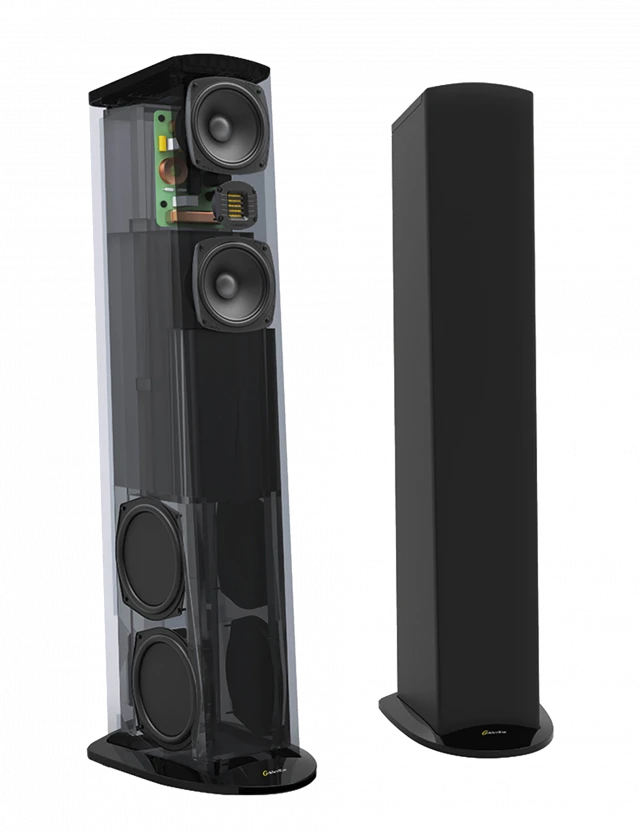
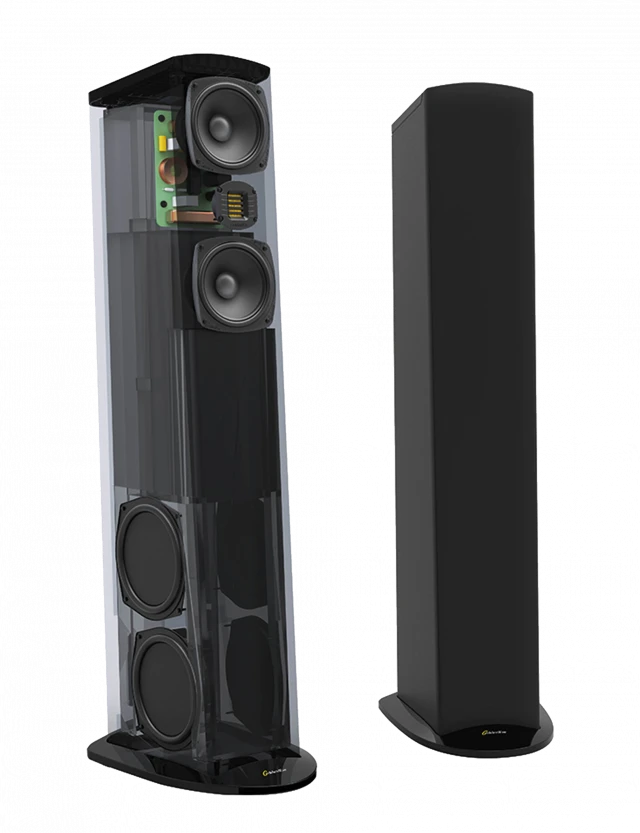
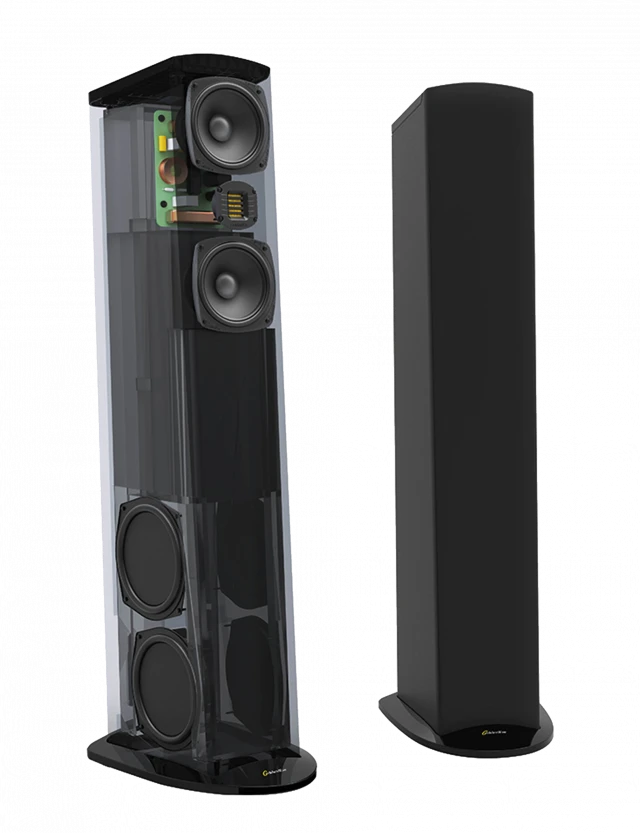
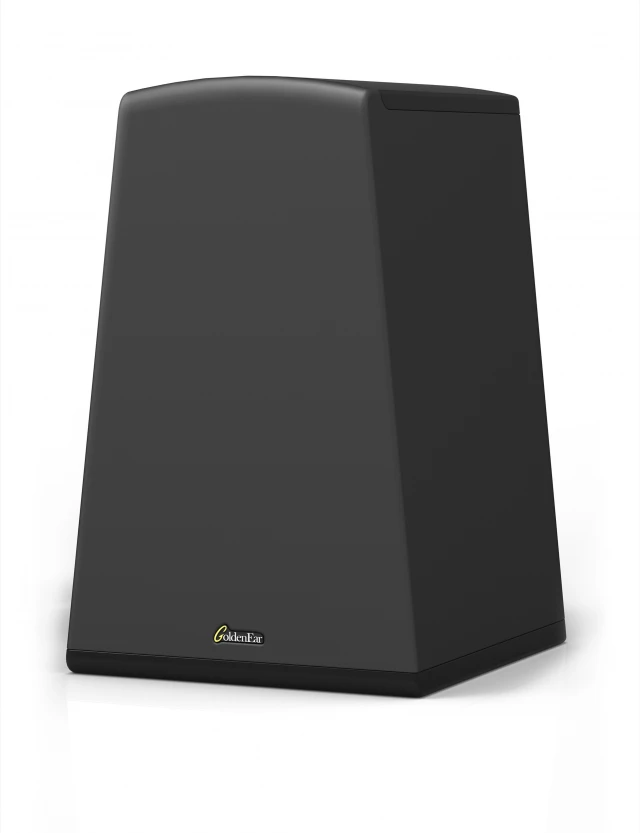
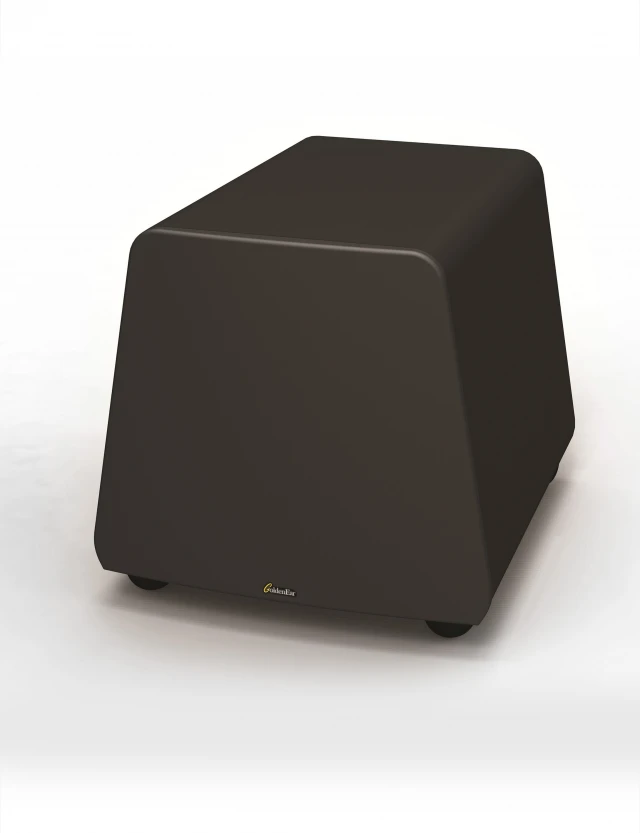
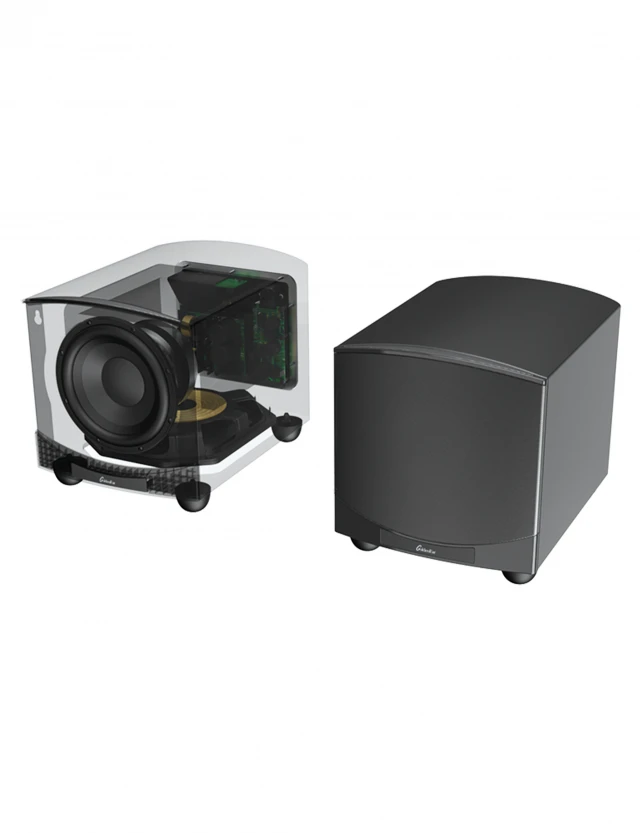
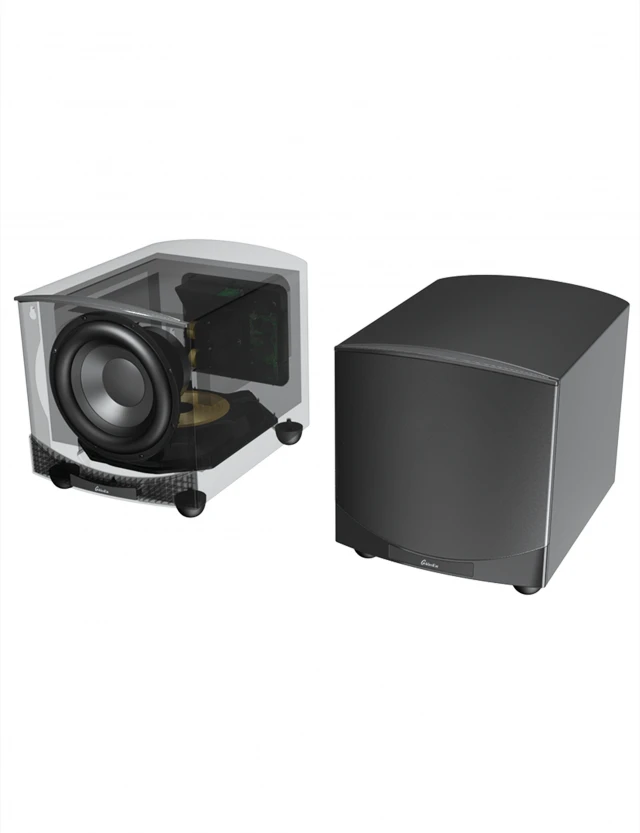
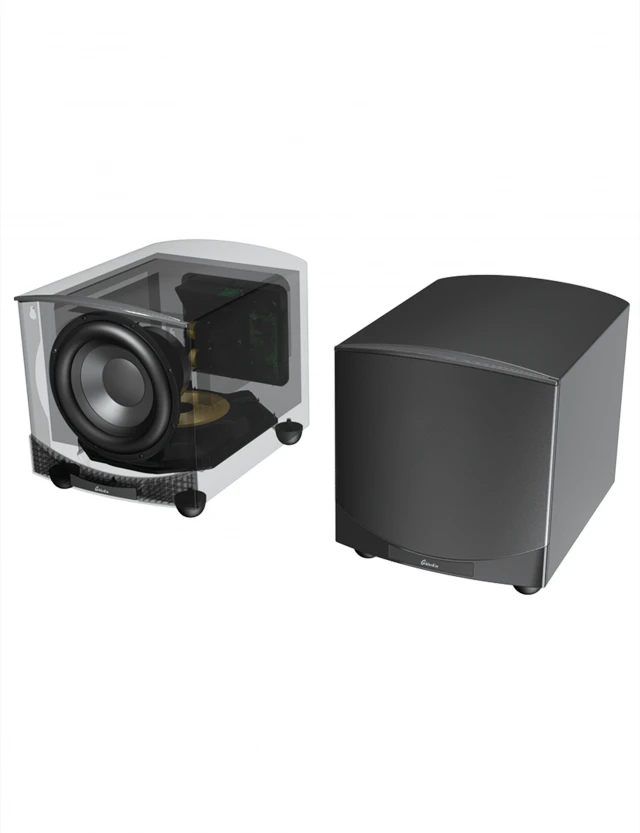
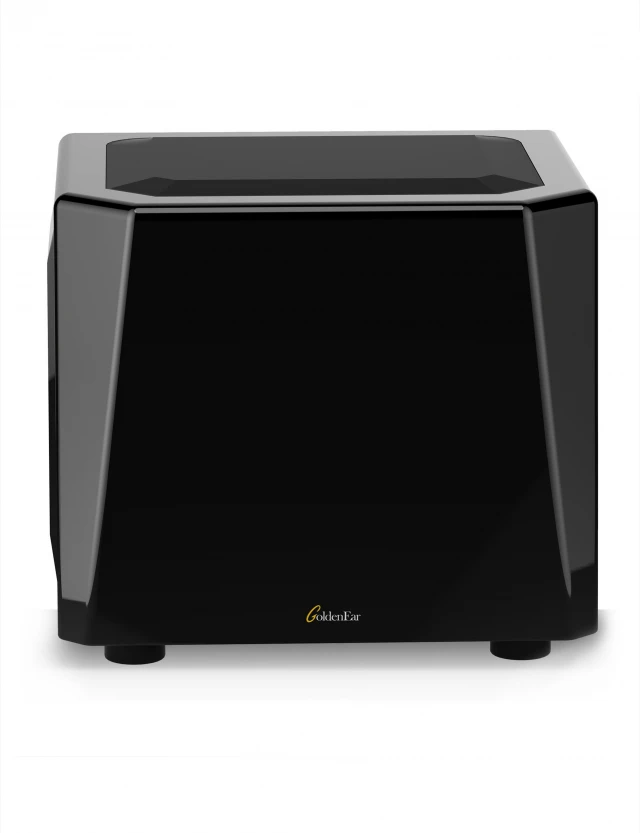
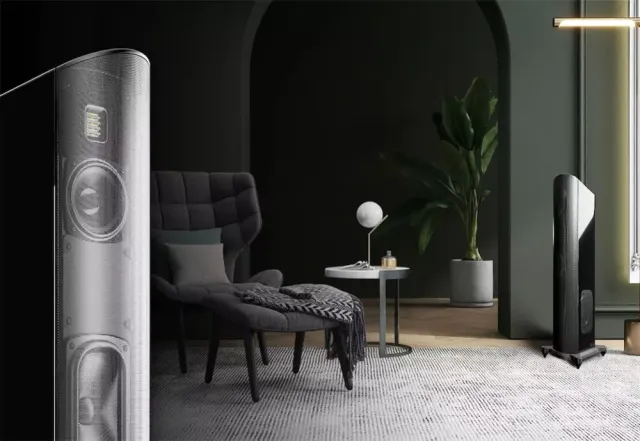
Towers form the backbone of the catalog. The line grew from the Triton family (Triton One and Triton Reference among them) into the current T Series with the T44 and T66. Smaller rooms are served by the BRX bookshelf model, the SuperCinema center channels and the SuperSat on-wall speakers, while the Invisa models cover architectural installs. Bass comes from the SuperSub and ForceField subwoofer families, including the ForceField 30 and 40. Two traits run through the catalog - powered bass sections built into several towers and folded ribbon tweeters used across many models.
Who owns it and where it's made
GoldenEar was independent for its first decade. In January 2020 it was acquired by The Quest Group, the company owned by AudioQuest founder Bill Low. From 1 January 2025 PML Sound International, parent of Paradigm, Anthem and MartinLogan, took over the brand and runs it as GoldenEar Studio Inc. Gross, whose industry career spans about five decades, had known Bill Low since Low ran a small audio shop in Portland, Oregon. The brand today sells in the United States, Canada and Europe.
The lineup in this catalog
Loudspeakers, with prices from roughly USD 500 to USD 5,000 across the tower, bookshelf and related models listed here.
Who it's for
GoldenEar makes sense in a room where full-range towers have to work without a separate subwoofer, and in a home theater built from a matched set of towers, center, on-wall surrounds and subwoofer from one maker. Owners often begin with the BRX bookshelf or a smaller T Series tower and later move up to the T66 or a Triton Reference, with ForceField or SuperSub units added for deeper bass and Invisa models for hidden speakers in a dedicated room.