All


AVM
Website:https://avm.audio/
Est. year: 1986
AVM is a German hi-fi electronics maker founded in 1986 and based in Malsch near Karlsruhe. The name stands for Audio Video Manufaktur, and the company makes amplifiers, CD players, streamers and all-in-one systems, designing and building them in-house from circuit boards to chassis, which keeps control of every production step inside the company. It sells in many export markets through national distributors.
Range & what it's known for
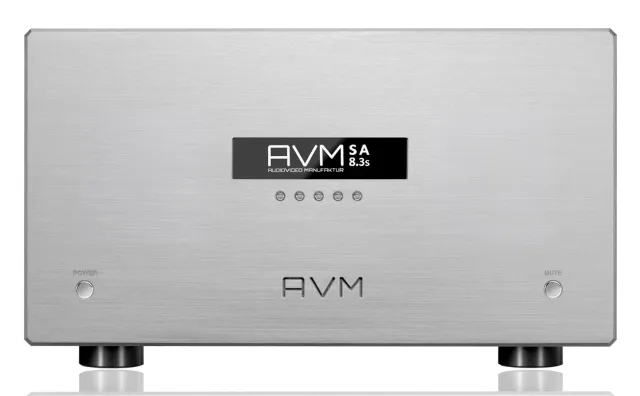
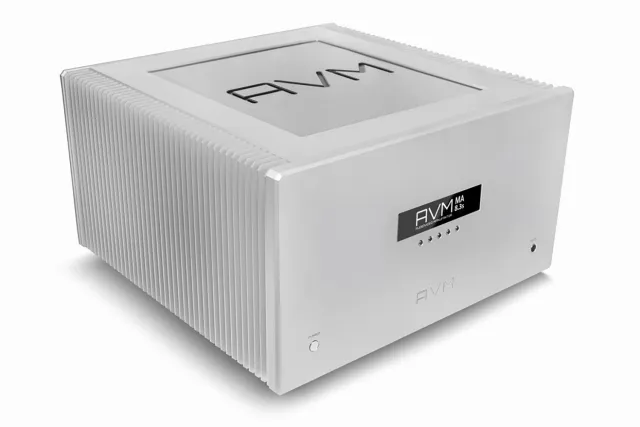
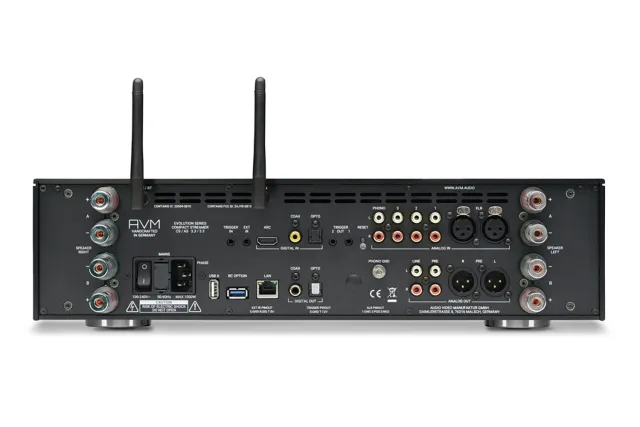
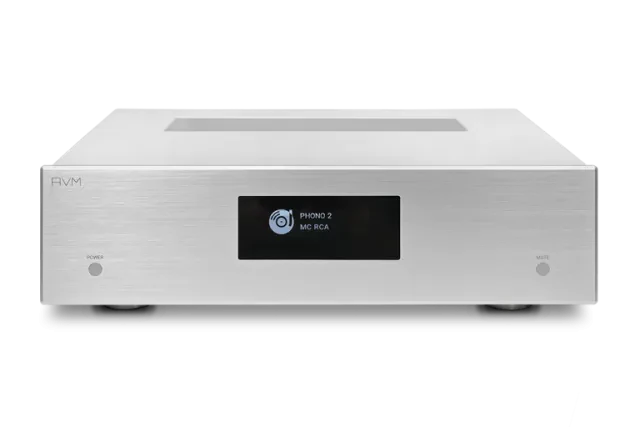
The range is split into Inspiration, Evolution and Ovation, plus the retro-styled AVM30 series. Inspiration covers compact all-in-one units, Evolution the mid tier of separates, and Ovation the top tier with solid-state and valve designs. Examples include the Ovation SA 8.2 power amplifier and the Ovation CS 8.2, a valve-powered class A/B unit that combines a streamer, CD player, DAC and amplifier in one chassis. All current AVM streamers support Tidal and Qobuz, so network playback is built in across the range.
Who owns it and where it's made
AVM was founded by Günther Mania together with Robert Winiarski, and Mania still works for the company as a freelance developer. Since 2009 the firm has been run by managing director Udo Besser, a Munich native who has steered the range towards network playback and the newer product series. AVM Audio Video Manufaktur GmbH is privately held, and development and production remain at its works in Malsch.
The lineup in this catalog
The catalog lists 32 AVM products across amplifiers, streamers and all-in-one systems. Prices start at roughly EUR 4,000 for Inspiration models and rise past EUR 15,000 for the Ovation series.
Who it's for
AVM is aimed at a home system that needs German-made electronics with streaming built in, whether as a single box or a full stack of separates. A compact Inspiration all-in-one is the usual entry, with Evolution separates and then the Ovation series as the next steps. It is a sensible pick for anyone who wants valve or solid-state options from one maker and a consistent look across the whole stack, from the front panels to the cases and controls.
- All
- Preamplifiers
- Phonostages
- Integrated amplifiers
- Power amplifiers mono
- Power amplifiers stereo
- Bookshelf Speakers
- Turntables
- Streamers
- CD / SACD players and transports
- Other devices