

CD / SACD players and transports - Hifiverse audio equipment catalog
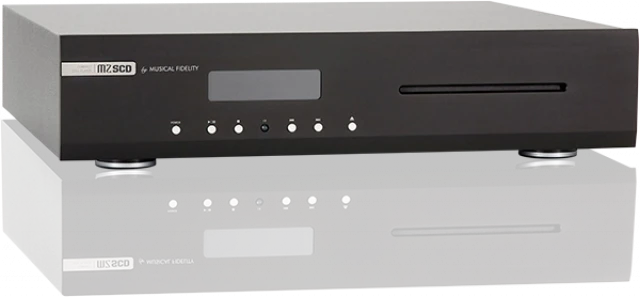
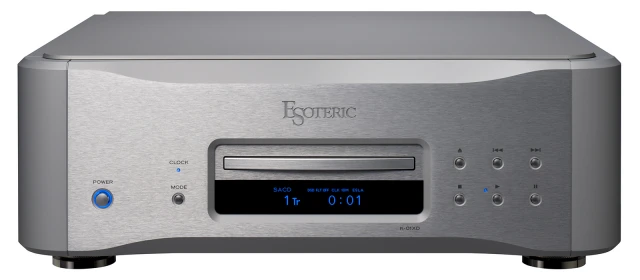
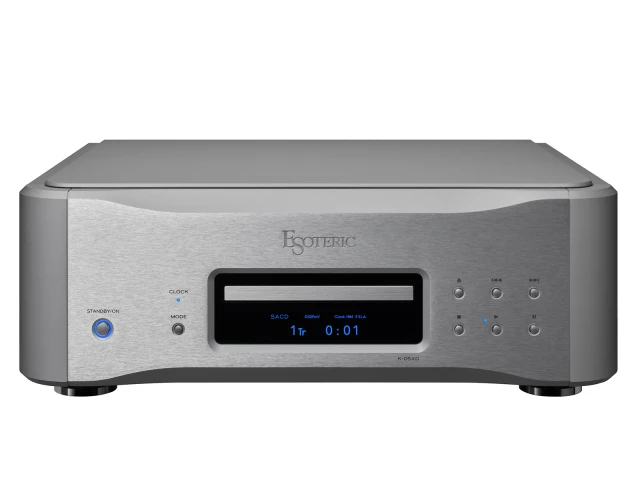
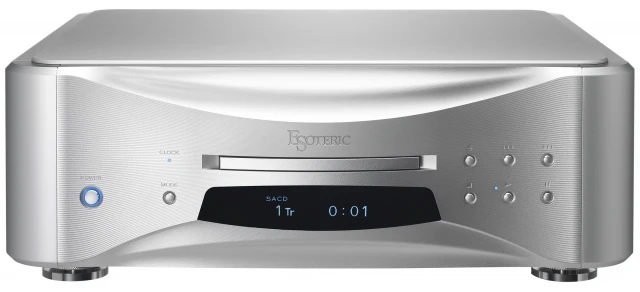
CD and SACD players read optical discs and either convert the data to analogue inside the box or, as transports, send the digital stream to an external DAC. Standard CD stores 16-bit, 44.1 kHz audio, while the SACD high-resolution layer holds DSD at 2.8224 MHz. This subcategory covers players, SACD players and transports, while streamers and standalone DACs sit in their own subcategories.




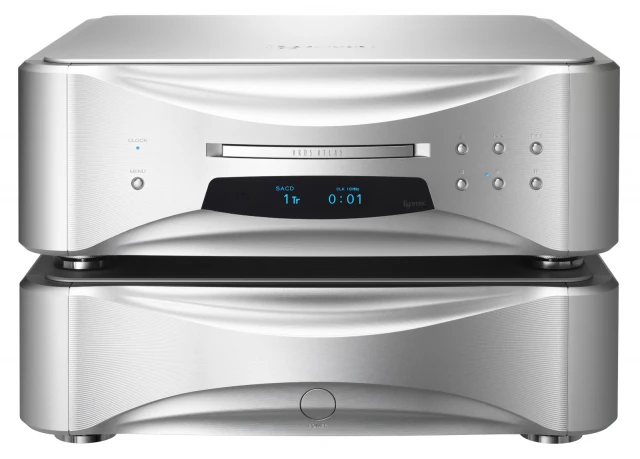


How to choose a CD or SACD player
Decide between a complete player and a transport. A player connects straight to an amplifier, while a transport needs a DAC but lets you upgrade the converter later. Next, check disc support - many units read CD only, while SACD players also decode the DSD layer of hybrid and SACD-only discs, and some read CD-R, MP3 files or DVD-Audio. Look at the drive, since some brands use their own mechanisms and others use sourced loaders, and long-term parts supply matters. Check the digital outputs on a transport, usually coaxial, optical, AES/EBU or I2S, and note that many players block the SACD layer from leaving the box in digital form. Finally, players with digital inputs can also act as a DAC for a streamer or computer.
Key specs that matter
Frequency response for CD extends to 20 kHz, while SACD can reach 50 kHz or more. Signal-to-noise ratio often lies between 100 and 120 dB, and THD figures below 0.005 percent are common. Analogue output level is usually about 2 V on RCA and around 4 V on balanced XLR outputs, which affects matching with preamps. Converter chip and output stage type, op-amp or discrete, show where makers spend effort.
Price ranges & what you get
The cheapest tier, below USD 1,000, covers CD-only players with a single converter chip, RCA outputs and basic digital outs. Between USD 1,000 and 5,000, players add SACD support, balanced outputs, digital inputs and sturdier drives. Above USD 5,000, expect separate transport and DAC chassis, clock inputs and machined chassis.
Related subcategories & reading
A transport needs a converter, so browse DACs for matching units. Streamers covers network playback for ripped or streamed music, and PC & Servers lists storage and ripping options. Our sources articles explain disc formats and digital connections.