

Cables - Hifiverse audio equipment catalog
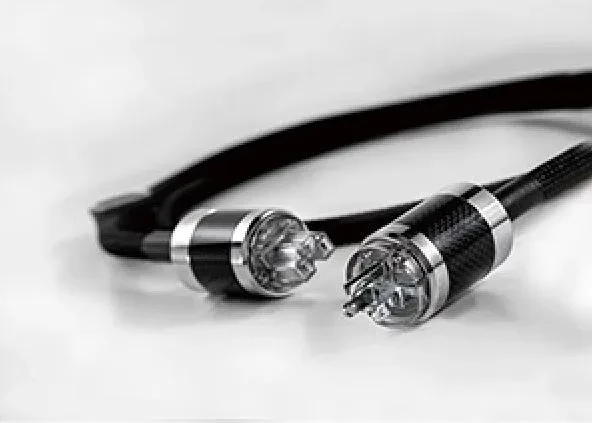
Cables connect the components of a system and carry either the amplified speaker signal, line-level analogue signals, digital data or mains power. Every cable adds resistance, capacitance and inductance to the path, and gauge, conductor and shielding decide how much. This subcategory covers speaker cables, interconnects, digital cables and power cords, while conditioners and distribution blocks sit under power furniture.
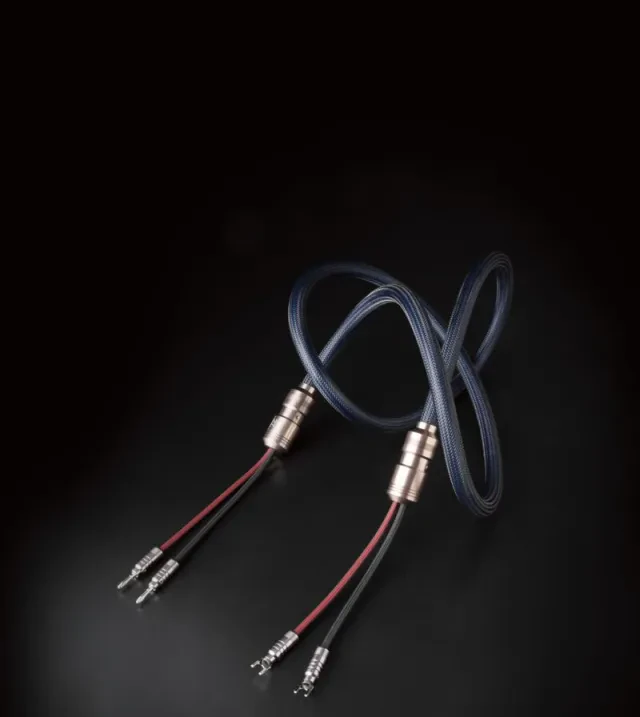
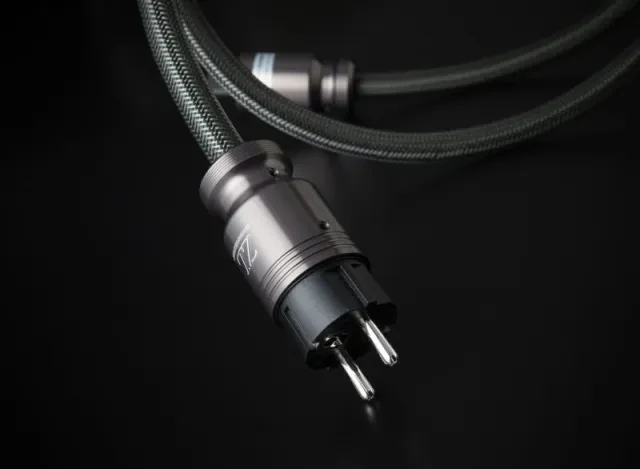
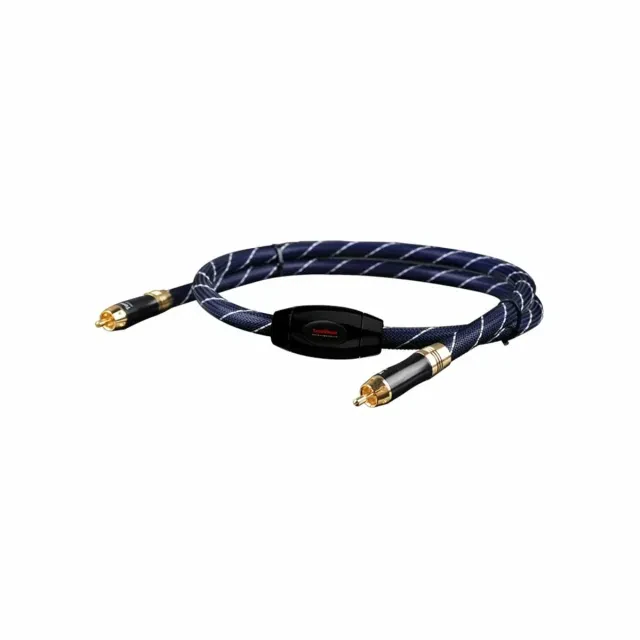


How to choose cables
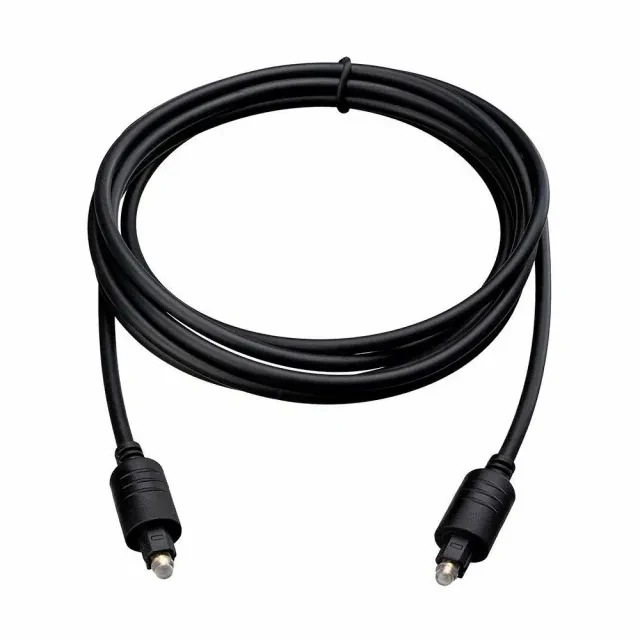
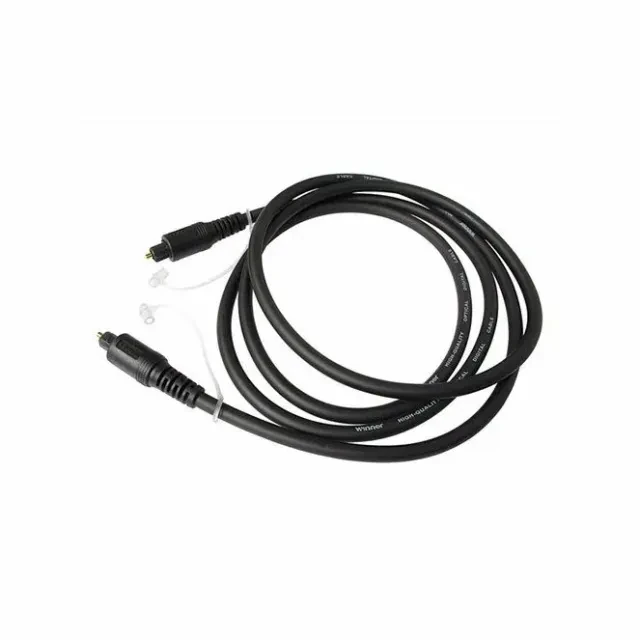
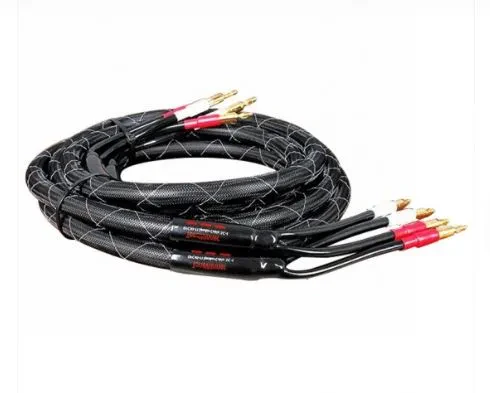
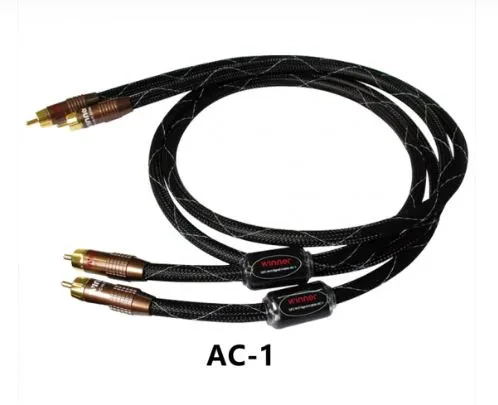
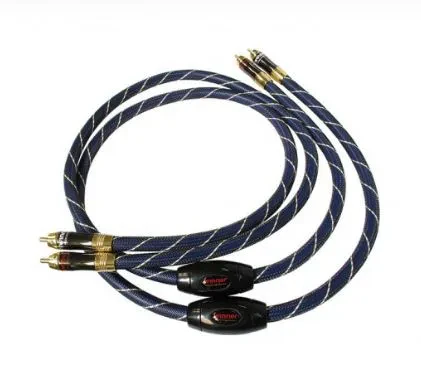
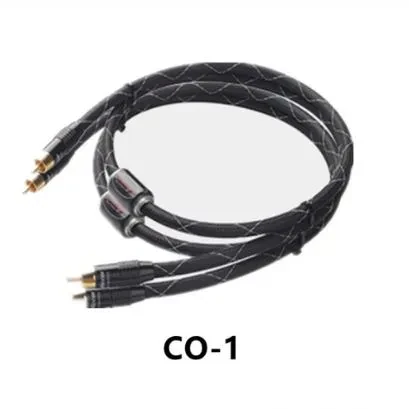
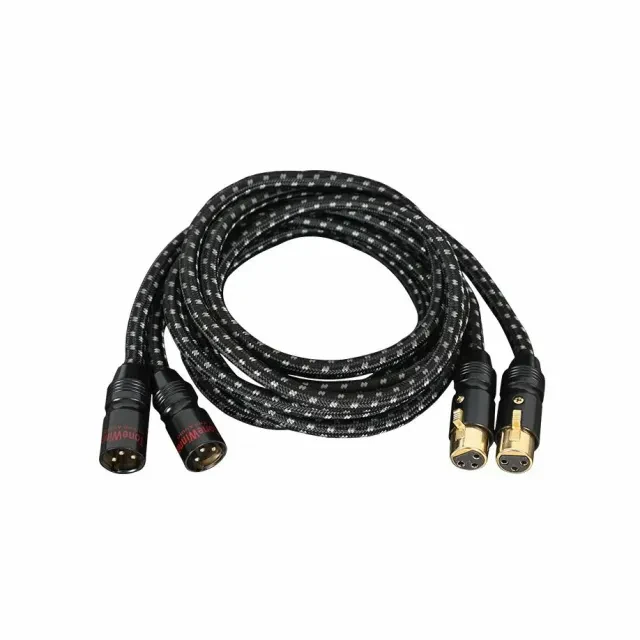
Cable type is the first decision. Speaker cable, RCA or XLR interconnects, coaxial or optical digital links and USB are not interchangeable, so match the type and the plugs on both ends. For speaker cables, size the gauge to the run. Keep loop resistance under about 5 percent of speaker impedance, which for a 3 m run to 8-ohm speakers means 16 AWG or thicker, and 12 to 14 AWG for longer runs or 4-ohm loads. For interconnects, shielding matters more, since line-level signals of around 2 V are easily disturbed by nearby mains wiring. Choose balanced XLR for runs beyond a few metres. For digital links, check the rated impedance, 75 ohms for S/PDIF coaxial and 110 ohms for AES/EBU. Finally, check termination, because a crimped or soldered plug with firm contact matters as much as the wire.
Key specs that matter
Gauge (AWG) sets resistance, and each step of 3 AWG roughly halves it. Conductor material ranges from standard copper and OFC to silver-plated copper and single-crystal OCC. Capacitance per metre, typically 50 to 150 pF for interconnects, matters with high-output-impedance sources. Shield type, braid or foil, sets interference rejection.
Price ranges & what you get
At the bottom of the range, below USD 100 per pair, cables use OFC conductors, moulded or basic plugs and adequate gauge for home runs. Between USD 100 and 1,000, copper purity rises, shielding improves and connectors become gold or rhodium-plated. Above USD 1,000, expect silver conductors, braided geometries and custom-machined plugs.
Related - power furniture & reading
Power furniture covers conditioners, isolation transformers and distribution units for the AC supply, and other devices lists racks, isolation and vinyl care. Our cables and accessories articles explain gauge and connector standards.