

Receivers - Hifiverse audio equipment catalog
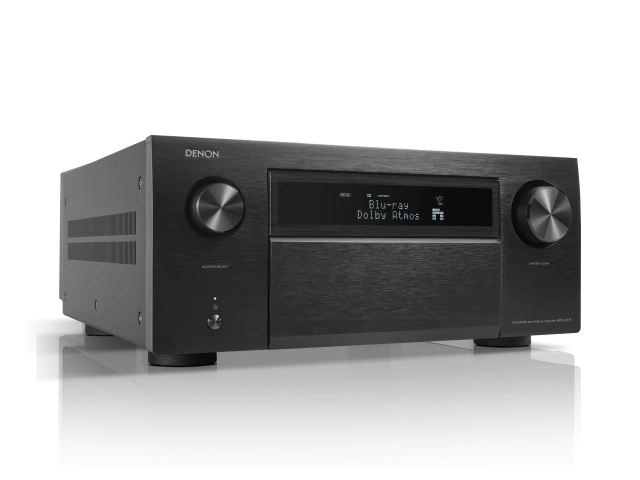
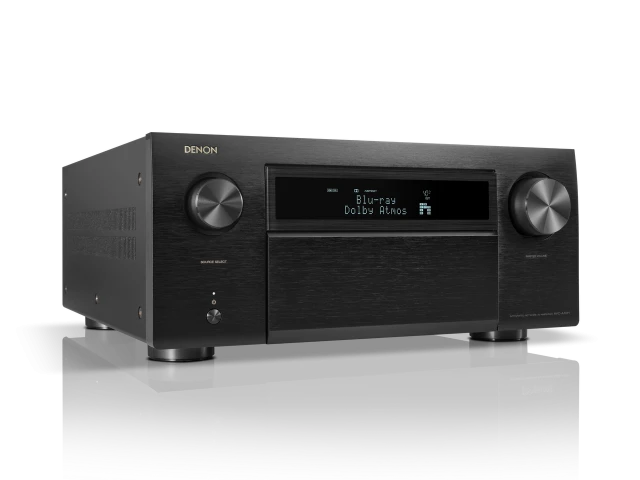
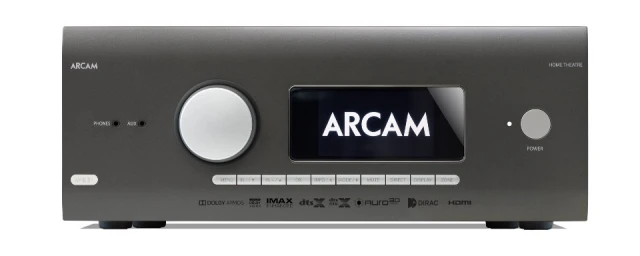
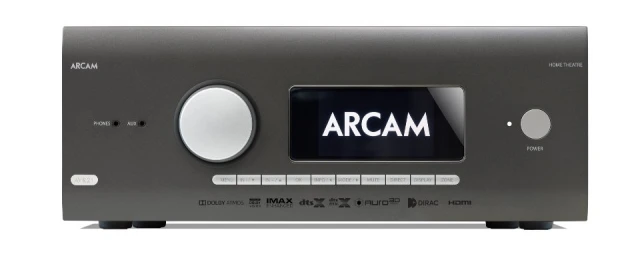
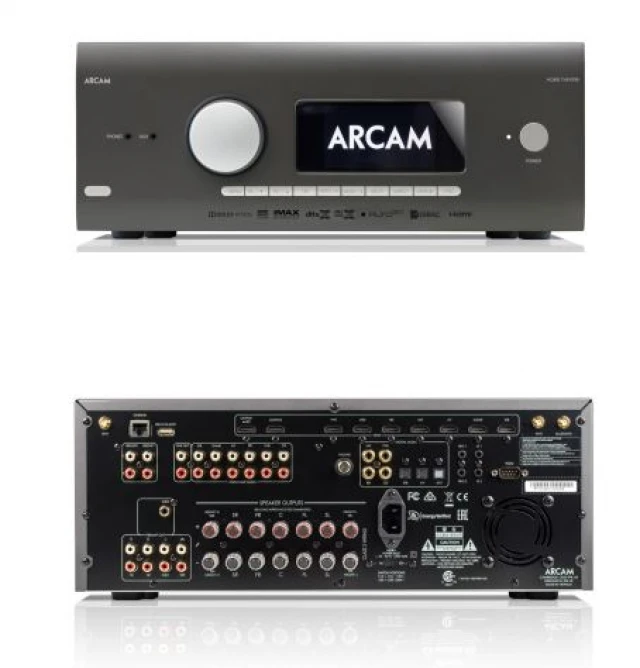
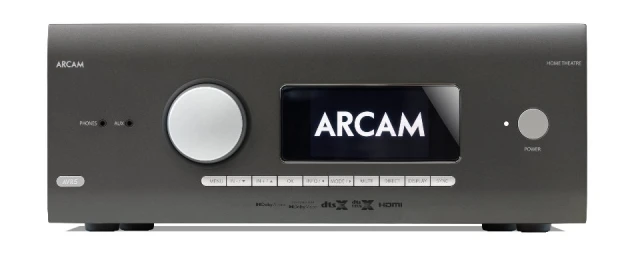
Receivers, often called AV receivers, combine multichannel amplification, surround decoding, HDMI video switching and usually a radio tuner in one chassis. They are built for home theatre and mixed use with a TV, while integrated amplifiers serve two-channel music systems. Models in this subcategory range from 5 to 11 or more amplified channels, with processing for up to 15 channels in larger units.


How to choose a receiver
Start with your speaker layout. A 5.1 setup needs five amplified channels and a subwoofer output, while a 7.1.4 Dolby Atmos layout needs eleven channels, either built in or with an external amplifier on preamp outputs. Then check HDMI. Inputs supporting 4K at 120 Hz and 8K at 60 Hz, HDCP 2.3 and eARC matter for consoles, UHD players and modern TVs. Read power figures carefully, as many are measured with two channels driven, so output with all channels running is lower. Look at streaming and multiroom support if the receiver will also handle music. Finally, check speaker impedance ratings, since some models need a switch or derate output for 4-ohm speakers.
Key specs that matter
Channel count, written as 7.2 or 9.2.4, shows main, subwoofer and height channels. Power per channel, typically 50 to 150 W into 8 ohms, means little without the number of channels driven. HDMI count and bandwidth, up to 40 or 48 Gbps, define video compatibility. Supported formats such as Dolby Atmos, DTS object-based audio and Auro-3D decide which soundtracks decode natively.
Price ranges & what you get
Under USD 700, receivers offer 5 to 7 channels, Dolby Atmos and DTS object-based decoding and a few 4K inputs. From USD 700 to 2,500, expect 9 to 11 channels, more HDMI ports, preamp outputs and second zones. Above USD 2,500, flagships add more amplified channels, heavier power supplies and full processing for large height-channel layouts.
Related - integrated amplifiers & reading
Integrated amplifiers cover music-only two-channel systems. Center channel speakers, rear channel speakers and subwoofers complete a surround setup. Our amplifier articles explain channel layouts and HDMI standards.