All


Audiovector
Website:https://audiovector.com/
Est. year: 1979
Audiovector is a family-owned Danish loudspeaker maker founded in Copenhagen in 1979 by Ole Klifoth, who set out to build the speaker he could not find in shops. Its first product, the Trapez, established design principles the company still follows, chiefly linear phase and low driver compression. More than four decades on, the firm builds passive and active loudspeakers for home listening and sells them through importers across Europe, Asia and North America.
Range & what it's known for
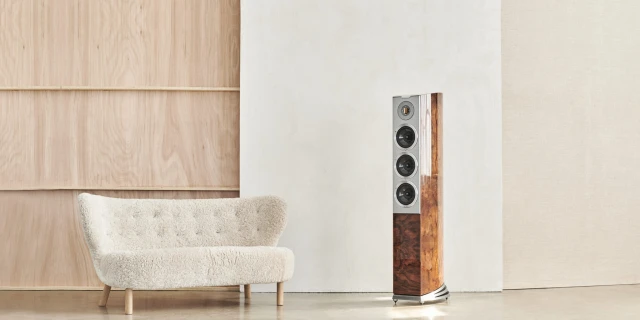
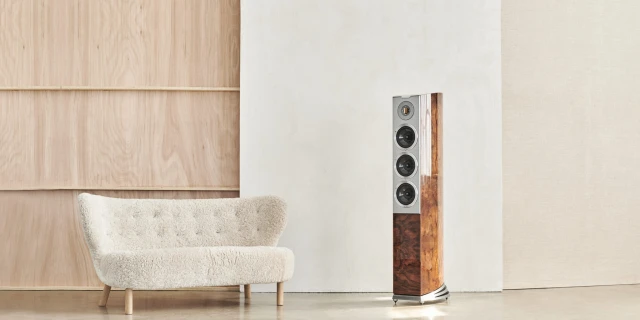
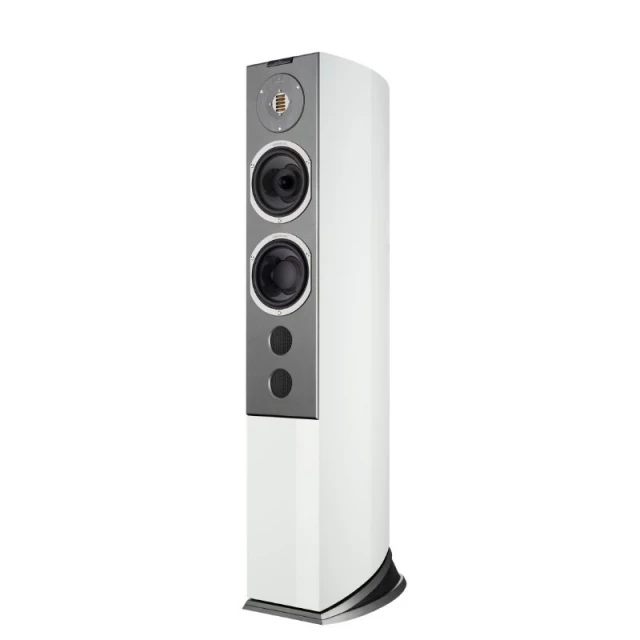
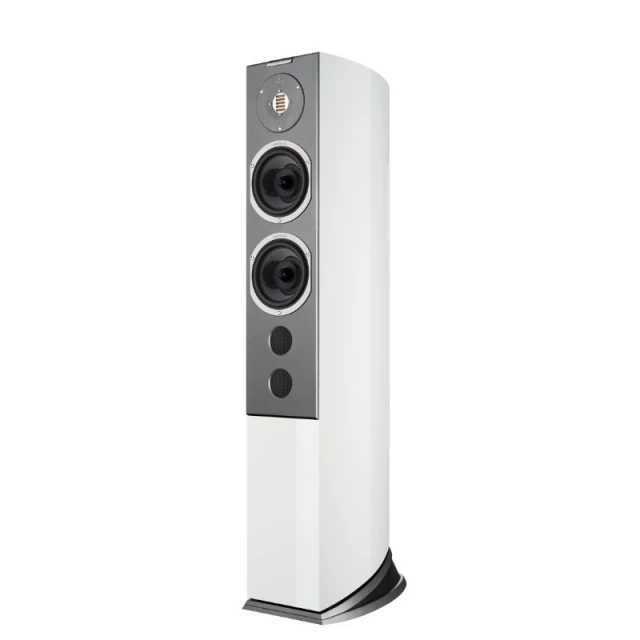
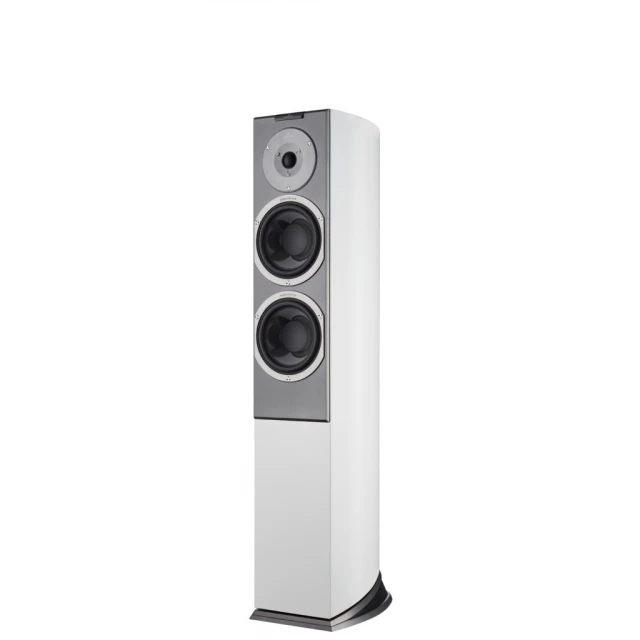
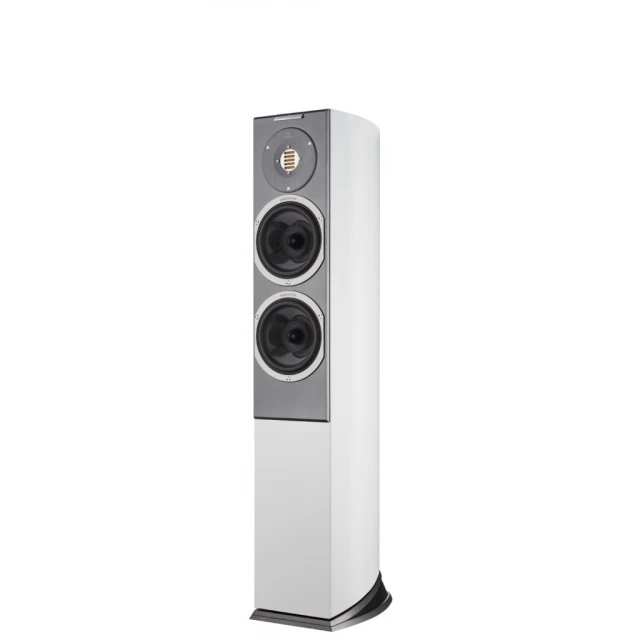
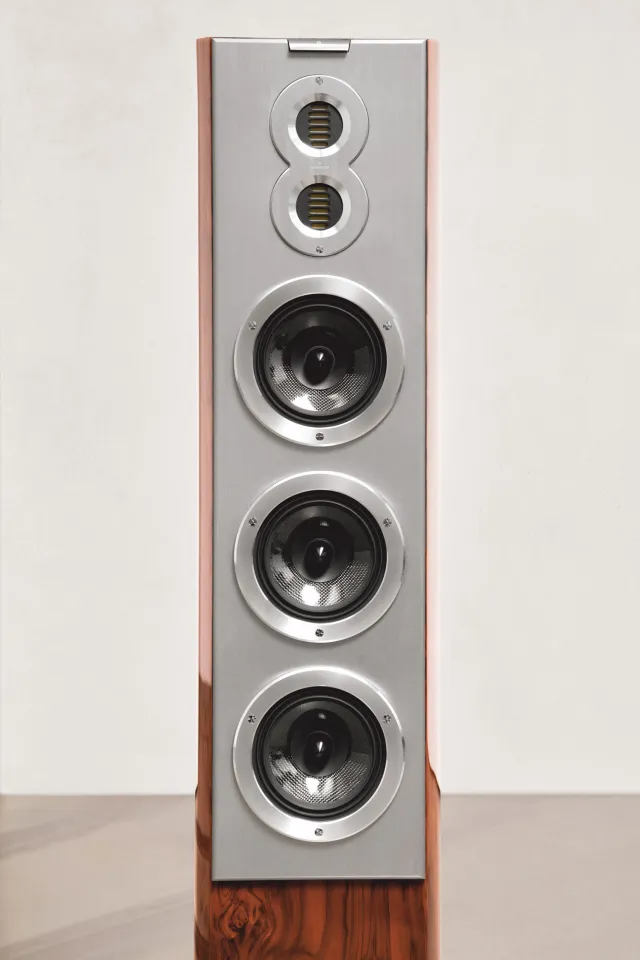
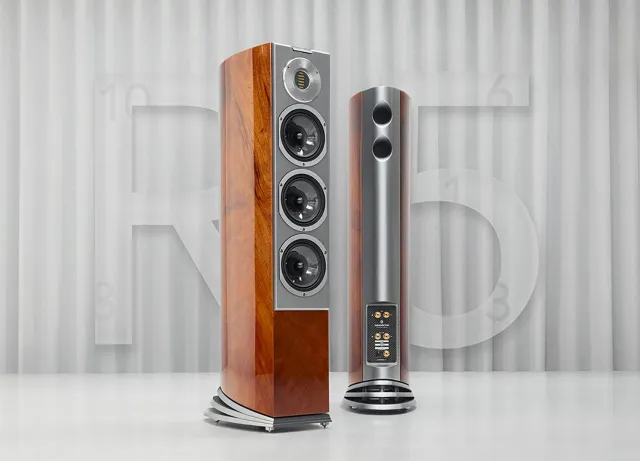
The core of the catalogue is the R series, running from the compact R 1 stand-mount up to the R 8 and R 11 floorstanders, with the QR series below it as the more affordable family of bookshelf and floor models plus a matching subwoofer. Many R models are offered in rising trim levels - Signature, Avantgarde and Arreté - so one cabinet shape can be specified with progressively better drivers, crossover parts and finishes. Recurring technical signatures are the folded-ribbon Air Motion Transformer tweeter, carbon-reinforced cone drivers, a separate grounding scheme the company calls Freedom, and curved cabinets that avoid parallel inner walls. Several models are also built in active wireless versions.
Who owns it and where it's made
The company remains in the hands of the Klifoth family. Ole Klifoth still shapes the engineering side, while his son Mads has run the business commercially since 2015 and now acts as CEO. Drivers and parts are sourced worldwide, and every speaker is assembled, finished and tested at the Audiovector factory and head office north of Copenhagen, where development work is also carried out.
The lineup in this catalog
Loudspeakers (14), from the entry R-series stand-mounts at around EUR 2,000 to the R 8 Arreté floorstander at well over EUR 50,000.
Who it's for
Audiovector makes most sense in a household planning to stay with one Danish speaker family as the system grows. A QR or R 1 model makes a sensible first step in a smaller room, and the trim-level system lets an owner later move to an Avantgarde or Arreté version of a familiar cabinet instead of changing the whole design. Buyers with larger rooms of 30 m2 or more can look at the R 6 and R 8, while those who prefer fewer boxes can choose the active versions that need no separate amplifier.