
Все

Проигрыватели виниловых дисков — Pro-Ject The Beatles 1964 Recordplayer
Описание, изображения, технические характеристики и спецификации
Pro-Ject The Beatles 1964 Recordplayer
Источник изображения — © Pro-Ject
The Beatles 1964 Recordplayer is a Pro-Ject Audio Systems limited edition deck, made in a collaboration with Universal Music Group and restricted to 2,500 pieces worldwide. It is a special edition of the Debut Carbon Esprit SB, which Pro-Ject lists among the best-selling audiophile turntables in the world. The artwork reproduces tickets and brochures from the Beatles world tour that began in June 1964, applied by multi-layer printing with UV-light drying. It was released in May 2017, with a European price of EUR 650 including VAT and a Canadian price of CAD 899.
Key specs that matter
Speeds of 33 and 45 rpm are chosen with a push button, and 78 rpm by a manual change, for which a 78 stylus is needed. Wow and flutter is rated at 0.19% at 33 rpm and 0.17% at 45 rpm, with speed drift of 0.60% and 0.70%, and signal to noise reaches 68 dB. A stainless steel spindle carries the 300 mm acrylic platter. The 8.6 inch carbon tonearm has an effective length of 218.5 mm, an overhang of 18.5 mm, an effective mass of 6.0 g and a tracking force range of 10 to 30 mN. Maximum power draw is 7.4 W, with standby under 0.5 W. Closed, the deck measures 415 x 118 x 320 mm (WxHxD), and it weighs 4.9 kg net.
Engineering and use context
A synchronous motor drives the platter via a silicone belt and a precision aluminium pulley. An integrated DC-powered motor control, part of a redesigned motor section, is there to reduce motor vibration and hold speed steady, while a built-in speed box places its switch on the upper side of the plinth. The chassis is MDF, chosen for low resonance sensitivity, and the acrylic platter is described by Pro-Ject as non-resonant. The carbon fibre arm tube runs in low-friction bearings, and the platter bearing is built to low tolerances. An Ortofon 2M Red cartridge, chosen by Pro-Ject for accurate tracking, comes pre-mounted, and special decoupling feet carry the whole unit. A 15 V DC 1.6 A power supply accepts 110/120 or 230/240 V at 50 or 60 Hz.
Pairing
Pro-Ject supplies a semi-balanced Connect it E interconnect with gold-plated connectors, together with a dust cover. With no phono preamplifier inside the plinth, the lead goes to the MM phono input of an amplifier or to a separate phono stage.
Alternatives
The Pro-Ject The Beatles Yellow Submarine is another turntable from the same Beatles collaboration, built around a glass platter and an Ortofon Concorde Sonar cartridge.
Key specs that matter
Speeds of 33 and 45 rpm are chosen with a push button, and 78 rpm by a manual change, for which a 78 stylus is needed. Wow and flutter is rated at 0.19% at 33 rpm and 0.17% at 45 rpm, with speed drift of 0.60% and 0.70%, and signal to noise reaches 68 dB. A stainless steel spindle carries the 300 mm acrylic platter. The 8.6 inch carbon tonearm has an effective length of 218.5 mm, an overhang of 18.5 mm, an effective mass of 6.0 g and a tracking force range of 10 to 30 mN. Maximum power draw is 7.4 W, with standby under 0.5 W. Closed, the deck measures 415 x 118 x 320 mm (WxHxD), and it weighs 4.9 kg net.
Engineering and use context
A synchronous motor drives the platter via a silicone belt and a precision aluminium pulley. An integrated DC-powered motor control, part of a redesigned motor section, is there to reduce motor vibration and hold speed steady, while a built-in speed box places its switch on the upper side of the plinth. The chassis is MDF, chosen for low resonance sensitivity, and the acrylic platter is described by Pro-Ject as non-resonant. The carbon fibre arm tube runs in low-friction bearings, and the platter bearing is built to low tolerances. An Ortofon 2M Red cartridge, chosen by Pro-Ject for accurate tracking, comes pre-mounted, and special decoupling feet carry the whole unit. A 15 V DC 1.6 A power supply accepts 110/120 or 230/240 V at 50 or 60 Hz.
Pairing
Pro-Ject supplies a semi-balanced Connect it E interconnect with gold-plated connectors, together with a dust cover. With no phono preamplifier inside the plinth, the lead goes to the MM phono input of an amplifier or to a separate phono stage.
Alternatives
The Pro-Ject The Beatles Yellow Submarine is another turntable from the same Beatles collaboration, built around a glass platter and an Ortofon Concorde Sonar cartridge.
Характеристики
Название модели
The Beatles 1964 Recordplayer
Скорость вращения
33/45/78
Привод
Belt
Подвеска
N/A
Тонарм в комплекте
Да
Модель тонарма
N/A
Головка звукоснимателя в комплекте
Да
Модель головки звукоснимателя
Magnetic cartridge 2M red
Диск
300mm acrylic platter
Двигатель
DC
Детонация (%)
N/A
Отношение сигнал/шум (dB)
68
Рокот (-dB)
N/A
Габариты (mm)
415 x 118 x 320
Вес (kg)
4.9
Официальная ссылка
Другие компоненты
Проигрыватели виниловых дисков
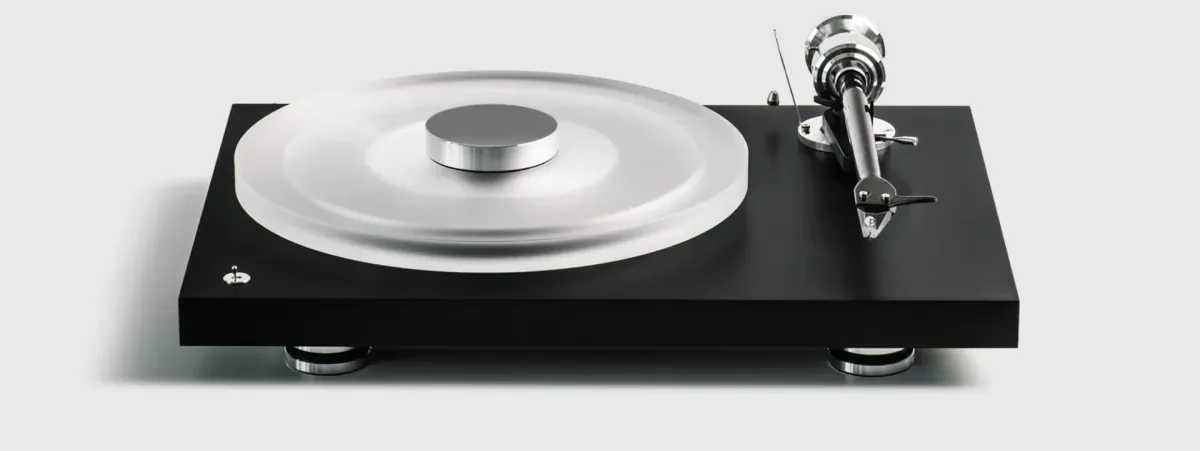
Pro-Ject Debut Reference 10
Проигрыватели виниловых дисков
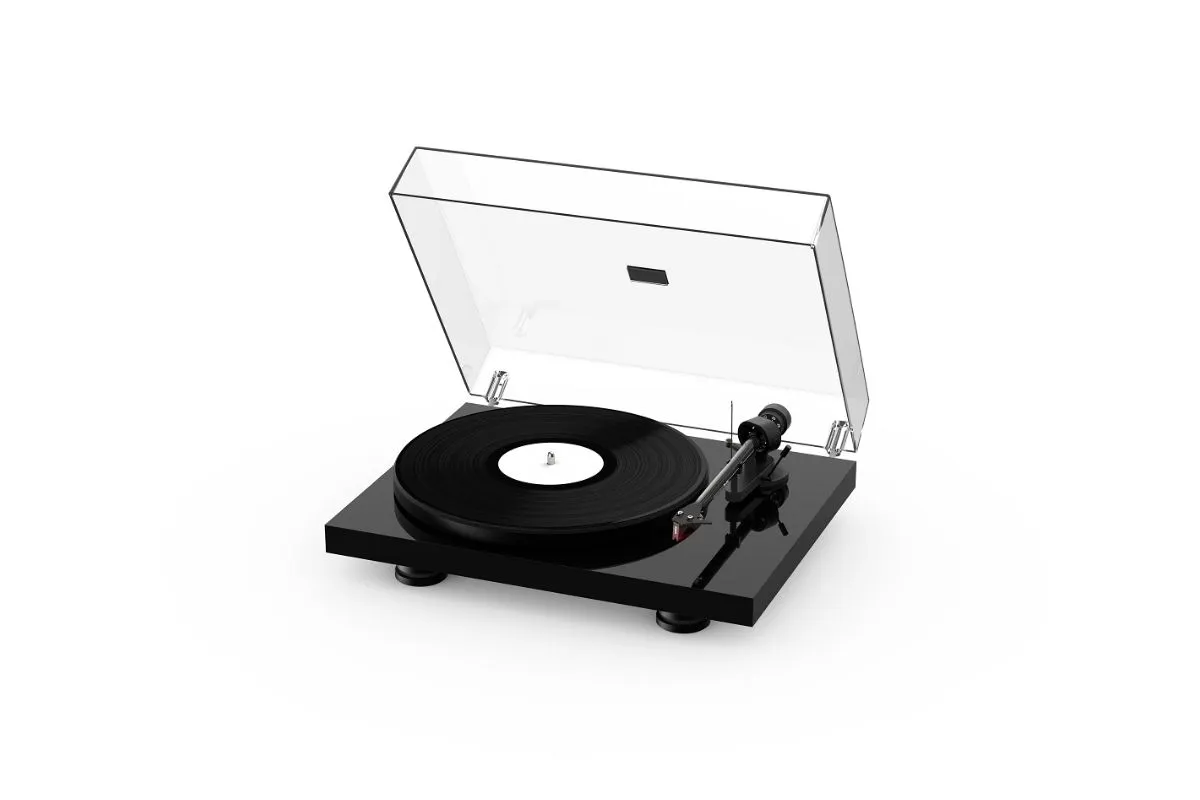
Pro-Ject Debut Carbon EVO
Проигрыватели виниловых дисков
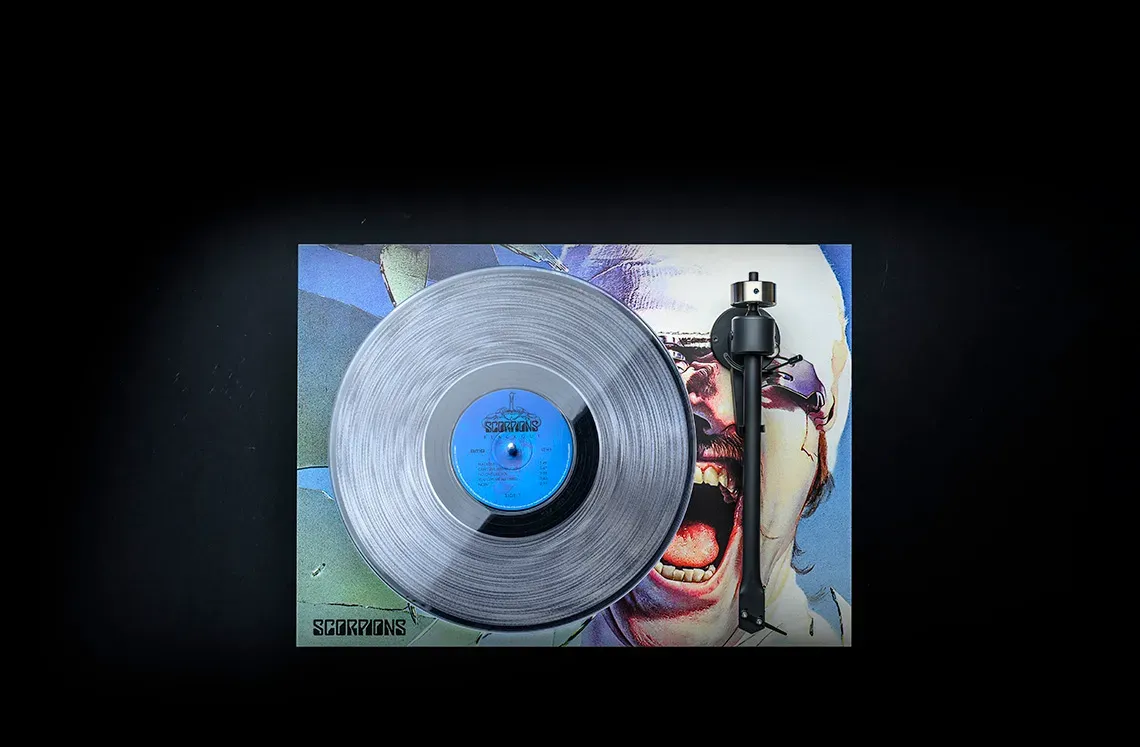
Pro-Ject Scorpions
Проигрыватели виниловых дисков
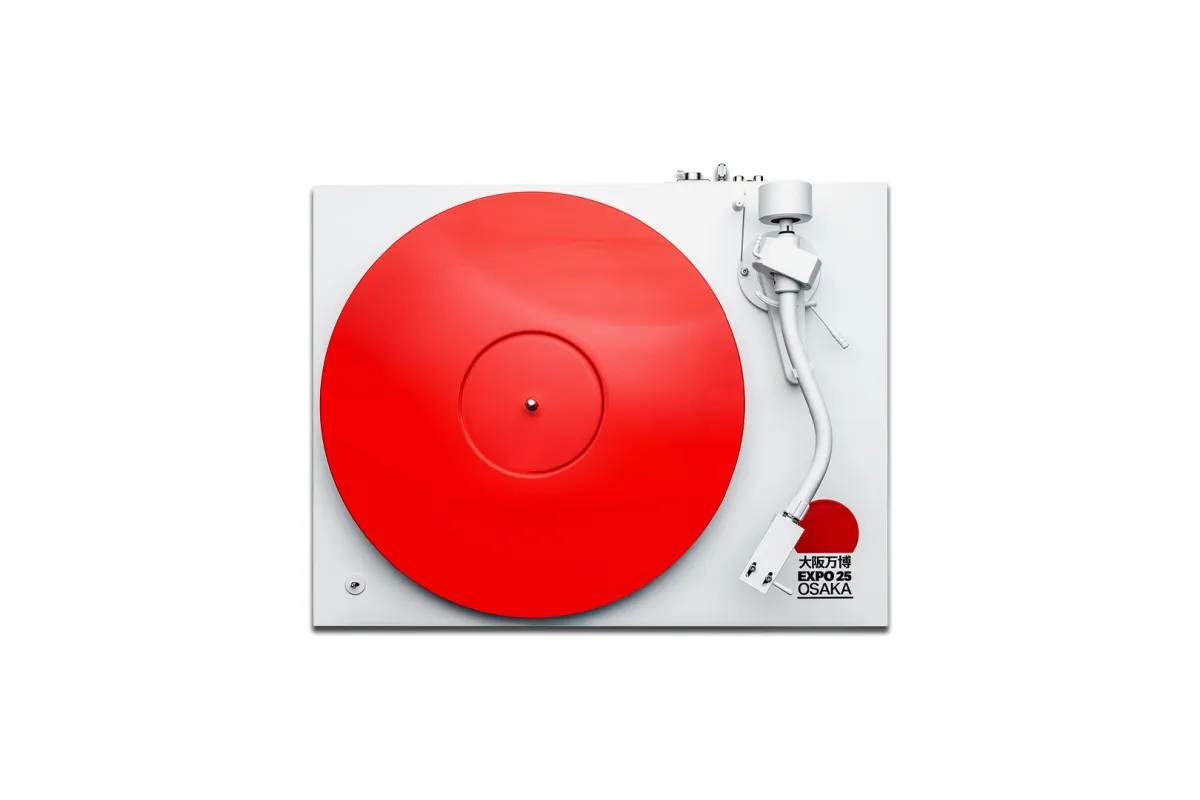
Pro-Ject Debut PRO S Balanced EXPO 2025 Edition

Проигрыватели виниловых дисков
Pro-Ject Audio EU