
Все

Сабвуферы — Emotiva Airmotiv XS12
Описание, изображения, технические характеристики и спецификации
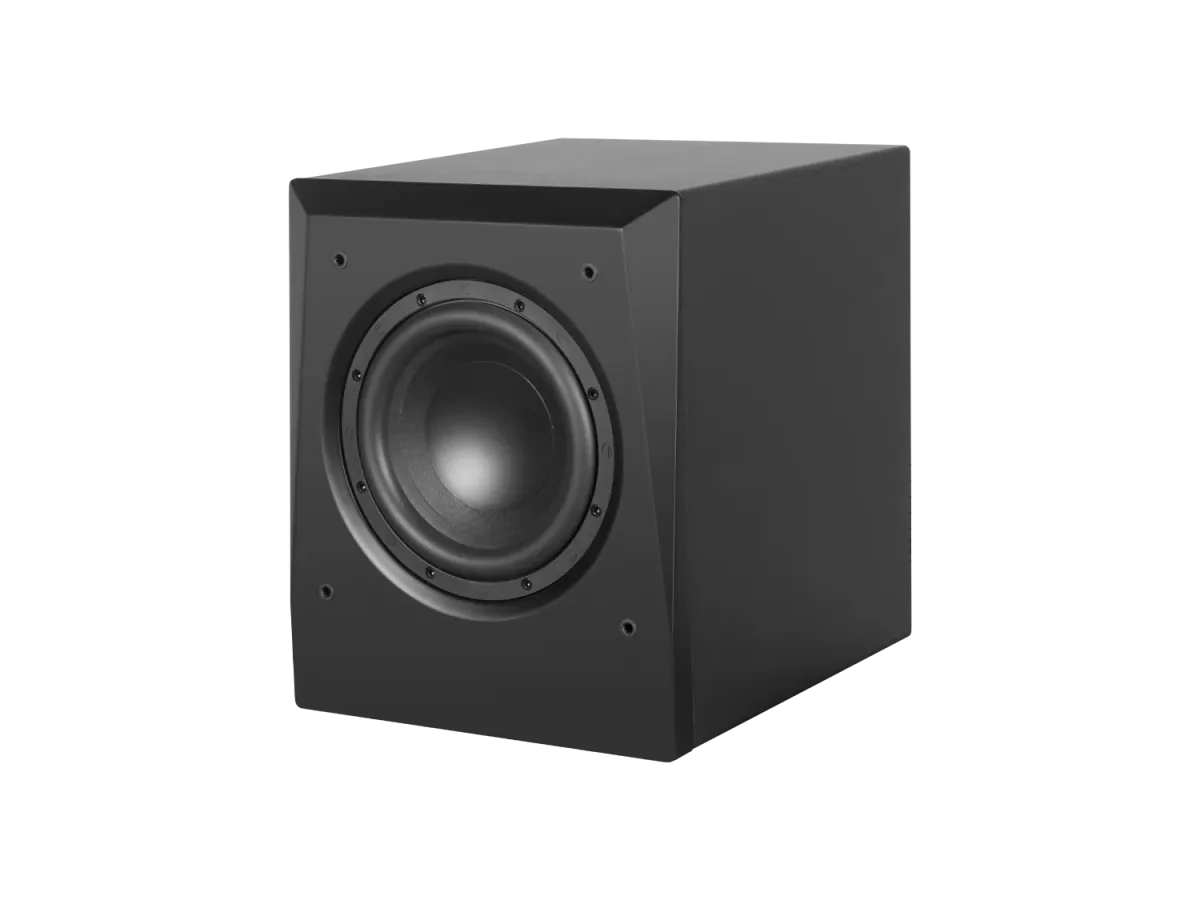
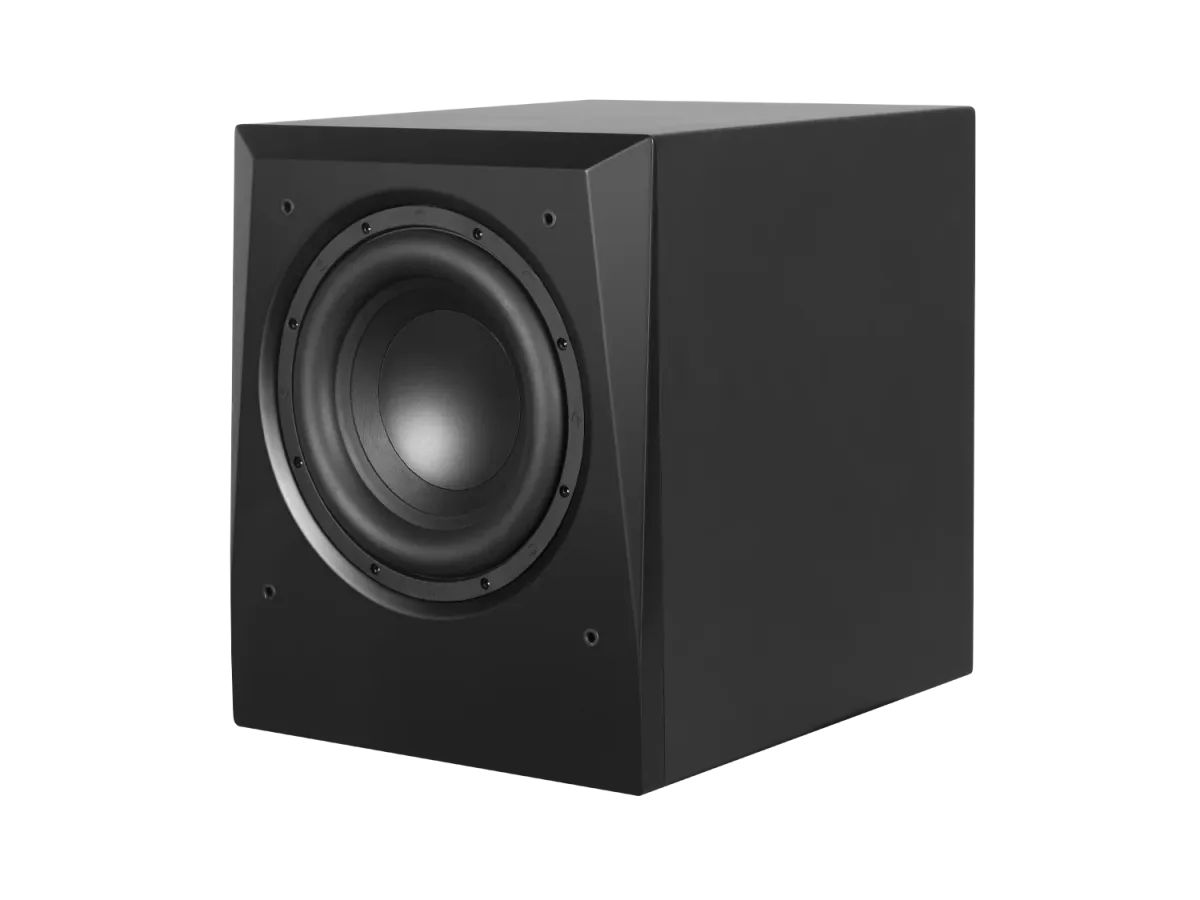
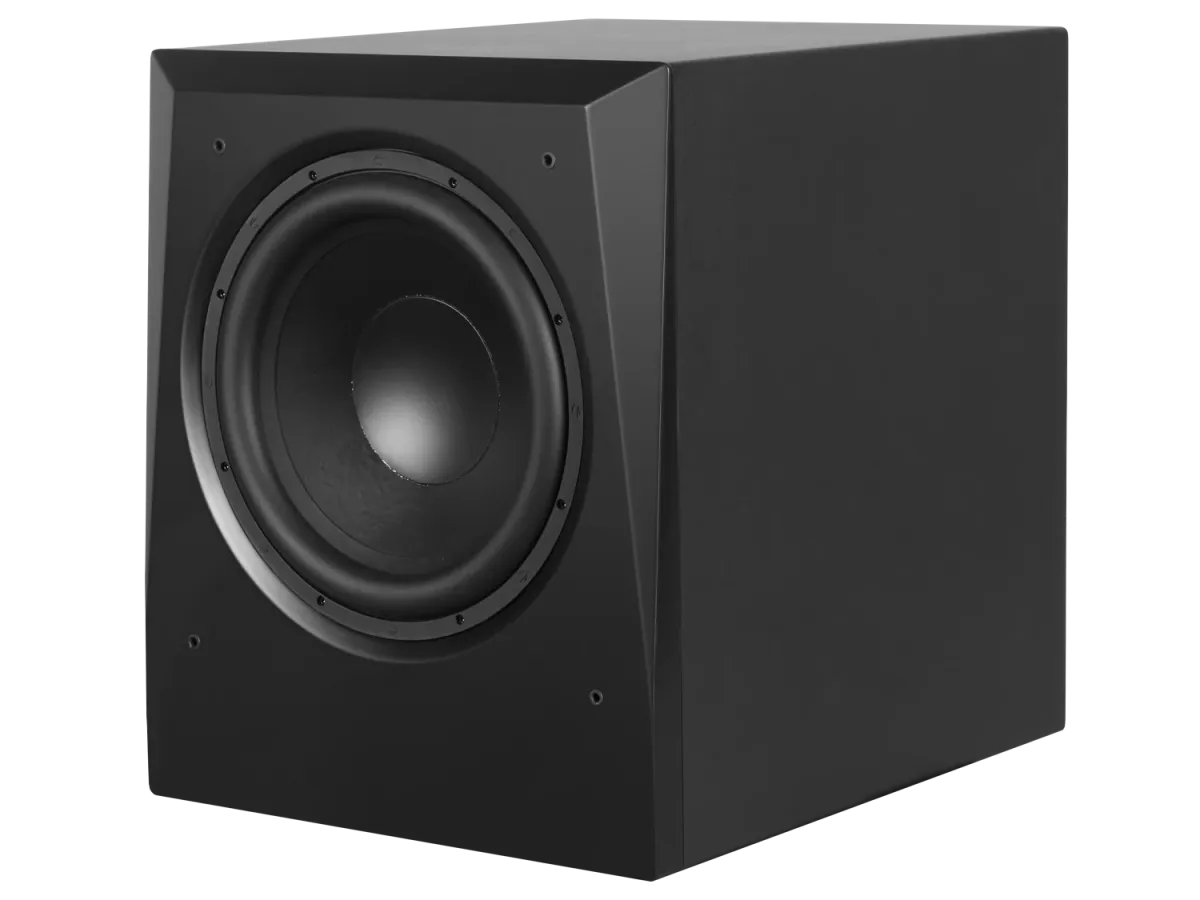
Emotiva Airmotiv XS12
Источник изображения — © Emotiva
The Airmotiv XS12 is a powered subwoofer from Emotiva, one of four models in the Airmotiv XS family alongside the XS15, XS10 and XS8. It pairs a 12-inch driver with an amplifier of the linear Class A/B type, which Emotiva describes as audiophile grade. Emotiva later replaced it with the XS12e, which keeps the 12-inch size but switches to a 300 W Class D module. Emotiva covered the XS12 with a full five-year warranty, and the manual pitches it at both film soundtracks and music.
Key specs that matter
Output power is 500 W RMS, and Emotiva quotes a response of 24 Hz to 200 Hz within 3 dB. The cabinet measures about 524 mm high, 432 mm wide and 495 mm deep, and it ships at about 41 kg. Inputs are one balanced XLR and two unbalanced RCA sockets marked Sum and LFE, which are combined internally. A rear slot port tunes the enclosure.
Engineering and use context
The long-throw driver is built on a cast aluminium frame with a 64 mm copper voice coil. Its cone is non-pressed paper reinforced with aramid fibres, held by an SBR rubber surround, and a vented pole piece moves air across the motor to cool the coil. The enclosure is HDF with heavy internal bracing, finished in textured vinyl on the sides and back and satin black lacquer on the front bezel, and a sculpted fabric grille can be removed. Permanently fitted rubber feet stop the box from sliding. A multi-stage limiter guards the driver and amplifier against overload without adding much distortion. The rear panel has four knobs. Volume sets level against the main speakers, and LF Boost shapes the bottom octave from roughly -3 dB to +9 dB at 30 Hz, with the centre detent giving a flat setting. The crossover is a 12 dB per octave low-pass with a variable corner up to 150 Hz, and a phase control helps align the subwoofer with the mains where their ranges overlap. A power switch offers On and Auto modes, and a status lamp shows green when running and red in standby.
Pairing
With an AV receiver or surround processor that manages bass itself, Emotiva advises turning the crossover to its maximum so the processor alone decides the split. In a stereo system without bass management, 80 Hz is the suggested starting point. The balanced input is preferred for long cable runs or routes near mains wiring, since it rejects noise picked up along the way.
Alternatives
The Emotiva Airmotiv XS10 is the smaller member of the same family, with a 10-inch driver, 350 W RMS of Class A/B power and a rated low end of 26 Hz.
Key specs that matter
Output power is 500 W RMS, and Emotiva quotes a response of 24 Hz to 200 Hz within 3 dB. The cabinet measures about 524 mm high, 432 mm wide and 495 mm deep, and it ships at about 41 kg. Inputs are one balanced XLR and two unbalanced RCA sockets marked Sum and LFE, which are combined internally. A rear slot port tunes the enclosure.
Engineering and use context
The long-throw driver is built on a cast aluminium frame with a 64 mm copper voice coil. Its cone is non-pressed paper reinforced with aramid fibres, held by an SBR rubber surround, and a vented pole piece moves air across the motor to cool the coil. The enclosure is HDF with heavy internal bracing, finished in textured vinyl on the sides and back and satin black lacquer on the front bezel, and a sculpted fabric grille can be removed. Permanently fitted rubber feet stop the box from sliding. A multi-stage limiter guards the driver and amplifier against overload without adding much distortion. The rear panel has four knobs. Volume sets level against the main speakers, and LF Boost shapes the bottom octave from roughly -3 dB to +9 dB at 30 Hz, with the centre detent giving a flat setting. The crossover is a 12 dB per octave low-pass with a variable corner up to 150 Hz, and a phase control helps align the subwoofer with the mains where their ranges overlap. A power switch offers On and Auto modes, and a status lamp shows green when running and red in standby.
Pairing
With an AV receiver or surround processor that manages bass itself, Emotiva advises turning the crossover to its maximum so the processor alone decides the split. In a stereo system without bass management, 80 Hz is the suggested starting point. The balanced input is preferred for long cable runs or routes near mains wiring, since it rejects noise picked up along the way.
Alternatives
The Emotiva Airmotiv XS10 is the smaller member of the same family, with a 10-inch driver, 350 W RMS of Class A/B power and a rated low end of 26 Hz.
Характеристики
Название модели
Airmotiv XS12
Нижняя граница частотного диапазона +/- 3дБ (Hz)
24
Верхняя граница частотного диапазона +/- 3дБ (Hz)
200
Чувствительность (dB at 1 W/1m)
N/A
Импеданс (Ohms)
N/A
Наличие встроенного усилителя
Да
Усилитель мощности (W)
500
Размер (sm)
52,4 x 43,2 x 49,5
Вес (kg)
N/A
Официальная ссылка
Другие компоненты
Сабвуферы
Emotiva Airmotiv XS8
Сабвуферы
Emotiva Airmotiv XS10
Сабвуферы
Emotiva Airmotiv XS15