

Bookshelf Speakers - Hifiverse audio equipment catalog
Bookshelf speakers are compact passive or active boxes meant for a stand, desk or shelf rather than the floor. Most are two-way designs with a woofer of 4 to 7 inches and a dome tweeter, which keeps cabinet height to roughly 25 to 40 cm. This subcategory suits small and medium rooms, while floorstanding loudspeakers and subwoofers cover larger spaces and deeper bass.


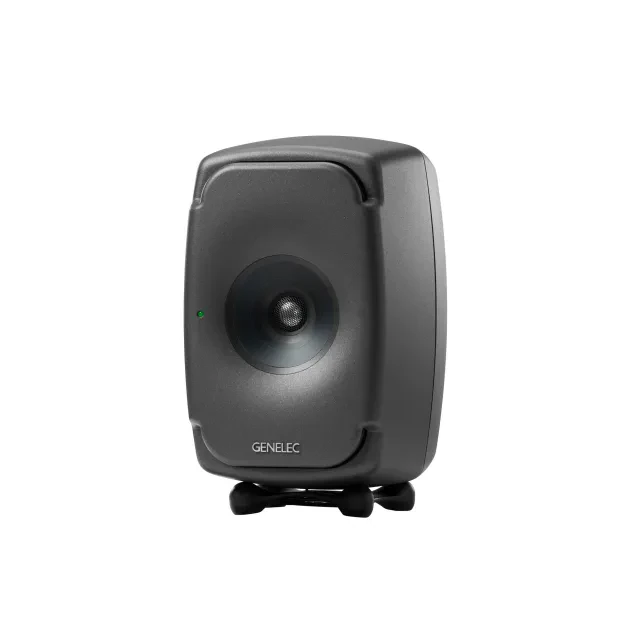
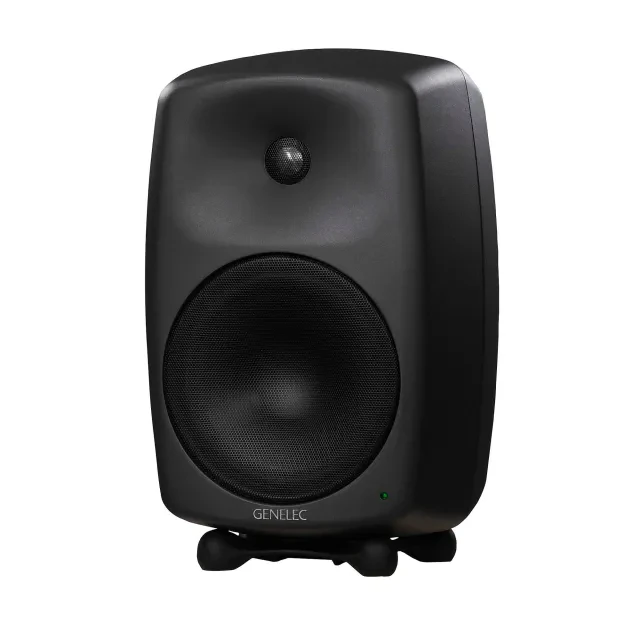
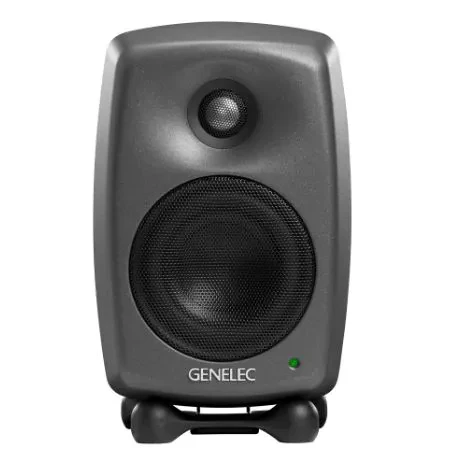
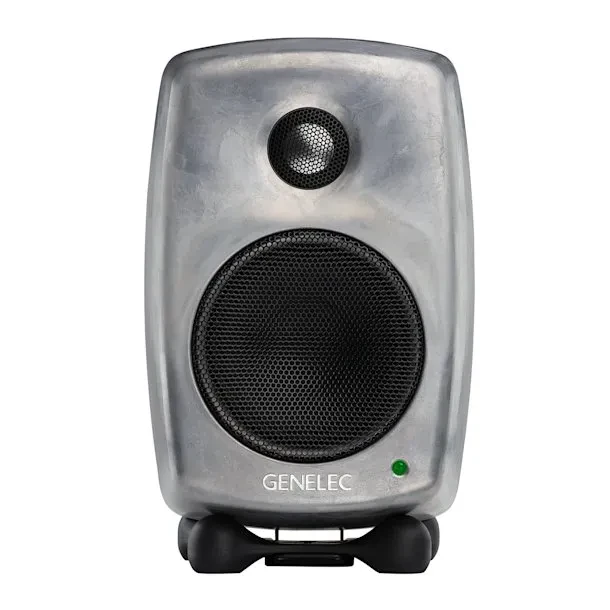
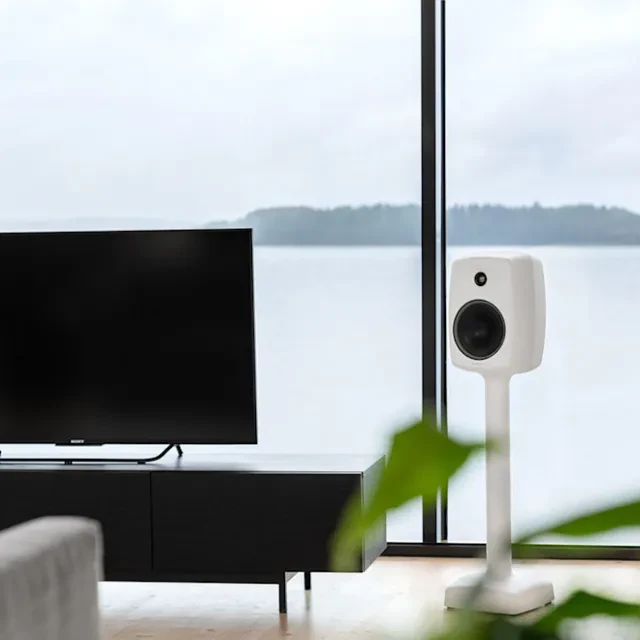
How to choose bookshelf speakers
Start with where the speakers will sit. A rear port needs around 20 to 50 cm of free space behind the cabinet, so a speaker going into a shelf or close to a wall should be sealed or front-ported. Next, plan for stands. A rigid stand of about 60 cm lifts the tweeter close to seated ear height and keeps the cabinet off resonant furniture. Then check the amplifier side. Passive models need a separate amplifier, while active and powered pairs carry their own amplification and often add digital inputs or streaming. Finally, size the woofer to the room, with 4 to 5 inch drivers for desks and rooms under 15 m2 and 6 to 7 inch drivers for rooms up to about 30 m2.
Key specs that matter
Sensitivity typically falls between 82 and 90 dB, and a low figure means the pair needs more amplifier power for the same level. Nominal impedance is usually 4 to 8 ohms, and 4-ohm loads ask more current from the amplifier. Low-frequency extension at -6 dB sits around 40 to 60 Hz, which shows whether a subwoofer will be needed. Recommended amplifier power is often quoted as a range such as 25 to 150 W.
Price ranges & what you get
The cheapest pairs, below USD 500, use two-way vinyl-wrapped cabinets with paper or polypropylene cones. Between USD 500 and 3,000, expect internal bracing, better crossover parts, real wood veneers and metal or fabric dome tweeters. Above USD 3,000, pairs move to beryllium or diamond tweeters, ribbon units, heavily damped cabinets and matched stands.
Related subcategories & reading
For deeper bass from the main pair, see floorstanding loudspeakers, or add a unit from subwoofers. For home theatre, pair them with center channel speakers and rear channel speakers. Our loudspeakers articles cover stands and placement distances.