All


Metaxas & Sins
Website:https://www.metaxas.com/
Est. year: 1981
Metaxas & Sins is a high-end audio maker founded in Melbourne, Australia in September 1981 by Kostas Metaxas, then trading as Metaxas Audio Systems. It is known for sculpted, hand-built electronics, tape recorders and electrostatic headphone amplifiers, and the name refers to the founder's sons, whom he jokingly calls his sins and who help him build every unit.
Range & what it's known for
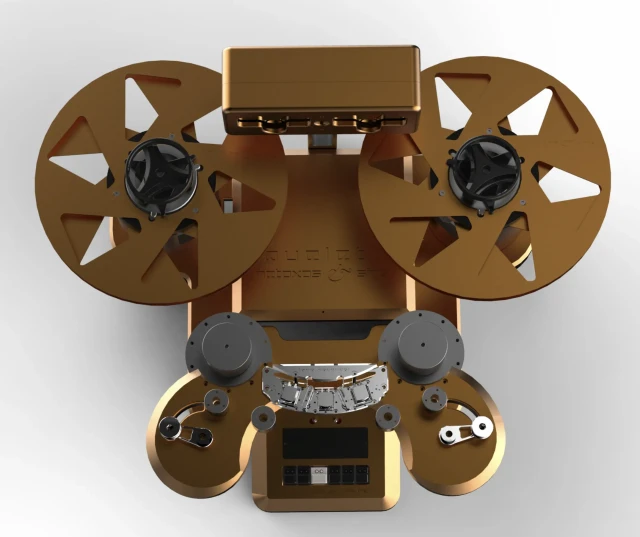
The company was formed to produce the CP-1 preamplifier in commercial quantities, and the PP-1 moving coil preamplifier followed early in 1982. Later products included the Solitaire power amplifier rated at 150 W per channel, the Iraklis amplifier, the Empress and Emperor electrostatic speakers, the Mini Monitors, the MAS DAC and the Phos CD transport. The current range features the Papillon tape recorder, the Ethereal electrostatic headphone system and the OPUS preamplifier. Casework is cut on 5-axis CNC machines, and the OPUS was shaped by draping solid aluminium around an imaginary mannequin, a method the firm calls moulage.
Who owns it and where it's made
The business is family-run, with Kostas Metaxas as founder and head designer. Of Greek descent, he grew up in Melbourne, completed his studies in Germany and built his own amplifiers and electrostatic speakers before going commercial. In its Melbourne years the company used a local casework supplier and SES for transformers, gave each unit a numbered front panel and individual test, and made around 1,200 units a year for 22 countries. By the 1990s it employed seven permanent staff plus university students.
The lineup in this catalog
Amplifiers and DACs. A single Metaxas component here costs at least about USD 5,000, and the most elaborate exceed USD 30,000.
Who it's for
Collectors who treat a hand-made component as an object as much as a piece of equipment are the natural Metaxas & Sins audience. Owners of electrostatic headphones can start with the Ethereal, analogue enthusiasts can add the Papillon tape recorder, and the OPUS preamplifier is the centrepiece for a full system.