All


Lowther
Website:https://www.lowtherloudspeakers.com/
Est. year: 1934
Lowther is a British maker of full-range drive units and horn-loaded loudspeakers, founded in 1934 and built around the idea that one driver can cover the audible range without a crossover. The company grew out of a meeting between radio manufacturer O.P. Lowther and horn pioneer Paul Voigt, whose Domestic Corner Horn appeared the same year. Today it builds drivers, complete speakers, a valve amplifier and DIY kits, all to order in Britain.
Range & what it's known for
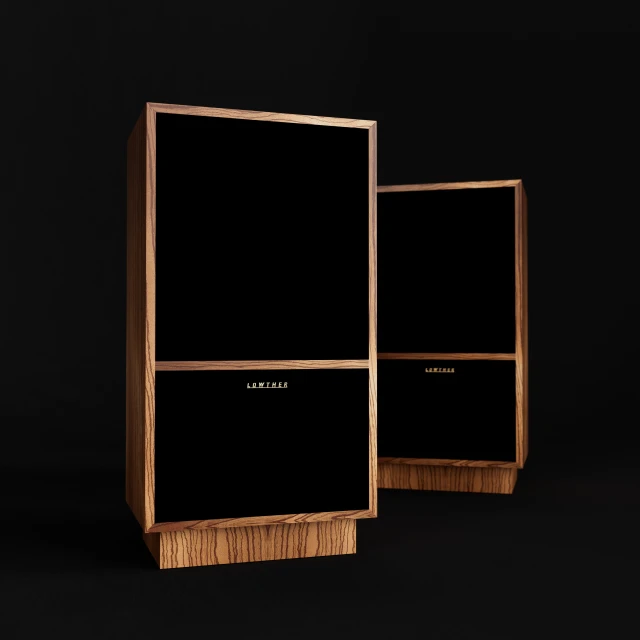
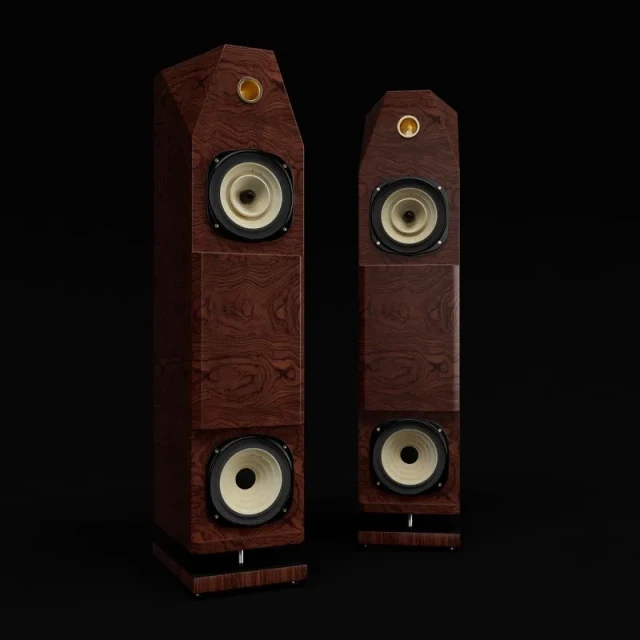
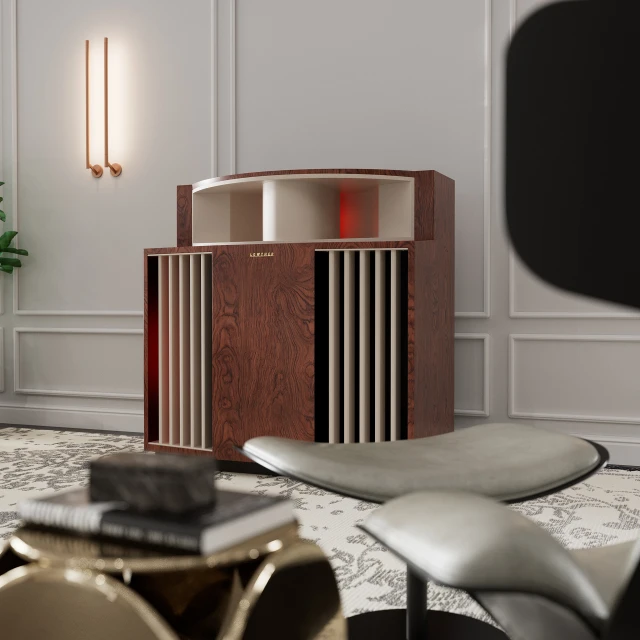
The core is the drive unit, offered in three collections named Concert, Sinfonia and Philharmonic, plus the newer Grand Opera units shown in the 2025 catalogue. Historic families include the ceramic-magnet C series and the neodymium EX and DX ranges developed in the 1970s. Complete systems are called Masterpieces - the folded-horn Acousta 117, the compact dual-driver Edilia and a reissued 4ft Voigt Horn. The house design still uses Voigt's twin-cone diaphragm with a whizzer cone, horn-loaded for high efficiency. Beyond speakers the firm sells the PX4 valve amplifier, phase plugs, cables and cabinet plans for home builders, and it says there is no standard model, since each pair is specified with the buyer.
Who owns it and where it's made
After the Second World War Voigt moved to Canada and sold his share to chief engineer Donald Chave, who ran Lowther for decades and later partnered with Roy Hopps on new magnet materials. In 2018 Martin Thornton took over and moved the company to Northamptonshire, where it trades as Lowther Loudspeaker Systems Ltd. Drivers and cabinets are hand built there, one at a time, in Great Britain.
The lineup in this catalog
Drive units and horn-loaded loudspeakers. Spending on Lowther here ranges from roughly GBP 2,000 to over GBP 15,000.
Who it's for
Lowther suits listeners committed to the single-driver, crossover-free approach and to horn cabinets large enough to load it, often paired with low-power valve amplifiers like the in-house PX4. A DIY builder can start with drive units and published plans, then move to a factory-built Edilia for smaller rooms or an Acousta 117 for a main system. Buyers who want a pair specified in a chosen veneer and driver combination also fit the brand well.