All


HANA
Website:https://www.hanacartridges.com/
Est. year: 1971
Hana is the moving-coil cartridge line of Excel Sound Corporation, a Japanese cartridge maker founded in 1970 by Masao Okada. Launched in 2015 and developed mainly for export, Hana marked the return of Excel Sound to selling under its own name after decades of building cartridges for other companies. The name means brilliant and gorgeous in Japanese, and the range runs from affordable everyday models to the hand-built Umami flagships.
Range & what it's known for
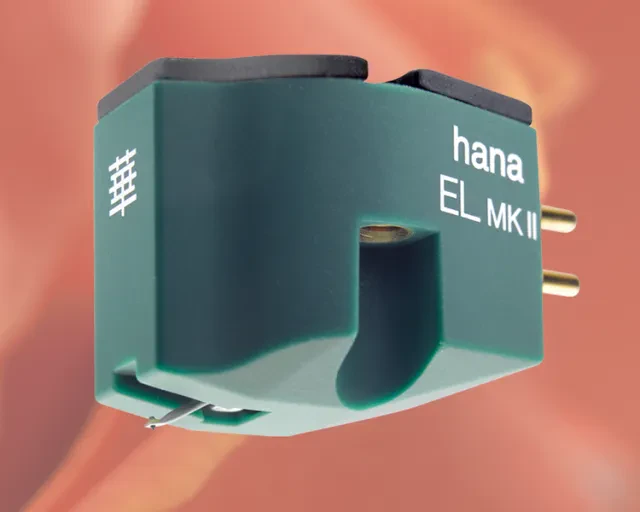
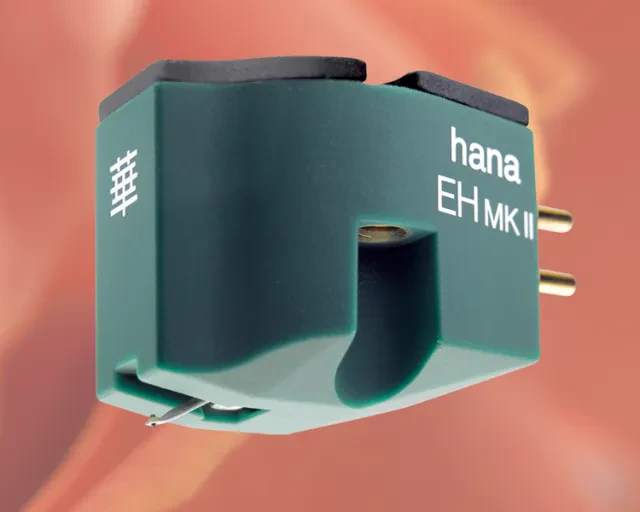
The lineup is organised in series. The E series (EL and EH, now in MKII form) is the entry level, offered in low-output and high-output versions. Above it sit the S series, including the SL MKII, and the M series with the ML. The Umami Red and Umami Black form the top tier, and the UR also appears in the current range. A newer coil winding with 8-ohm impedance, first developed for the ML and carried into the SL MKII, has since been added to the EL MKII, so engineering from the upper models filters down the range.
Who owns it and where it's made
Excel Sound began by selling cartridges under its own Excel brand and later became an OEM supplier to large manufacturers, including Japanese firms such as Pioneer, Trio, Sansui and Sanyo. Okada started cartridge research in 1964 and still designs every Hana model. The cartridges are handmade by Excel Sound staff at the company factory in Tokyo, where the firm combines its cartridge design experience with in-house parts manufacturing, and export is handled with the Youtek Corporation.
The lineup in this catalog
Phono cartridges. A new Hana lists at about USD 500 for the cheapest model and up to around USD 2,000 for the most expensive.
Who it's for
Hana makes sense for a record player owner after a Japanese handmade moving-coil cartridge who does not want to jump straight to very high prices. The EH high-output version works with a standard moving-magnet phono stage, which makes it an easy first moving-coil step. Owners with a low-output phono input can move up to the EL, then the SL or ML, and finally to the Umami models.