All


Definitive Technology
Website:https://www.definitivetechnology.com/
Est. year: 1990
Location: USA
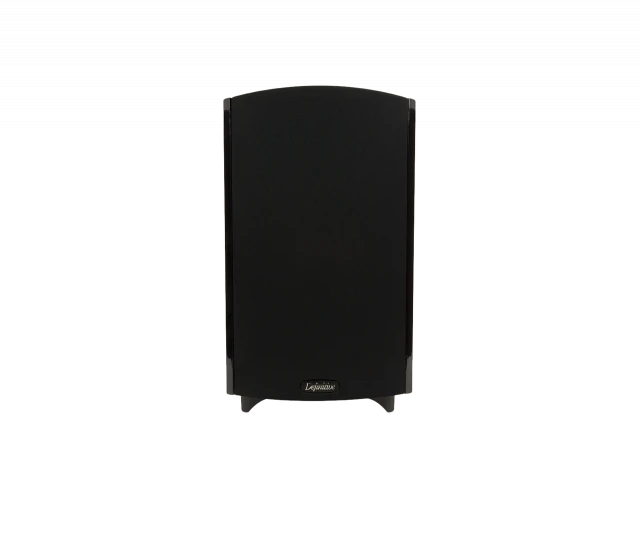
Definitive Technology is a US speaker brand started in 1990 in Owings Mills, Maryland, by Sandy Gross, Don Givogue and Ed Blaise. Its first products were monolithic bipolar towers, and towers with a built-in powered subwoofer remain the item most closely tied to the name. Today it builds home cinema speakers, subwoofers and soundbars and is run from Vista, California.
Range & what it's known for
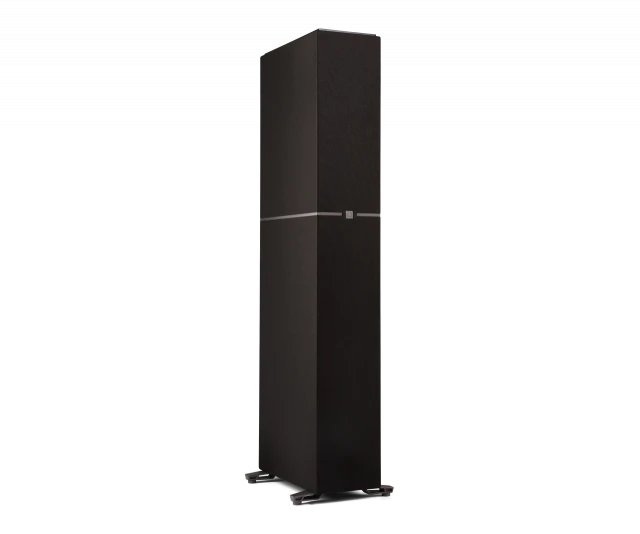
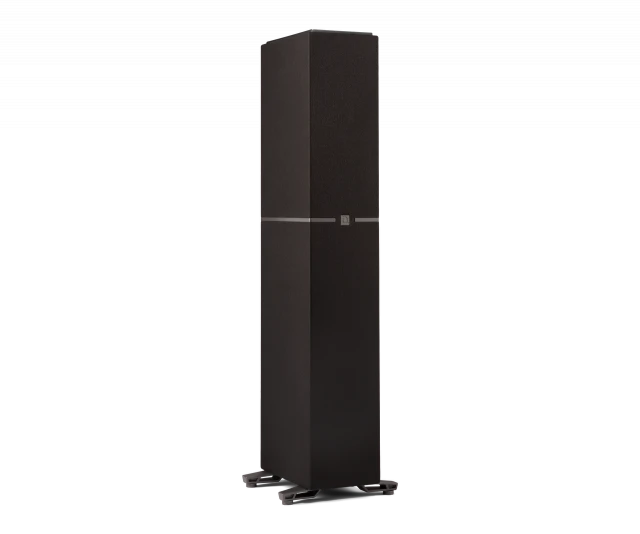
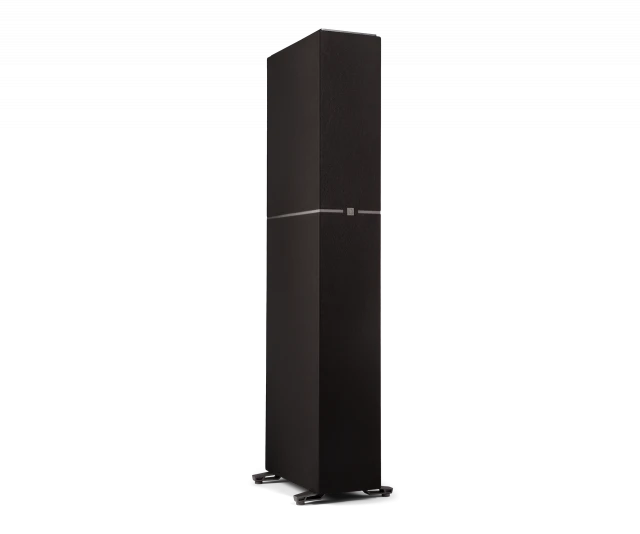
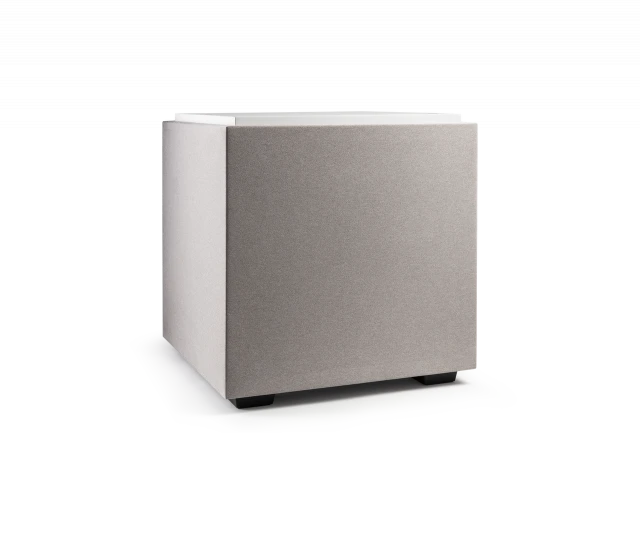
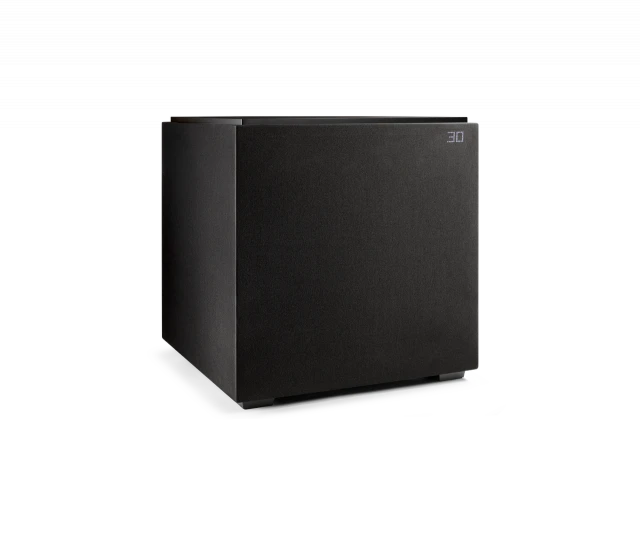
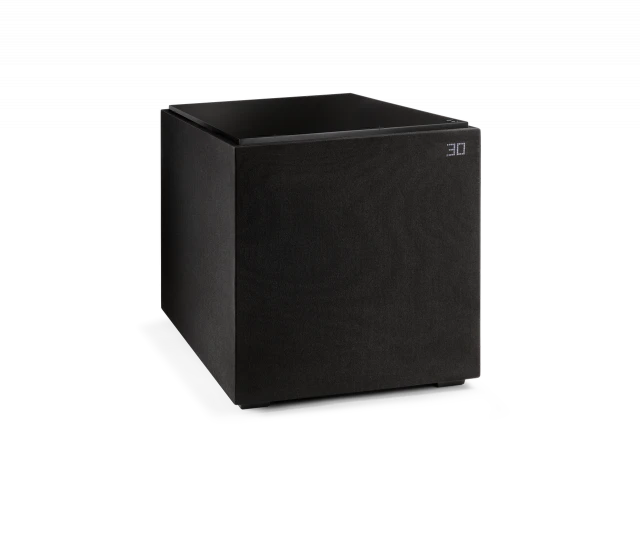
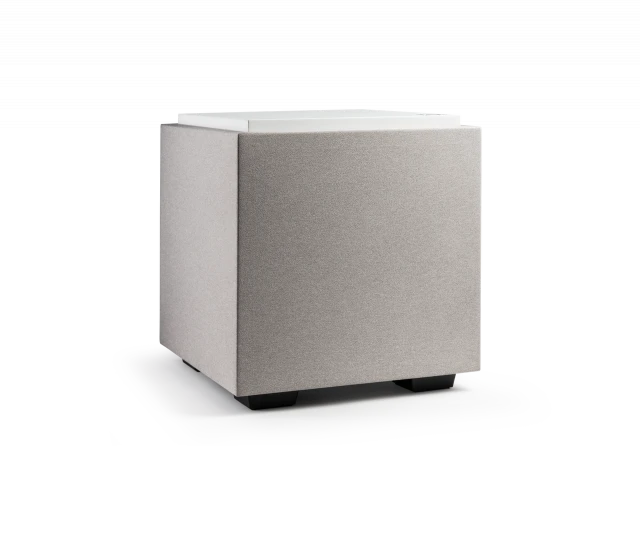
The bipolar tower idea began with the BP series, such as the BP-9060, which pairs drivers firing to the front and rear with an integrated powered woofer. The current Dymension series carries it forward in models from the small DM10 up to the DM80 tower. The DM60, for example, uses four 4.5 inch midrange drivers, two 1 inch aluminium oxide dome tweeters and an 8 inch subwoofer driven by a 180 W Class D amplifier. Its bass section borrows the 3XR layout of the Descend subwoofers, where one active driver works with two passive radiators instead of a port. The brand was also an early user of the Play-Fi wireless protocol, with the W7 speaker of 2015.
Who owns it and where it's made
The brand changed hands several times. Directed Electronics bought it in 2004, the parent became DEI Holdings in 2008, and in 2013 it was grouped with Polk Audio under the Sound United division. Sound United later belonged to Masimo, and in September 2025 Harman completed its USD 350 million purchase of Sound United, which now runs as a standalone unit inside Harman's Lifestyle Division with sister brands Bowers & Wilkins, Denon, Marantz, Polk Audio, Classe and Boston Acoustics.
The lineup in this catalog
Loudspeakers, with prices running from roughly USD 300 to USD 3,000.
Who it's for
Definitive Technology suits home cinema owners who want deep bass from towers without a separate subwoofer box, and buyers who prefer to pick speakers, centre channels, height modules and subwoofers from one matched family. A smaller Dymension model is a sensible start, with a step up to the larger powered towers or a Descend subwoofer as the room grows.