
Все

Проигрыватели виниловых дисков — Pro-Ject RPM 3 Carbon
Описание, изображения, технические характеристики и спецификации
Pro-Ject RPM 3 Carbon
Источник изображения — © Pro-Ject
The RPM 3 Carbon is a turntable with belt drive, part of the RPM line of Pro-Ject Audio Systems, using a synchronous motor that stands free of the plinth and a 10-inch S-shaped tonearm. It is sold with or without a factory-fitted Ortofon 2M Silver moving-magnet cartridge and comes in a choice of three high-gloss colours, namely black, white or red.
Key specs that matter
Two speeds, 33 and 45 rpm, are selected by hand by moving the belt. The platter is a 300 mm MDF disc turning on an inverted bearing with a stainless steel axle and a ceramic ball. Pro-Ject quotes speed drift of plus or minus 0.14 percent at 33 rpm and 0.11 percent at 45 rpm, with wow and flutter of 0.19 percent at 33 rpm and 0.08 percent at 45 rpm. Signal-to-noise is given as 71 dB. Its arm offers an effective length of 254 mm, an effective mass of 16 g and an overhang of 16 mm, and the tracking force can be set from 0 to 25 mN. Width is 422 mm, height 118 mm and depth 373 mm, for 5.5 kg net.
Engineering and use context
Its chassis takes the form of a low-resonance V-shaped MDF construction arranged around a central mass point. Separating the motor from the plinth is the main idea of the design - the synchronous motor stands on its own next to the platter, so its vibration is not fed straight into the chassis the arm sits on. The inverted bearing places the contact point high inside the platter, and the ceramic ball supports the load on the steel axle. The tonearm tube combines carbon with aluminium and a resin damping compound, and its S shape carries the headshell offset. Pro-Ject treats the tube in three stages using heat and 100 bar of pressure, which the maker says raises rigidity, increases internal damping and lowers resonance, so that moving-coil cartridges are also an option for this arm. The motor itself is a 15 V AC type, fed by a precision AC generator that runs from DC power for steadier speed, and the MDF platter carries a vinyl mat. Antiskating works magnetically rather than with a thread and weight, while TPE damping is built into the counterweight. The generator draws on an external 15 V DC, 500 mA supply that accepts 110 to 240 V mains at 50 or 60 Hz. Maximum consumption is 5 W, and standby draw stays below 0.5 W.
Pairing
No phono preamplifier is fitted inside, and the signal has to pass through a phono stage, built into the amplifier or housed in its own box. With the supplied Ortofon 2M Silver the MM input is the direct route, while buyers of the version without a cartridge can fit their own, keeping within the arm's effective mass and tracking force range.
Alternatives
The Pro-Ject RPM 9 Carbon moves to a 7.2 kg aluminium platter, a 9-inch carbon arm and electronic speed change within the same RPM series.
Key specs that matter
Two speeds, 33 and 45 rpm, are selected by hand by moving the belt. The platter is a 300 mm MDF disc turning on an inverted bearing with a stainless steel axle and a ceramic ball. Pro-Ject quotes speed drift of plus or minus 0.14 percent at 33 rpm and 0.11 percent at 45 rpm, with wow and flutter of 0.19 percent at 33 rpm and 0.08 percent at 45 rpm. Signal-to-noise is given as 71 dB. Its arm offers an effective length of 254 mm, an effective mass of 16 g and an overhang of 16 mm, and the tracking force can be set from 0 to 25 mN. Width is 422 mm, height 118 mm and depth 373 mm, for 5.5 kg net.
Engineering and use context
Its chassis takes the form of a low-resonance V-shaped MDF construction arranged around a central mass point. Separating the motor from the plinth is the main idea of the design - the synchronous motor stands on its own next to the platter, so its vibration is not fed straight into the chassis the arm sits on. The inverted bearing places the contact point high inside the platter, and the ceramic ball supports the load on the steel axle. The tonearm tube combines carbon with aluminium and a resin damping compound, and its S shape carries the headshell offset. Pro-Ject treats the tube in three stages using heat and 100 bar of pressure, which the maker says raises rigidity, increases internal damping and lowers resonance, so that moving-coil cartridges are also an option for this arm. The motor itself is a 15 V AC type, fed by a precision AC generator that runs from DC power for steadier speed, and the MDF platter carries a vinyl mat. Antiskating works magnetically rather than with a thread and weight, while TPE damping is built into the counterweight. The generator draws on an external 15 V DC, 500 mA supply that accepts 110 to 240 V mains at 50 or 60 Hz. Maximum consumption is 5 W, and standby draw stays below 0.5 W.
Pairing
No phono preamplifier is fitted inside, and the signal has to pass through a phono stage, built into the amplifier or housed in its own box. With the supplied Ortofon 2M Silver the MM input is the direct route, while buyers of the version without a cartridge can fit their own, keeping within the arm's effective mass and tracking force range.
Alternatives
The Pro-Ject RPM 9 Carbon moves to a 7.2 kg aluminium platter, a 9-inch carbon arm and electronic speed change within the same RPM series.
Характеристики
Название модели
RPM 3 Carbon
Скорость вращения
33/45
Привод
Belt
Подвеска
N/A
Тонарм в комплекте
Да
Модель тонарма
N/A
Головка звукоснимателя в комплекте
Да
Модель головки звукоснимателя
Ortofon 2M-Silver
Диск
300 mm MDF
Двигатель
DC
Детонация (%)
N/A
Отношение сигнал/шум (dB)
71
Рокот (-dB)
N/A
Габариты (mm)
422 x 118 x 373
Вес (kg)
5.5
Официальная ссылка
Другие компоненты
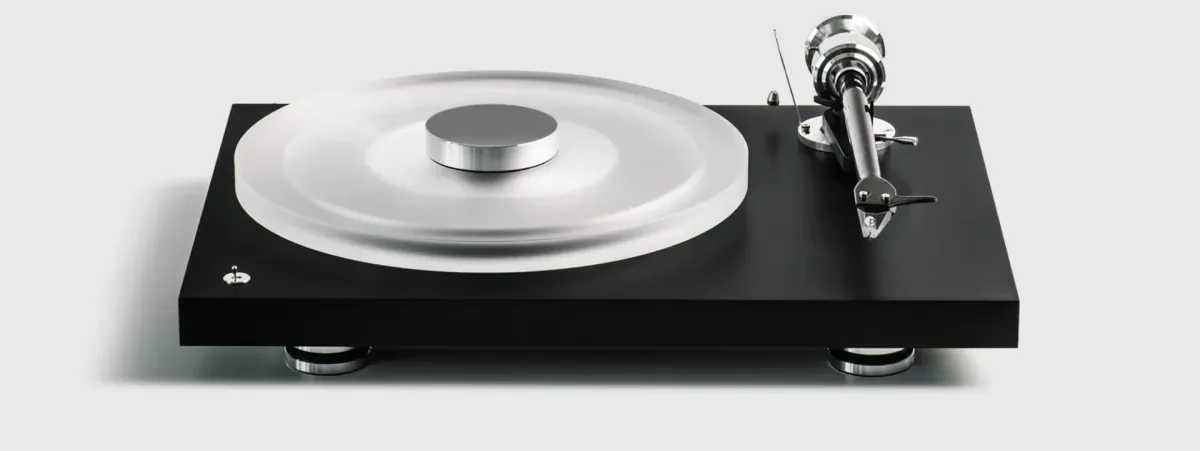
Проигрыватели виниловых дисков
Pro-Ject Debut Reference 10
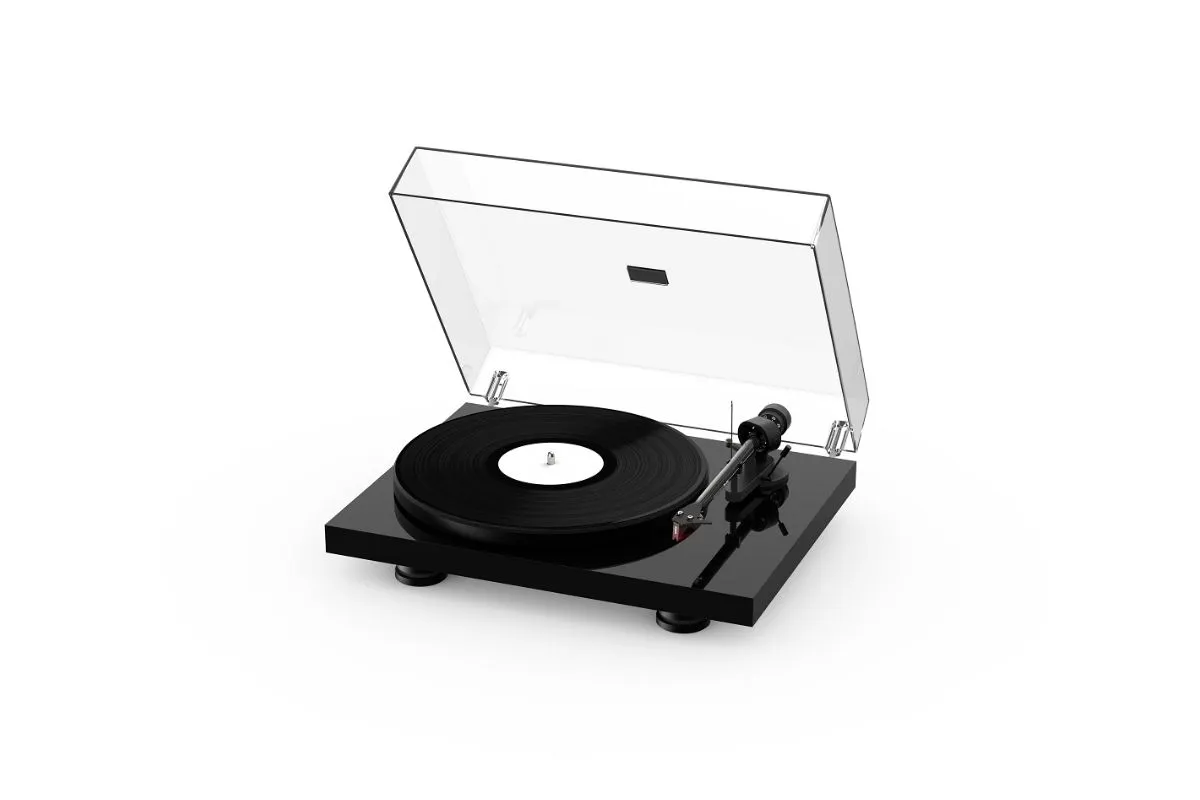
Проигрыватели виниловых дисков
Pro-Ject Debut Carbon EVO
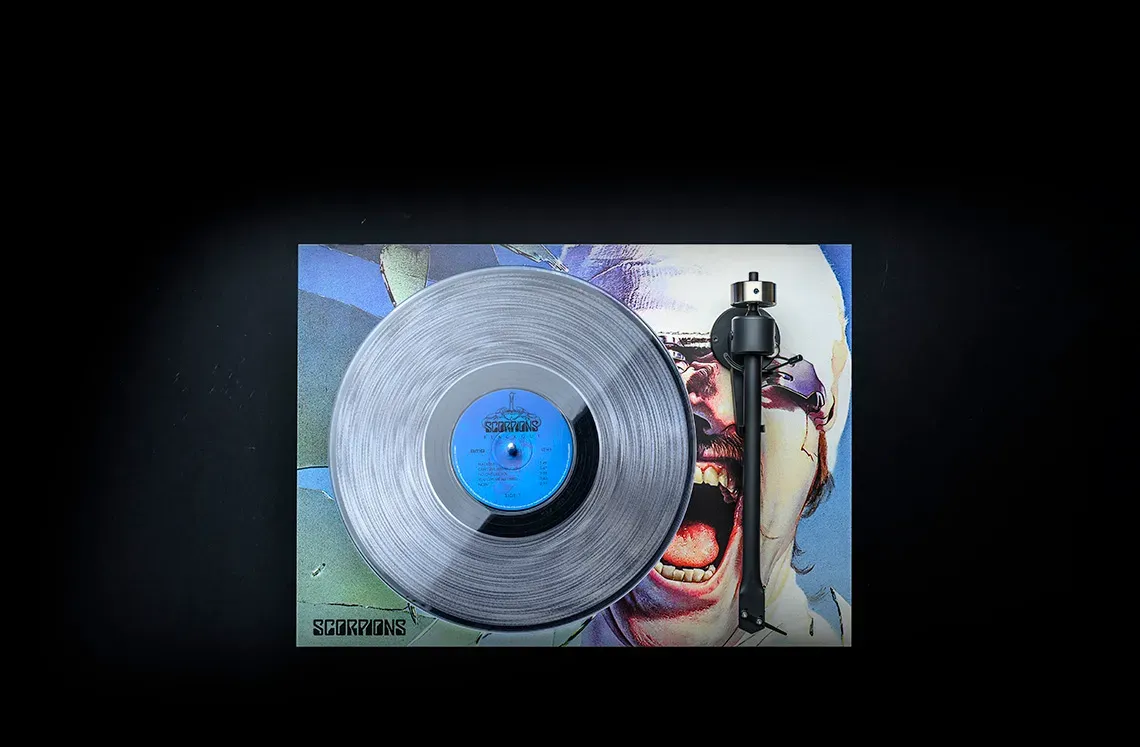
Проигрыватели виниловых дисков
Pro-Ject Scorpions
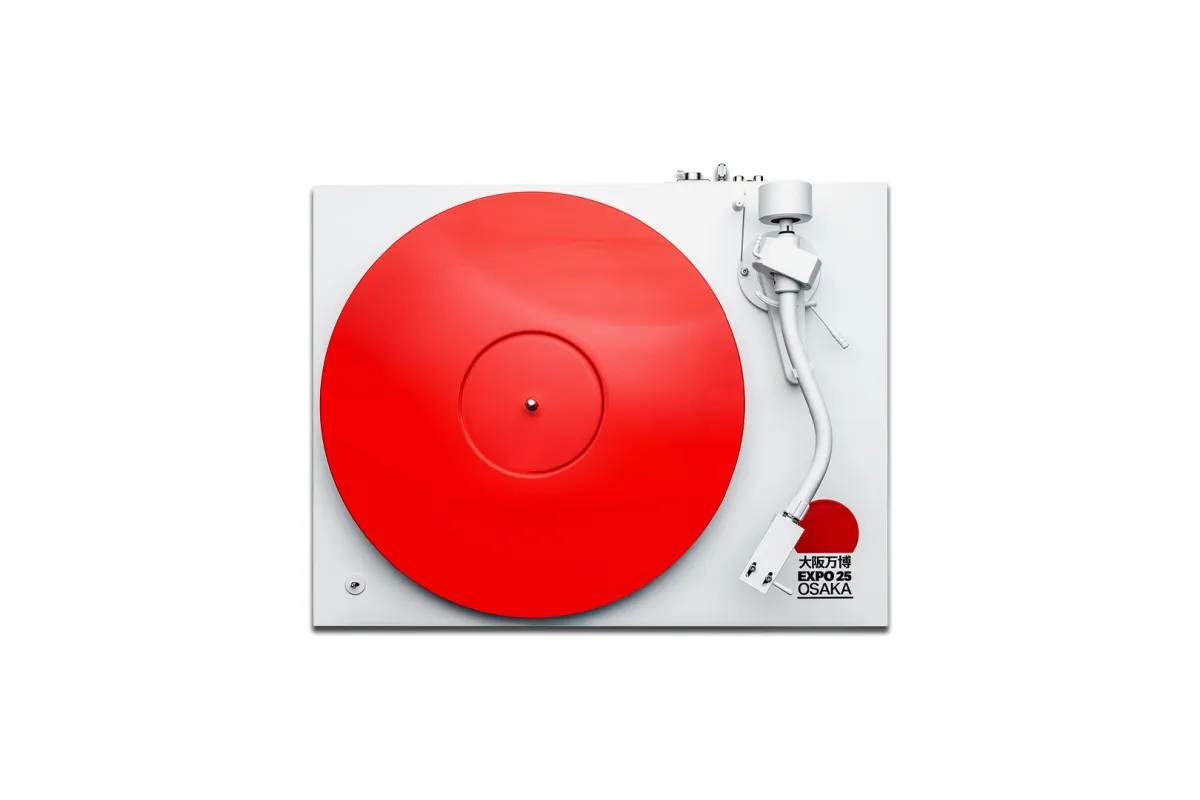
Проигрыватели виниловых дисков
Pro-Ject Debut PRO S Balanced EXPO 2025 Edition

Проигрыватели виниловых дисков
Pro-Ject Audio EU