
Все

Проигрыватели виниловых дисков — Pro-Ject 6PerspeX Balanced
Описание, изображения, технические характеристики и спецификации
Pro-Ject 6PerspeX Balanced
Источник изображения — © Pro-Ject
The 6PerspeX Balanced is a record player handmade in Europe by Pro-Ject Audio Systems, whose clear acrylic plinth carries a magnetically suspended sub-chassis. It leaves the factory with the Pick it MC3 moving-coil cartridge already mounted and aligned, and it offers both a balanced and a single-ended phono output so that it can connect to either kind of phono stage.
Key specs that matter
The 9 CC EVO tonearm has an effective length of 230 mm, an effective mass of 8.0 g and an overhang of 18 mm, and it accepts tracking forces from 10 to 35 mN. Supplied counterweights cover 5 to 14 g of cartridge mass. The 300 mm platter is an MDF and vinyl sandwich, supported by an inverted main bearing in which a ceramic ball meets a stainless steel shaft. Speeds of 33 and 45 rpm are selected electronically. Rotational error is specified at 0.1 percent wow and flutter, speed drift of plus or minus 0.06 percent while signal to noise reaches 73 dB. The deck measures 460 x 183 x 365 mm and weighs 11.0 kg net. A 15 V DC, 800 mA adapter feeds it, drawing up to 6 W in use and under 0.3 W on standby, with mains versions for 110/120 or 230/240 V at 50 or 60 Hz.
Engineering and use context
The sub-chassis is made of Corian and rests on opposing magnets, so the platter and arm float on a suspension separate from the acrylic plinth that holds the outboard motor. Three height-adjustable aluminium cones damped with TPE support the plinth. The motor is an AC type fed by a DC-driven generator, which lets the speed change happen electronically rather than by moving the belt. A screw-down clamp couples the record to the sandwich platter. In the arm, an inverted cardanic bearing of ABEC 7 quality uses four stainless steel tips, and both azimuth and vertical tracking angle can be adjusted. The outputs are a 5-pin mini XLR socket for the balanced path and RCA sockets with a ground terminal, and a Connect it Phono E RCA cable is included.
Pairing
A moving-coil cartridge needs either an MC-capable phono preamplifier or a step-up transformer. To use the balanced route, the phono stage needs a balanced input and a cable from mini XLR to that input, while any conventional MC stage works through the RCA pair. The wide counterweight range means later cartridge changes to lighter or heavier bodies stay within the arm's range.
Alternatives
A cheaper Pro-Ject deck with a mini XLR balanced socket is the Debut PRO B.
Key specs that matter
The 9 CC EVO tonearm has an effective length of 230 mm, an effective mass of 8.0 g and an overhang of 18 mm, and it accepts tracking forces from 10 to 35 mN. Supplied counterweights cover 5 to 14 g of cartridge mass. The 300 mm platter is an MDF and vinyl sandwich, supported by an inverted main bearing in which a ceramic ball meets a stainless steel shaft. Speeds of 33 and 45 rpm are selected electronically. Rotational error is specified at 0.1 percent wow and flutter, speed drift of plus or minus 0.06 percent while signal to noise reaches 73 dB. The deck measures 460 x 183 x 365 mm and weighs 11.0 kg net. A 15 V DC, 800 mA adapter feeds it, drawing up to 6 W in use and under 0.3 W on standby, with mains versions for 110/120 or 230/240 V at 50 or 60 Hz.
Engineering and use context
The sub-chassis is made of Corian and rests on opposing magnets, so the platter and arm float on a suspension separate from the acrylic plinth that holds the outboard motor. Three height-adjustable aluminium cones damped with TPE support the plinth. The motor is an AC type fed by a DC-driven generator, which lets the speed change happen electronically rather than by moving the belt. A screw-down clamp couples the record to the sandwich platter. In the arm, an inverted cardanic bearing of ABEC 7 quality uses four stainless steel tips, and both azimuth and vertical tracking angle can be adjusted. The outputs are a 5-pin mini XLR socket for the balanced path and RCA sockets with a ground terminal, and a Connect it Phono E RCA cable is included.
Pairing
A moving-coil cartridge needs either an MC-capable phono preamplifier or a step-up transformer. To use the balanced route, the phono stage needs a balanced input and a cable from mini XLR to that input, while any conventional MC stage works through the RCA pair. The wide counterweight range means later cartridge changes to lighter or heavier bodies stay within the arm's range.
Alternatives
A cheaper Pro-Ject deck with a mini XLR balanced socket is the Debut PRO B.
Характеристики
Название модели
6PerspeX Balanced
Скорость вращения
33/45
Привод
Belt
Подвеска
N/A
Тонарм в комплекте
Да
Модель тонарма
N/A
Головка звукоснимателя в комплекте
Да
Модель головки звукоснимателя
Pick it MC3
Диск
MDF/vinyl Sandwich (300mm diameter)
Двигатель
DC
Детонация (%)
N/A
Отношение сигнал/шум (dB)
73
Рокот (-dB)
N/A
Габариты (mm)
460 x 183 x 365
Вес (kg)
11
Официальная ссылка
Другие компоненты
Проигрыватели виниловых дисков
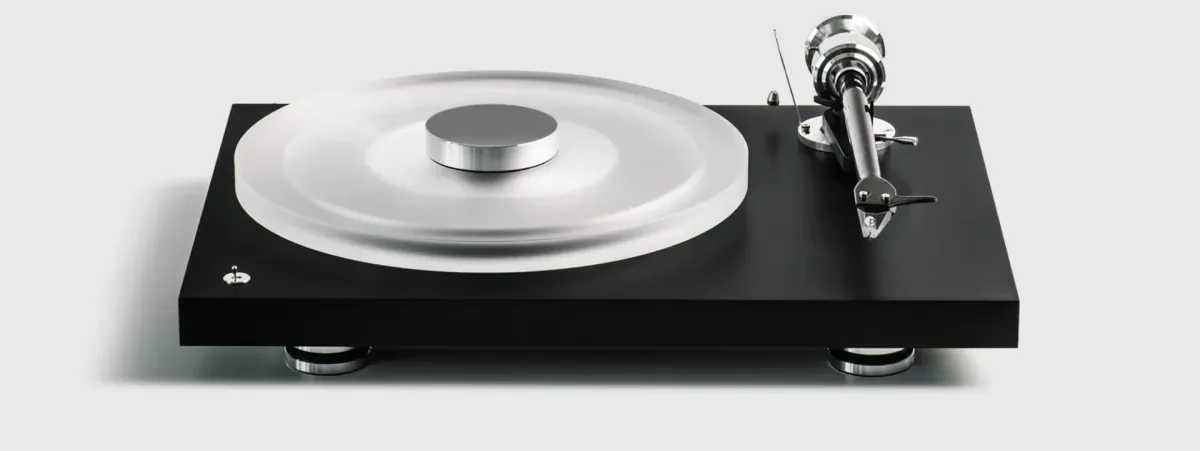
Pro-Ject Debut Reference 10
Проигрыватели виниловых дисков
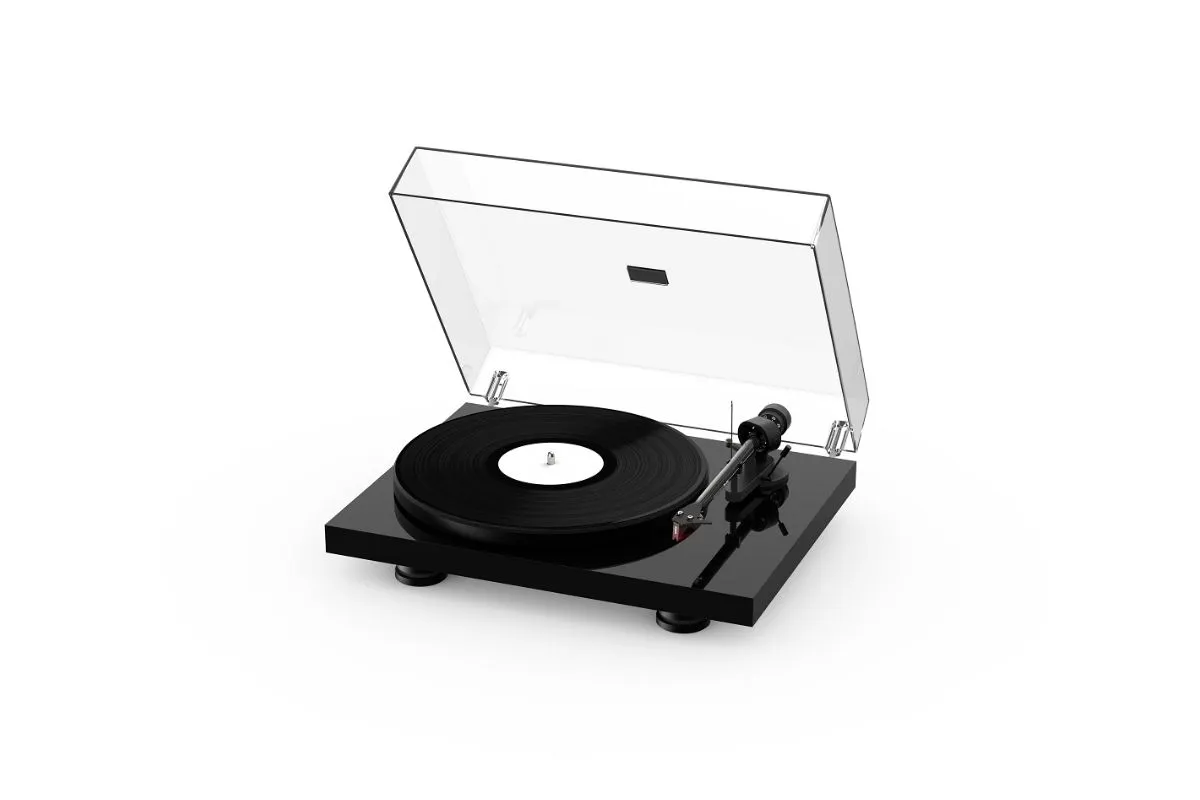
Pro-Ject Debut Carbon EVO
Проигрыватели виниловых дисков
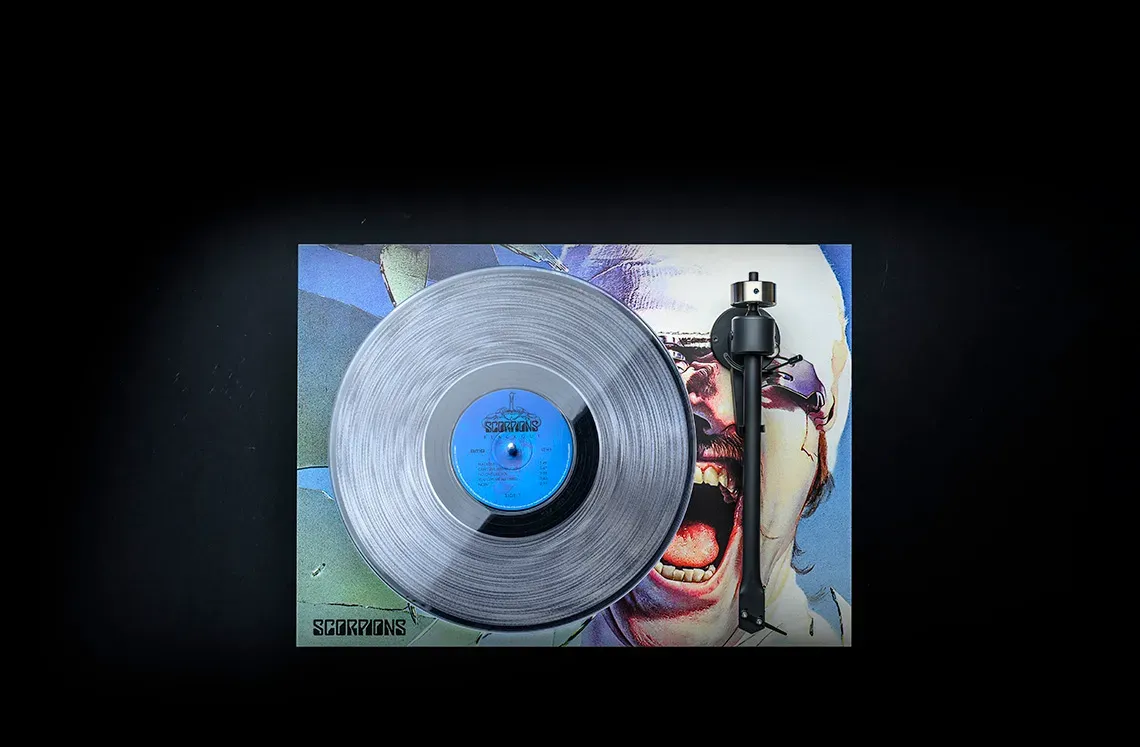
Pro-Ject Scorpions
Проигрыватели виниловых дисков
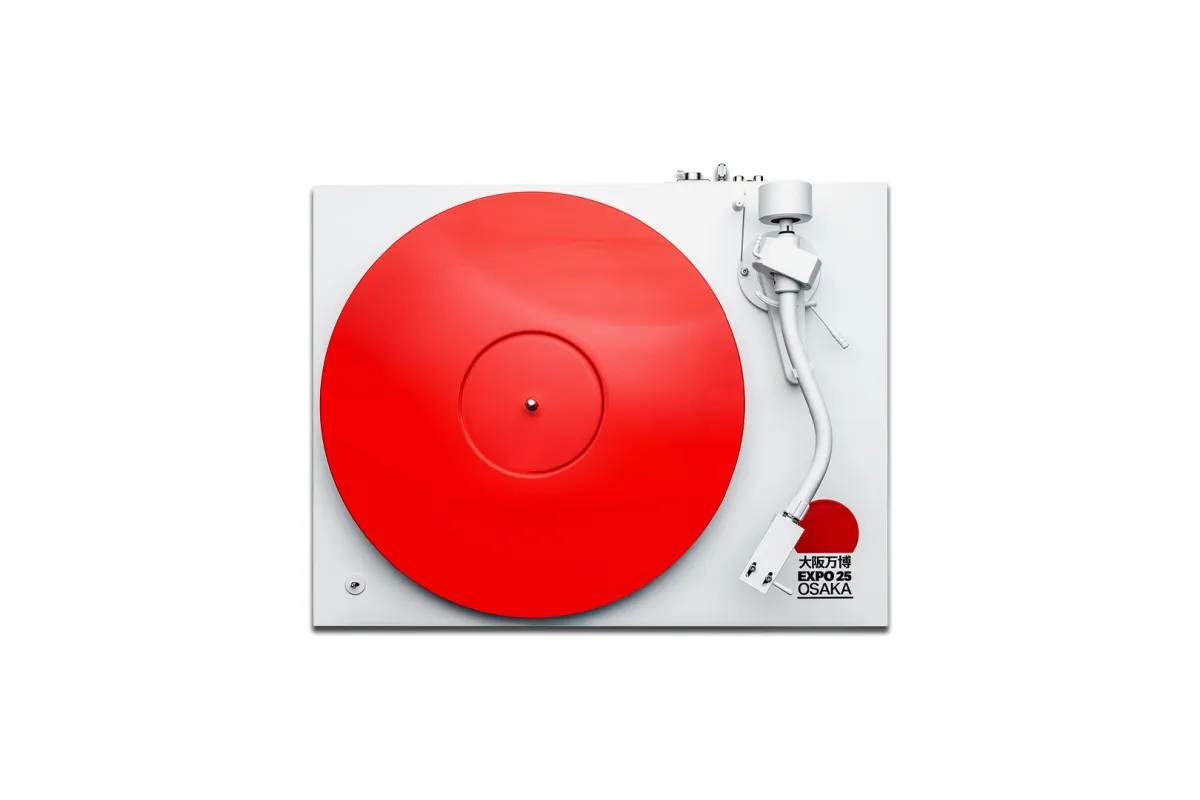
Pro-Ject Debut PRO S Balanced EXPO 2025 Edition

Проигрыватели виниловых дисков
Pro-Ject Audio EU