
Все

Наушники — Sivga Audio Que UTG
Описание, изображения, технические характеристики и спецификации
Sivga Audio Que UTG
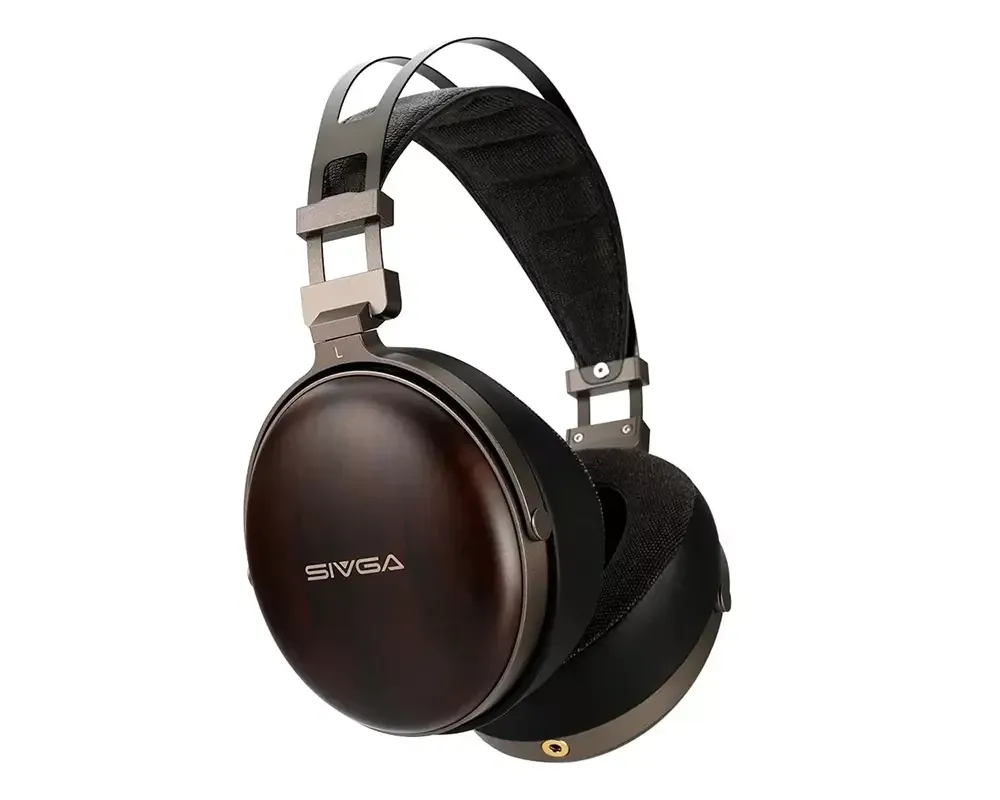
Источник изображения — © Sivga Audio
Sivga Audio's Que UTG is a cabled IEM that places one dynamic driver in each shell, and its diaphragm is cut from ultra-thin glass, which is what the UTG in the name refers to. It sells at USD 89, combining a metal shell with a natural wood faceplate at an entry-level price.
Key specs that matter
The driver measures 10 mm and has a glass diaphragm under 0.4 mm thick. Impedance is 32 ohm and sensitivity is 103 dB with a tolerance of 3 dB. Frequency response is 20 Hz to 20 kHz. A single earphone weighs 10 g. The 1.25 m cable attaches through standard 0.78 mm 2-pin sockets, and its modular plug system swaps without tools between a 3.5 mm single-ended and a 4.4 mm balanced termination, both supplied in the box.
Engineering and use context
The glass for the diaphragms comes from the Taiwanese processor Glass Acoustic Innovations (GAIT) and the Japanese manufacturer NEG. Sivga states that the chemically treated glass is more rigid than conventional paper drivers, has low internal mass, resists degradation from humidity and repeated bass excursion, and is recyclable. A flexible polyurethane surround holds the flat glass diaphragm. The motor uses a single magnet with a dual-cavity design. Housings are made of zinc alloy, and the faceplates are carved from South American green sandalwood that is hand-polished after three months of oxidation, so each pair shows its own grain. Precision acoustic vents in the shell are designed to optimise airflow and suppress internal resonance. The cable is built from high-purity silver-plated oxygen-free copper, with 49 wires woven into a 7-strand, 7-core litz layout. An ergonomic 3D shape is worn with the cable routed over the ear, which cuts microphonic noise. The package includes a real leather case and six silicone eartips, two pairs each of small, medium and large, plus a user manual. Sivga also sells a plain Que model, which predates the glass-diaphragm UTG version.
Pairing
Given the modest impedance and high sensitivity, a USB dongle DAC or a pocket music player drives the Que UTG without strain. The interchangeable plugs let the same cable move between a single-ended jack on a laptop and a balanced output on a dedicated player, and the 2-pin sockets accept third-party upgrade cables.
Alternatives
The Sivga Nightingale is an in-ear monitor built around a 14.5 mm planar driver instead of a glass diaphragm.
Key specs that matter
The driver measures 10 mm and has a glass diaphragm under 0.4 mm thick. Impedance is 32 ohm and sensitivity is 103 dB with a tolerance of 3 dB. Frequency response is 20 Hz to 20 kHz. A single earphone weighs 10 g. The 1.25 m cable attaches through standard 0.78 mm 2-pin sockets, and its modular plug system swaps without tools between a 3.5 mm single-ended and a 4.4 mm balanced termination, both supplied in the box.
Engineering and use context
The glass for the diaphragms comes from the Taiwanese processor Glass Acoustic Innovations (GAIT) and the Japanese manufacturer NEG. Sivga states that the chemically treated glass is more rigid than conventional paper drivers, has low internal mass, resists degradation from humidity and repeated bass excursion, and is recyclable. A flexible polyurethane surround holds the flat glass diaphragm. The motor uses a single magnet with a dual-cavity design. Housings are made of zinc alloy, and the faceplates are carved from South American green sandalwood that is hand-polished after three months of oxidation, so each pair shows its own grain. Precision acoustic vents in the shell are designed to optimise airflow and suppress internal resonance. The cable is built from high-purity silver-plated oxygen-free copper, with 49 wires woven into a 7-strand, 7-core litz layout. An ergonomic 3D shape is worn with the cable routed over the ear, which cuts microphonic noise. The package includes a real leather case and six silicone eartips, two pairs each of small, medium and large, plus a user manual. Sivga also sells a plain Que model, which predates the glass-diaphragm UTG version.
Pairing
Given the modest impedance and high sensitivity, a USB dongle DAC or a pocket music player drives the Que UTG without strain. The interchangeable plugs let the same cable move between a single-ended jack on a laptop and a balanced output on a dedicated player, and the 2-pin sockets accept third-party upgrade cables.
Alternatives
The Sivga Nightingale is an in-ear monitor built around a 14.5 mm planar driver instead of a glass diaphragm.
Характеристики
Название модели
Que UTG
Принцип преобразования
Dynamic or Isodynamic
Схема
Closed
Тип ношения
In-ear
Нижняя граница частотного диапазона +/- 10дБ (Hz)
N/A
Верхняя граница частотного диапазона +/- 10дБ (Hz)
N/A
Максимальный уровень звукового давления (dBSPL (1 kHz @ 5% THD))
N/A
Тип подключения
Wired
Разъём (mm)
Unbalanced 3.5mm mini jack and balanced 4.4mm Pentaconn
Чувствительность (dBSPL (1 kHz/ 1 mW)))
N/A
Импеданс (Ohm (1 kHz))
N/A
Время воспроизведения (hours)
N/A
Вес (g)
N/A
Официальная ссылка
Другие компоненты
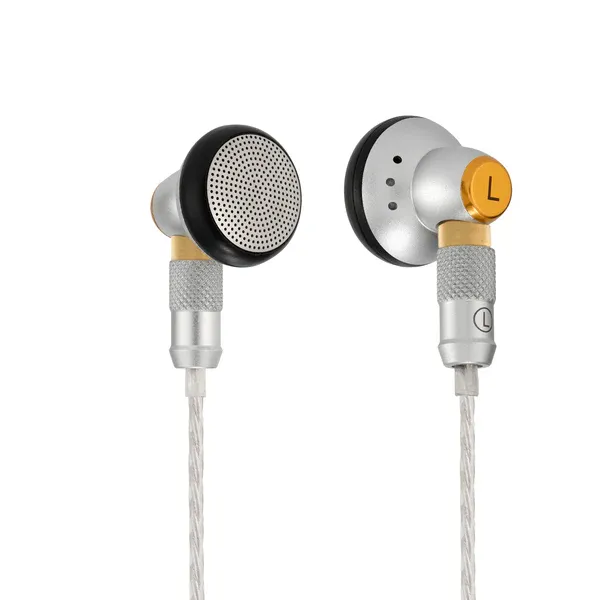
Наушники
Sivga Audio M260
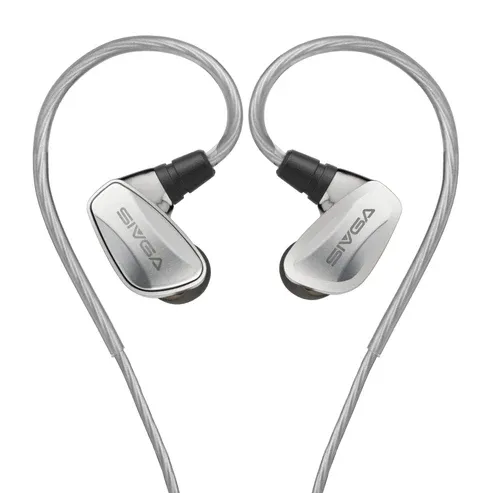
Наушники
Sivga Audio SM100
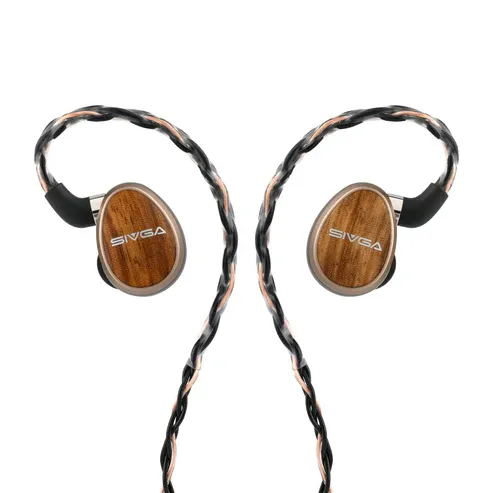
Наушники
Sivga Audio Nightingale Pro
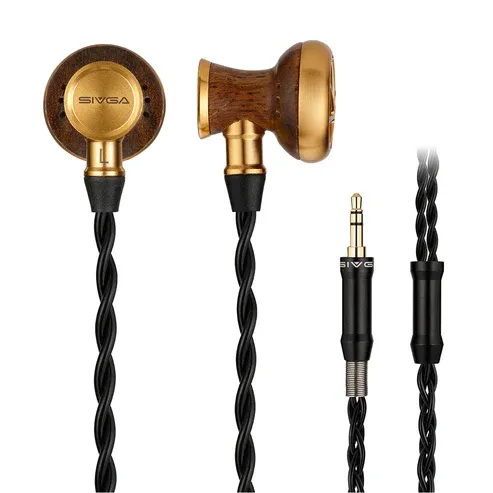
Наушники
Sivga Audio M300
Наушники
Sivga Audio Peng