

Subwoofers - Hifiverse audio equipment catalog
A subwoofer reproduces the lowest frequencies, usually from about 20 to 120 Hz, and frees the main speakers from the heaviest bass work. Most models are powered, with the amplifier and crossover built into the cabinet. This subcategory covers sealed, ported and passive-radiator subwoofers for music and home theatre, while full-range towers sit under floorstanding loudspeakers.
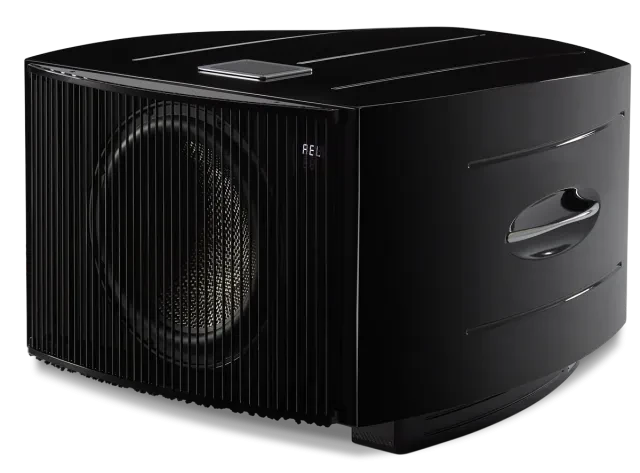
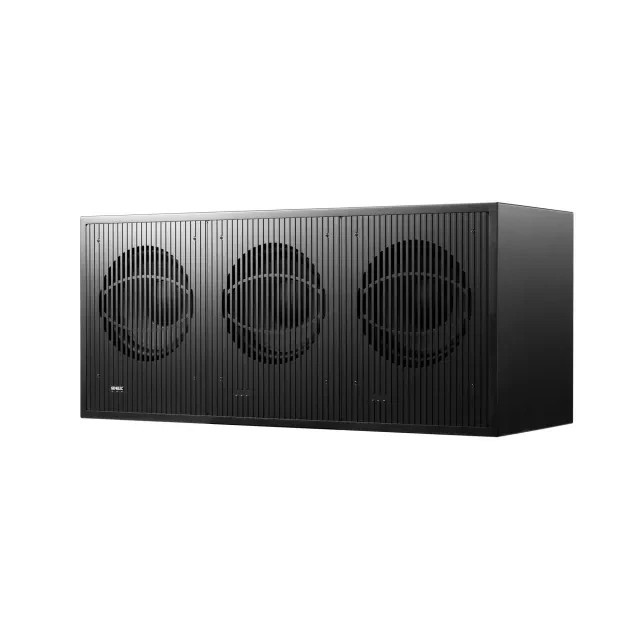
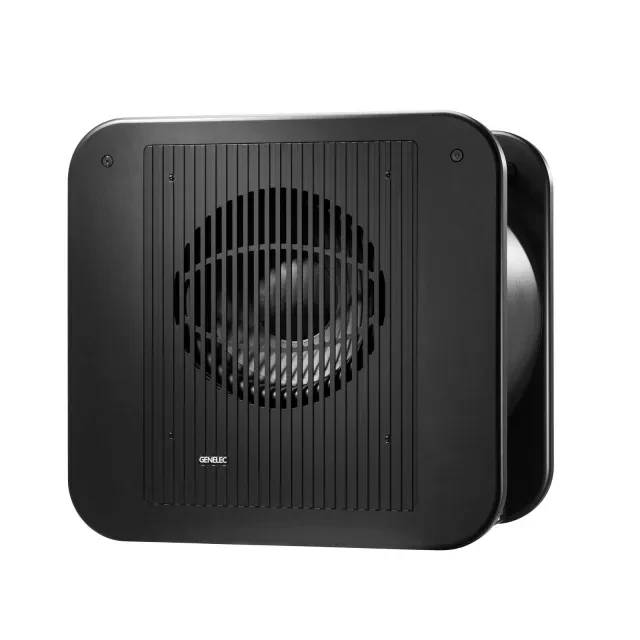
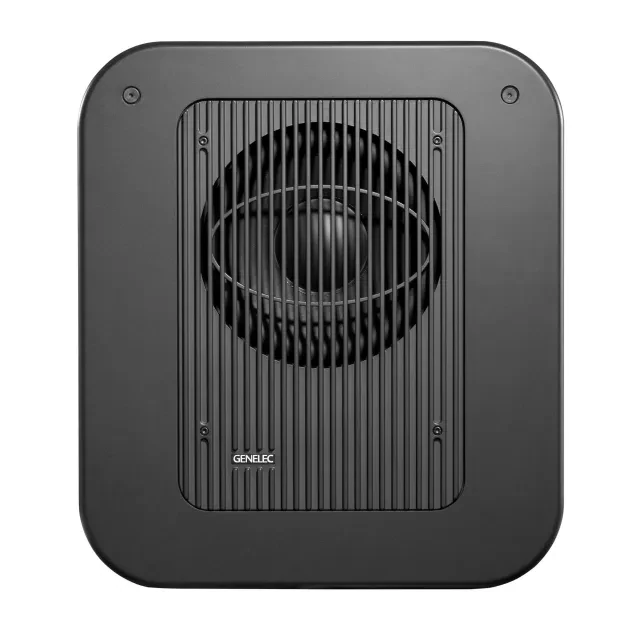
How to choose a subwoofer
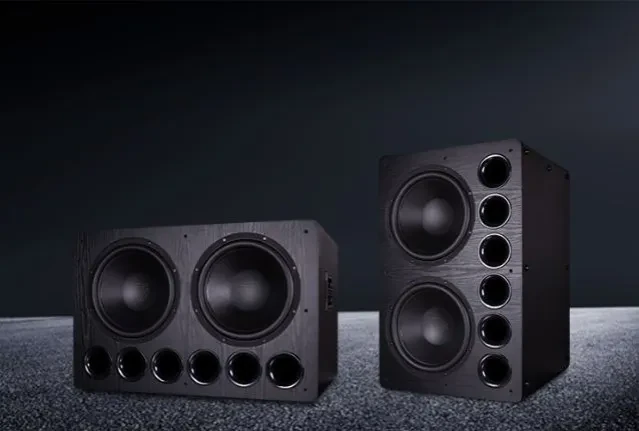
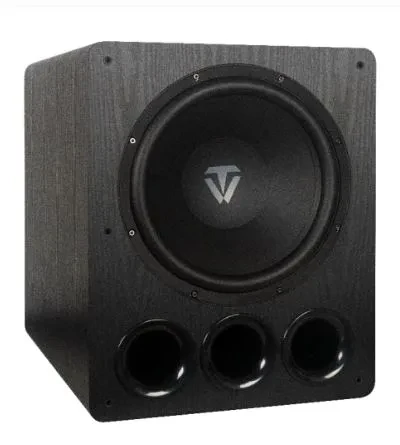
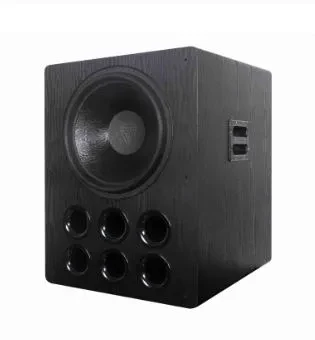
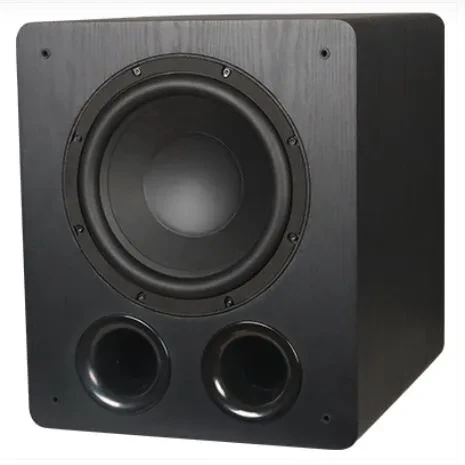
Begin with the enclosure. Sealed boxes stay smaller and roll off gently at about 12 dB per octave, while ported and passive-radiator designs reach deeper and play louder from the same amplifier but need a larger cabinet. Next, match driver size to the room, with 8 to 10 inch drivers for rooms under 20 m2 and 12 to 15 inch drivers for larger spaces or home theatre. Then check the connections. Line-level RCA or XLR inputs suit receivers and preamps, while speaker-level inputs let you add a sub to an integrated amplifier with no sub output. Finally, look at the controls. A variable low-pass crossover, a phase switch or dial and a level knob are the minimum, and some models add app control or a wireless kit.
Key specs that matter
Amplifier power ranges from about 100 W in compact models to over 1,000 W in large units. Low-frequency extension at -3 dB typically falls between 18 and 35 Hz. The adjustable low-pass crossover usually spans 40 to 150 Hz. Cabinet volume and weight scale quickly with driver size, and a 15-inch ported sub can exceed 40 kg.
Price ranges & what you get
Subs selling for less than USD 600 use 8 to 10 inch drivers with class D amplifiers of 100 to 300 W. Between USD 600 and 2,500, expect 12-inch drivers, amplifiers up to about 1,000 W, balanced inputs and app control. Above USD 2,500, subs use dual opposed drivers, very long-throw cones and amplifiers above 1,000 W.
Related subcategories & reading
Bookshelf speakers gain the most from an added sub, and floorstanding loudspeakers can use one for film. In a 5.1 or 7.1 system the sub works alongside the center and surround models. Our loudspeakers articles explain crossover points and running two subs.