
All

Floorstanding loudspeakers — AudioNec Evo 4
Description, images, technical data and specifications
AudioNec Evo 4
Image source — © AudioNec
The Evo 4 is the top system of the AudioNec Evo line, described by the French maker as the highest achievement of that range. Rather than a single enclosure, each channel pairs the main Evo tower with a dedicated subwoofer tower, and a stereo pair carries eight 15-inch subwoofers in total, giving 10 drivers per channel.
Key specs that matter
The main tower is the same unit sold as the Evo 3. It holds a tweeter for 10 kHz to 45 kHz, the DuoPole 31 for 400 Hz to 10 kHz, two 22 cm low drivers for 35 Hz to 400 Hz and two 28 cm subs for 18 Hz to 35 Hz. It presents 8 ohm, is rated at 92 dB, asks for 80 W to 800 W, measures 46 x 185 x 47 cm and weighs 120 kg. The separate sub tower contains four 15-inch drivers working from 25 Hz down to 15 Hz. It has a 4 ohm load, the same 92 dB rating and an amplifier recommendation of 400 W to 6,000 W. Its cabinet is 55 cm wide, 185 cm tall and 50 cm deep, and it weighs 273 kg, so one channel of the complete system weighs 393 kg.
Engineering and use context
AudioNec says the system can play infrasonic content at high level. The midrange comes from the DuoPole 31, the company's boxless wideband unit with a spiderless, ultra-light diaphragm and a vertical voice coil working as a dipole in free air. In the Evo line each driver is housed in its own isolated high-density MDF cabinet and wired internally with 6N OCC copper. Each enclosure has four terminals, so the upper and lower sections can be wired or amplified separately. The sub tower is 9 cm wider and 3 cm deeper than the main tower but matches its height, so each side reads as two equal columns. The standard passive build uses an internal crossover wired by hand with 2.5 mm2 cable, while the Xtrem build uses an external crossover box that can take components of non-standard size. Because the whole Evo range follows a modular idea, an Evo 3 owner can grow into an Evo 4 by adding the sub towers instead of replacing the main speakers.
Pairing
The sub towers need their own high-power amplification, since their stated window reaches several kilowatts into a low impedance, while the main towers can run from a separate stereo amplifier suited to an easier load. With tall towers and more than a third of a tonne per side, floor strength and room size both need checking before installation.
Alternatives
The AudioNec Evo 3 is the same main tower sold on its own, without the four-driver subwoofer towers.
Key specs that matter
The main tower is the same unit sold as the Evo 3. It holds a tweeter for 10 kHz to 45 kHz, the DuoPole 31 for 400 Hz to 10 kHz, two 22 cm low drivers for 35 Hz to 400 Hz and two 28 cm subs for 18 Hz to 35 Hz. It presents 8 ohm, is rated at 92 dB, asks for 80 W to 800 W, measures 46 x 185 x 47 cm and weighs 120 kg. The separate sub tower contains four 15-inch drivers working from 25 Hz down to 15 Hz. It has a 4 ohm load, the same 92 dB rating and an amplifier recommendation of 400 W to 6,000 W. Its cabinet is 55 cm wide, 185 cm tall and 50 cm deep, and it weighs 273 kg, so one channel of the complete system weighs 393 kg.
Engineering and use context
AudioNec says the system can play infrasonic content at high level. The midrange comes from the DuoPole 31, the company's boxless wideband unit with a spiderless, ultra-light diaphragm and a vertical voice coil working as a dipole in free air. In the Evo line each driver is housed in its own isolated high-density MDF cabinet and wired internally with 6N OCC copper. Each enclosure has four terminals, so the upper and lower sections can be wired or amplified separately. The sub tower is 9 cm wider and 3 cm deeper than the main tower but matches its height, so each side reads as two equal columns. The standard passive build uses an internal crossover wired by hand with 2.5 mm2 cable, while the Xtrem build uses an external crossover box that can take components of non-standard size. Because the whole Evo range follows a modular idea, an Evo 3 owner can grow into an Evo 4 by adding the sub towers instead of replacing the main speakers.
Pairing
The sub towers need their own high-power amplification, since their stated window reaches several kilowatts into a low impedance, while the main towers can run from a separate stereo amplifier suited to an easier load. With tall towers and more than a third of a tonne per side, floor strength and room size both need checking before installation.
Alternatives
The AudioNec Evo 3 is the same main tower sold on its own, without the four-driver subwoofer towers.
Specifications
Model name
Evo 4
Frequency Response low +/- 3dB (Hz)
18
Frequency Response high +/- 3dB (Hz)
45 000
Sensitivity (dB at 1 W/1m)
92
Impedance (Ohms)
8
Power amplifier requirements (W)
80 - 800
Has internal amplification
N/A
Internal amplification power (W)
N/A
Size (sm)
46 x 185 x 47
Weight (kg)
120
Official link
More components

Floorstanding loudspeakers
AudioNec Diva XL
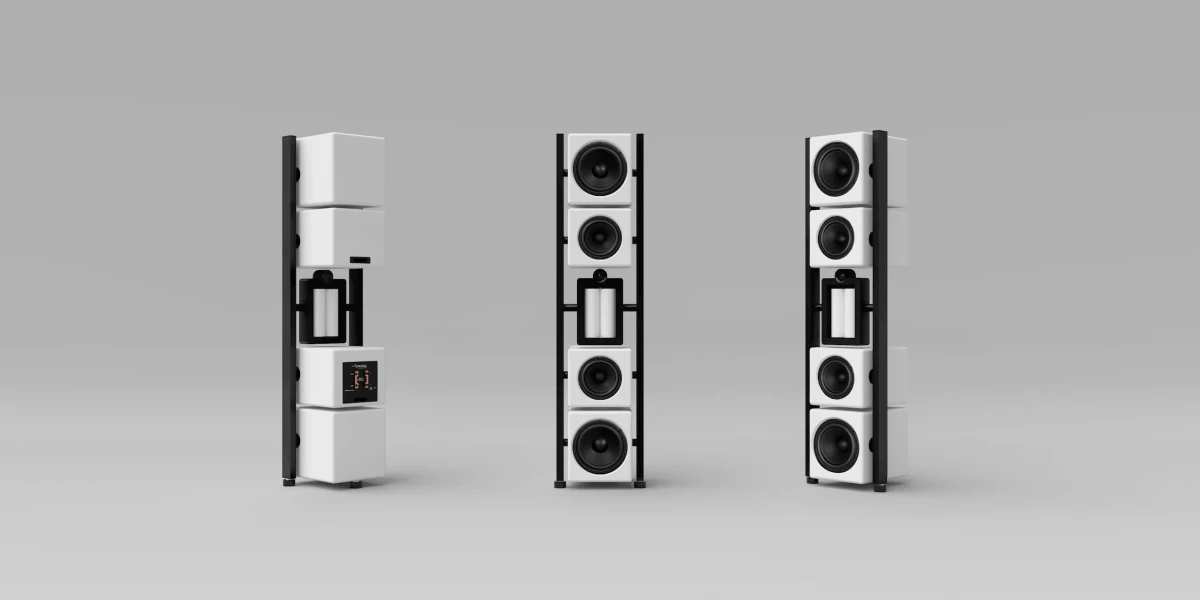
Floorstanding loudspeakers
AudioNec Evo 3
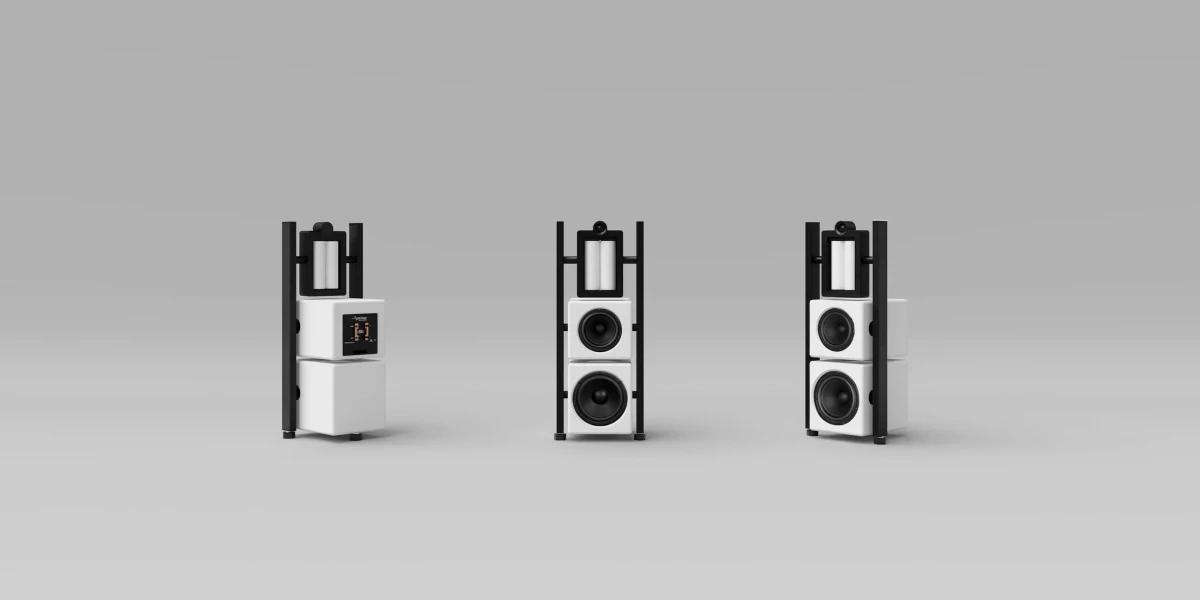
Floorstanding loudspeakers
AudioNec Evo 2
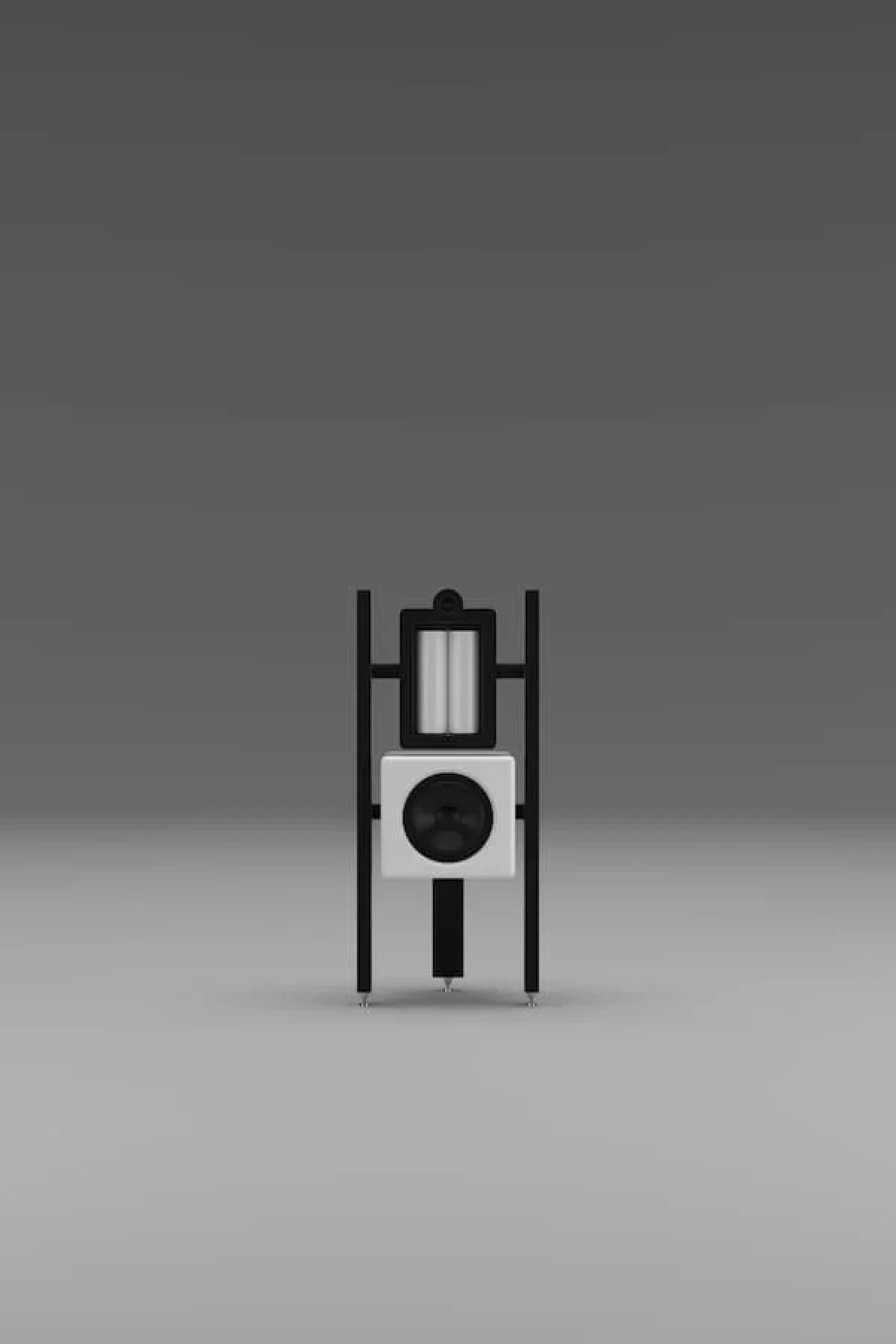
Floorstanding loudspeakers
AudioNec Evo 1
Floorstanding loudspeakers
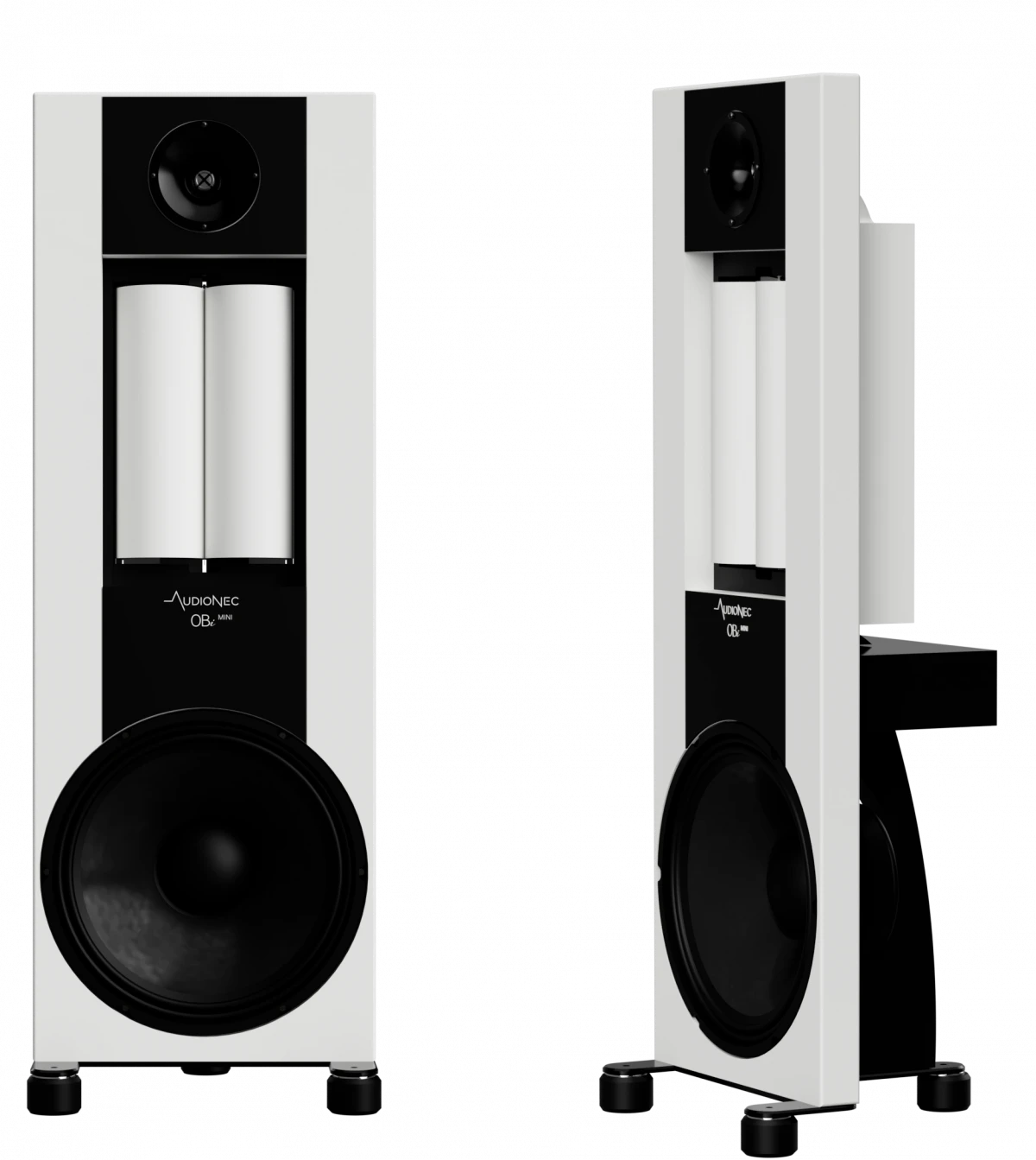
AudioNec OBi MINI