All


Radiotehnika
Website:https://www.radiotehnika.ru/
Radiotehnika is a historic Latvian audio brand from Riga, whose origins lie in a private radio business of the late 1920s. In the Soviet period it became the Riga Radio Factory, known by the initials RRR, and grew into one of the largest consumer audio producers in the USSR, making radios, record players, amplifiers and loudspeakers sold across the Union. After 1990 the name was carried by Latvian companies building hi-fi and professional loudspeakers.
Range & what it's known for
Pre-war production started with radio receivers, and by 1936 the business had around 240 workers and about 40 models behind it. Post-war tube radios included the Rīga T 689 of 1945, the Daugava and the Festivāls, the latter described as the first Soviet radio with a cable remote control. The Rigonda line combined radio and record player, and transistor portables included the Selga, Banga, Gauja and Orbīta. The factory later moved into hi-fi stereo systems, record players and loudspeaker boxes. In the post-Soviet years the company kept producing acoustic systems and amplifiers sold under the Rigonda name.
Who owns it and where it's made
The firm grew out of Ābrams Leibovics's radio business, was nationalised in 1940 and 1941, and was renamed after A. S. Popov in 1951. A 1971 production association joined RRR with the Riga Electromechanical Factory and the Kandava Radio Factory, reaching 16,000 workers at its peak. From 1996 the Radiotehnika, RRR and VEF trademarks were held by the joint stock company VEF Radiotehnika RRR, which made loudspeakers in Riga. That company left the Nasdaq Riga exchange in 2020, began liquidation in November 2024 and was liquidated in March 2025.
The lineup in this catalog
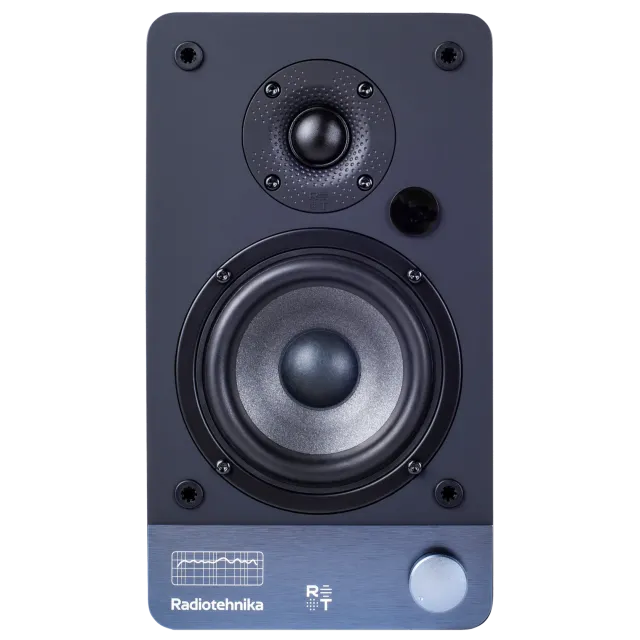
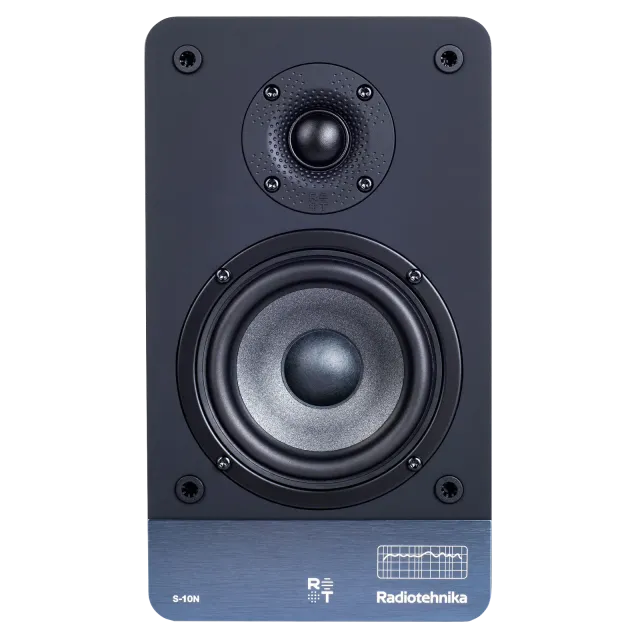
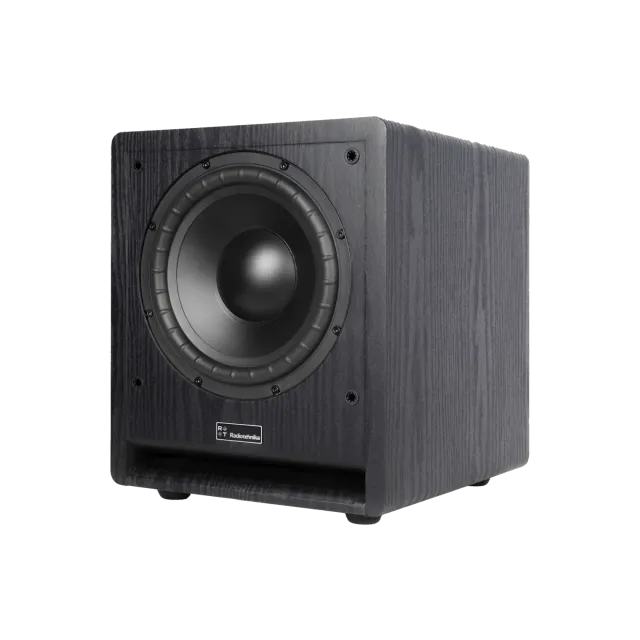
Radiotehnika appears here with loudspeakers. Pricing sits in the affordable to mid-price segment.
Who it's for
Radiotehnika speakers suit collectors of Baltic and Soviet-era audio and owners restoring older RRR systems, where the brand name and model families are the main draw. Since the last trademark holder has closed, the catalog models are best treated as existing or second-hand stock, and owners of vintage RRR boxes may find them a natural continuation of that family.