All


JLab
Website:https://www.jlab.com/
Est. year: 2005
JLab is an American consumer audio company founded in 2005 by Joshua Rosenfield and now headquartered in Carlsbad, California. It is known for true wireless earbuds, wireless and over-ear headphones and Bluetooth speakers sold at low prices through broad retail channels. The company started with low-cost in-ear headphones and grew quickly, reporting growth of more than 250 percent between 2015 and 2017 under chief executive Winthrop Cramer.
Range & what it's known for
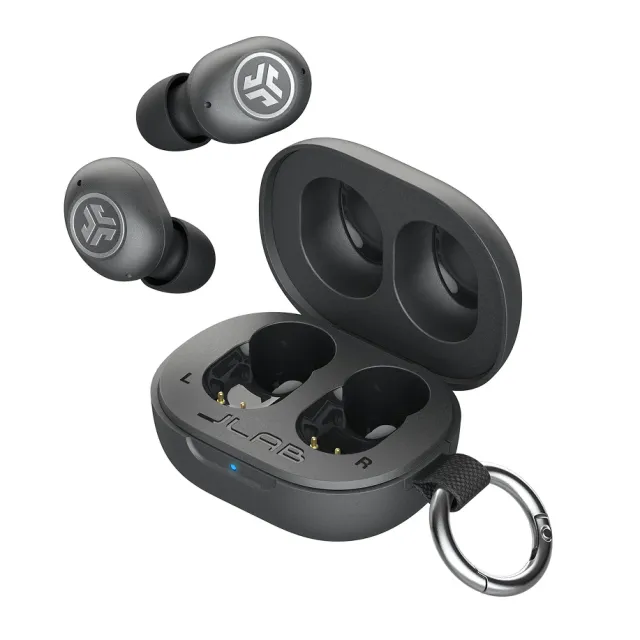
The catalogue is built around wireless listening for everyday use rather than home hi-fi systems. Earbuds sit at the centre, sold under product families such as JBuds, GO and Epic, and active noise cancellation appears on selected models. Over-ear and on-ear wireless headphones and portable Bluetooth speakers round out the range. The brand has built a visible sports profile, becoming the official audio partner of Major League Soccer in 2017 and agreeing a four-year sponsorship of the Birmingham Bowl in college football in 2025.
Who owns it and where it's made
JLab began in Arizona and moved its base to Oceanside, California, before relocating to Carlsbad in 2017 as operations scaled up. In 2021 the company was acquired by Noritsu, which made it a Japanese-owned business while it continues to be run from Southern California. Product development and marketing are handled by the American team, and the brand sells across North America and other export markets through large retail chains as well as its own online store.
The lineup in this catalog
Headphones, earbuds and speakers. Prices stay in the budget bracket of the wireless audio segment.
Who it's for
A first pair of wireless earbuds, or a spare set for the gym, commuting or travel bought without a large outlay, is the typical JLab purchase. The GO, JBuds and Epic families give several steps within one brand, with noise cancellation available on selected models for those who need it. Choose the brand when price, convenience and wide availability in shops matter more than a home audio system built around separate components.