All


Harman-Kardon
Website:https://www.harmankardon.com/
Est. year: 1953
Harman Kardon is an American audio brand founded in 1953 in Westbury, New York, by Sidney Harman and Bernard Kardon, who each put USD 5,000 into the new company. It is one of the oldest names in home audio still in use, and today it covers wireless speakers, soundbars and home cinema electronics as part of the Harman group, itself owned by Samsung Electronics since 2017.
Range & what it's known for
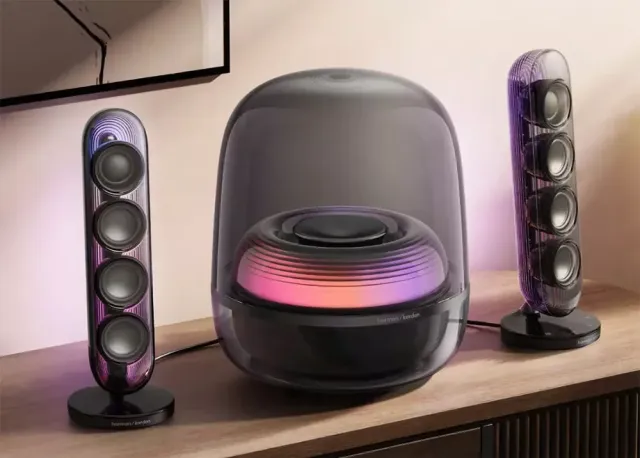
The brand's place in audio history rests on the Festival D-1000 of 1954, which combined a tuner, a preamplifier and a 20 W amplifier in one chassis and is regarded as the first integrated hi-fi receiver. It was followed by the Festival TA-230 in 1958, an early stereo receiver, and by the Citation II amplifier in 1959, which began the long-running Citation name. The current consumer range centres on home speakers with a strong design element, such as the Aura Studio 5 with its ambient lighting, the Onyx Studio 9 with a built-in battery of up to eight hours and Auracast support, and the portable Go + Play 3. Receivers and soundbars sit alongside these speakers for home cinema use.
Who owns it and where it's made
The company was independent until 1976, when it was sold to Beatrice Foods for USD 100 million. Sidney Harman bought it back in 1980 for USD 55 million, and the brand then became part of Harman International. In 2017 Samsung Electronics acquired Harman for USD 8 billion. Harman Kardon now operates as a division of Harman, which has its headquarters in Stamford, Connecticut, and shares engineering resources with the other audio brands in the group.
The lineup in this catalog
Wireless speakers and receivers in more than one category, with prices from about USD 100 for small portable speakers and reach several thousand dollars for the top AV receivers.
Who it's for
Harman Kardon is aimed at a living room where the look of a speaker matters, from a brand with roots in the first integrated receiver. The Go + Play 3 is the portable entry point, the Onyx Studio and Aura Studio speakers cover the home, and the receivers and soundbars are the next step for anyone building a television or home cinema system around one brand.