All


Gustard
Website:https://www.gustard.com/
Gustard is a Chinese digital audio brand run by Gustard Technology Co., Ltd. in the Longhua district of Shenzhen. It is known for DACs that come in two technical families, chip-based delta-sigma designs and discrete resistor-ladder (R2R) converters, and it has grown that core into a small system of headphone amplifiers, streamers, clocks and digital interfaces that stack together.
Range & what it's known for
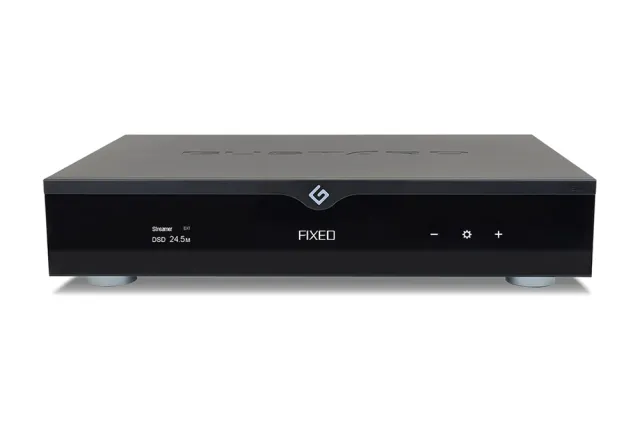
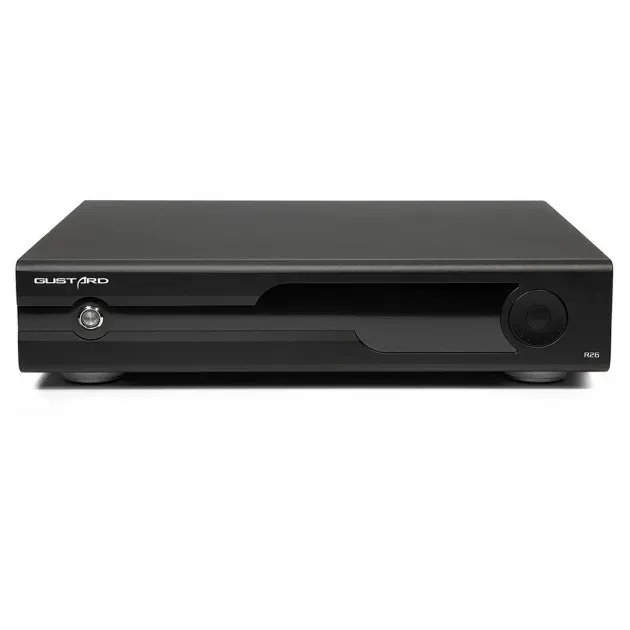
On the delta-sigma side the DAC-X30 sits at the top, with recent models built around ESS chips such as the ES9039SPRO, while the earlier X26 Pro used two ES9038Pro chips with an XMOS USB receiver and Bluetooth input. The R2R family started with the DAC-R26, the company's first discrete ladder design, using a separate ladder array for each channel, fully balanced, with RCA outputs as well, and continues with the DAC-R26II, DAC-R30 and DAC-DR70. Around the converters sit the AMP-HP70 and AH90 amplifiers, the X26III streamer, the C18 clock and the DDC-U26 digital interface, with further S26 and H26 units, a network switch, cables and accessories completing the catalogue. The company also lists the address of its Guanlan Street base on its own site.
Who owns it and where it's made
The brand belongs to Gustard Technology Co., Ltd., a Shenzhen company also known through its trading name Shenzhen Geshide. Public records do not name a founder or a founding year. Research and development are carried out in Shenzhen, and the products are made in China.
The lineup in this catalog
DACs and headphone amplifiers, each unit priced at roughly USD 500 to USD 3,000 in this catalog.
Who it's for
Gustard lets a buyer choose between two conversion approaches rather than accept a single house design, and then build a desktop or rack system from matching boxes. A first step is a chip-based DAC paired with a Gustard headphone amplifier. Owners can later move to an R2R model such as the R26II or R30, then add the C18 clock or the DDC-U26 interface, and eventually the X26III streamer.