All

GIK Acoustics
Website:https://www.gikacoustics.com
GIK Acoustics is an American maker of acoustic room treatment, founded in Atlanta, Georgia, in 2004 by musician and former recording studio owner Glenn Kuras. Rather than electronics or loudspeakers, it builds the panels, bass traps and diffusers that sit on the walls and in the corners of a room, selling them direct to customers in recording studios, hi-fi listening rooms, home theaters, offices and worship spaces.
Range & what it's known for
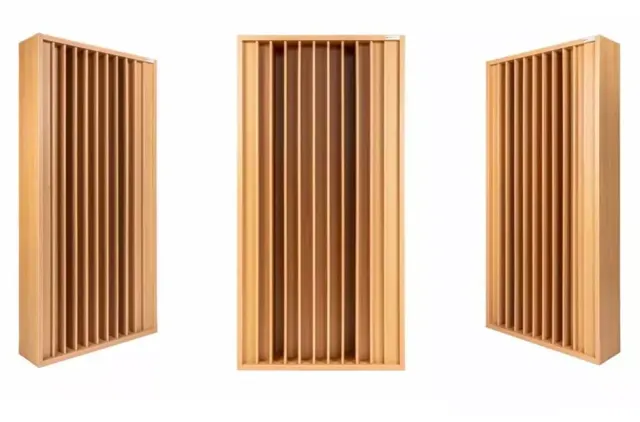
Products are grouped into acoustic panels, bass traps, diffusers, gobos and booths, decorative acoustic art and accessories. The basic Classic Acoustic Panel opens the range, followed by the patented FlexRange and Amplitude panels and the SlatFusor slatted absorber. Low frequencies are handled by the TriTrap corner trap, the cylindrical TurboTrap and bass trap versions of FlexRange and Amplitude. Diffusion comes from the Q7D and Q11D quadratic residue designs and the Gotham primitive root diffuser, while the PIB portable vocal screen and PIB Vocal Booth Pro serve voice recording. Each design is lab tested, and every item is handmade to order.
Who owns it and where it's made
The company is still led by its founder, Glenn Kuras, and is headquartered in Atlanta. Within four years of launch it opened GIK Acoustics Europe in Bradford, in the United Kingdom, and today production runs in its own facilities in the US and in Europe. Alongside the hardware, a design team of acousticians offers free room consultations, and the website carries a room designer tool, a panel calculator and a knowledge base.
The lineup in this catalog
Acoustic treatment products. GIK's own shop lists prices from about USD 64 for a classic panel and reach USD 999 for the PIB Vocal Booth Pro, with diffusers between USD 249 and USD 399 and up.
Who it's for
GIK fits owners of an untreated listening room, studio or cinema who want to fix reflections and bass build-up without a custom build. A few classic panels at first reflection points are the usual starting step, followed by corner bass traps such as the TriTrap and, in larger rooms, diffusers on the rear wall. Buyers unsure where to begin can use the free consultation before ordering.