All


Avantgarde Acoustic
Website:https://avantgarde-acoustic.de/en
Est. year: 1991
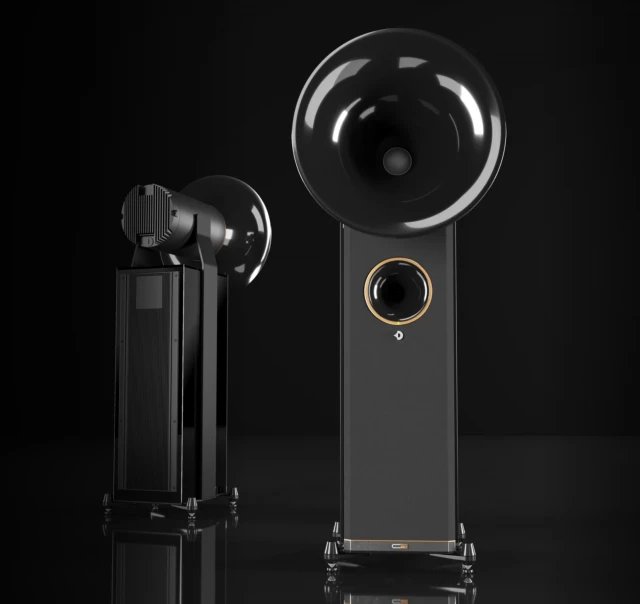
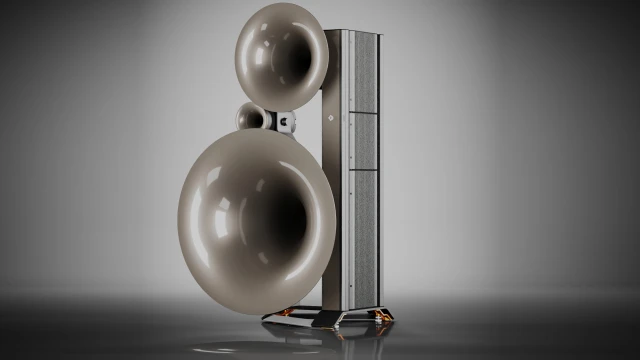
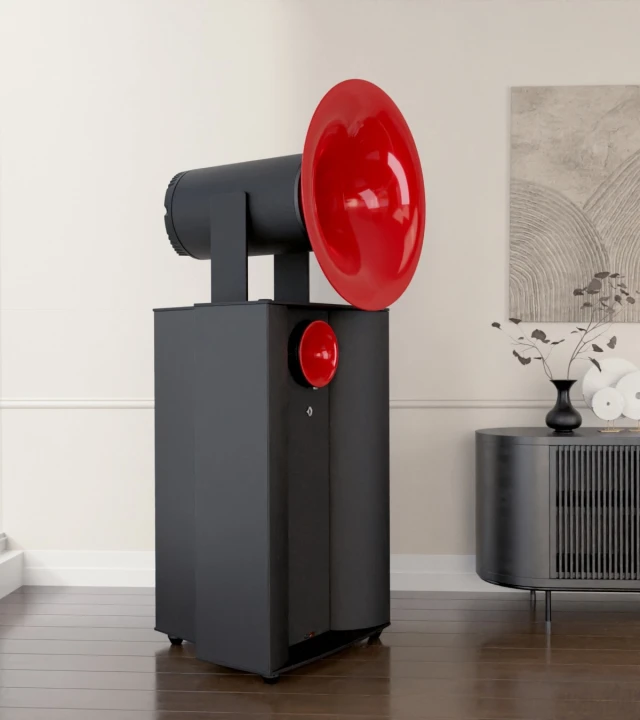
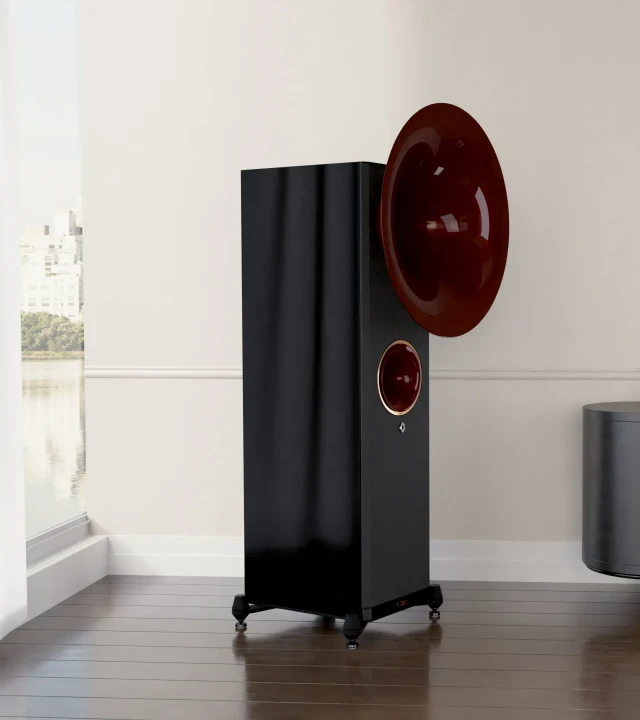
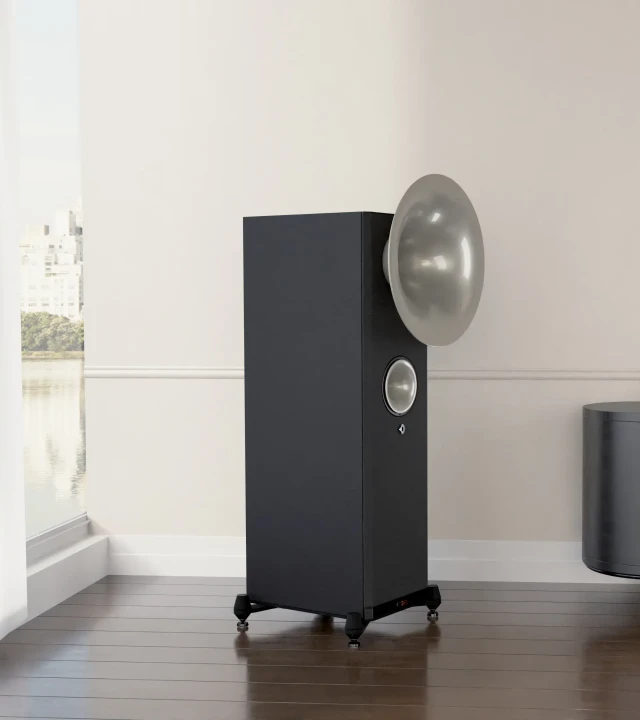
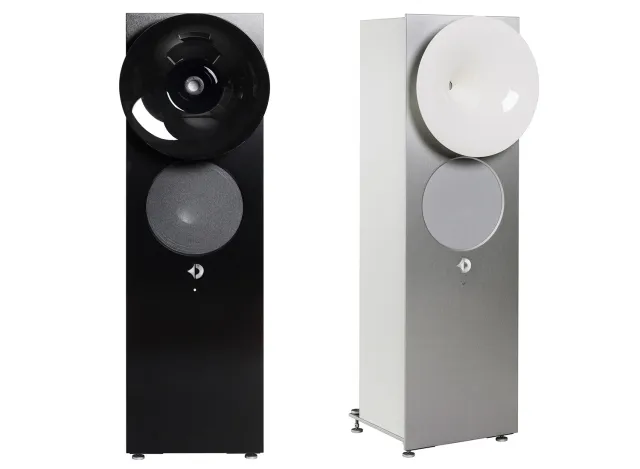
Avantgarde Acoustic builds horn loudspeakers and the amplifiers to drive them in Germany, founded in 1991 by Holger Fromme and Matthias Ruff. The company is based in Reichenbach in the Odenwald hills near Darmstadt and ships to more than 60 countries. Its products are easy to spot by their large spherical horns, and their high efficiency lets them run from amplifiers of modest power.
Range & what it's known for
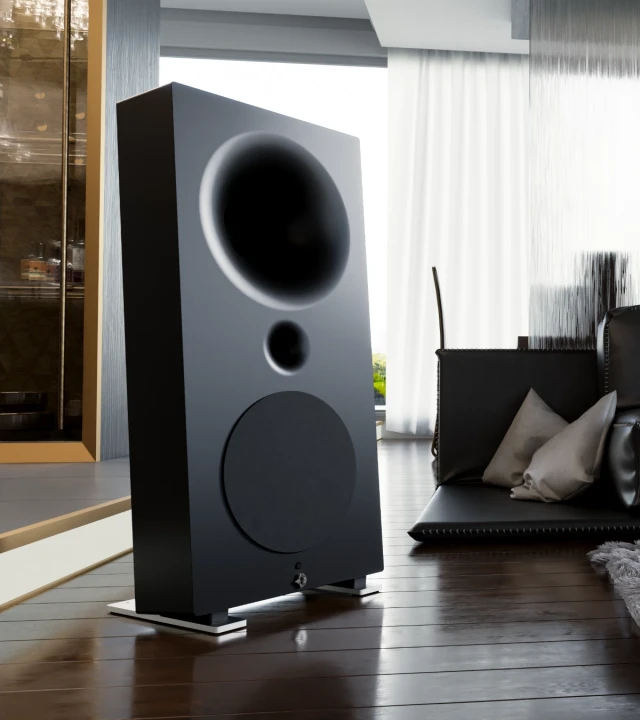
The story started with the Trio, the first Avantgarde design of 1991, which remains the core of the range and was renewed as the Trio G3. Around it sit smaller horn systems such as the Uno and the Duo, and the compact Zero, which brings the horn principle to a more domestic size. Many models pair the midrange and treble horns with active bass sections, so the system needs less from the partnering amplifier. The firm also produces its own amplification, so a complete Avantgarde system can come from one source.
Who owns it and where it's made
Avantgarde Acoustic Lautsprechersysteme GmbH is a privately held German company. The horns are moulded, finished and assembled at the company works in Lautertal-Reichenbach, a village in the Odenwald where the two founders set up the business more than three decades ago. Holger Fromme has remained the public face of the firm throughout, and the company still handles development in the same building as production rather than sourcing finished cabinets from outside.
The lineup in this catalog
The catalog lists 7 Avantgarde loudspeakers. The smaller horn models start at roughly EUR 15,000, and a complete Trio system costs more than EUR 200,000.
Who it's for
Avantgarde needs a room with floor space for sculptural horn speakers and an owner after a very efficient system that pairs well with low-power valve or solid-state amplifiers. The Zero or Uno is the usual way in, with the Duo and finally the Trio as the steps up. Because the active bass sections take over the low end, room for the main amplifier choice stays wide. The brand makes most sense for buyers who treat the speakers as a visible design object in the room.