

Wilson Audio Autobiography - A Closer Look at the €788,000 Speakers
An in-depth engineering examination

01.10.2026 10:17 | ~4 minutes read
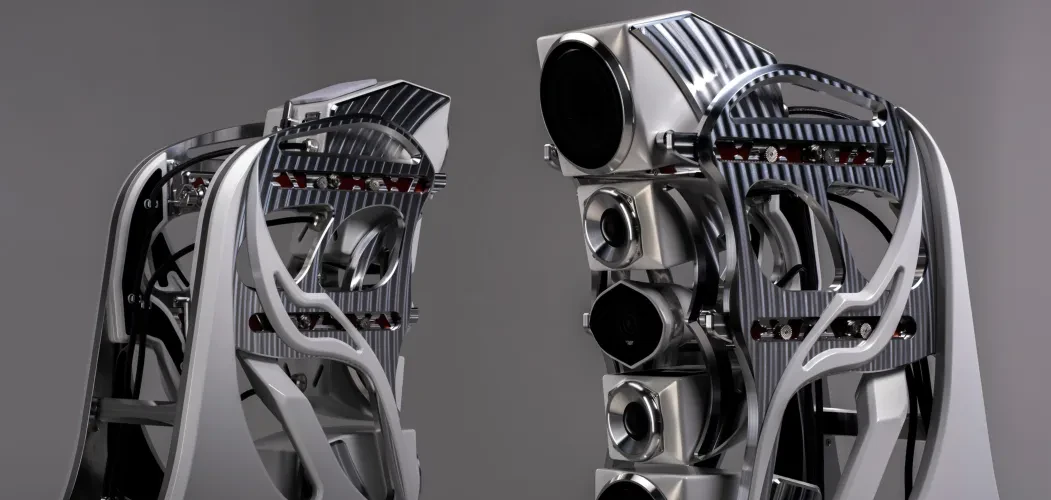
Standing over two meters tall and weighing 372.4 kg, these five-way loudspeakers represent a triumph for the renowned American company, Wilson Audio Autobiography system impresses with both its sonic performance and its technical design. Here, we examine Wilson Audio Autobiography from an engineering perspective, exploring the nuances and intricacies of this uncompromising High-End approach.
Quick Overview
The speakers offer a frequency response starting at 18 Hz and feature the PentaMag midrange driver (utilizing five AlNiCo magnets) and the CSLS tweeter. They are equipped with an adjustable bass-reflex port and a redesigned mechanical module alignment system.
Technical Design
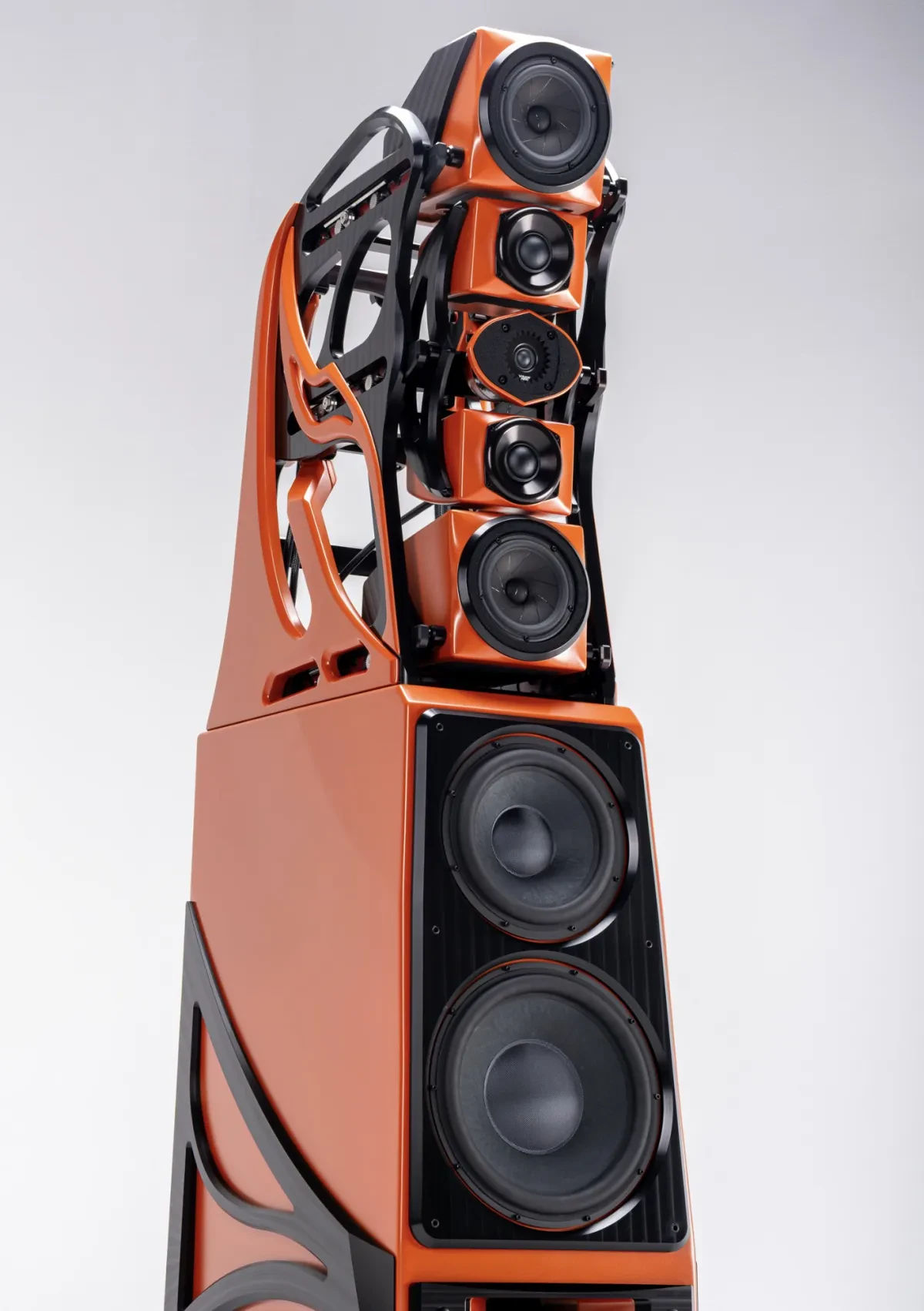
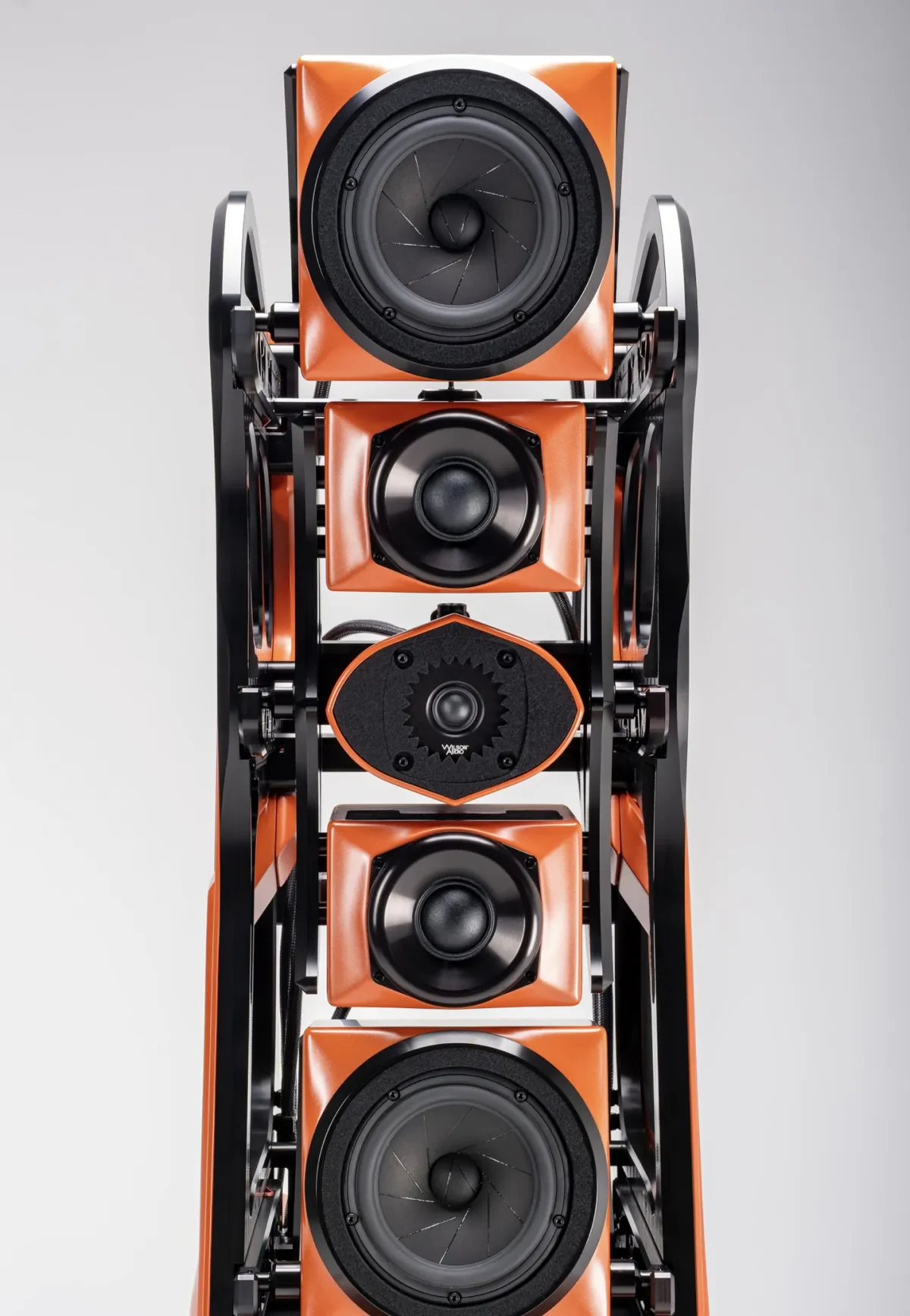
The Wilson Audio Autobiography employs an MTM configuration: two 7-inch PentaMag midrange drivers are positioned above and below an open-frame structure, sandwiching a symmetrical array consisting of two 2-inch drivers and a front-facing tweeter. The low-frequency section comprises 12-inch and 15-inch woofers, while a rear-facing 1-inch tweeter is also included
MTM Array Configuration
The symmetrical arrangement of mid-range drivers relative to the tweeter narrows the vertical dispersion pattern at the crossover point, thereby reducing energy reflected off the floor and ceiling. Consequently, the proportion of direct sound reaching the listening position increases, while the impact of reflections from horizontal surfaces is significantly reduced. This is a crucial factor for speakers of this size, which require a suitably large listening room.
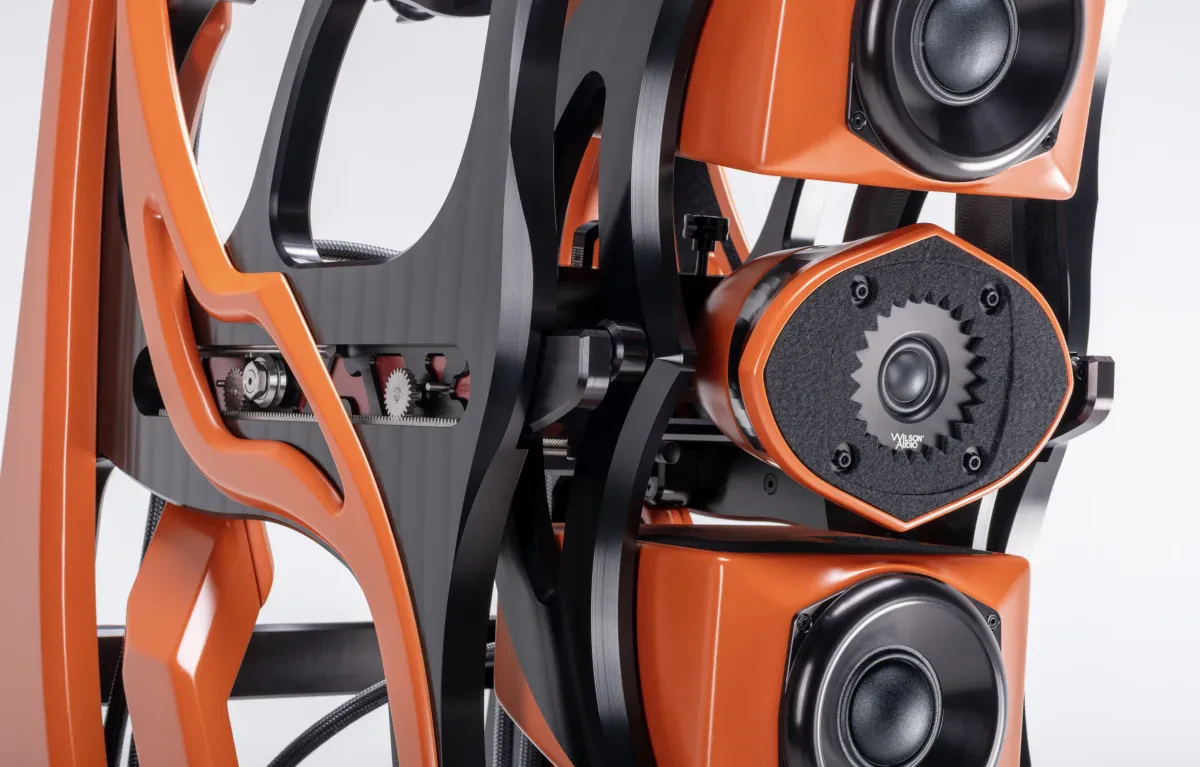
An additional element in the design is a pair of two-inch drivers, designated by the manufacturer as "mid-range alignment modules." Their function is to bridge the transition between the tweeter's speed and the sonic character of the seven-inch drivers - effectively filling the specific zone where a discontinuity typically occurs in three-way systems.
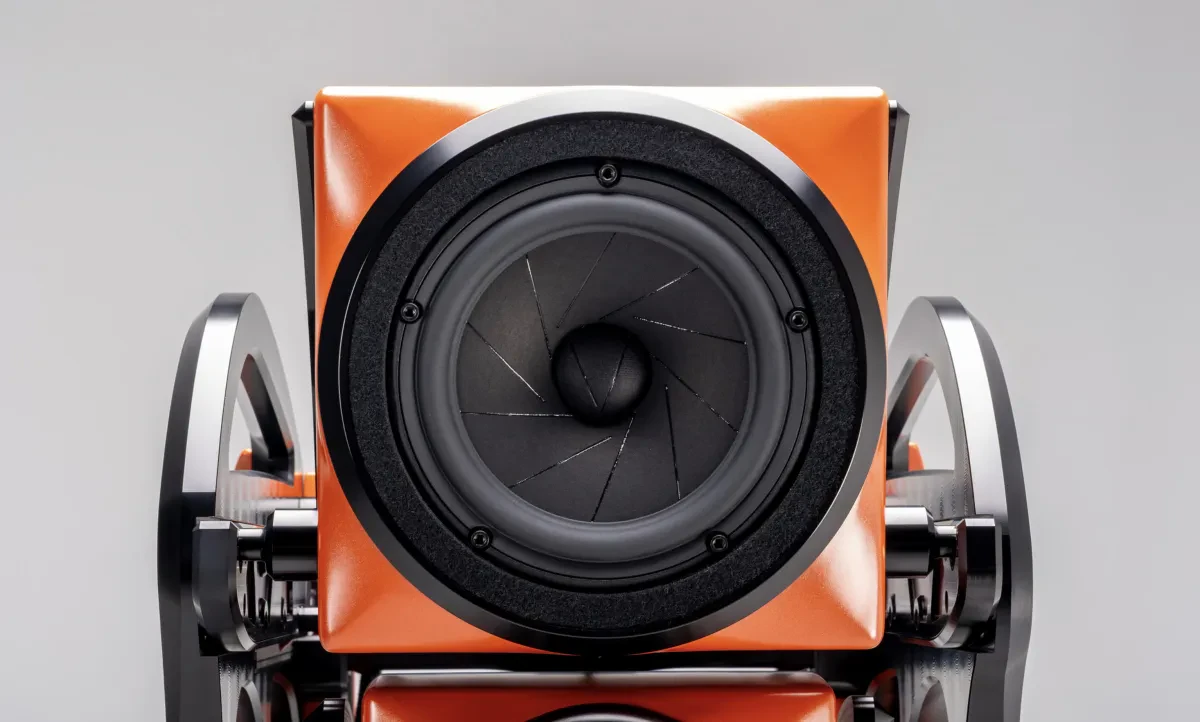
Drivers
The PentaMag is a seven-inch mid-range driver representing an evolution of the QuadraMag platform. The difference in naming reflects the number of AlNiCo magnets in the motor assembly: four in the previous version and five in the new one. Increasing the magnet count enhances motor strength and magnetic flux stability (flux in the gap fluctuates as the voice coil moves; this modulation causes signal-level-dependent non-linear distortion, and a "stronger" magnetic system maintains flux stability more effectively). The choice of AlNiCo over the more common neodymium or ferrite is deliberate: this alloy has a low temperature coefficient, meaning the motor's characteristics remain more stable when the unit heats up during extended high-volume listening sessions.
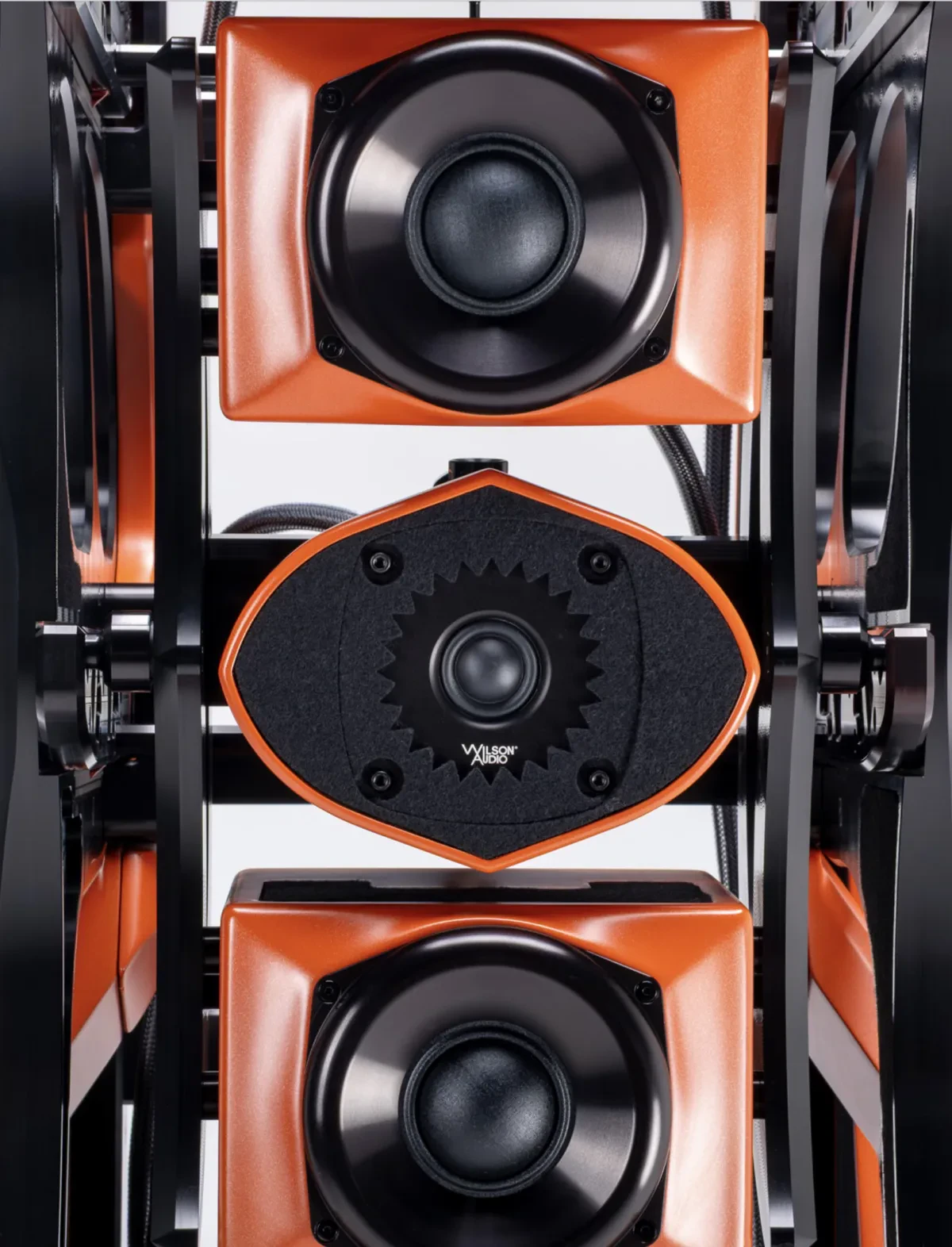
The CSLS (Convergent Synergy Laser Sintered) tweeter is a reimagining of the proprietary Convergent Synergy platform. Its key innovation is a redesigned rear-wave chamber that improves energy dissipation and reduces internal reflections.
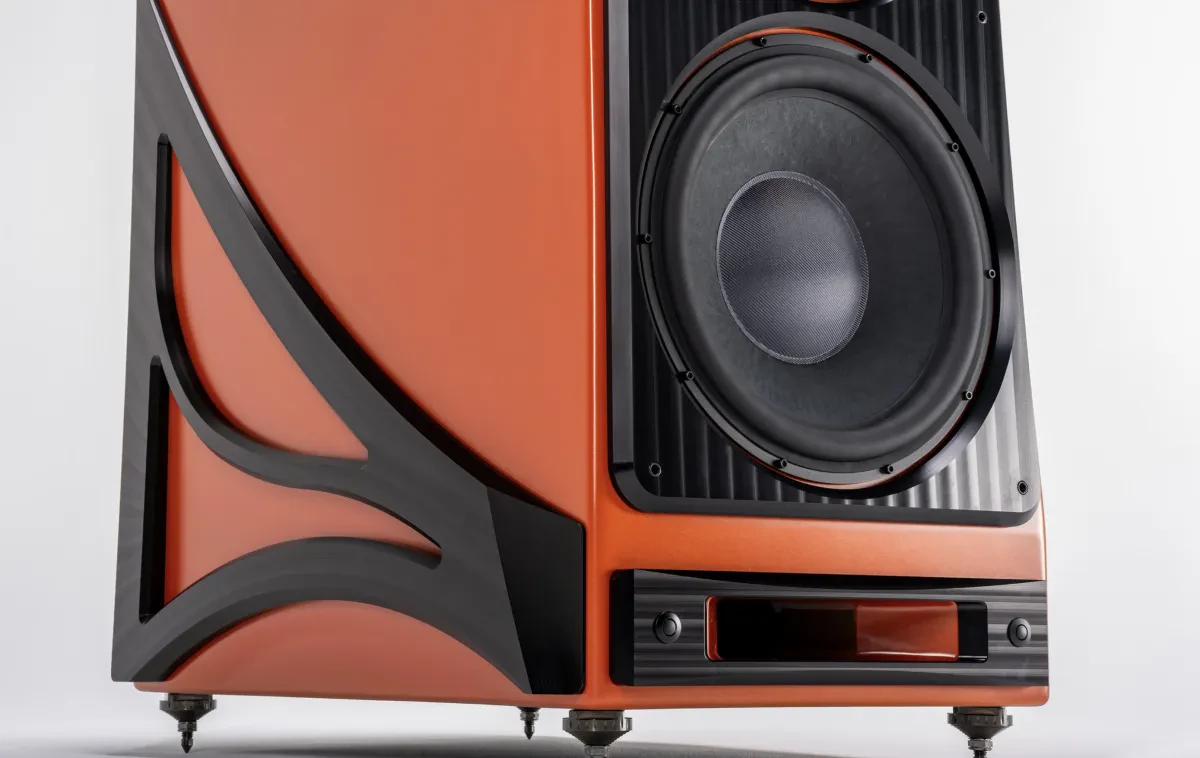
The low-frequency module consists of two woofers of different diameters - twelve and fifteen inches - operating in tandem. These different diameters exhibit distinct piston-motion characteristics and transition points into bending-mode operation. By combining them, we achieve a wider range of linear piston behavior than a pair of identical drivers could provide; the smaller driver operates with greater precision in the upper part of the low-frequency range, while the larger one delivers superior performance in the lowest octave.
Engineering Innovations
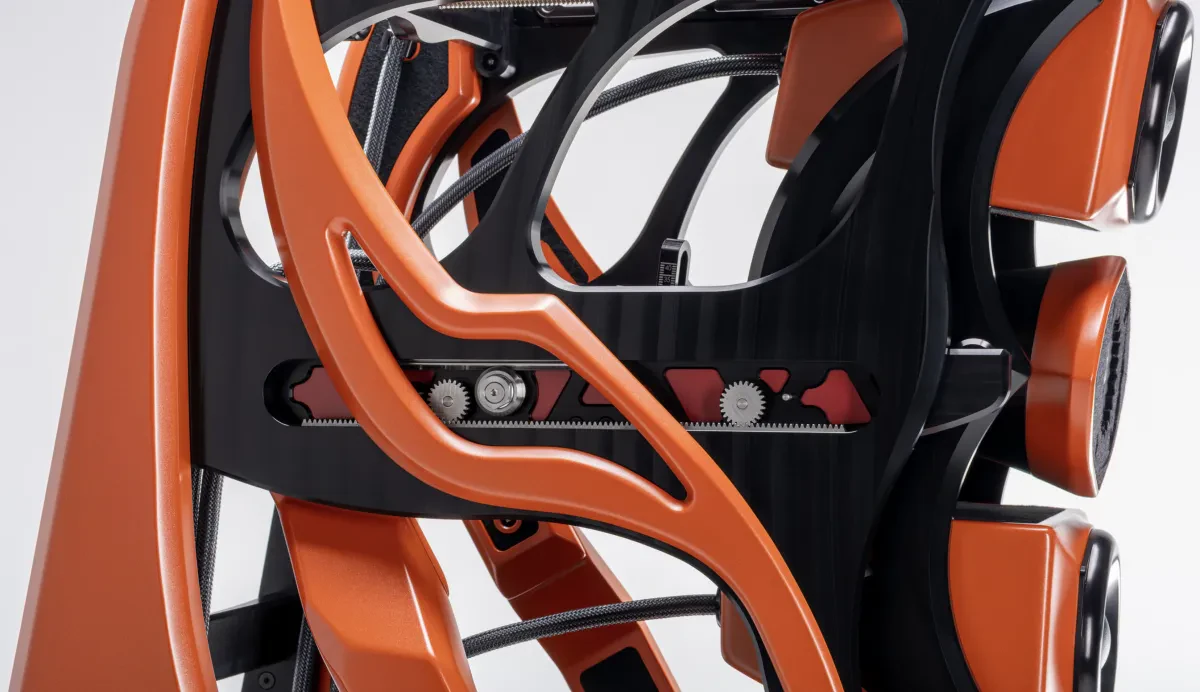
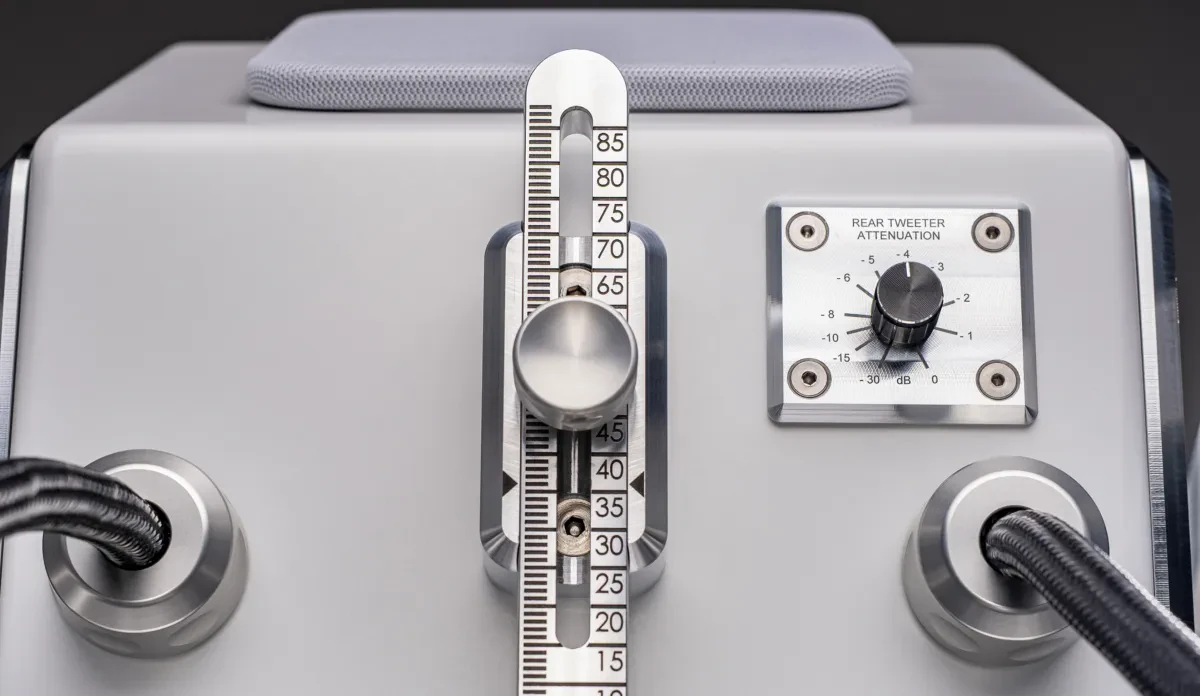
Mechanical module alignment. Wilson has historically designed its loudspeakers around precise time alignment of the drivers; the position of each module is adjusted so that the wavefronts from all drivers reach the listener's ear simultaneously. A new mechanical alignment system - offering millimeter-level precision that surpasses the solutions found in previous flagship models - was developed for the Wilson Audio Autobiography.
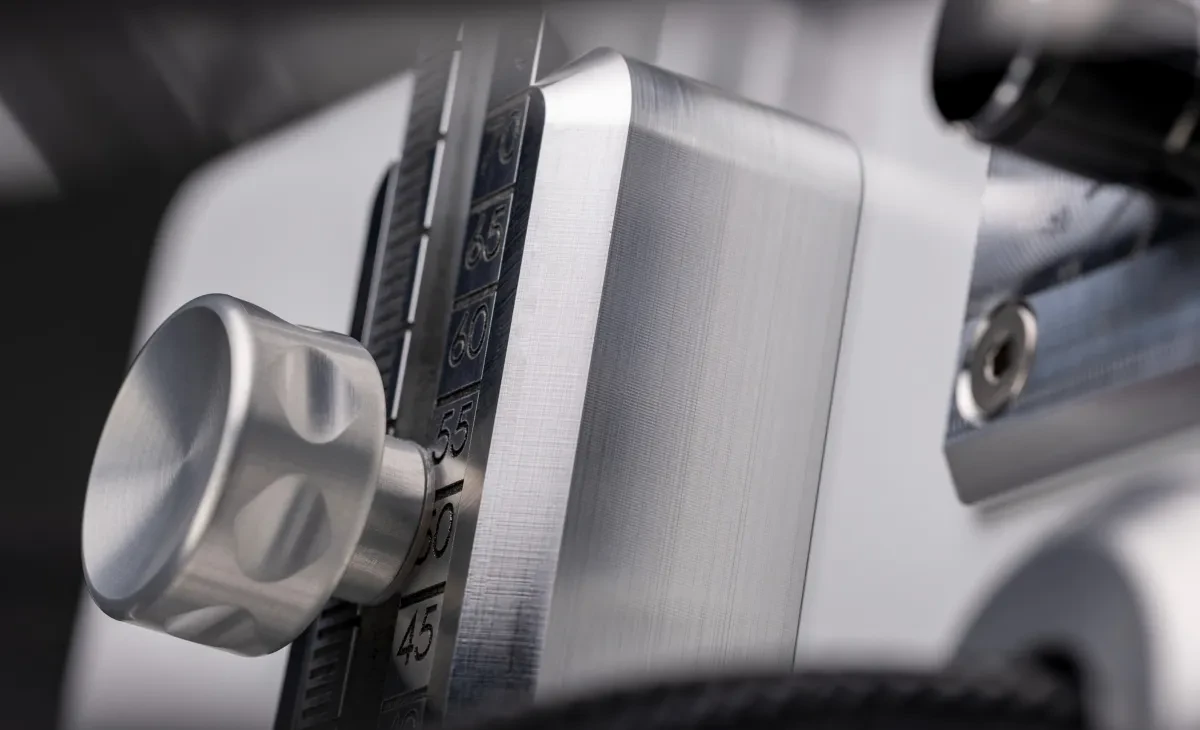
Adjustable bass-reflex port. This allows for changes in the direction of the output, enabling fine-tuning of the low-frequency section's interaction with the room by approximately 1.5 dB within the 10–130 Hz range. While this feature does not replace comprehensive acoustic room treatment, it provides an elegant tool for tailoring the sound to a specific space.
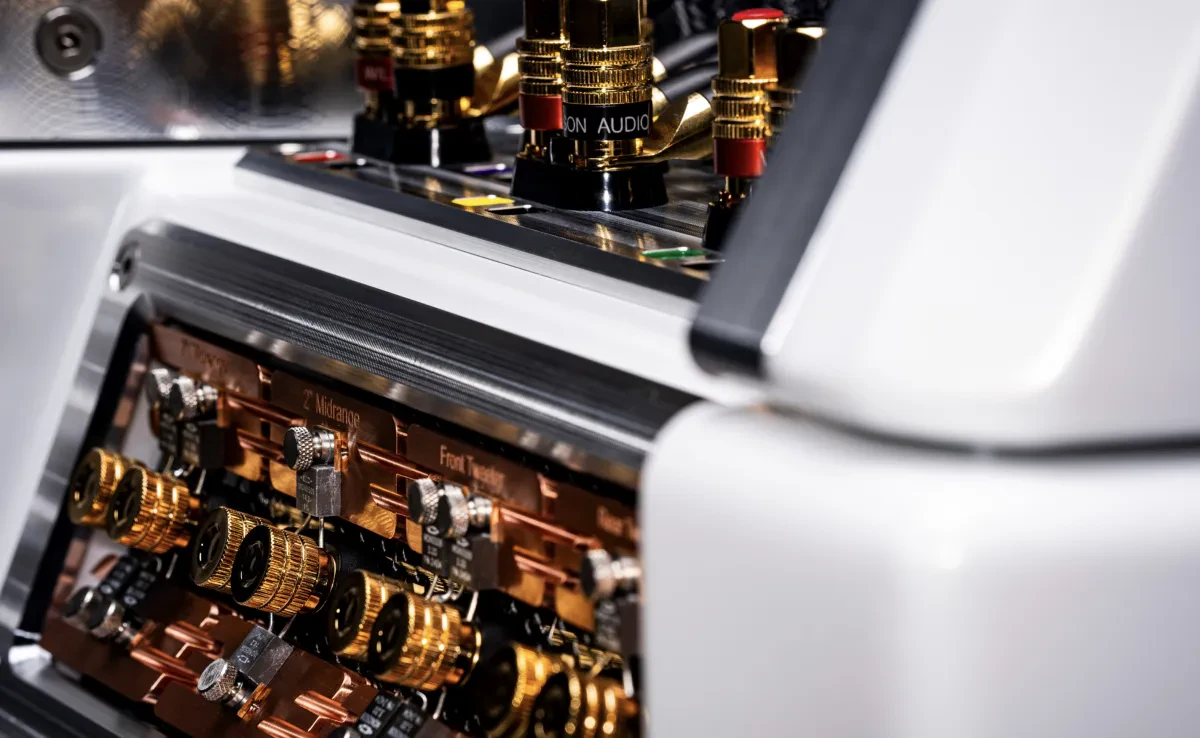
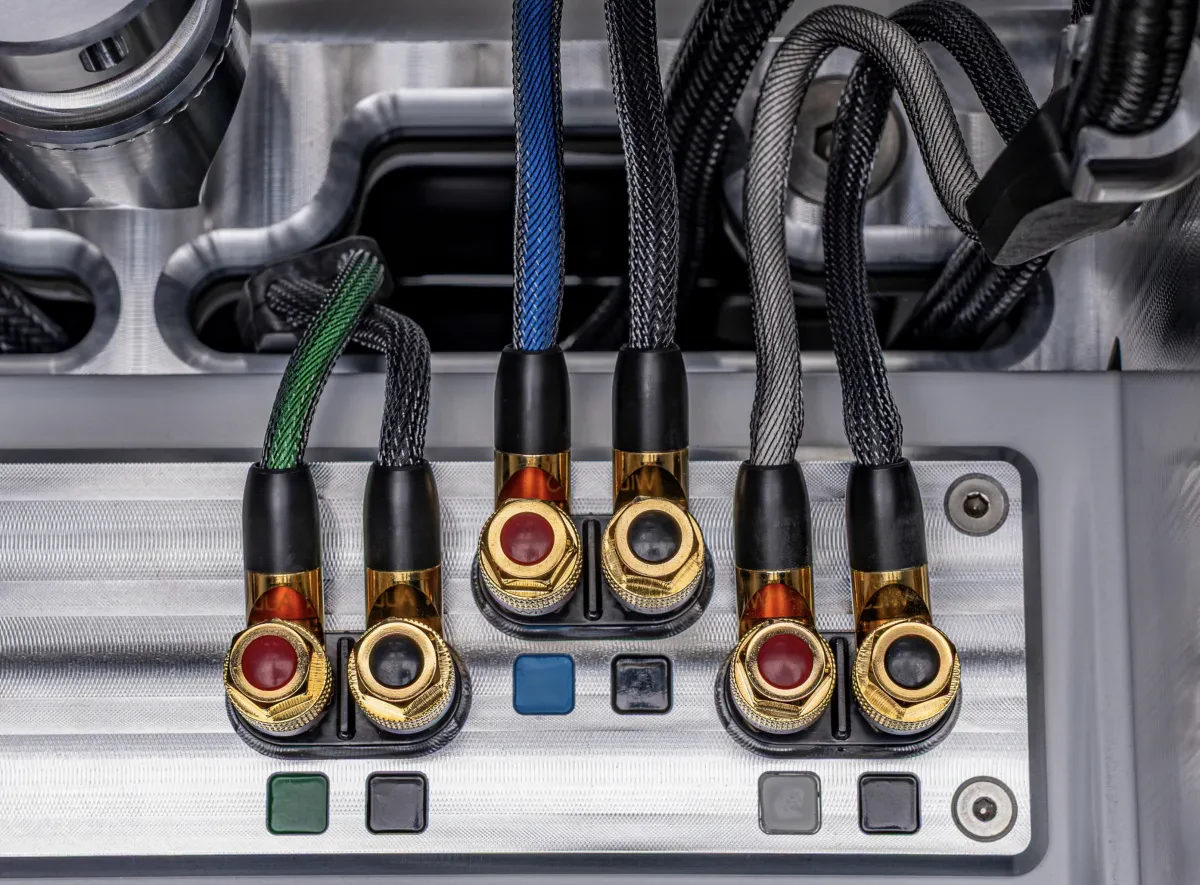
Crossover networks. These are hand-assembled using point-to-point wiring, eschewing printed circuit boards. Eliminating printed circuit boards from the high-power signal path removes parasitic capacitance and trace inductance. The filters use copper versions of Wilson’s proprietary AudioCapX-WA capacitors and Rel-Cap components selected to a tolerance of 0.2%.
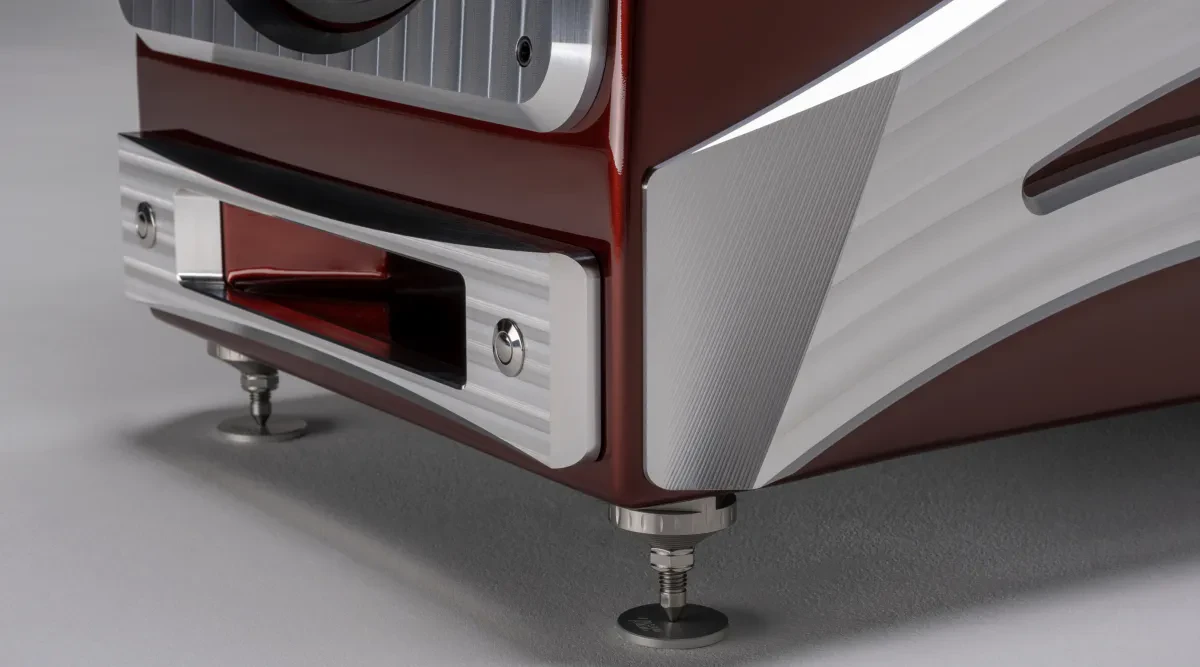
Enclosure materials. Several versions of high-density phenolic resin composites - H-Material, internally damped constrained layer V- and X-Materials, carbon fiber, aerospace grade aluminum, stainless steel, copper and gold with distinct damping properties are used, distributed across the structure according to the specific requirements of each zone. Additionally, damping material is applied at every interface point between the driver enclosures and the main structural framework.
What do the Wilson Audio Autobiography specifications mean?
Sensitivity: 89.5 dB. The designers did not prioritize ultra-high sensitivity; instead, the design focuses on linearity and parameter stability. Substantial amplification is required; it is advisable to exceed the stated minimum power rating of 100 watts.
Lower frequency limit: 18 Hz. This approaches the reproduction of the organ's sub-contra octave notes - frequencies felt by the body rather than perceived merely by the ear. The practical value lies in the fact that a speaker system with such a frequency response reproduces the 20–40 Hz range with minimal distortion.

However, achieving this imposes a strict requirement: the room must be capable of supporting such a low-frequency limit. Even in a room 10 meters long, the first longitudinal mode occurs at around 17 Hz - meaning that a room of appropriate size is required to complement the speakers.
Conclusions
It makes sense to view the Wilson Audio Autobiography as an engineering achievement - a collection of solutions implemented where development cost was not a constraint. From the evolution of the midrange driver’s magnet system and the combination of bass drivers to the adjustable port for room tuning and the redesigned module time-alignment system, everything here is built to last for generations.
Specifications
Model name
Autobiography
Frequency Response low +/- 3dB (Hz)
18
Frequency Response high +/- 3dB (Hz)
36 000
Sensitivity (dB at 1 W/1m)
89.5
Impedance (Ohms)
4
Power amplifier requirements (W)
>100
Has internal amplification
N/A
Internal amplification power (W)
N/A
Size (sm)
206 x 55 x 89
Weight (kg)
372.4
Official link